
The fitness industry has changed over the last few years. Gyms aren’t just rooms packed with treadmills and dumbbells anymore. They’ve turned into communities, lifestyle spaces, recovery hubs, and transformation centers, you know the vibe. For investors, this growth brings an exciting chance in fitness franchising.
But purchasing a fitness franchise isn’t the same thing as getting into some other business model. A gym that looks really busy on social media might still struggle with member retention.
A franchise with hundreds of outlets may not perform the same in every market, and this part gets overlooked a lot. Also, staffing, marketing, equipment, and all can become “small” extra costs that turn into a huge expense later.
So every investor must check certain things before buying a fitness franchise. Let’s see what those things are.
Understand the Brand Positioning First
The first question is pretty simple, even though people kind of skip it: What does this fitness franchise actually stand for? Not all fitness brands serve the same crowd, you know. Some go hard on budget memberships, while others try to sell a more premium wellness experience. Some are mostly strength training, and then others do HIIT, or recovery first, or group workout energy, or a whole lifestyle fitness vibe. So, ask yourself, a little bit more directly:
- Is the brand beginner-friendly?
- Does it pull in premium customers?
- Is it youth-focused?
- Does it speak to families?
- Does it include recovery and wellness experiences?
Solid positioning basically keeps the franchise standing out in competition, because members know exactly why they signed up in the first place.
Study the Business Model Carefully
A fitness franchise is more than just machines, gear and that membership, stuff. You kind of want to grasp how the money moves, like where the revenue flows to.
Usually, you’ll see revenue coming from different channels, such as:
- Membership plans
- Personal training
- Group classes
- Recovery zones
- Merchandise
- Nutrition programs
- Events and workshops
When the income is diversified more, the overall stability tends to be stronger, kinda.
So, ask the franchisor, because you should:
- What portion comes from memberships?
- Which services have the highest margins?
- How seasonal is the whole business?
- What does the typical member's spending pattern look like over time?
Evaluate Initial Investment vs Long-Term Cost
Many investors focus only on the entry cost, as if they do not have to think at all about what comes after. And yes, that is a mistake.
Look beyond the franchise fee, interior setup and that equipment investment. Don’t forget the security deposits, staff hiring, and those marketing launches that seem simple but add up later.
Also try to calculate, even if it feels tedious:
- Monthly payroll
- Electricity expenses
- Equipment servicing
- Rent escalation
- Maintenance costs
- Technology subscriptions
- Training expenses
Sometimes, a lower-entry franchise, it can still become costly to keep running. Meanwhile, a slightly larger investment may actually produce steadier long-term returns.
Check Member Retention Numbers
Getting members is kind of important. A gym might get lots of sign-ups, but if retention is weak, it will keep burning money on marketing, even when the numbers look good for a moment.
Ask yourself for:
- Average retention rate
- Membership renewal percentage
- Monthly attrition counts
- Average customer lifetime value
Retention often mirrors:
- Service quality
- Trainer involvement
- Community strength
- Workout experience
- Brand loyalty
If people keep coming back, the whole model tends to work out.
Assess Location Flexibility
Not every fitness idea works in every place. A club that is premium and recovery-focused may do pretty well in metro cities. But a more budget gym could end up doing better in high-density residential areas, near everyday commuters.
Before you invest, take a good look at a few things, such as:
Demographics
Who actually lives nearby?
- Working professionals, maybe
- Students too
- Families, often
- People who are into fitness already
Competition
Count what is around you:
- Independent gyms
- Boutique studios
- Cross-training centers
- Yoga facilities
Accessibility
Also check basic practicality, accessibility and such:
- Parking availability
- Public transport access
- Visibility from main roads
- Footfall patterns, like when people actually show up
Because the best franchise, in the wrong location, can still struggle quite a bit.
Look at Training and Operational Support
Many investors stepping into fitness aren’t actually gym operators.
That’s totally fine.
A solid franchise should support you, with all kinds of things like staff onboarding, trainer education, sales processes, SOP documentation, launch planning, marketing assistance, and performance reviews.
So, ask yourself:
What happens after opening day?
Launch support is pretty normal.
Support after six months is the real thing that counts.
Review the Fitness Experience Being Offered
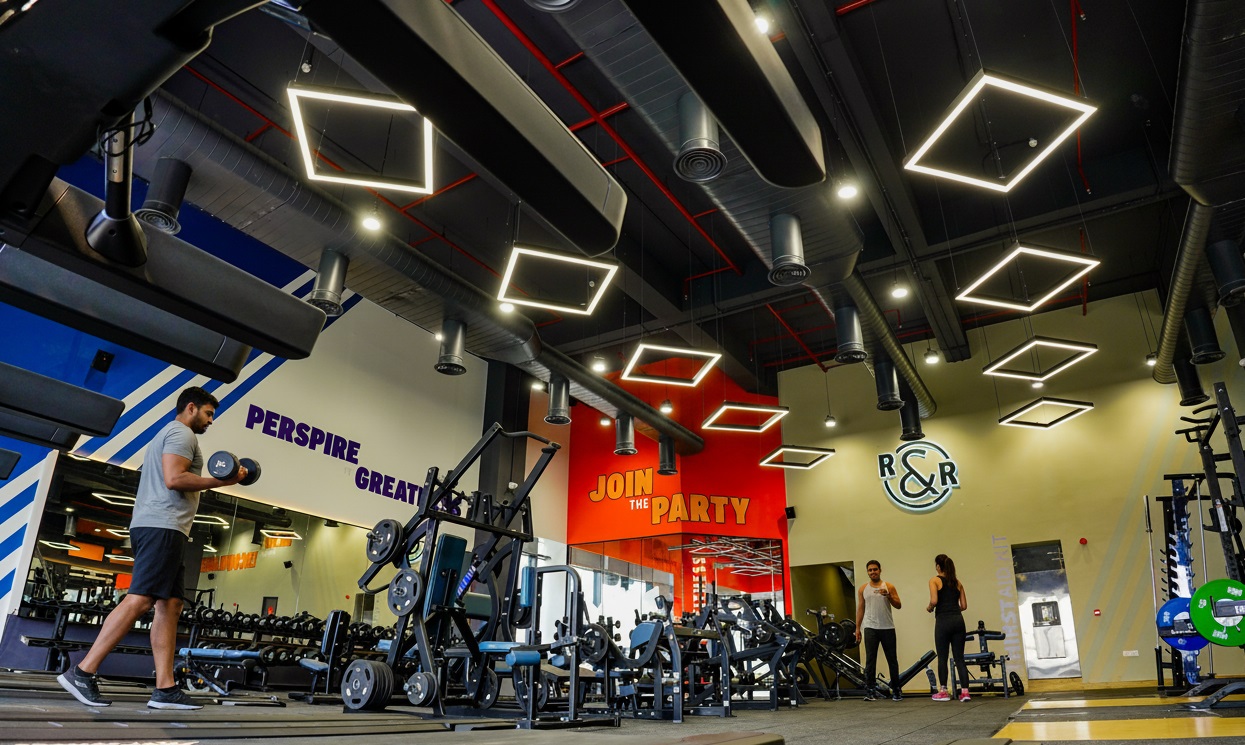
Modern members expect more than just machines. The whole should feel connected.
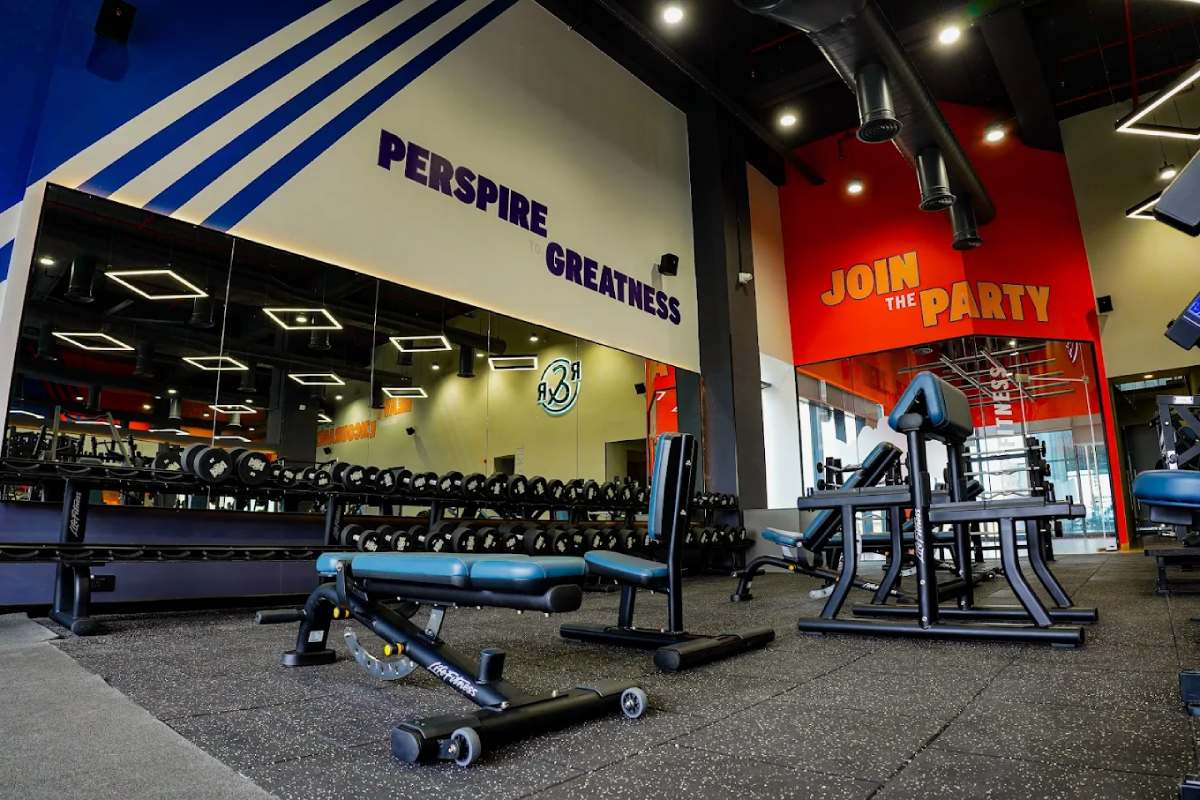
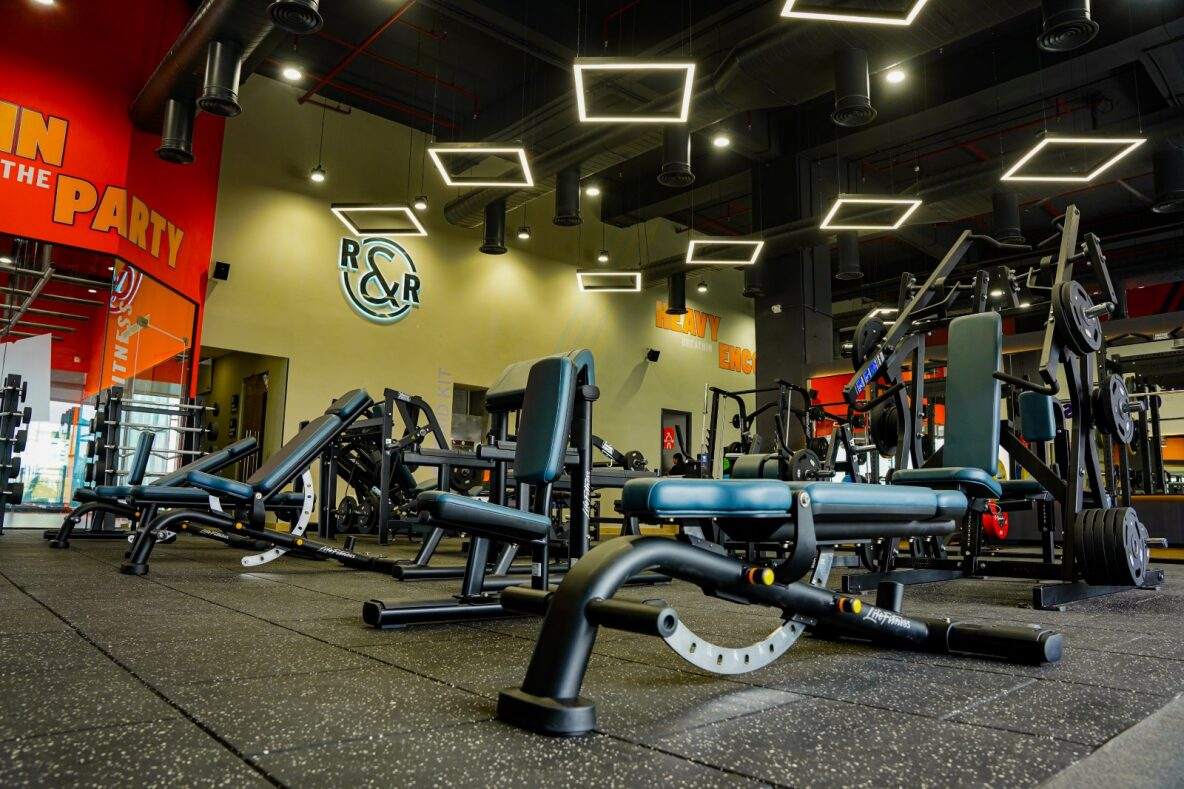
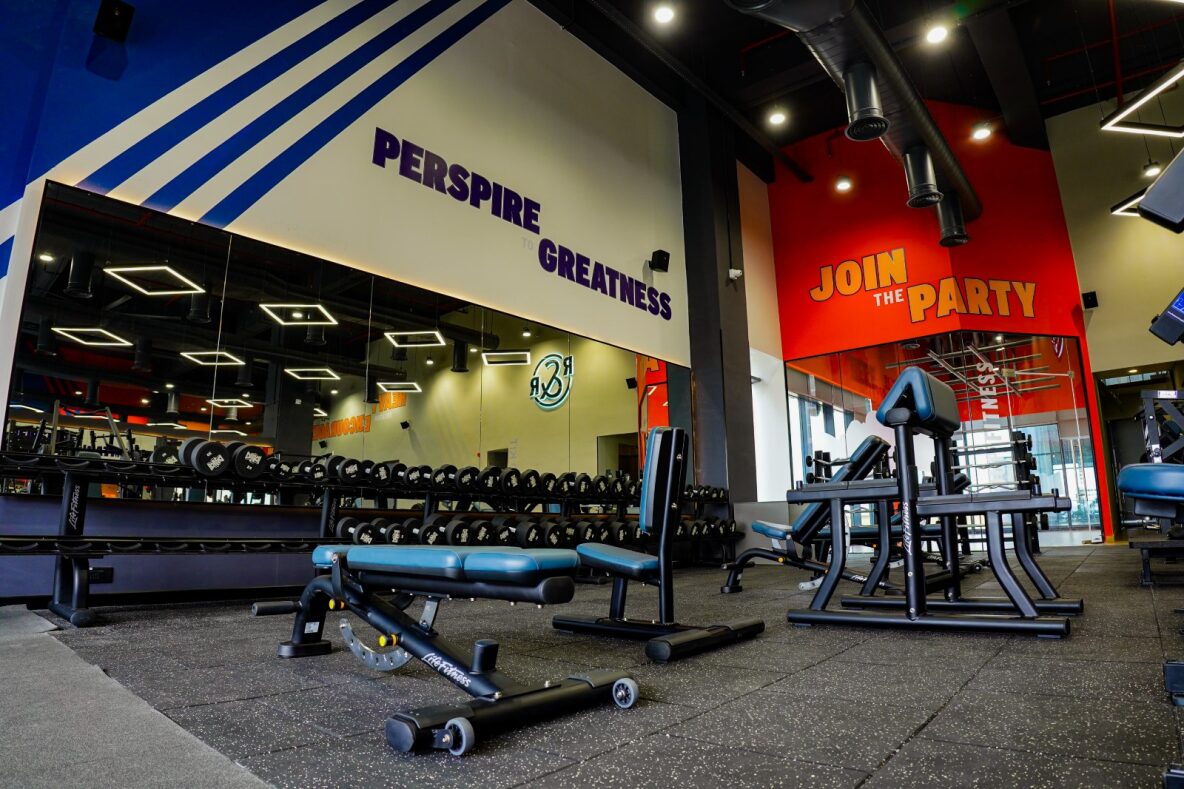
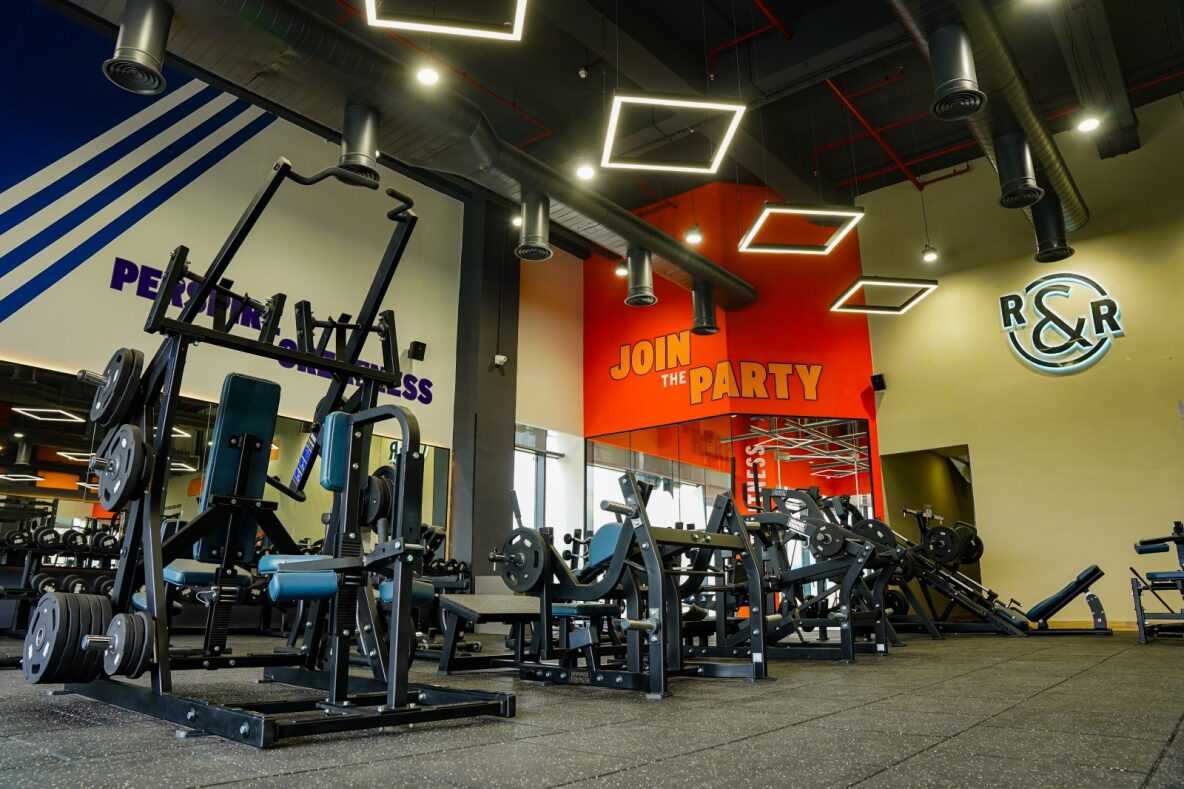
Today’s winning gyms often have a few things that help complete the experience:
-
Group workouts, sometimes in a calmer vibe or a loud one.
-
Strength zones that guide people around, not overwhelm them.
-
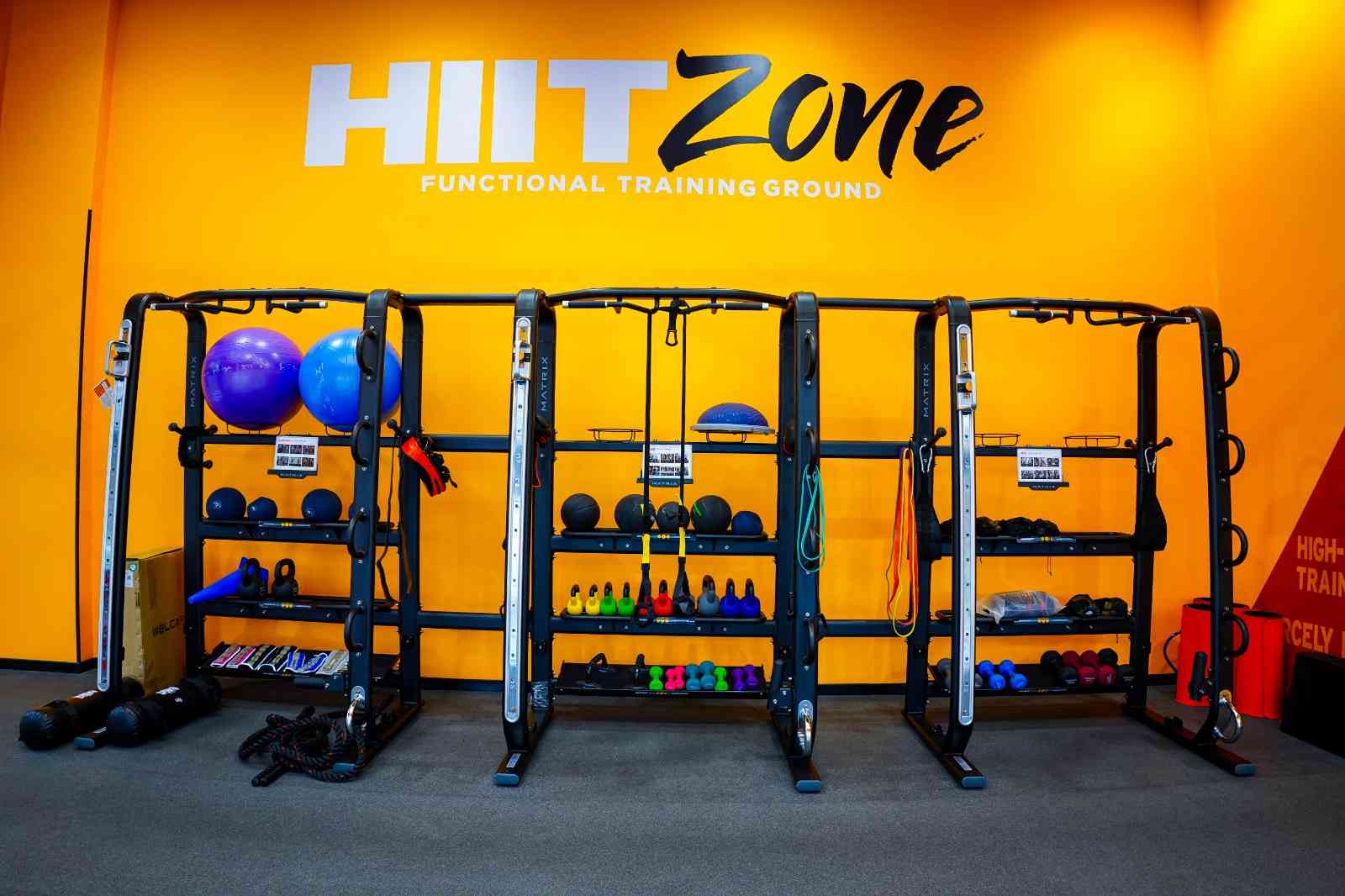
HIIT programs that are timed and push, but still sensible.
-
Functional training, not merely lifting, but rather moving in a practical way.
-
Recovery spaces, for breathing out the stress, and yeah, resetting.
-
Community events, because people stay when they feel recognized.
-
Wellness integration, so it is not only sweat, it is recovery too.
Customers now pick experiences, not only equipment. If members like the visit and they feel comfortable being around, they tend to stay for longer periods.
Quick check:
- What makes the workout journey unique?
- Does the brand actually build community?
- Is recovery included, not treated like an afterthought?
- Are classes standardized so results feel reliable?
In many cases, experience turns into the main competitive edge.
Conclusion
Getting a fitness franchise can be an exciting business move. The sector keeps expanding as more people start prioritizing health, strength, recovery, and everyday wellness routines.
But a franchise only becomes successful when the investor looks at retention, client experience, operations, the ability to scale, the kind of support you actually get and whether the model is sustainable long-term.
The hype on the opening day doesn’t set the pace. Instead, think about the long-term goals. Make a one-year plan. Then, member loyalty will follow, along with growth and expansion.
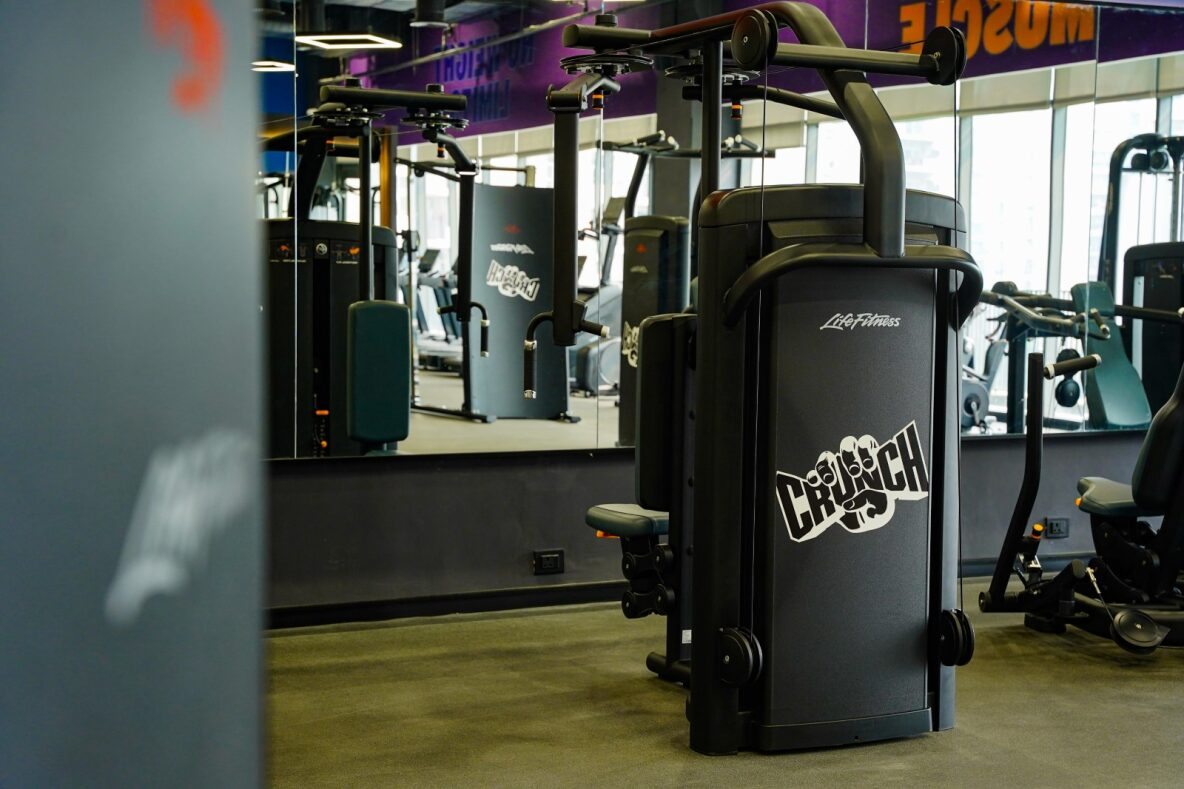
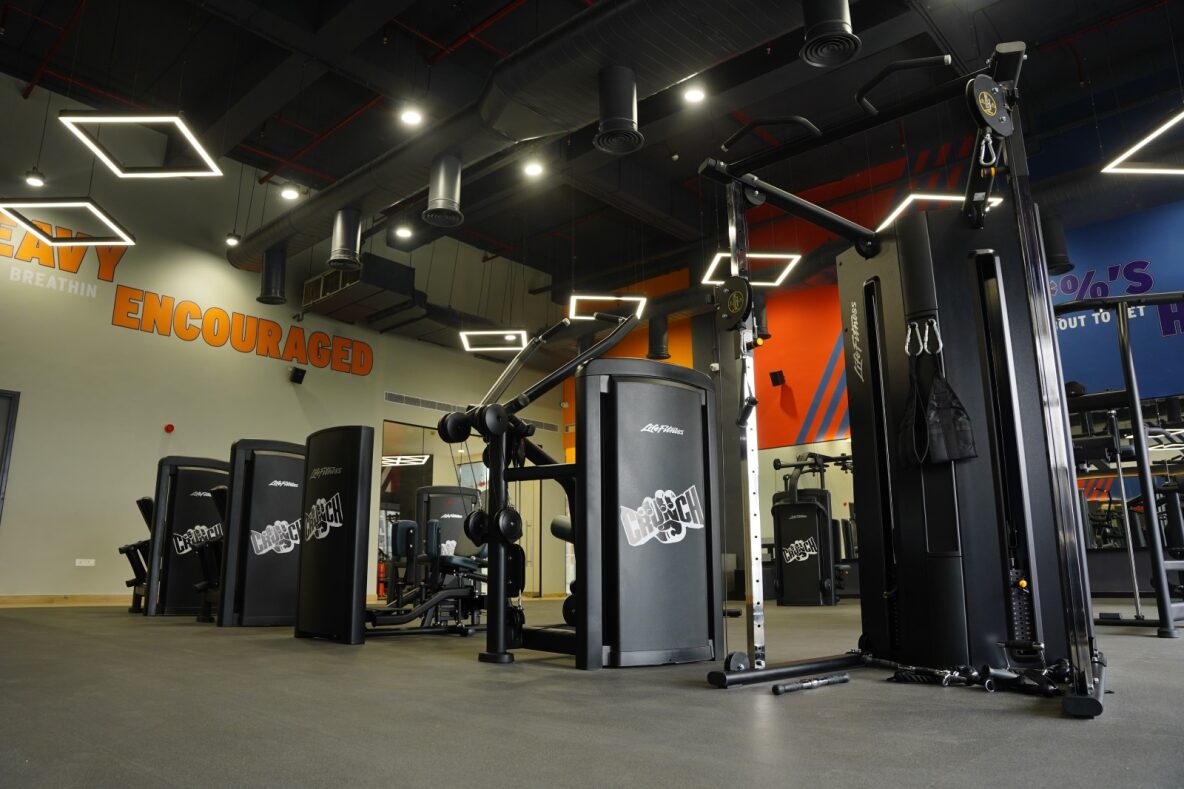
In fitness franchising, investing in the right franchise matters. Franchises like Crunch Fitness, that are built with clear thinking, solid research, and a real vision, are guaranteed to succeed.
Frequently Asked Questions (FAQs)
Q1. How much investment is usually needed to start a fitness franchise?
It depends, you know, on the brand, the location, the gym size, equipment choices, and what kind of facilities are included. In general, the costs can go from fairly moderate levels all the way to premium levels.
Q2. What is the most important factor to check before buying a fitness franchise?
You should really look at the brand reputation and whether member retention stays strong. Also, operational support matters a lot, plus the long-term profitability, which should be assessed before you commit.
Q3. How long does it take for a fitness franchise to become profitable?
That timeline depends on membership growth, how well the location performs, operating expenses, and the marketing push. Most people plan with a multi-year horizon in mind, just to be safe.
Q4. Do fitness franchises provide operational support?
Yes, most fitness franchises provide help with things like training, onboarding, marketing guidance, day-to-day operations, and launch activities, too.
Q5. Is location important when investing in a fitness franchise?
Yes, location is important. Demographics, nearby competition, how easy it is to get to, and local demand can all affect whether the gym really sticks and grows over time.
Explore More Articles


The fitness industry in Delhi is expanding rapidly because of three factors w... Read More
Th... Read More


The launch of a gym franchise is only the beginning of the journey. The actua... Read More


The process of starting a gym franchise in In... Read More

Where you place your gym matters most. Though b... Read More

Today, the fitness industry stands as one of the fastest-expanding business s... Read More




















<... Read More











































<... Read More

<... Read More

<... Read More

<... Read More

<... Read More

<... Read More

<... Read More

<... Read More









<... Read More

<... Read More

<... Read More

<... Read More

... Read More
CLOSEST CLUB
Your Local Crunch ...
SEE OUR MEMBERSHIP OPTIONS