
Rising health consciousness among the population, urbanization, and increased disposable incomes are the driving forces behind the growth of the fitness industry in tier-2 Indian cities.
The demand is on the rise and a very clear trend is being noticed: fitness franchises are growing quicker and their presence is more consistent in these areas than that of independent gyms. The gap between the two is not a coincidence.
It is a consequence of the different ways each business model is built to operate, invest, and grow. Franchise-led gyms enjoy the benefits of brand recognition, standardized systems, technology adoption, and access to capital which are all structural advantages that facilitate rapid scaling.
Hence, understanding these factors will be really beneficial for the fitness entrepreneurs who are looking to develop their business in Tier-2 cities.
Established Brand Trust Reduces Acquisition Time
Fitness franchises enter Tier-2 cities with pre-existing brand equity. Consumers are more willing to commit to memberships when the brand is familiar, nationally visible, and associated with standardised quality.
All franchise gyms profit from the same marketing campaigns and the brand goodwill in the area. Thus, if a family sees the same logo everywhere- on billboards, in advertisements, and on social media- that recognition speeds up the trust-building period.
On the other hand, a local gym has to go through the process of gaining trust in every neighborhood.
Impact on scale:
- Faster member acquisition
- Lower trust-building costs
- Higher conversion from walk-ins to paid memberships
Independent gyms must build credibility from scratch, which slows early growth.
Proven Operating Systems Enable Repeatability
Familiar routines already mapped out: store designs, staff drills, clean protocols, ad templates, all handed over ready-made. Mistakes shrink when steps come pre-tested; openings move faster because of it.
In a timing-sensitive market (seasonal promotions, festival discounts, and new-year signups), having a replicable playbook allows franchises to open up a number of outlets fast without having to come up with a new strategy for each location.
Franchise models are built on validated systems covering:
- Layout planning
- Equipment selection
- Class programming
- Hygiene and safety SOPs
- Sales and retention processes
This repeatability allows rapid rollout across multiple locations with predictable outcomes. Independent gyms often rely on owner intuition and experimentation, which limits scalability.
Centralised Procurement Lowers Unit Economics
The power of purchase is significant. Franchisees through franchisors join their demand together for all the outlets and get huge prices for machines, consumables (mats, resistance bands), branded apparel and technology subscriptions.
New outlets will need less initial capital to reach breakeven because of lower per unit costs. Independent retailers will pay full retail prices or small-batch prices and will most probably not have enough time to price or profit at par for the first months of operation.
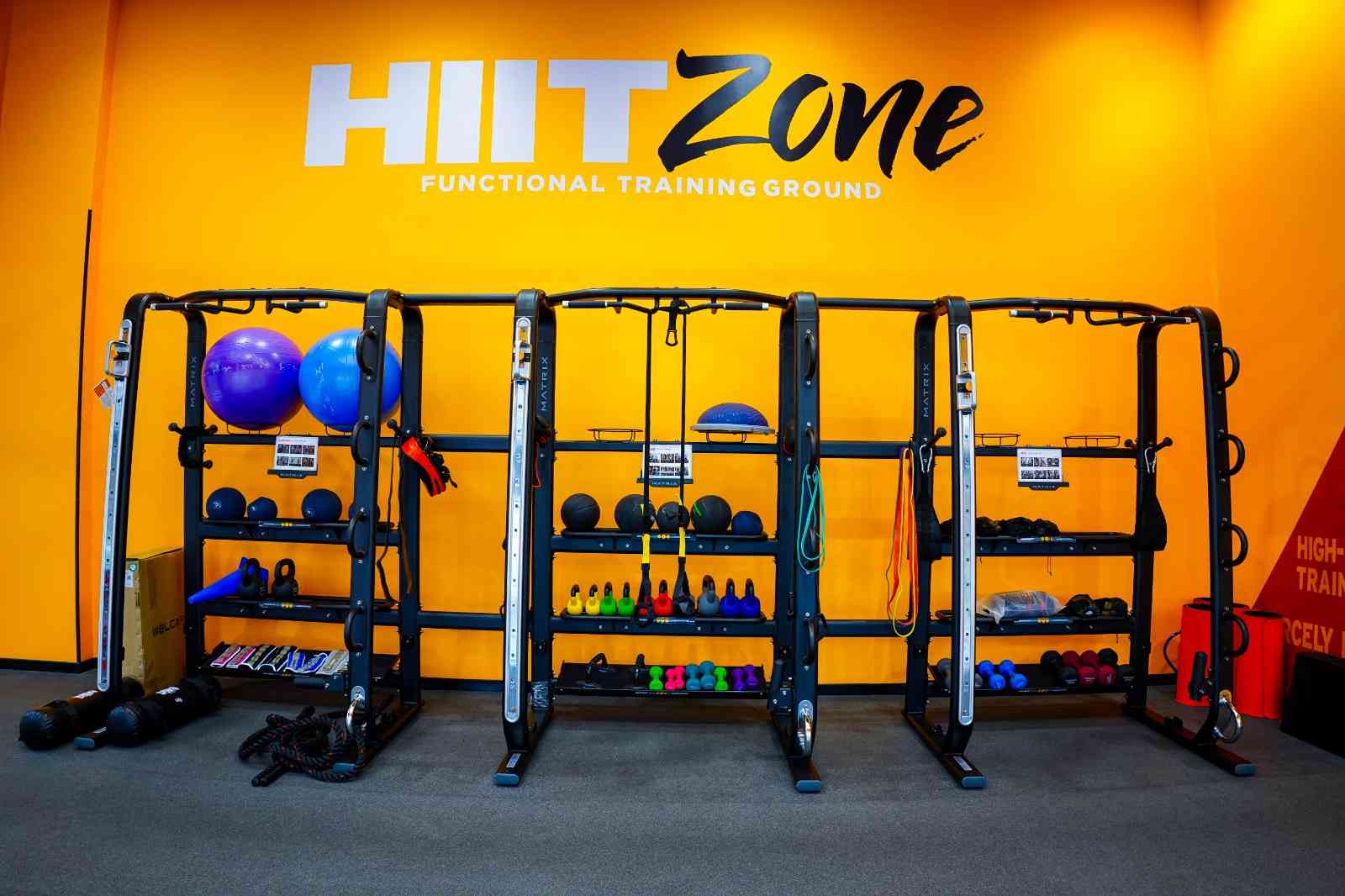
Franchises benefit from bulk procurement of:
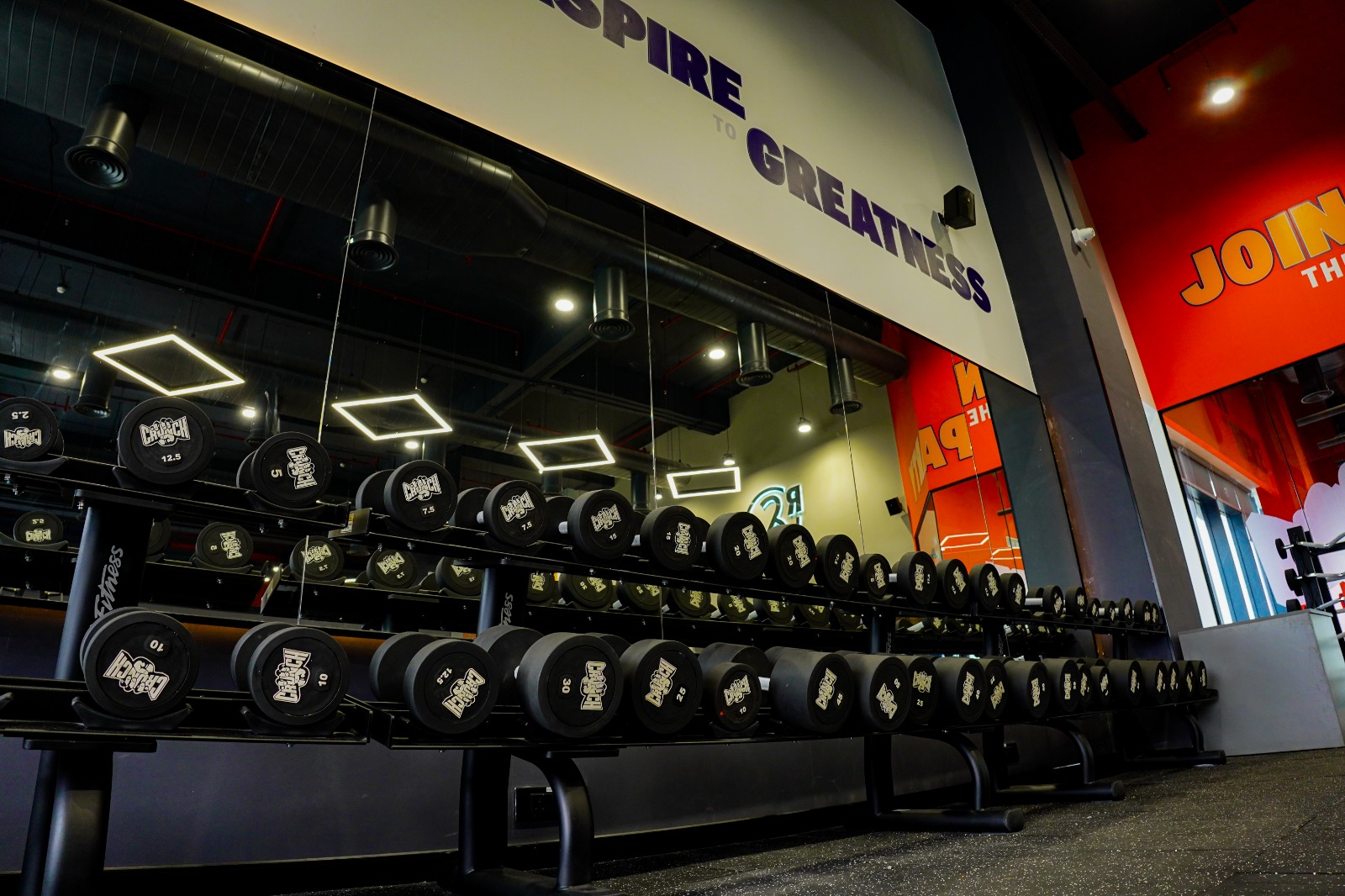
- Fitness equipment
- Flooring and interiors
- Software platforms
- Branded merchandise
Lower per-unit costs improve margins and reduce capital intensity for new outlets. Independent gyms typically pay higher prices and face longer break-even periods.
Structured Trainer Recruitment And Training
The swift expansion of a gym necessitates the presence of competent and trustworthy personnel. Franchises allocate funds for uniform training schemes, frequent updates, and occasionally, centralized recruitment and staff sharing.
That results in lesser turnover and uniformity in service across the outlets. Solo operators usually take on the double role of owner/manager and recruiter, and their insufficient training results in uneven quality of service to members, which in turn, hampers growth.
Franchises offer:
- Standardised onboarding programs
- Continuous upskilling
- Clear career progression pathways
This improves trainer retention and ensures uniform member experience across locations. Independent gyms often face higher attrition and inconsistent service delivery.
Technology-Driven Membership Management
Starting off, franchises often set up login areas, mobile tools, customer records software, and electronic payment options at every site they run. Such setups simplify signing people up, keeping them around, thanks to scheduled recharges plus alert messages, and targeting offers based on collected details.
Technology plays a very important role in Tier-2 cities where smartphone use is high as it offers convenience and expansion. Independents usually do not have the budget to set up smooth technology systems and therefore can grow only through word-of-mouth.
Most franchise models deploy centralised technology systems for:
- Membership tracking
- Class bookings
- Automated renewals
- CRM-based retention campaigns
- Digital payments
Integrated Marketing And Launch Support
A single marketing budget allows franchisors to run various campaigns in coordination through different channels; these are local radio, regional influencer partnerships, outdoor boards, festival promotions, and online ads.
Such extensive and varied marketing is costly and intricate for an independent owner of a single site. Besides, franchises are capable of doing promotional tests in one location and immediately moving the good ones to the next city allowing quicker membership growth.
Franchise brands typically support outlets with:
- National and regional campaigns
- Digital advertising frameworks
- Influencer partnerships
- Seasonal promotion calendars
This multi-channel approach drives faster awareness and footfall. Independent gym owners usually operate with limited marketing budgets and execution bandwidth.
Challenges Independent Gyms Face
Independent gyms typically struggle with:
- Capital constraints
- Higher operating costs
- Limited marketing reach
- Owner-dependent operations
- Difficulty maintaining consistency across expansion
While many succeed locally, scaling beyond one or two locations is operationally demanding.
Conclusion
The rapid expansion of fitness franchises in Tier-2 Indian cities is due to the planning and not the market coincidence. Franchises are designed to operate in a similar manner; they have centralised support and predictable economics that allow them to grow easily in different places at the same time.
Independent gyms may perform very well locally but they usually have limitations in capital, consistency, and operational bandwidth that hinder their scaling. The business model that is used determines the success in these markets.
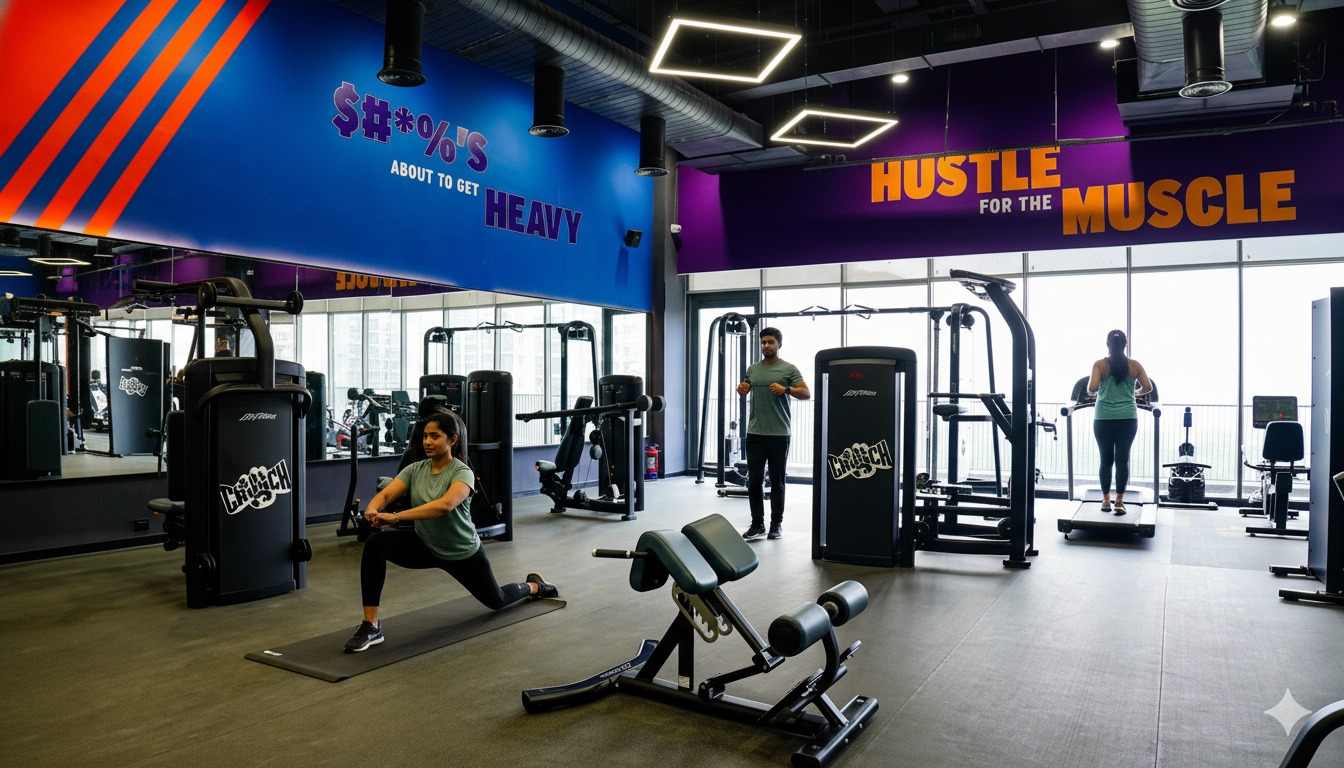
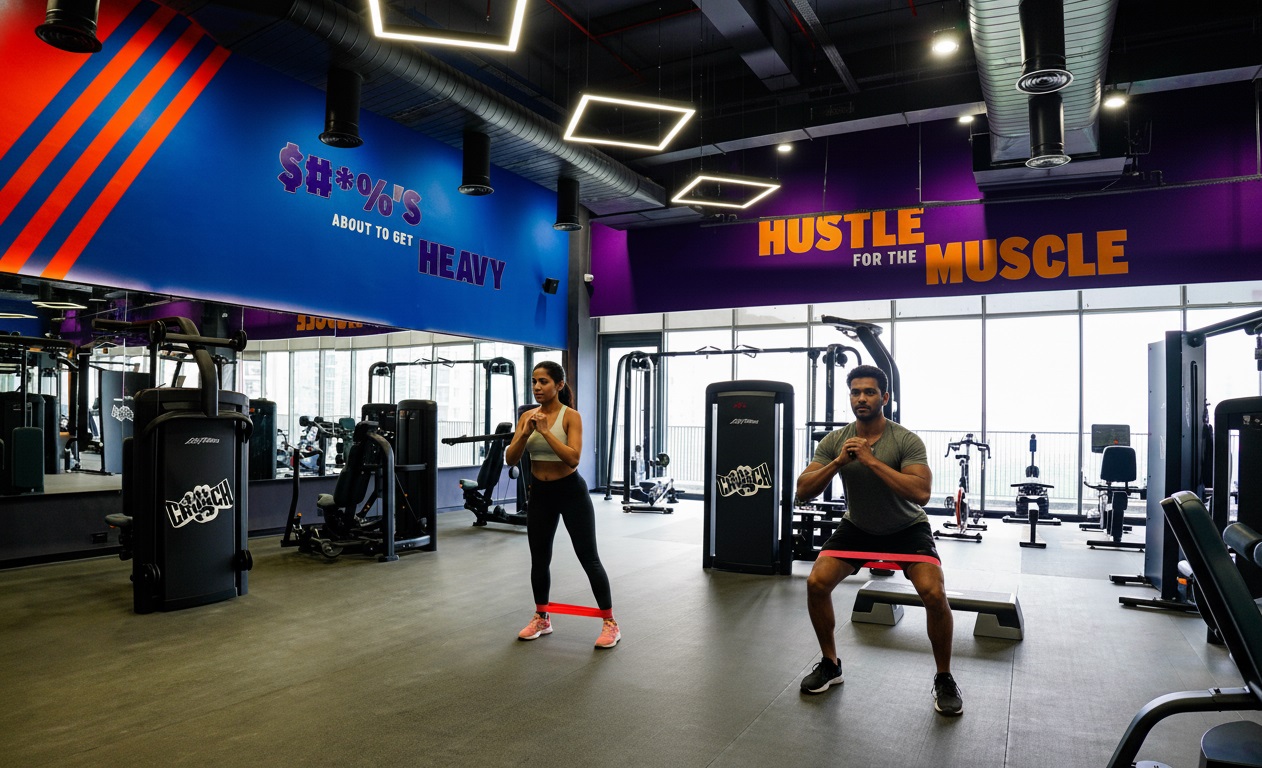
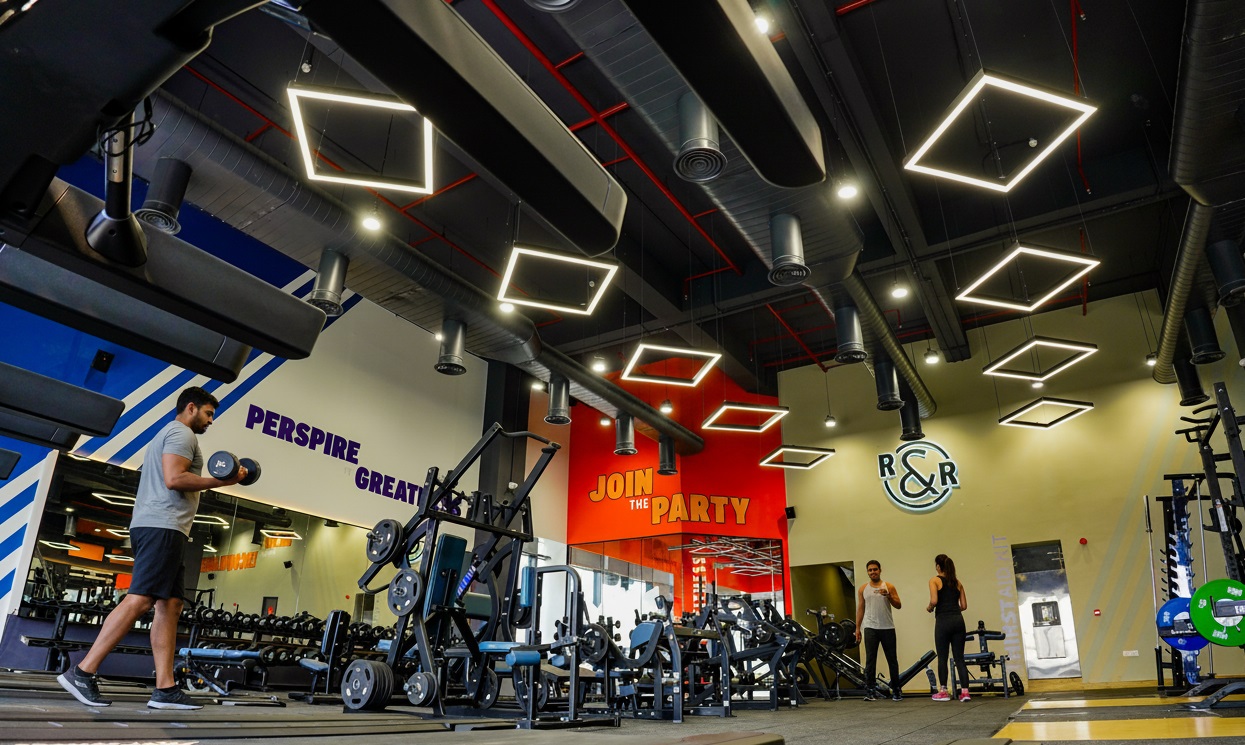
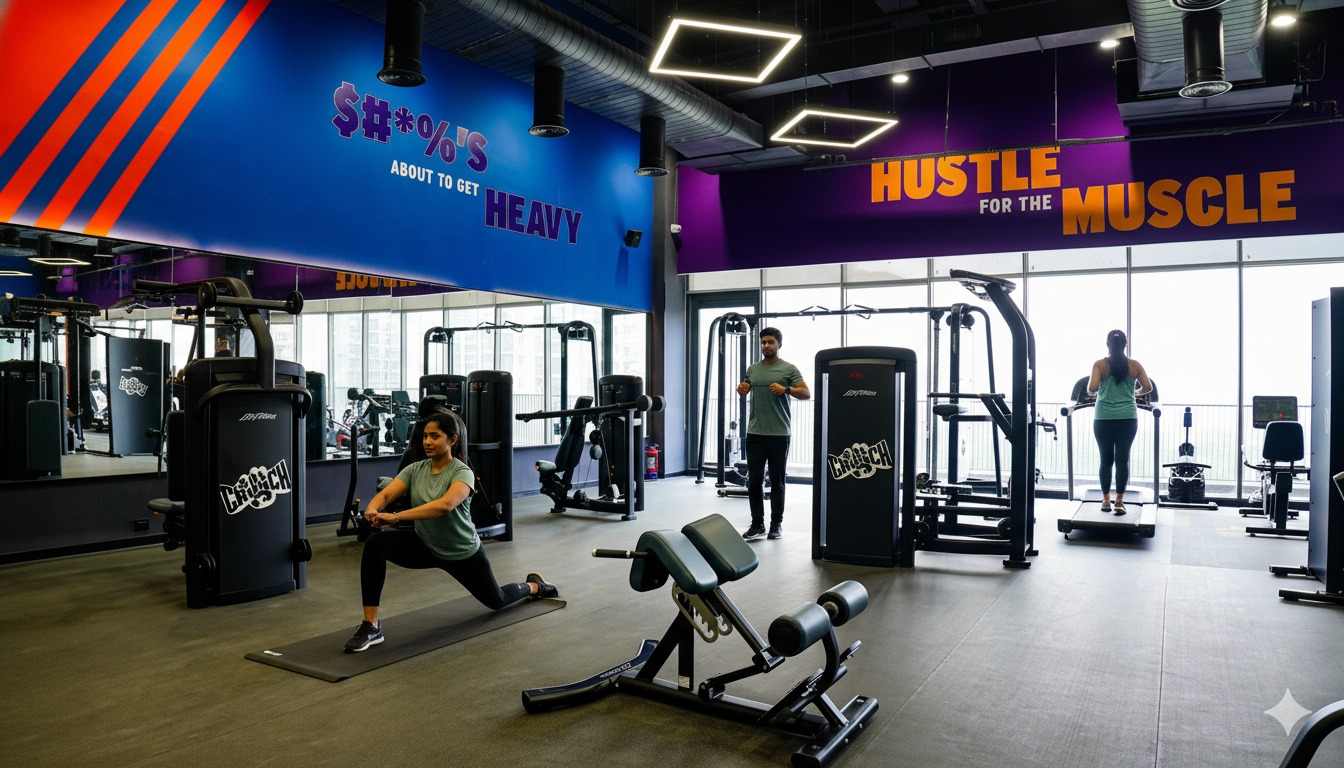
The franchise model like Crunch Fitness India gives practitioners the benefit of being in the right place at the right time when it comes to the changing fitness scene of Tier-2 India.
Frequently Asked Questions (FAQs)
Q1. Which gym franchise is most profitable in India?
A franchise's success often ties to where it is, how much money goes in, how smoothly things run, followed by what members pay each month. A franchise like Crunch Fitness India that already has name recognition, handles ads from one hub, and uses uniform processes, it ensures success.
Q2. What is causing the rise of the fitness industry?
There is a considerable amount of health awareness that is constantly on the rise and lifestyle-related diseases; people's disposable income is getting higher and urbanization is taking place, all these along with digital media are making people more and more aware of global fitness trends, and thus the industry is growing.
Q3. Why are Tier-2 cities attractive for gym franchises?
The cities that are Tier-2 are less costly in terms of real estate, they have less market saturation, and a middle class that is growing is looking for organized fitness solutions; all these factors make Tier-2 cities ideal for the expansion of franchises that are scalable.
Q4. Is it easier to get funding for a franchise gym than an independent gym?
Absolutely. Banks and investors normally consider franchise gyms to be of lesser risk because of the support of the brand, the existence of a good business model, and the availability of performance data.
Q5. Can independent gyms compete with franchise gyms in Tier-2 cities?
Some smaller fitness centres stay competitive through unique programs and one-on-one attention, yet expanding to many locations isn’t easy. What helps is building close ties within their community instead of trying to grow fast.
Explore More Articles

The fitness industry in Delhi is expanding rapidly because of three factors w... Read More
Th... Read More
The launch of a gym franchise is only the beginning of the journey. The actua... Read More
The process of starting a gym franchise in In... Read More
Where you place your gym matters most. Though b... Read More
Today, the fitness industry stands as one of the fastest-expanding business s... Read More








<... Read More




























<... Read More

<... Read More

<... Read More

<... Read More
<... Read More

<... Read More

<... Read More
<... Read More








<... Read More
<... Read More
<... Read More

<... Read More

... Read More
CLOSEST CLUB
Your Local Crunch ...
SEE OUR MEMBERSHIP OPTIONS