
To a certain extent, the global fitness trends dictate the operation of modern gyms, the preference of customers for the workouts and the expectation of the members in the different regions of the world.
However, when the trends come to India, the gym franchises can’t just adopt them as they are and will have to modify them. The differences in culture, climate and consumer behavior along with the sensitivity to price and the awareness of fitness, require careful adaptation.
The Indian gym franchises chose to follow a localised approach which required them to adapt international fitness programs according to the specific needs of their local markets while maintaining their essential operational functions.
Let’s see how global franchises make themselves accessible and engaging, and establishes permanent presence in the rapidly changing and diverse Indian fitness market.
Understanding Global Fitness Trends
International fitness trends originate from countries where people frequently visit gyms and their market demand for fitness services shows established patterns of consumer behaviour. The most common fitness trends include:
- Boutique fitness studios (Pilates, barre, spin)
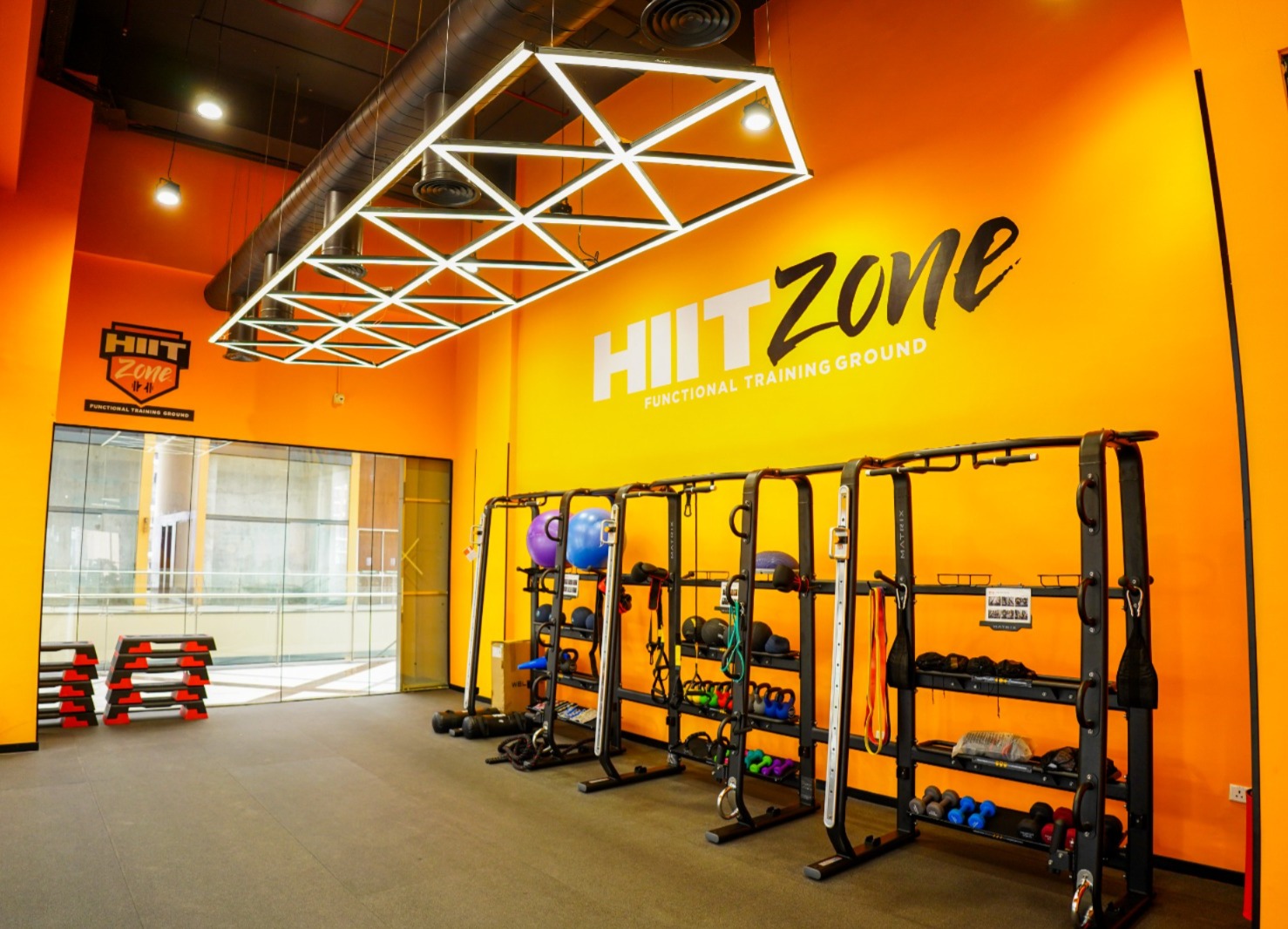
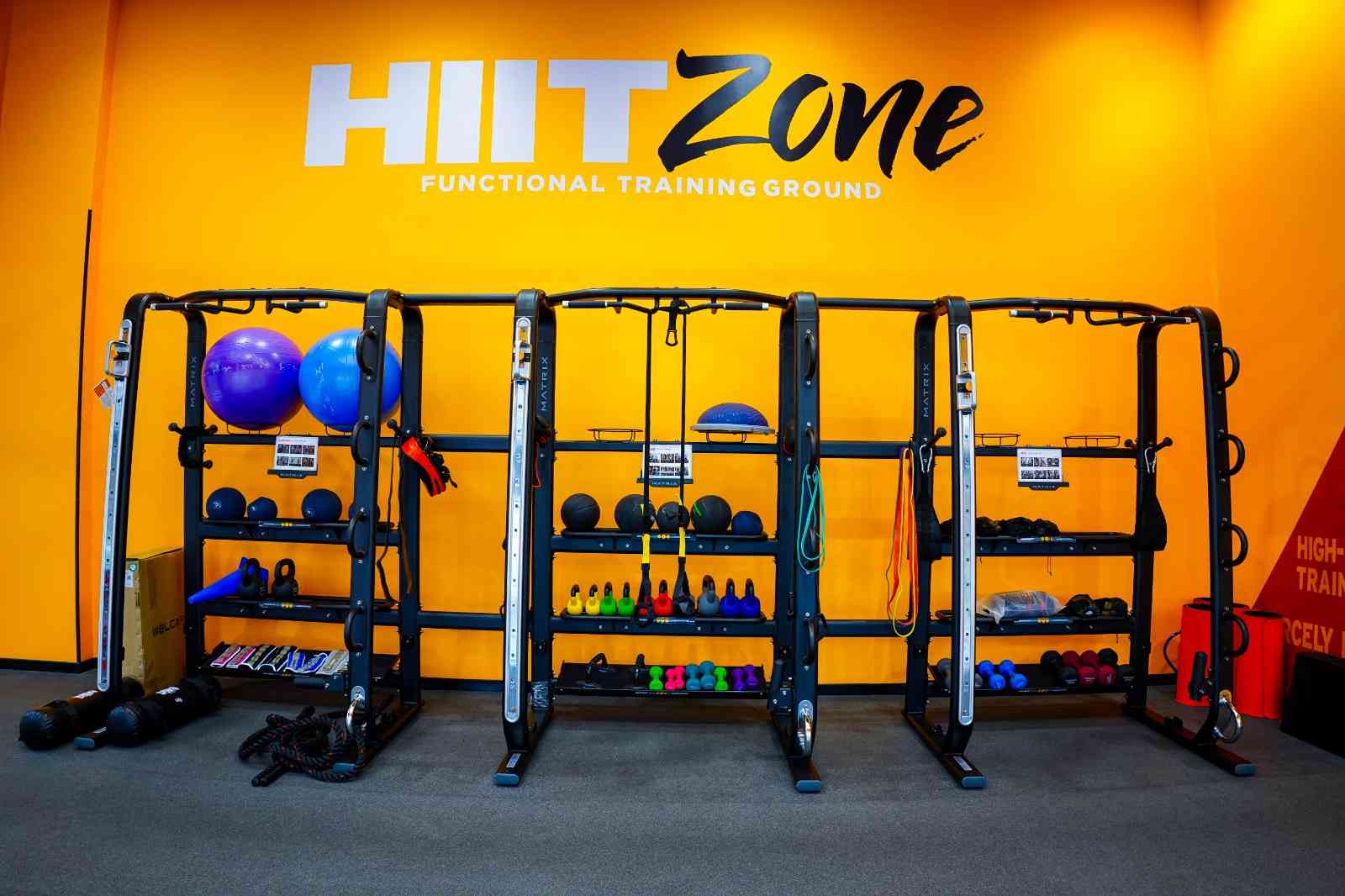
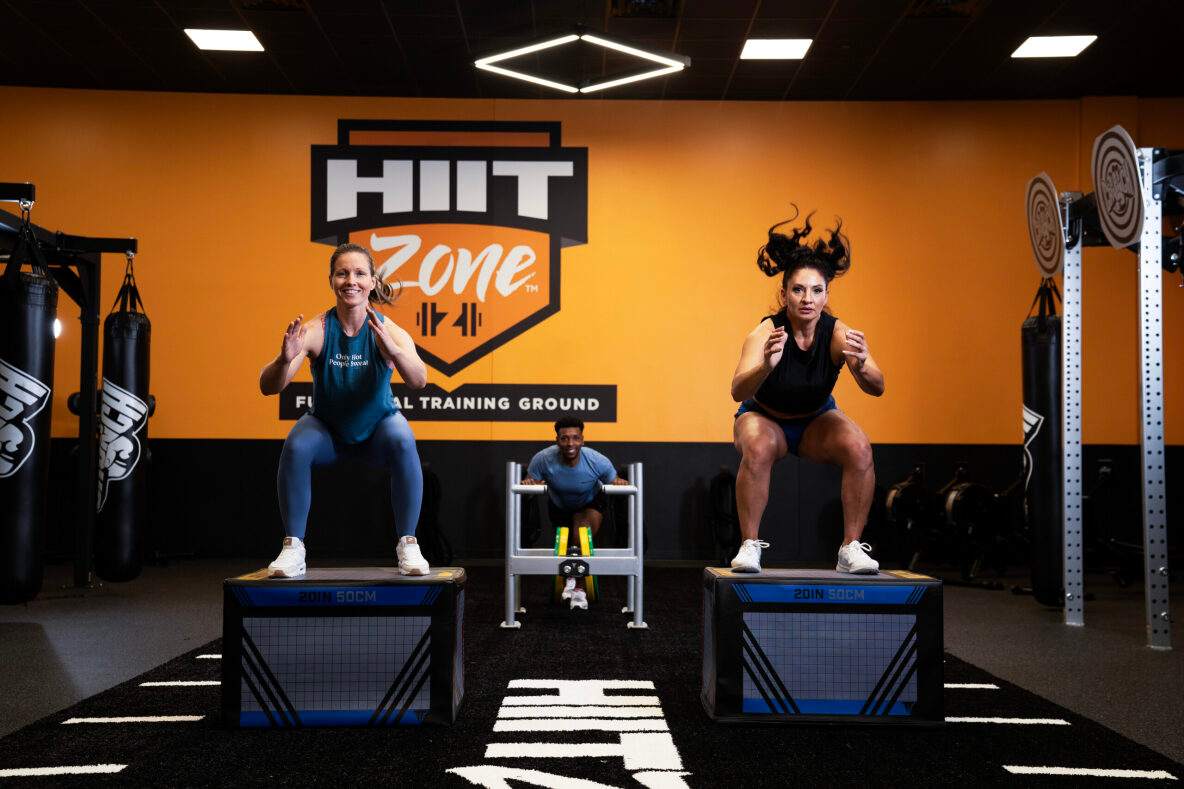
- High-Intensity Interval Training (HIIT)
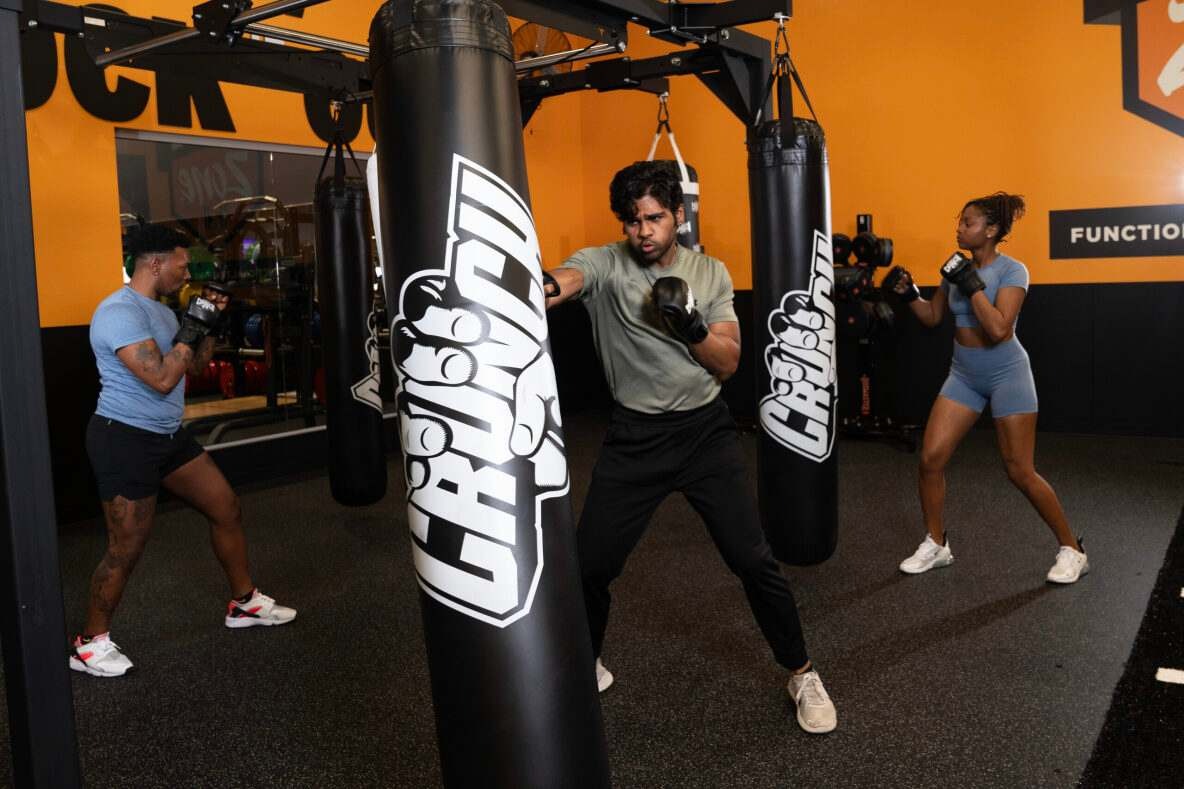
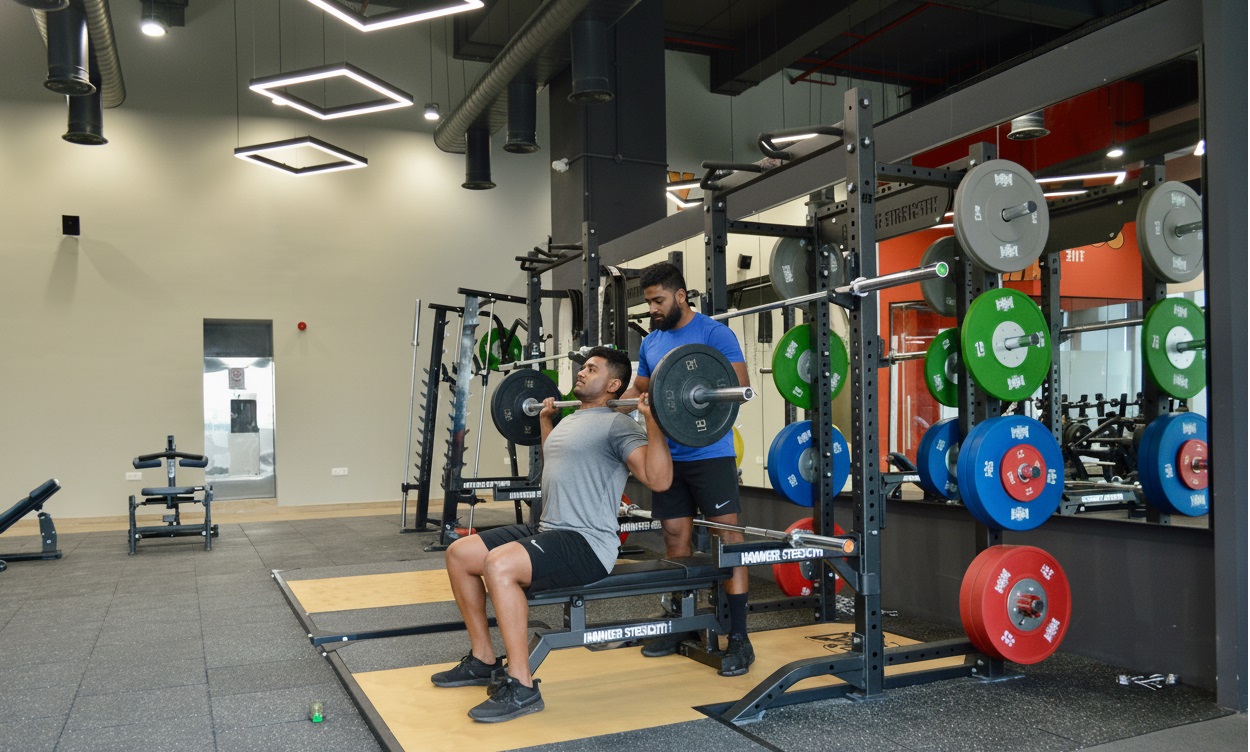
- Functional and strength-based group training
- Hybrid fitness models, which provide both digital and in-gym training options
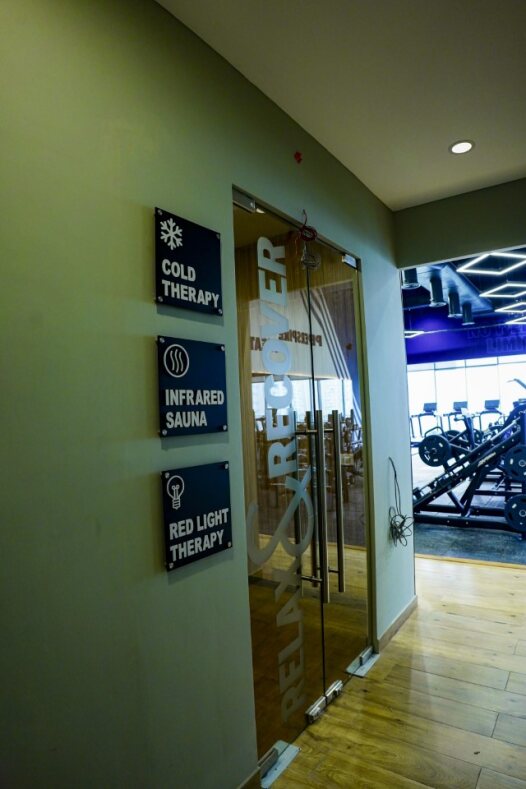
- Recovery-focused services which include mobility training, saunas, and guided stretching
The international franchise system shows strong appeal to Indian franchises because it establishes pre-existing market validation, together with complete training programs, brand development systems and operational manuals.
Why Direct Replication Does Not Work in India
Indian fitness consumers differ significantly from Western markets in several ways:
- Wider income diversity within the same city
- Strong preference for group motivation
- Language and cultural diversity
- Higher sensitivity to pricing and long-term value
- Different work schedules and climate conditions
As a result, international fitness formats must be adapted rather than replicated to succeed in India.
Key Ways Global Fitness Trends Are Localised in Indian Gym Franchises
1. Programme Design and Intensity Adjustments
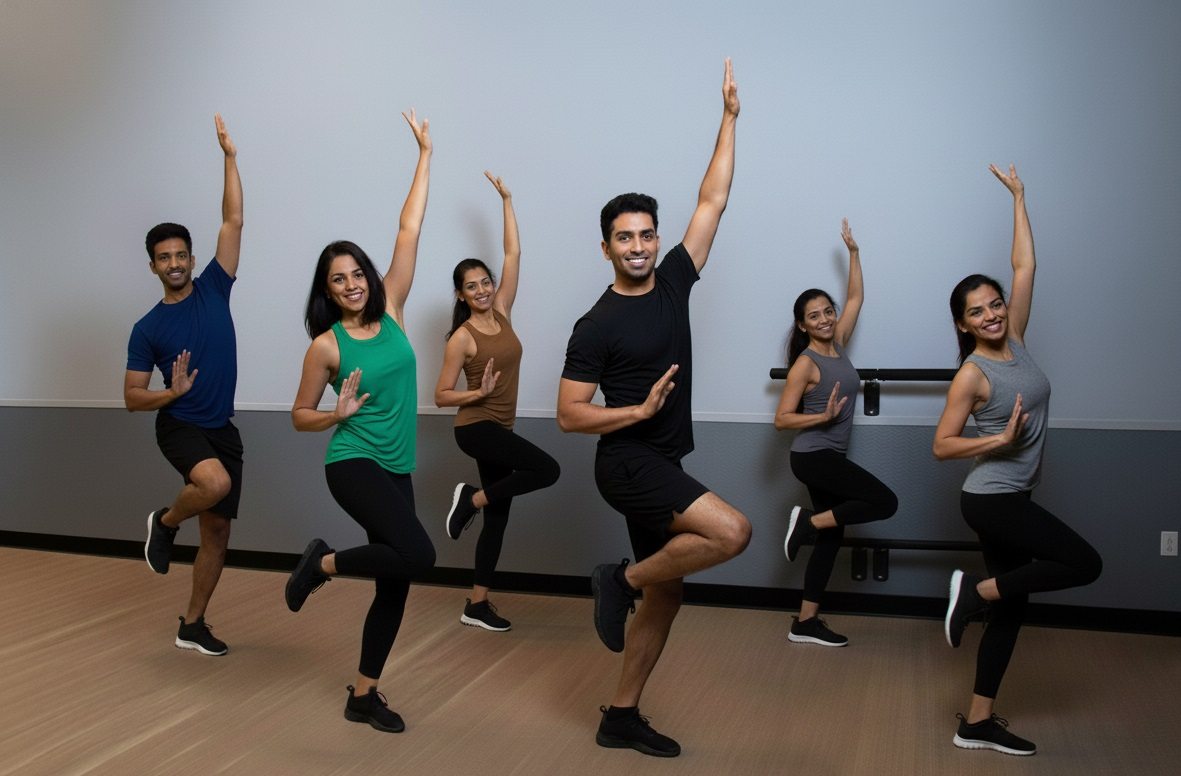
The design of workout formats has been changed to better suit the Indian fitness standards and requirements. The implementation of high-intensity programmes begins with their easier versions which provide beginner-friendly training methods and shorter training periods.
The system improves gym access for new users while enhancing their capacity to maintain their membership.
2. Language, Music, and Instruction Style
Instructor communication is one of the most significant localisation tools. While the structure of a global class remains intact, delivery is adapted using:
- Regional languages or bilingual instruction
- Locally familiar music playlists
- Culturally relatable cues and motivation styles
The approach establishes better engagement with people, while the two international formats remain too challenging for them to handle.
3. Pricing and Membership Structuring
Indian gym franchises rarely rely on single-price premium models. Instead, they localise global trends by:
- Introducing tiered memberships
- The company provides class packs as an alternative to their monthly subscription service.
- The company creates flexible pricing options that students, seniors, and corporate members can use.
- The system enables premium worldwide concepts to exist together with mass market accessibility.
4. Recovery and Wellness Adaptation
The Indian wellness system needs guided mobility, thermal therapies, and stretching exercises, which are used in global recovery programs. Franchises often integrate:
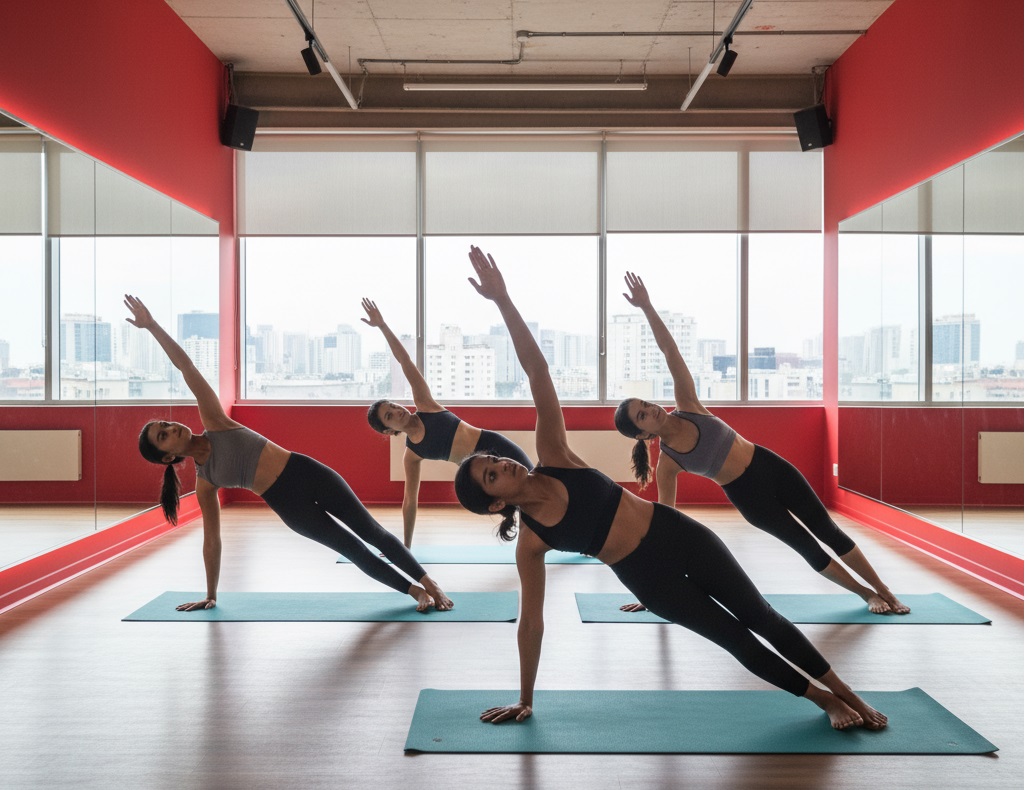
- Yoga-inspired mobility work
- Breathwork sessions
- Injury-prevention and posture-focused classes
This makes recovery feel relevant to Indian culture, while people understand preventive health practices in their country.
Operational Changes Supporting Localisation
Instructor Training
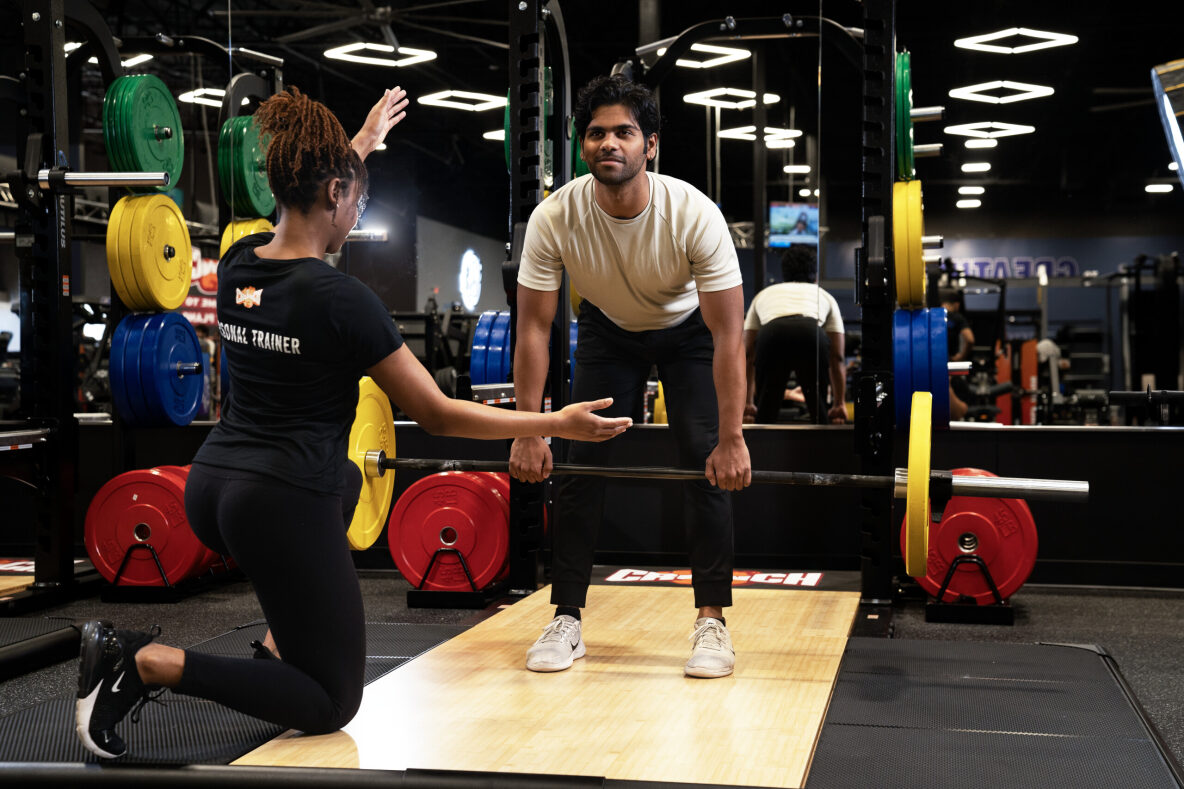
Franchises spend substantial funds on instructor training which enables instructors to teach global content through customised communication methods and localised pacing and classroom management techniques. The organisation develops internal certification programs that help maintain uniformity between different urban locations of its business operations.
Facility Design
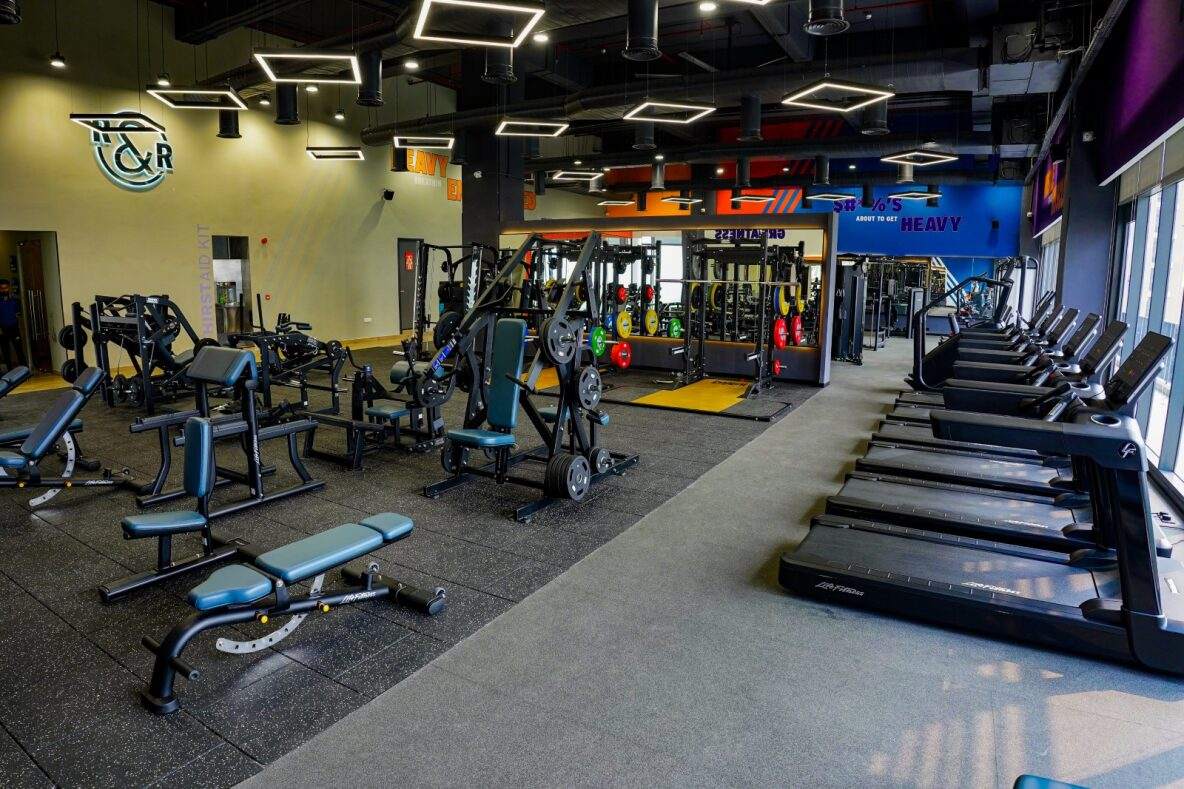
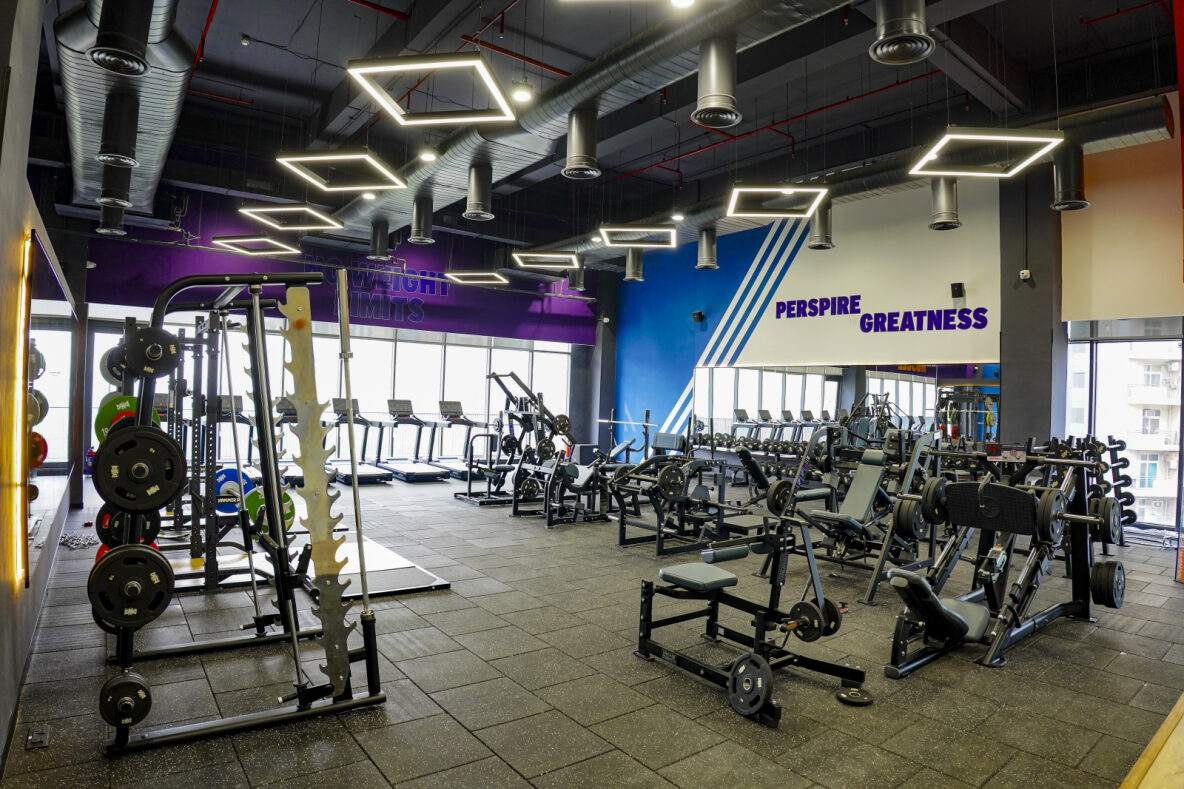
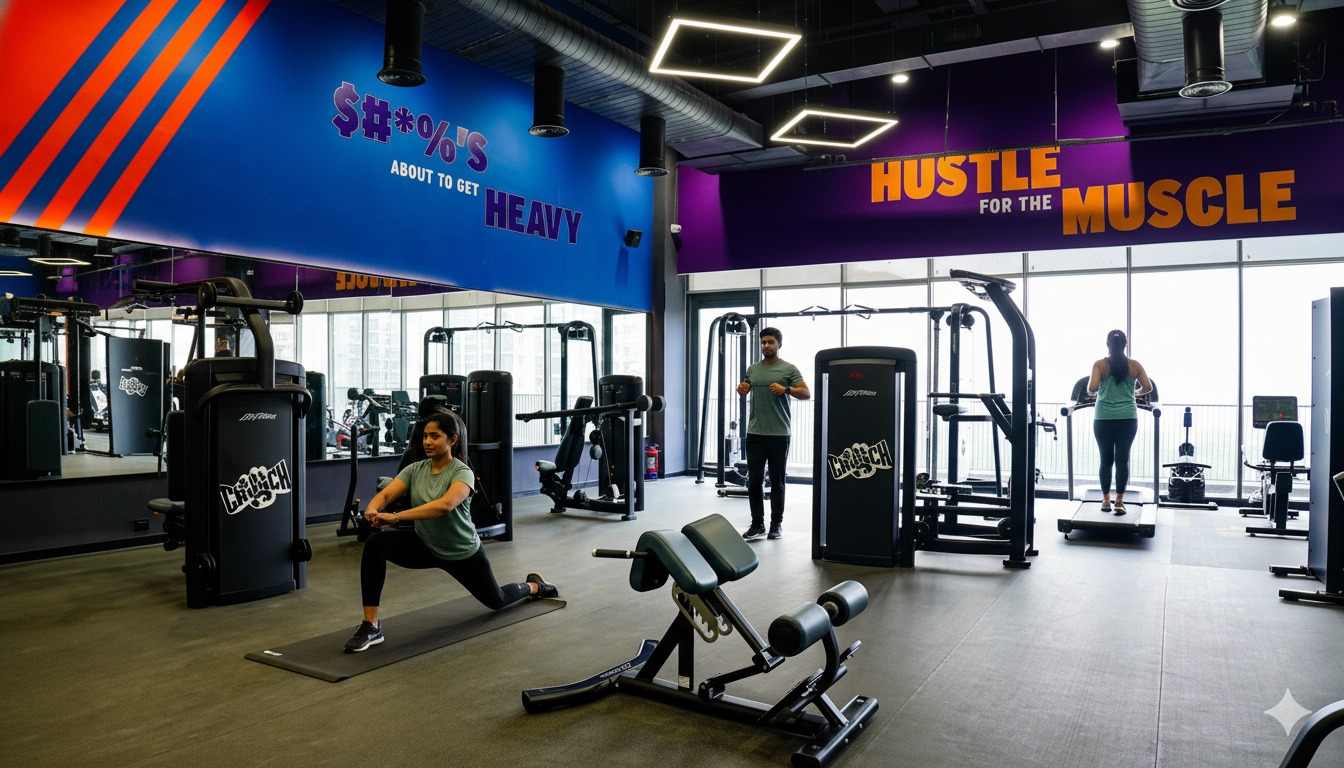
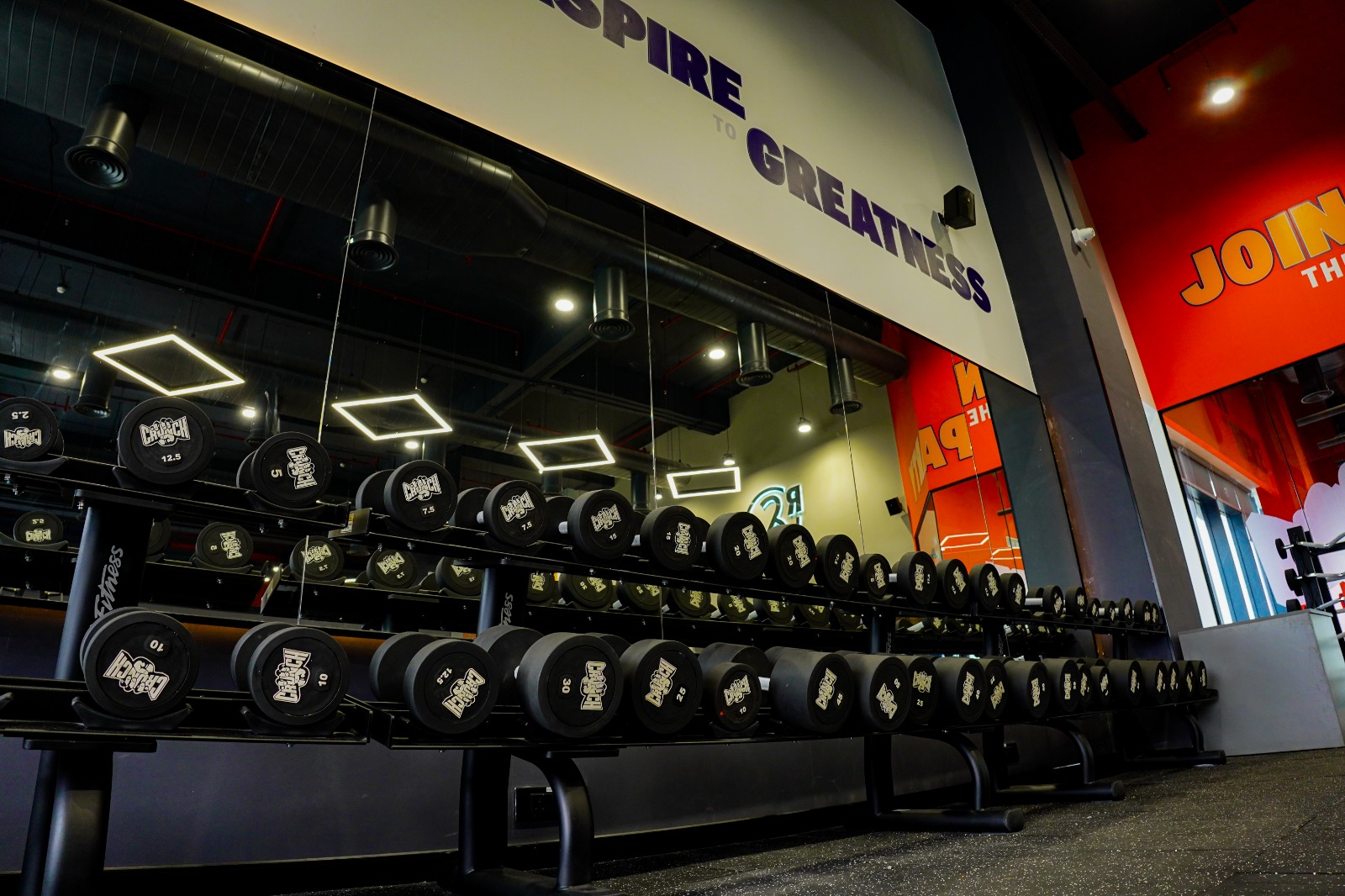
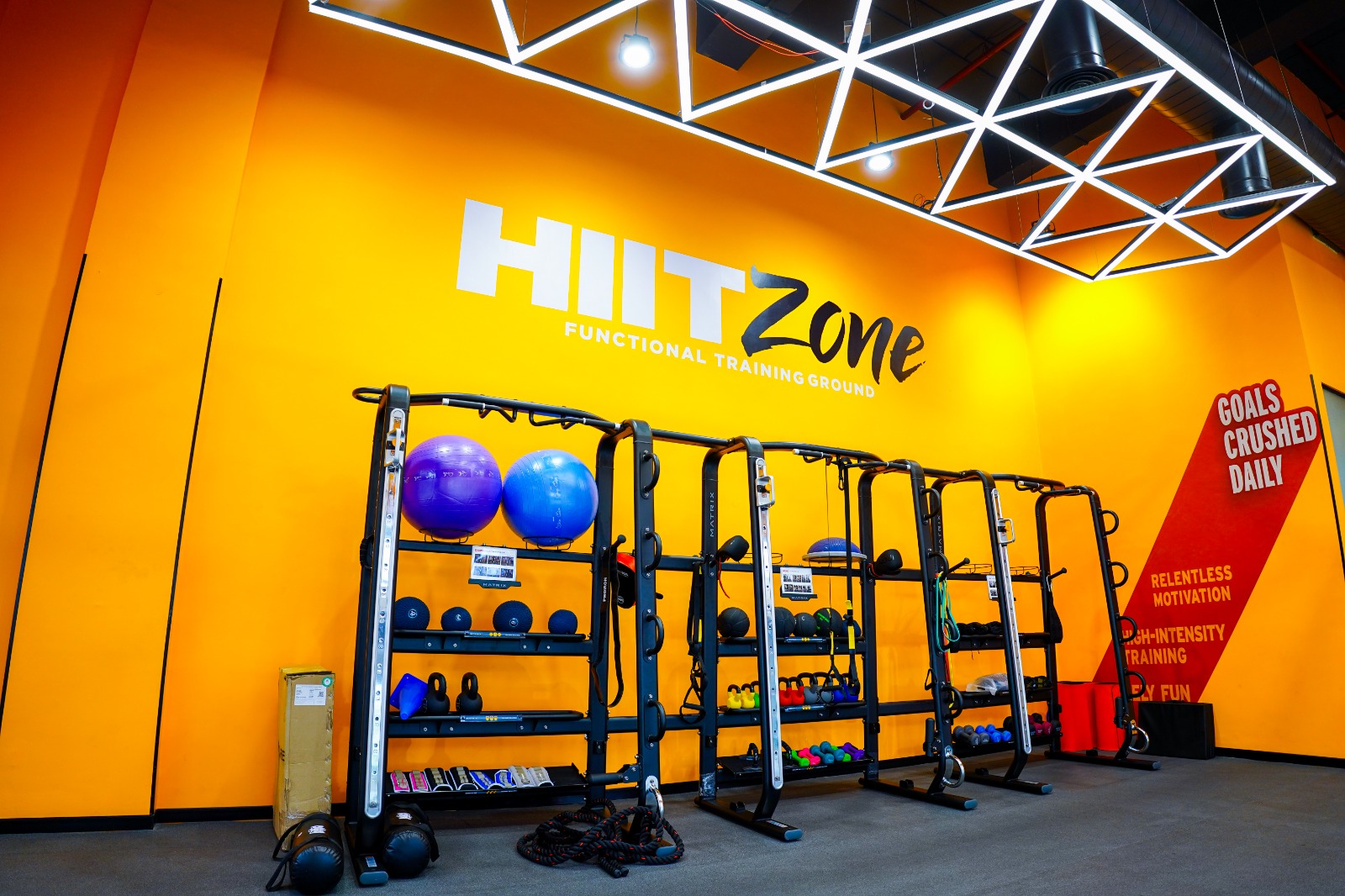
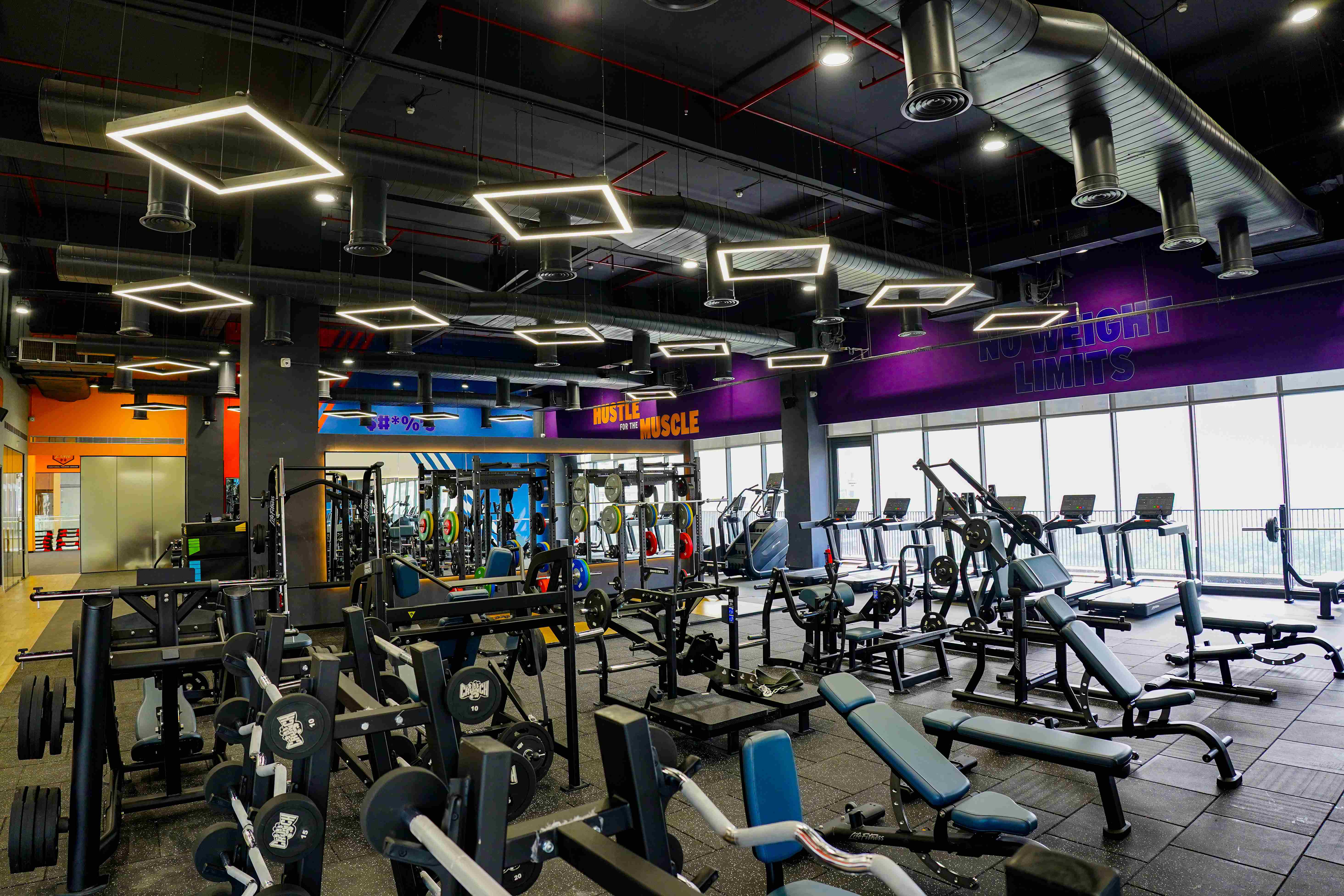
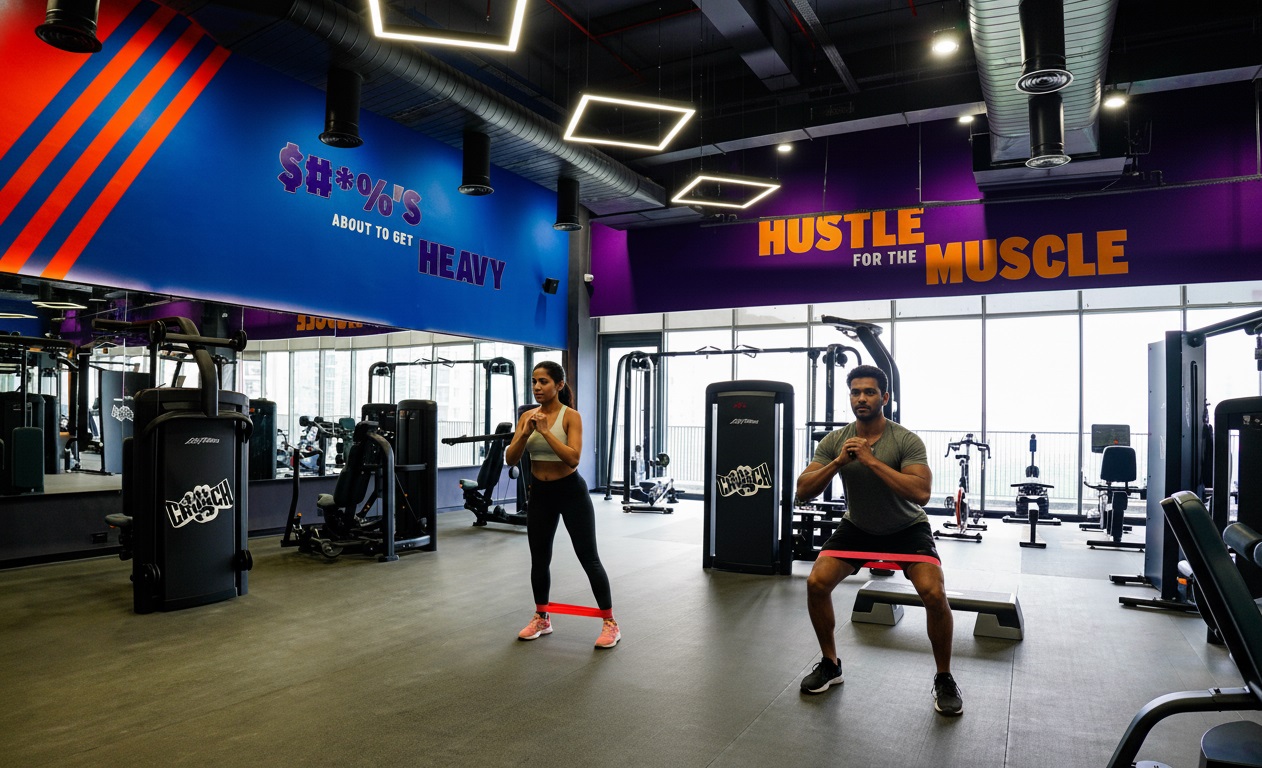
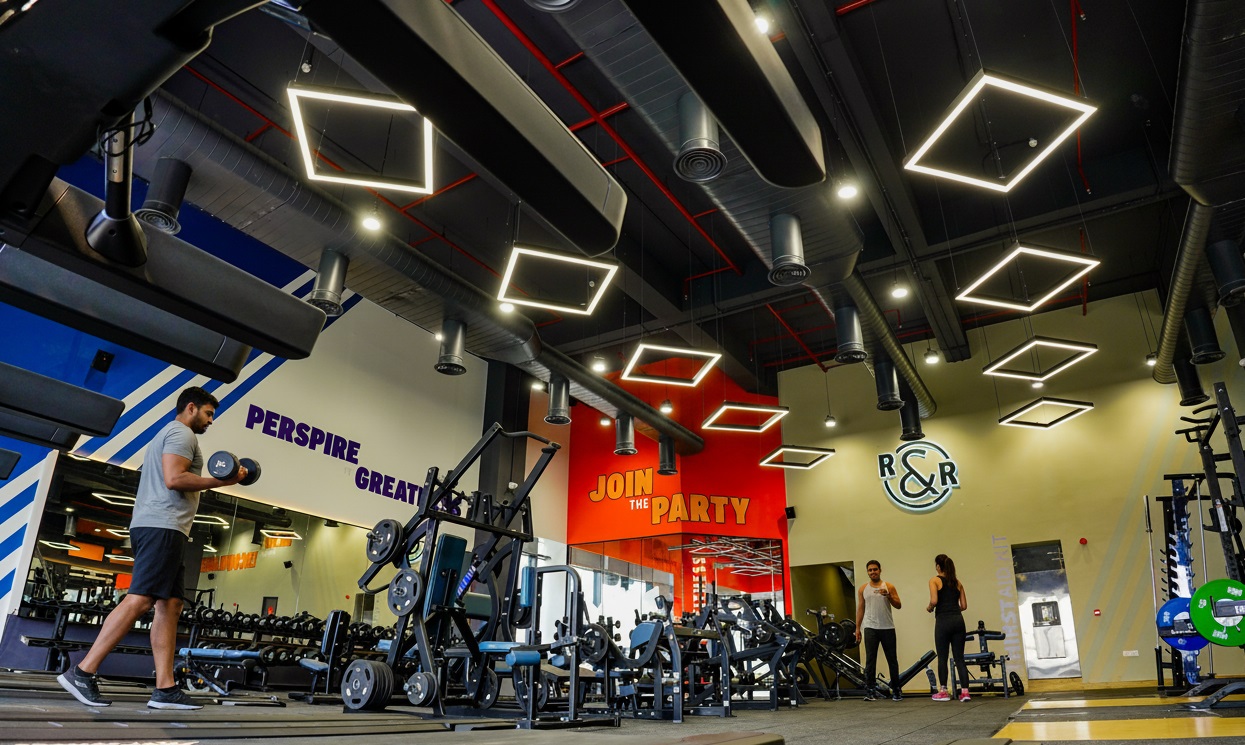
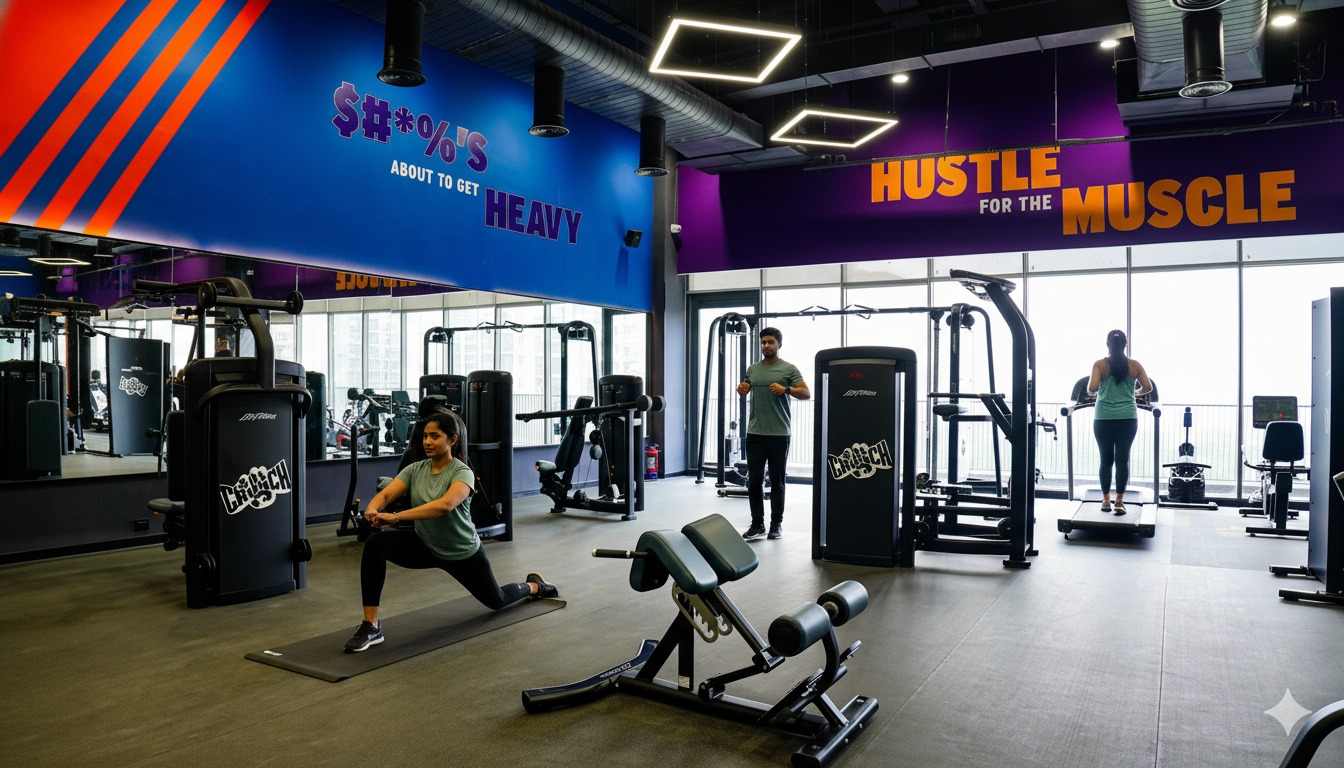
Studio sizes and equipment density, together with class schedules, undergo modifications according to both real estate limits and actual local customer movement patterns. The industry trend shows a preference for small spaces, which deliver high operational efficiency instead of the large studio spaces that Western markets typically use.
Challenges in Localising Global Fitness Trends
- Balancing brand consistency with regional flexibility
- Managing the higher operational costs of specialised equipment
- Retaining trained instructors at scale
- Preventing dilution of the original programme quality
Successful franchises address these challenges through phased rollouts, pilot testing, and continuous member feedback loops.
Why Localisation Drives Growth for Indian Gym Franchises
Localisation enables:
- Faster adoption of new formats
- Lower dropout rates among beginners
- Broader demographic reach
- Better unit economics in price-sensitive markets
Rather than weakening global fitness concepts, localisation strengthens them by making them practical and sustainable in the Indian context.
A Quick Localisation Playbook For Franchise Owners
Pilot small, learn fast. Run a 6–8 week pilot with modified class lengths and local music. Measure retention and referrals.
Build instructor scripts that include local phrases and culturally resonant cues.
Offer a flagship premium class + affordable group options and micro-memberships (10-class packs, lunchtime passes).
Partner with nearby nutrition brands, physiotherapists, or corporate HR teams to create value-added bundles.
Use recorded classes to keep low-engagement customers active, while reserving signature live classes for in-studio monetisation.
Create a local certification that keeps quality consistent while retaining the brand’s global DNA.
Conclusion
The ground on which global fitness trends can be successful with Indian gym franchises is Localisation. Franchises connect the international concepts with the local expectations through the modification of workout intensity, pricing structures, communication styles, and delivery formats.
This strategic adaptation of fitness improves the participation rate, retention, and operational viability among different Indian markets. Localisation not only strengthens but also makes the global standards more inclusive and relevant by providing more localised experiences.
The fitness industry in India is growing, and franchising a gym like Crunch Fitness India means that your unit will lead the market in the future and become trusted by its members for a long time.
Frequently Asked Questions (FAQs)
Q1. What is the fitness trend in India?
The main fitness trend that exists in India currently emphasises functional training together with group workouts and complete wellness practices. Gyms today offer strength training together with HIIT and mobility training and recovery sessions, while they also provide digital fitness programs and customised coaching, which enables users to exercise according to their particular fitness needs.
Q2. Why do global fitness trends need localisation in India?
Global fitness trends need to develop localised versions that match Indian fitness traditions because of India’s diverse cultural heritage and its citizens’ different price points and their understanding of fitness and its climate elements. The process of localising global formats enables Indian gym members to access and understand the content while maintaining its enduring value to their local community.
Q3. Which global fitness formats are most successful in Indian gyms?
The fitness programs, which include HIIT, functional training, strength-based group classes and yoga-inspired mobility, together with hybrid digital workouts have gained popularity because they offer flexible exercise options that deliver measurable fitness results.
Q4. How do Indian gym franchises adapt pricing for global fitness trends?
Franchises implement multiple membership tiers together with class packs and flexible subscription options, which enable them to offer high-quality services while maintaining affordability for their entire customer base.
Q5. Do localised fitness trends improve member retention?
Yes. The use of local programs decreases participant intimidation while it enhances their comfort levels, which results in higher attendance rates and better member retention through their complete exercise program.
Explore More Articles

The fitness industry in Delhi is expanding rapidly because of three factors w... Read More
Th... Read More
The launch of a gym franchise is only the beginning of the journey. The actua... Read More
The process of starting a gym franchise in In... Read More
Where you place your gym matters most. Though b... Read More
Today, the fitness industry stands as one of the fastest-expanding business s... Read More





<... Read More






















<... Read More

<... Read More

<... Read More

<... Read More
<... Read More

<... Read More

<... Read More
<... Read More








<... Read More
<... Read More
<... Read More

<... Read More

... Read More
CLOSEST CLUB
Your Local Crunch ...
SEE OUR MEMBERSHIP OPTIONS