
Fitness maintains its importance because everything else in the world experiences doubt. The need to exercise and maintain health and strength persists even though markets and consumer interests and trends experience constant change.
Fitness exists as a distinct business model because its main operations function throughout the entire day. People establish gym attendance as a habitual practice because they visit gyms from dawn until after work for exercise.
Fitness franchises have achieved sustainable success because their business models enable them to face challenges and maintain their ongoing development through difficult times.
Fitness is a Non-Negotiable Human Need
Fashions change. Appetites shift. But the body never stops asking for movement. Fitness franchises don’t rely on impulse buying. The requirements of their work process need four specific physical abilities which include strength, mobility, endurance, and recovery abilities.
People continue to suffer from back pain, weight gain, stress, lifestyle diseases and low energy throughout both economic boom and downturn periods. People search for safe and established places to manage their difficulties.
This is why, even during uncertain periods, gyms don’t disappear; they adapt. Workouts become shorter. Memberships become more flexible. Group classes become community anchors. The core demand remains intact.
Resilience starts here: when demand is tied to health, not luxury.
Habit Beats Hype Every Time
The power of habits always wins against temporary trends. A successful franchise relies on established patterns, while fitness businesses derive their success from customer routines.
When members create their exercise schedule, which includes three evening workouts and one Sunday session and ten minutes of post-workout stretching, then they establish a regular exercise routine.
The process of breaking that behavior becomes more difficult than maintaining it. This situation differs from discretionary spending which allows customers to delay their purchases whenever they choose.
The business model of franchising creates stronger results according to this pattern. The system provides members with essential information through its standard design, its known class names, its familiar instructors and its scheduled class times.
Starting fresh somewhere familiar helps. Each person gets it without needing explanations, especially when streets change but the purpose stays put. Comfort often comes from what feels familiar, offering a quiet kind of safety. Staying put usually follows when that feeling takes hold.
Fitness Adapts Faster Than Consumer Behaviour Changes
The rate of fitness changes more swiftly than consumer behavior patterns undergo transformation. Fitness franchises display better resilience against business disruptions because they can adapt their service methods while maintaining their original product offerings.
- Tighter schedules lead to shorter workout sessions.
- People who prefer to avoid crowded spaces choose personal training and small group sessions.
- Wearable devices, online classes and hybrid coaching systems become fully compatible as technology advances.
The core promise: helping people move and feel better, remains unchanged. Only the format does.
Strong franchises institutionalise this adaptability. The system implements new formats together with recovery zones, specialised classes, and flexible memberships across all locations. The speed of the process holds significant importance.
Community Is the Hidden Asset on the Balance Sheet
A fitness franchise operates effectively through its gym equipment and mirrors and its staff members who maintain a sense of familiarity.
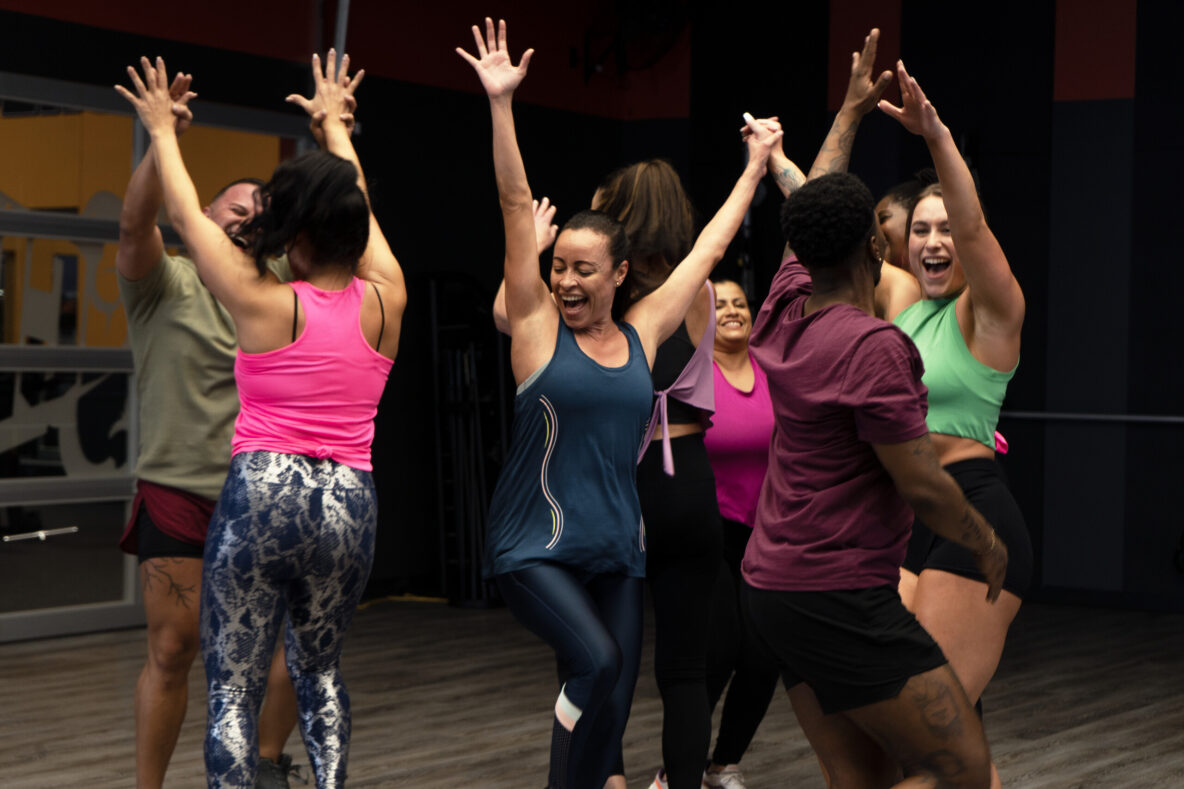
People greet each other. Trainers remember injuries. Regulars notice when someone skips a week. This sense of being seen is rare in modern urban life and incredibly valuable.
Community transforms a service into a social obligation for its members. Members don’t just pay for workouts; they pay to belong. The emotional bond between customers and the business lowers customer turnover rates while it maintains constant income and protects franchises from economic downturns.
Independent gyms can establish community relationships, but franchise operations benefit from their standardized operational system which includes shared values, staff training programs, and brand-specific communication methods that enable organizations to build membership.
Recurring Revenue Creates Operational Stability
The fitness franchise industry operates under predictable cash flow patterns, which benefit its financial performance. The combination of monthly memberships, personal training packages, group classes and additional services generates steady revenue throughout the entire year.
The billing system operates independently of attendance patterns because it maintains stable monthly charges. Franchise owners use this predictability to:
- They need this information to make better staffing decisions.
- Equipment upgrades require investment.
- The organization can handle temporary market fluctuations.
- The company needs to deliver a uniform experience to customers.
Businesses achieve resilience by maintaining operations during economic crises which cause competitors to lose control.
Wellness Is Expanding, Not Contracting
Fitness has become part of a larger wellness system, which includes mental health, recovery, sleep, posture, and longevity. The growth of this business model does not weaken fitness franchises because it makes them more powerful.
Fitness centers transform into wellness centers through their implementation of recovery equipment, educational resources and comprehensive wellness programs, which they maintain as their primary identity.
The increasing recognition of lifestyle diseases and burnout, and preventive health measures, has established fitness as an active healthcare solution. Businesses that focus on preventive health services experience greater financial stability during recessions compared to those that rely solely on providing luxury services.
Franchising Itself Adds Structural Strength
The franchise system increases all existing benefits to their highest level. The system decreases business risks through its centralized marketing system and its shared learning capability, its bulk purchasing power, its standardized training program, and its peer network system.
The system acquires new knowledge from a particular location when that location discovers new information. Solution methods for problems move through the organization at an accelerated speed. The collective intelligence system provides essential value for fitness because its three elements of consistency, safety and trustworthiness function as critical components.
Conclusion
The fitness franchise industry achieves its ability to remain operational through its fundamental structural design. Fitness maintains its position in the market because it depends on established patterns of behavior, community networks, continuous demand, and basic human requirements.
The importance of organized fitness programs increases as people adopt more sedentary habits, while their health knowledge expands. Franchises that prioritize consistency, adaptability and member connection create businesses that can handle uncertain times while maintaining their operational flow.
Franchise companies like Crunch Fitness India build resilience through their ability to function during disruptive times because it becomes essential when people face difficulties. And fitness, by nature, remains useful in every season.
Frequently Asked Questions (FAQs)
Q1. Why do fitness franchises perform better than independent gyms?
The reason fitness franchises achieve higher success rates than independent gyms is that fitness franchises use their brand reputation, together with standardized operating procedures and centralized advertising efforts and their combined operational expertise to minimize business risks while maintaining operational efficiency.
Q2. Does community really impact gym retention?
The community presence at gyms establishes a direct relationship with member retention rates. Yes. The community creates a strong bond between members, which leads to higher responsibility for their commitments, thus decreasing the rate of membership cancellations.
Q3. Is demand for fitness growing or slowing down?
The fitness industry experiences increased demand, which results from two factors. The rising number of lifestyle-related health problems, together with heightened public knowledge about preventive wellness services drive this upcoming demand.
Q4. Why is fitness more important than ever?
The necessity for people to maintain physical fitness has reached its highest point because modern human existence now includes more sitting, more stress, and more time spent using screens. People need to exercise regularly because it functions as their primary tool for weight control, together with stress relief, mental health improvement and prevention of lifestyle-related health problems.
Q5. Are fitness franchises a good investment?
Investing in fitness franchises creates a successful business opportunity because fitness franchises generate ongoing profits while their brand provides essential operational assistance to meet market needs. The business provides flexible growth options together with permanent operational stability which makes it more dependable than various temporary business models.
Explore More Articles

The fitness industry in Delhi is expanding rapidly because of three factors w... Read More
Th... Read More
The launch of a gym franchise is only the beginning of the journey. The actua... Read More
The process of starting a gym franchise in In... Read More
Where you place your gym matters most. Though b... Read More

Today, the fitness industry stands as one of the fastest-expanding business s... Read More









<... Read More

































<... Read More

<... Read More

<... Read More

<... Read More

<... Read More

<... Read More

<... Read More
<... Read More








<... Read More
<... Read More
<... Read More

<... Read More

... Read More
CLOSEST CLUB
Your Local Crunch ...
SEE OUR MEMBERSHIP OPTIONS