There comes a time when mobility training becomes really important in life. Maybe you are very committed to stretching and even putting up with the pain for thirty seconds, but feeling "stuck" or being hindered by chronic tightness, you are one of many.
Mobility refers to the ability to actively and voluntarily move a joint through its full available range of motion. It is the essential, non-negotiable base for unlocking better athletic performance, injury prevention, and the achievement of truly pain-free, functional movement that lasts a lifetime.
The reason for your problems is not insufficient stretching but rather a lack of control. Simply doing the traditional static stretches will only passively lengthen the muscles, but what you require is to have active strength through the full range of motion.
Let’s see how mobility training can help you.
Mobility vs. Flexibility: Know the Difference
Before you start exercising, it is important that you first understand the difference between flexibility and mobility:
Flexibility (Passive)
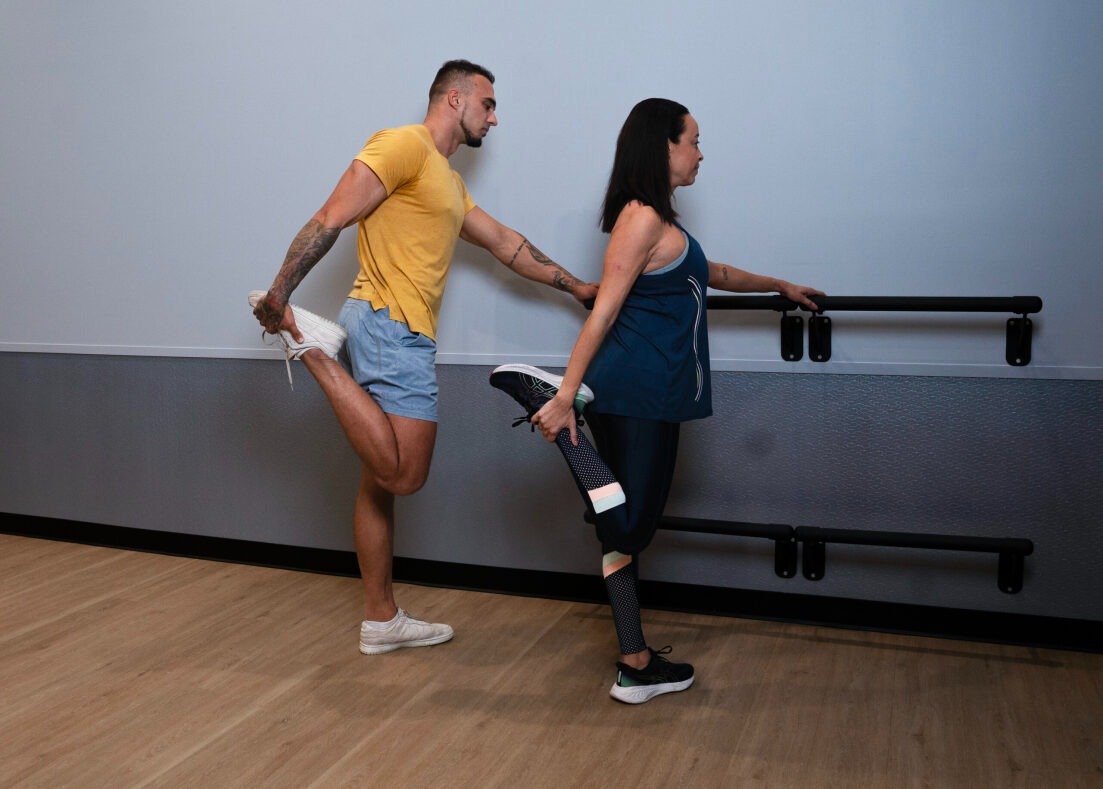
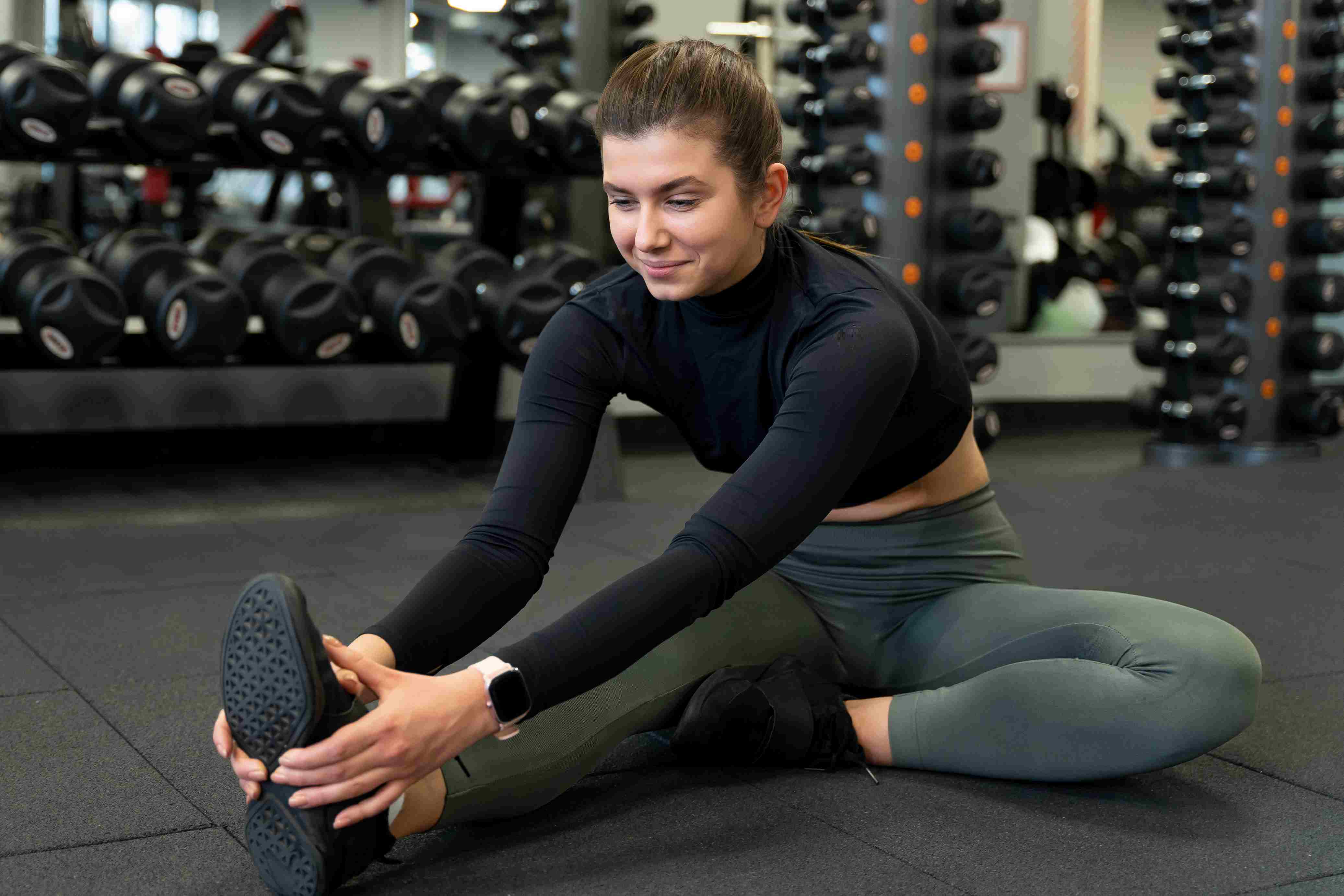
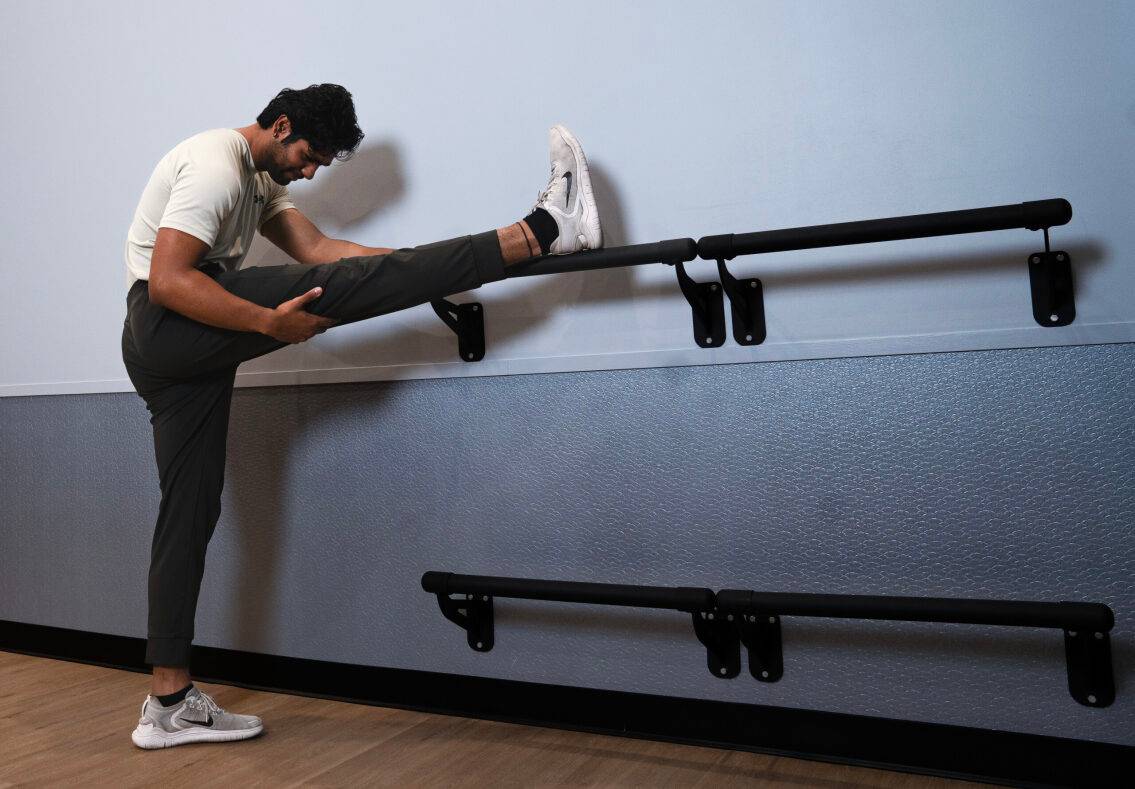
This is the length of your muscles and connective tissue. It is a measure of how far a joint can be moved by an external force such as gravity, a partner, or your own hand holding your foot. You are simply going into a position.
Mobility (Active)
This is the active, controlled, and purposeful use of that range. It is the extent to which you can move the joint under its own power and maintain stability at the end ranges.
The Analogy
Consider flexibility as simply having a brand-new car with a huge engine (potential range). Mobility is having the driving skill and the car's handling (control and stability) necessary to be able to safely take that engine to its limit.
If you only have flexibility and lack mobility, then you have an unstable and weak range of motion that is very susceptible to injury. You need to be strong at the end range if you want to be resilient.
How to Stop Aches by Staying Mobile
Mobility work heals because it is in accordance with the body's "Joint-by-Joint" principle. The idea here is that the body is a column of joints that alternately need either mobility or stability:
It happens quite often that stiffening of a joint which normally should be mobile (like your hips) results in the joint above it or the joint below it that is supposed to be stable (like your lumbar spine or knees) going there and back excessively in order to compensate.
This compensation is the direct reason for the emergence of chronic pain.
Solving Low Back Pain
Most of the time, your low back pain is merely the offshoot of the lack of proper hip and thoracic spine (upper back) mobility. Letting go of rotation and extension restrictions in these parts you will take away the shearing stress from your weak lower back.
Also Read: Back Workout For Regular Gym-Goers
Solving Knee Pain
The knee becomes a victim of the rotational forces coming from a direction it is not familiar with because of the tightening of the ankles or hips being immobilized.
Thus the knee ends up being the one to take on these forces eventually it leads to misalignment and pain during squats or running.
Better Posture
Working on increasing the mobility of the thoracic spine and shoulders will ease the inevitable forward slump that comes as a result of many hours of sitting at a desk.
And thus will not only give you your natural pain-free posture back but also save you from any posture-related pains.
Also Read: 7-Day Yoga Challenge For Better Posture
The Performance Amplifier: Level Up Your Workouts
If you want performance to be better in the gym, then you have to understand that mobility training is not just recovery; it is pre-habilitation and a performance booster.
Increased Range of Movement (ROM)
Mobility training enables you to go deeper, safer, and more mechanically advantageous in at least the most fundamental movements. A deeper squat basically means recruiting more muscle fibers overall, which leads directly to both higher strength gains and hypertrophy.
Improved Form and Technique
By being mobile you are sure that you will very easily hit the right, textbook positions (for example, keeping a neutral spine in a deadlift or making sure the chest is up in an overhead press).
Proper form implies less energy that is wasted, a lowered incidence of compensation, and thus, total lift efficiency is increased.
Nervous System Connection
Concentrated mobility exercises serve as an intense warm-up that not only activates the muscles but also the nervous system connections to the joints.
What follows is your main workout becoming a source of more powerful, controlled, and rapid movements. You get stronger as your brain starts to trust your body more and more to move into these new ranges.
Three Core Areas You Must Target: Hips, Shoulders, and Thoracic Spine
If you want to get the biggest return on the time you have invested, then concentrate your mobility work on the major hinge and rotation centers of the body.
Hips: The absolute necessities for the entire lower body function. In case you find it difficult to squat deep, run efficiently, or even tie your shoelaces, then focus should be here. Practice internal and external rotation specifically.
Thoracic Spine (T-Spine)
The upper and middle back's flexibility to rotate and extend is the basis. It largely influences your capacity to press a weight overhead, throw a ball, or even just sit upright without slumping.
Shoulders
Necessary for all pressing and pulling. Mobility in this area concentrates on the scapular (shoulder blade) rhythm and helps assure that you can reach a real overhead position without the need to compensate by arching your lower back.
Ankles (Bonus Point)
Most frequently the real limiting factor is in the squat. By improving ankle dorsiflexion you allow your knees to properly move over your toes, thus keeping your center of gravity balanced and the knees safe.
Simple Mobility Exercises That Take 5 Minutes
The 90/90 Hip Switch
On the floor, position yourself in such a manner that both of your knees are bent at 90 degrees, one leg is internally rotated, and the other externally. Lift your knees slowly and "switch" the position of your legs without the help of your hands.
Cat-Cow (Dynamic)
Be on your hands and knees. Arch your back and look up (Cow), then round your spine very much, tucking your chin and tailbone (Cat). Move slowly from one to another, segmenting the movement.
T-Spine Rotation in Quadruped
While on hands and knees, slotting the hand behind the head, rotate the elbow coming down towards the stabilizing wrist. Then open the elbow pointing it towards the ceiling as you trace the largest arc possible.
Banded Ankle Dorsiflexion
Put a band low around the ankle joint and fasten it. Push your knee forward over your toes as far as you can without heel-lifting; the ankle will be the one to feel the mobilization deeply in the joint.
Shoulder Pass-Throughs
Use a broomstick or a PVC pipe, and hold it with a wide grip. Without bending your arms, slowly bring the stick over your head and behind your back, then move it back to the starting position. Employ the widest grip that does not cause any pain.
Conclusion
Mobility training is not just another fitness trend to be dismissed; it is actually the essential missing link that separates forever static stretching from real functional fitness.
It changes the emphasis of your work from just trying to get more flexible to making your body tougher, thus giving you the controlled strength of your choice.
Don’t forget that it’s not really the most flexible person in the room that matters; what really counts is a joint system capable of performing at its best and being safe throughout a lifetime. Mobility is longevity.
Don’t wait until chronic pain is your only motivator. Just 5 minutes of concentrated mobility work will change your day. We can talk more about hip mobility when you visit Crunch Fitness India in Noida!
Frequently Asked Questions (FAQs)
Q1. What is the best way to improve mobility?
By engaging in active, controlled drills (such as those in Section VI of the post). Use your own muscles to move the joint through its full range and be consistent!
Q2. What is the best training for mobility?
Very focused, dynamic work on the Hips, Thoracic Spine, and Shoulders (Section V). These "big movers" are the ones that give you the biggest return on your time.
Q3. Can I do mobility exercises every day?
Definitely! Short, frequent sessions (5-10 minutes daily) are often the best way to teach your body to keep a healthy range.
Q4. Is mobility better than stretching?
Mobility is typically more functional. Static stretching provides passive flexibility; however, mobility gives you active control and strength in that range which is better for injury prevention.
Q5. How to increase joint mobility and flexibility?
Employ static stretching if you want passive flexibility but use controlled, strength-integrated movements (like Shoulder Pass-Throughs) to develop active mobility.
Explore More Articles
The fitness industry in Delhi is expanding rapidly because of three factors w... Read More
Th... Read More
The launch of a gym franchise is only the beginning of the journey. The actua... Read More
The process of starting a gym franchise in In... Read More
Where you place your gym matters most. Though b... Read More
Today, the fitness industry stands as one of the fastest-expanding business s... Read More

<... Read More



















<... Read More

<... Read More

<... Read More

<... Read More
<... Read More
<... Read More
<... Read More
<... Read More

<... Read More
<... Read More
<... Read More

<... Read More

... Read More
CLOSEST CLUB
Your Local Crunch ...
SEE OUR MEMBERSHIP OPTIONS