
The present time shows that fitness now qualifies as an essential requirement that people need to fulfill, just like they need clean water, educational institutions and medical services.
The rise of lifestyle diseases, together with stress becoming a regular part of daily existence, requires communities to establish permanent systems which enable people to maintain their health through physical activity, recovery and long-term wellness.
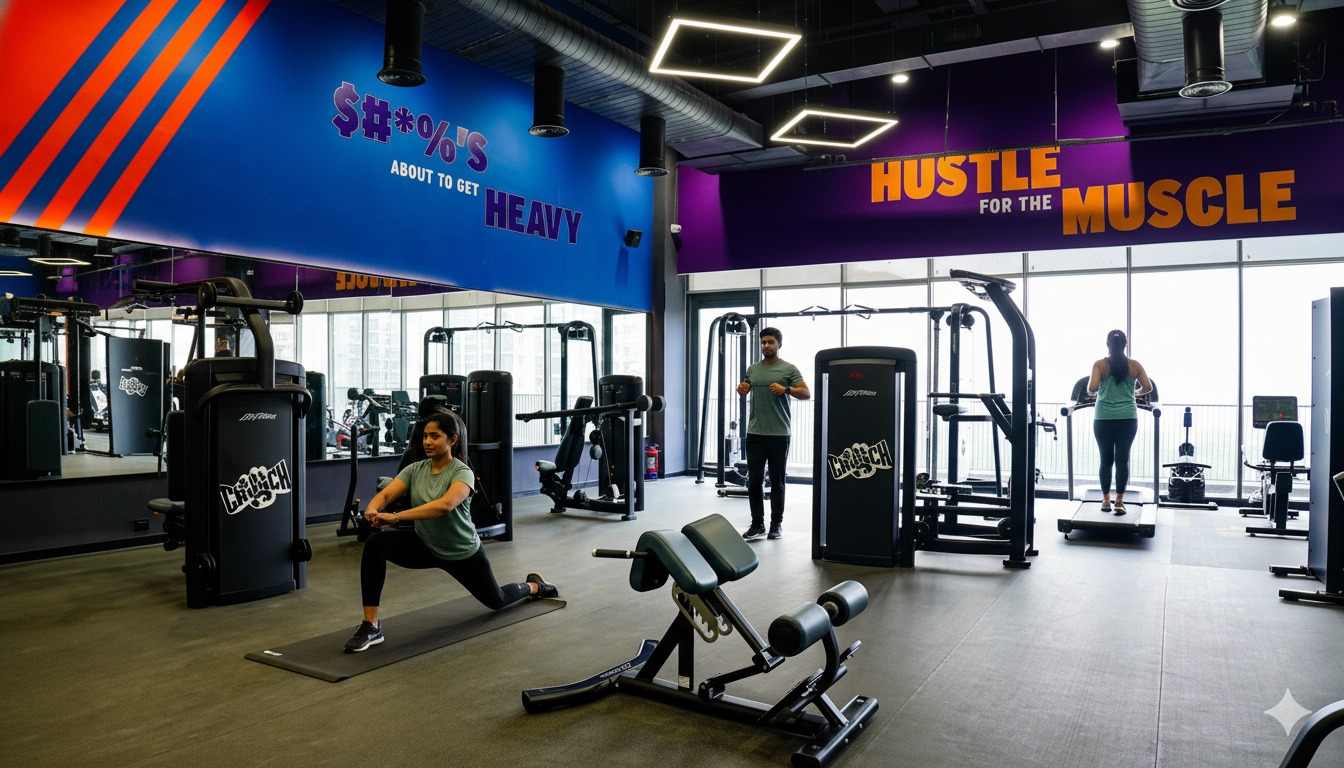
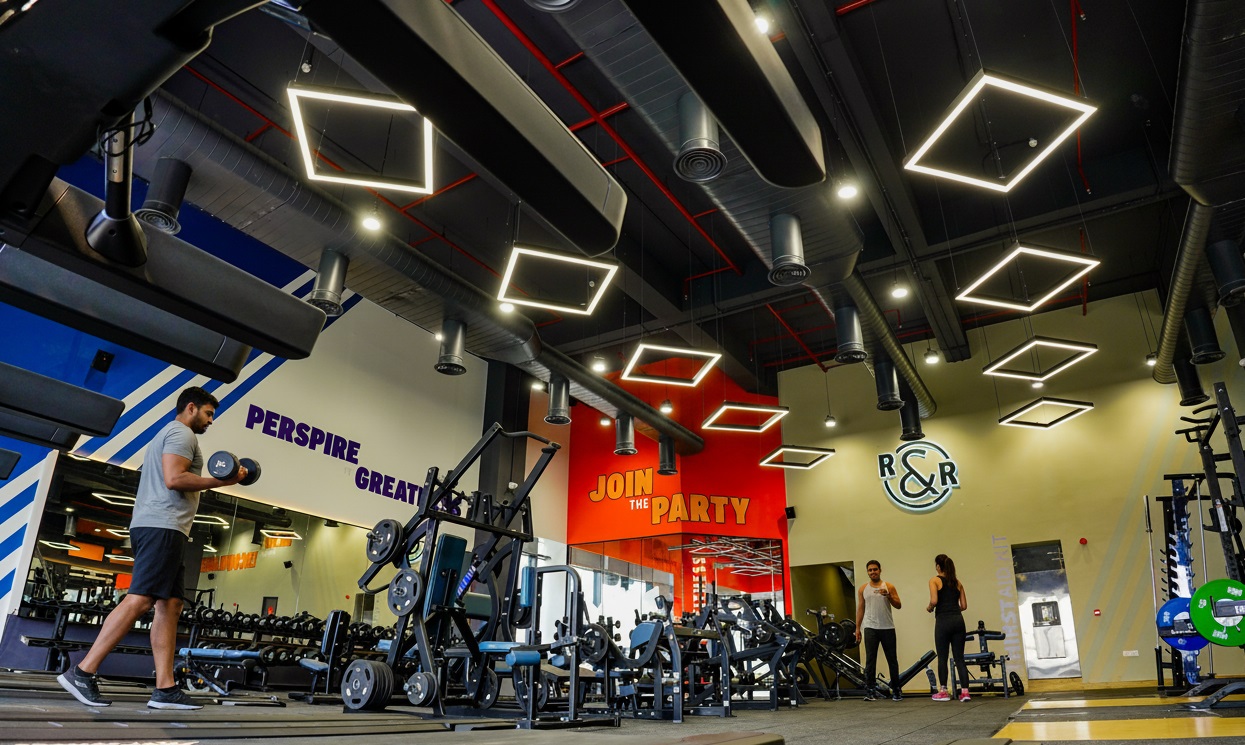
The fitness franchises enter this situation to provide their solutions. The company operates more than just gym facilities. The company creates permanent wellness centers that people can depend on, while their facilities can grow throughout different residential areas.
The development of standardized coaching methods, together with enhanced training safety measures and active community participation has transformed fitness franchises into permanent wellness centers.
The New Definition of “Infrastructure”
The current requirements for infrastructure development have been altered by changes in contemporary urban society.
The largest public health dangers in the modern world extend beyond infectious diseases. The leading public health threats today result from infectious diseases and permanent health conditions.
The medical conditions that make up this category include:
- Obesity
- Diabetes
- Hypertension
- Chronic stress
- Anxiety and depression
- Musculoskeletal pain
- Sedentary lifestyle complications
People need solutions that extend beyond hospital-based treatment.
The solutions require everyday systems that enable individuals to move between activities and develop sustainable recovery and habit-forming practices. Fitness franchises provide the solution for this situation.
The Core Strength of Fitness Franchises: Consistency
The fitness industry faces its greatest difficulty because people who work in fitness centers display unpredictable behavior.
The local gym experience varies according to several factors which include:
- Which trainer is on duty
- Which branch you visit
- Whether the owner is involved
- Whether equipment is maintained
- Whether staff turnover is high
- Whether the program is structured or random
Franchises solve this through standardization.
What Standardization Actually Means For Members
The following elements exist in better onboarding processes for new employees.
- Clear onboarding processes
- Structured training formats
- Predictable quality
- Professional staff training
- Better safety protocols
- A consistent experience across locations
People establish their habits through systems that operate with consistent patterns.
Fitness Franchises as Community Health Anchors
Think about the places that anchor your lifestyle:
- A good supermarket
- A reliable pharmacy
- A school
- A clinic
- A neighborhood park
The same standard applies to fitness activities which should be treated as workout activities.
A franchise with high standards establishes itself in a community when it begins operations and continues to run its business for multiple years. The fitness center exists for people who want to work out but also serves these groups.
The facility establishes itself as a permanent health center that serves the community. The infrastructure system creates paths that people need to follow. The infrastructure system establishes social patterns because it creates infrastructure that people use.
Group Fitness: The Hidden Infrastructure Advantage
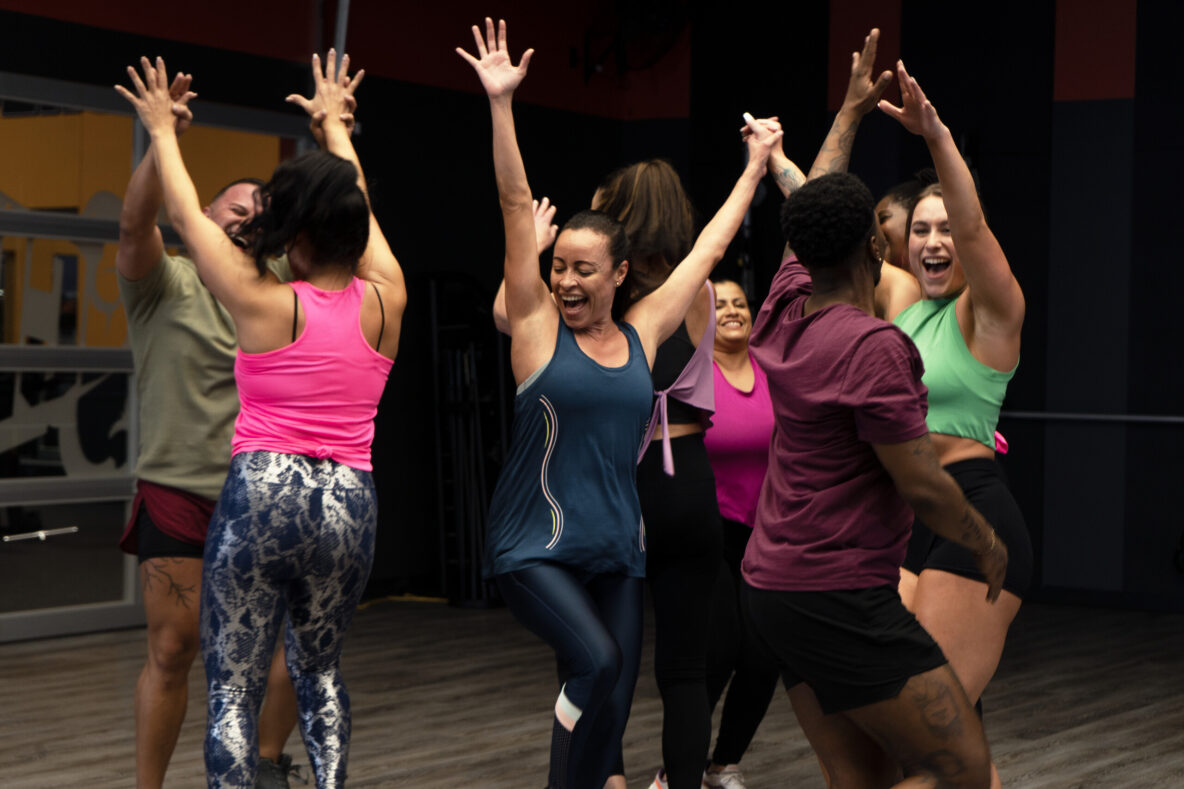
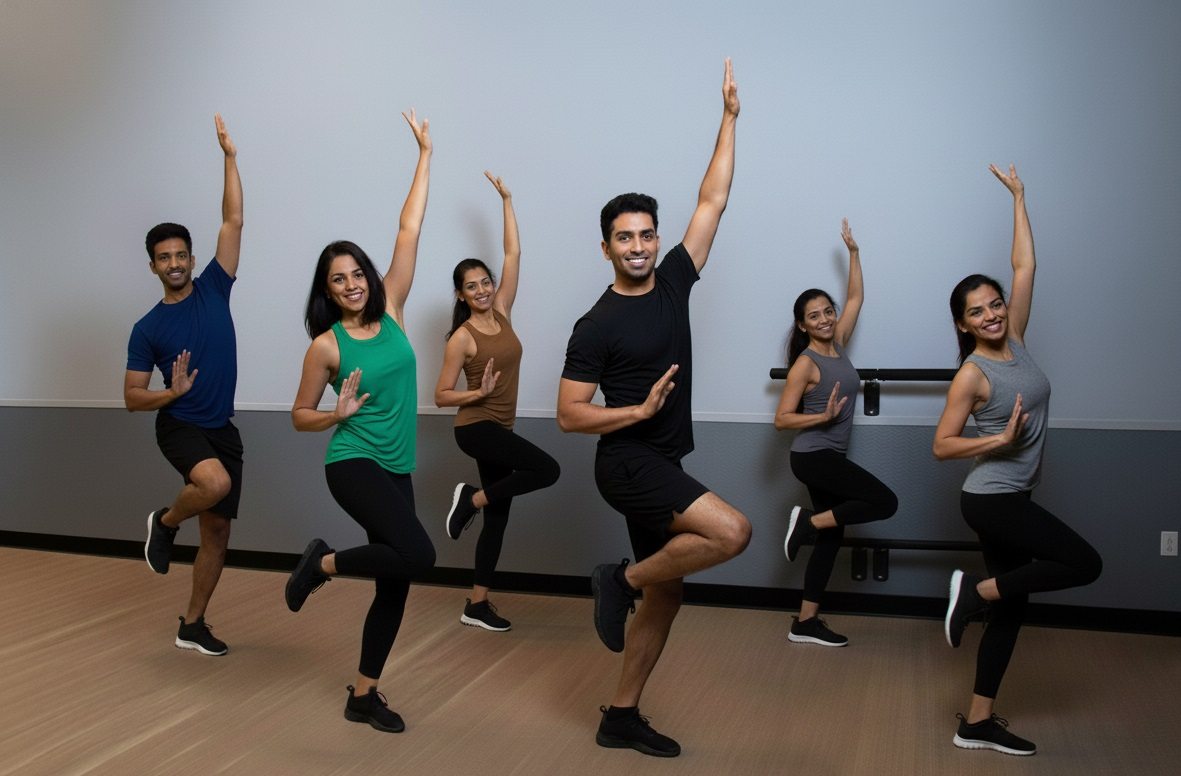
The franchises have achieved their greatest success through their ability to expand group fitness programs. The group workouts provide more than entertainment value. The group workouts demonstrate scientific principles of behavior analysis.
The researchers study group fitness programs to understand how they help people maintain their exercise routines.
Group workouts increase:
- Accountability
- Social belonging
- Motivation through community
- Consistency through scheduled classes
- Long-term engagement
Most people who quit fitness programs do so because they leave exercise. The people who leave exercise programs do so because they lack social support. The group formats provide a solution to that problem. The franchises create their class ecosystems because they want to establish community wellness systems.
The Role of Fitness Franchises in Preventive Healthcare
Let’s be honest. Most healthcare systems operate in a reactive mode because they handle medical problems after those problems occur.
Only the fitness industry operates in preventive health practices.
What preventive fitness infrastructure looks like:
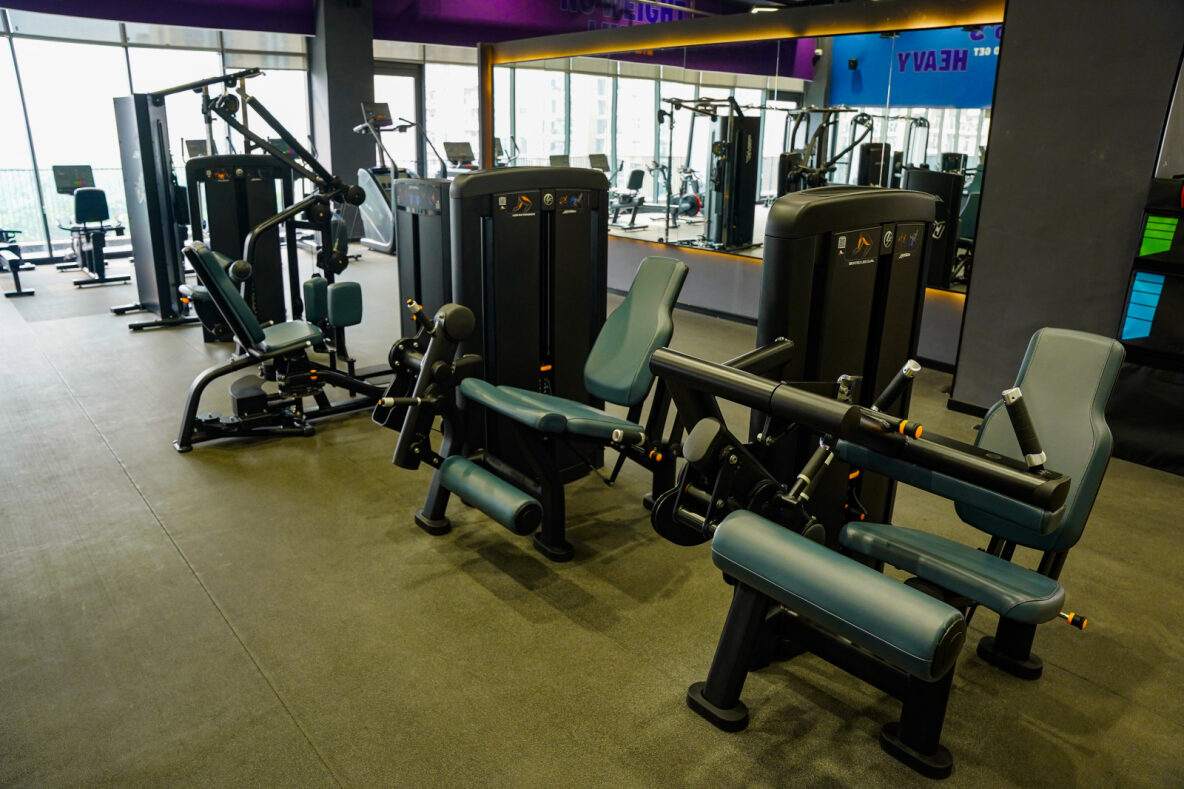
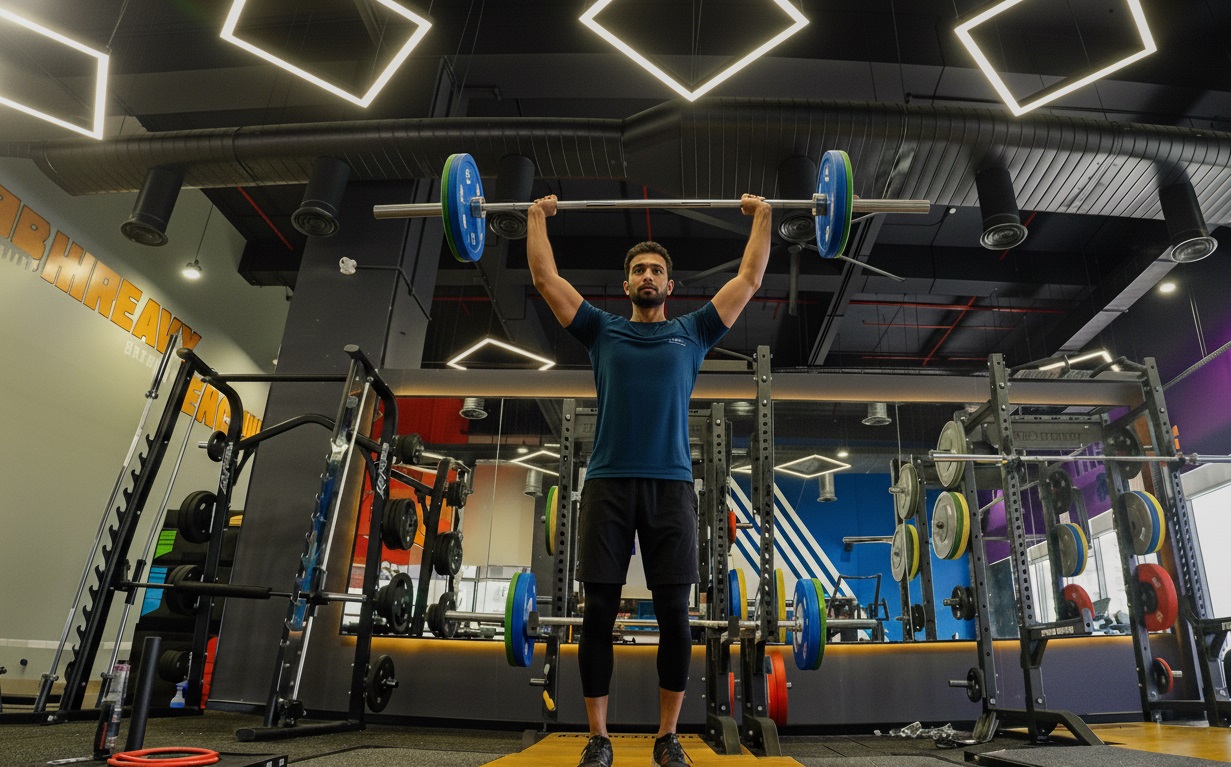
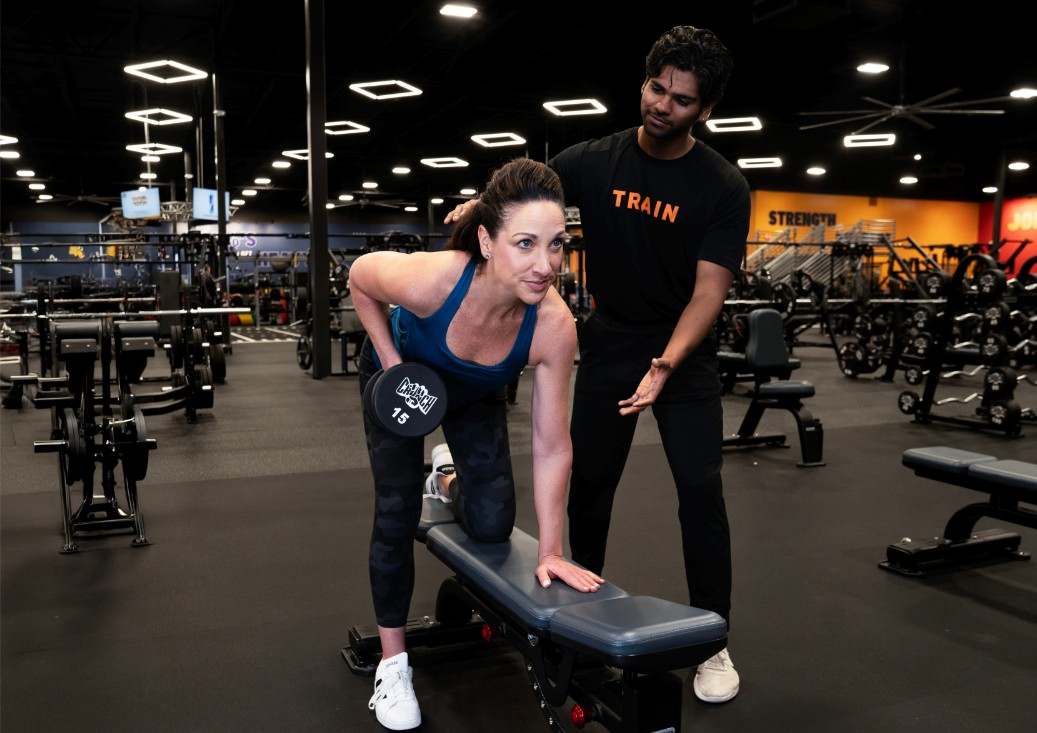
- Fitness equipment for strength training which helps people maintain their mobility from their 30s to their 60s.
- People who improve their metabolic health through exercise before they enter the stage of diabetes.
- People who build stress resilience through physical activity.
- People who fix their posture before their
- People who use recovery tools instead of pushing themselves to their breaking point.
Fitness franchises make this scalable. They bring preventive health systems closer to where people actually live.
Why Franchises Make Wellness More Accessible
People believe that franchises exist only to serve their highest paying customers. The multiple membership tiers, structured beginner programs, flexible class schedules, equipment maintenance, multiple neighborhood expansion and transparent pricing of franchises improve their service delivery to customers.
The first time people experience professional gym facilities in their cities occurs at franchise locations instead of elite private clubs. The situation holds significance for two reasons. The wellness infrastructure needs to provide access to all people instead of serving as an exclusive resource.
The Psychological Impact: A Place Where You Belong
Wellness includes more than physical health. It includes emotional health. A successful fitness franchise develops more than a gym because it creates a third space. People need a location that exists between their homes and their workplaces.
A space where they feel:
- Seen
- Supported
- Motivated
- Normal for trying
- Accepted at any fitness level
The space that exists between home and work functions as an uncommon environment in adult existence.
The space functions as the main reason that helps franchises maintain their cultural strength throughout multiple generations.
The Long-Term View: Fitness Franchises as Lifestyle Utilities
The explanation becomes clear through this direct method of presentation. People will view fitness franchises in the same way they view essential services which provide power and water to cities.
People will find the essential nature of this thing to be more important than its actual functions. The essential facilities of a city require grocery stores, schools, clinics and pharmacies as mandatory components.
The city requires the following facilities:
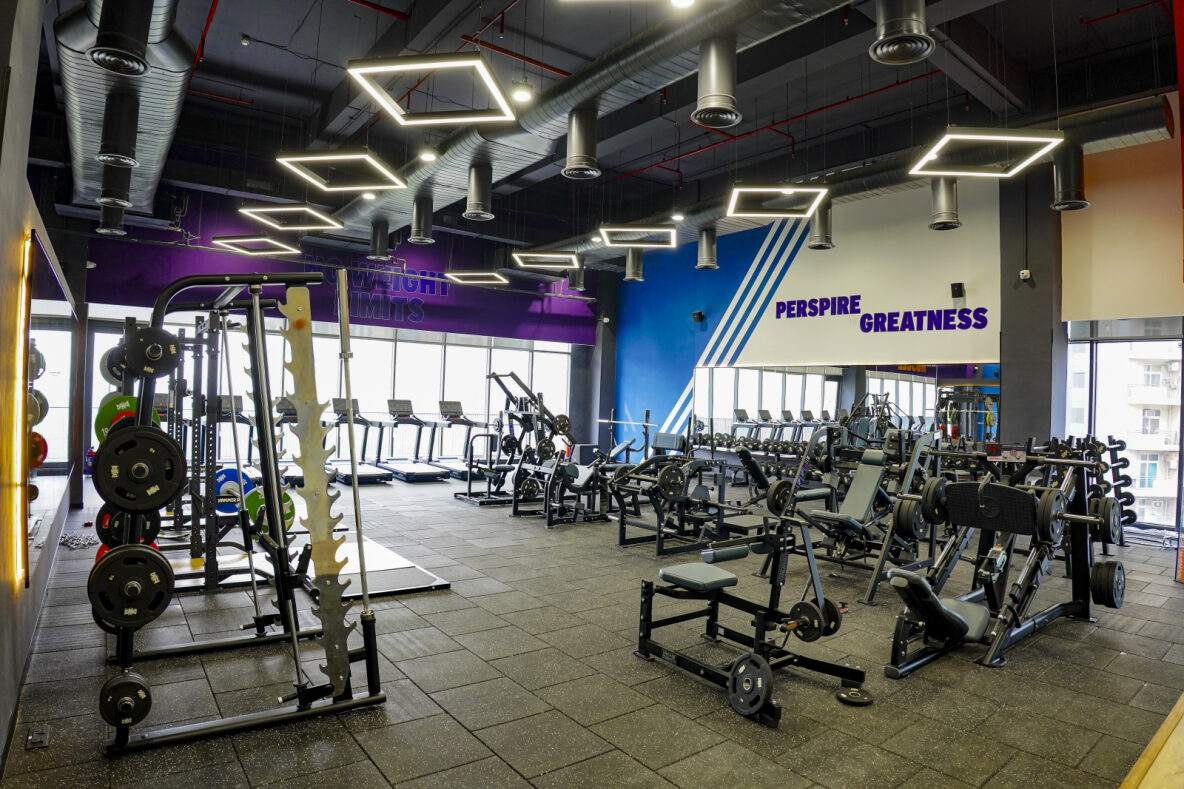
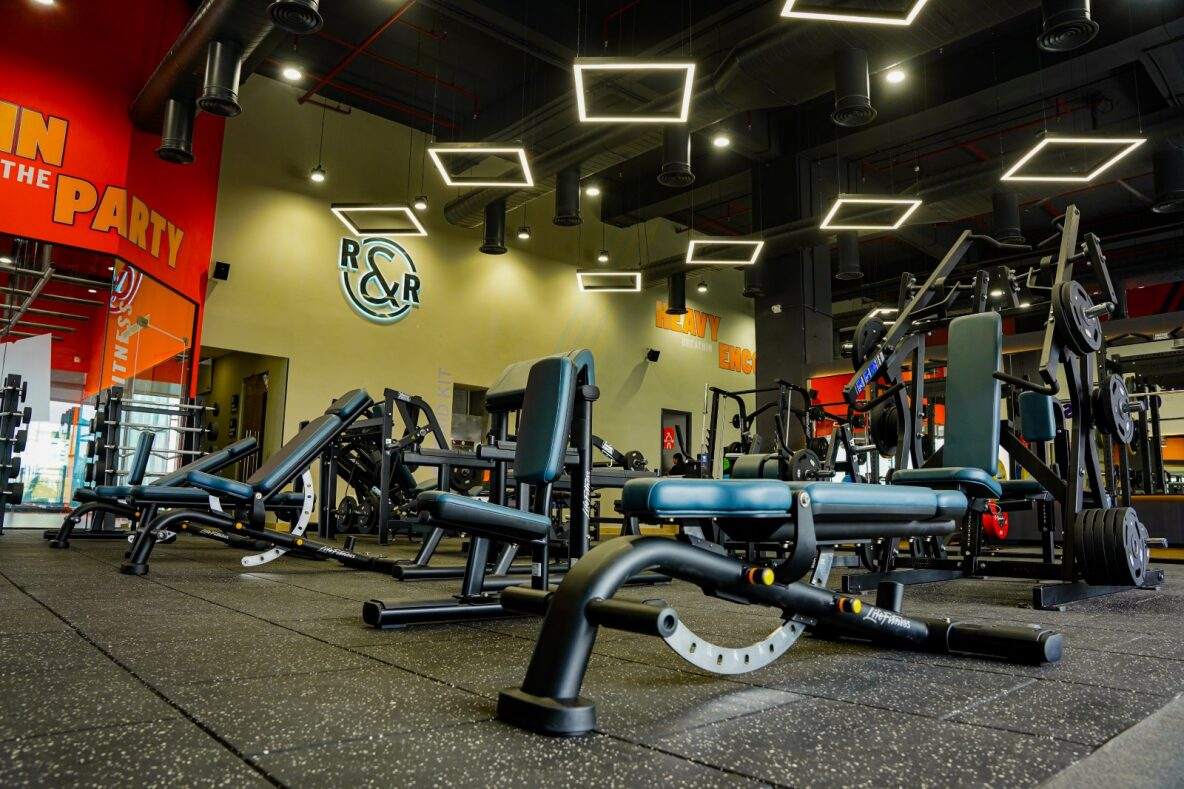
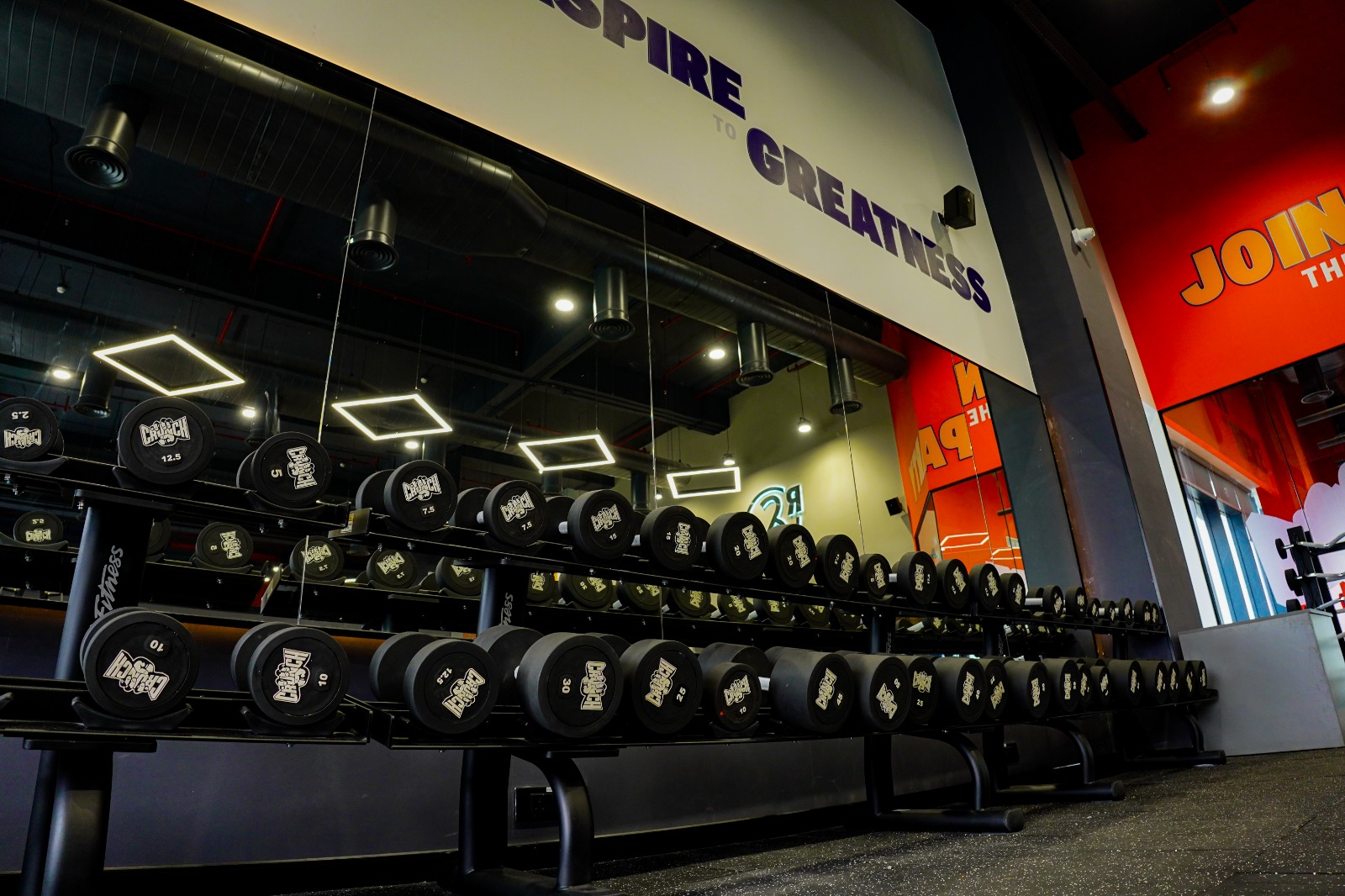
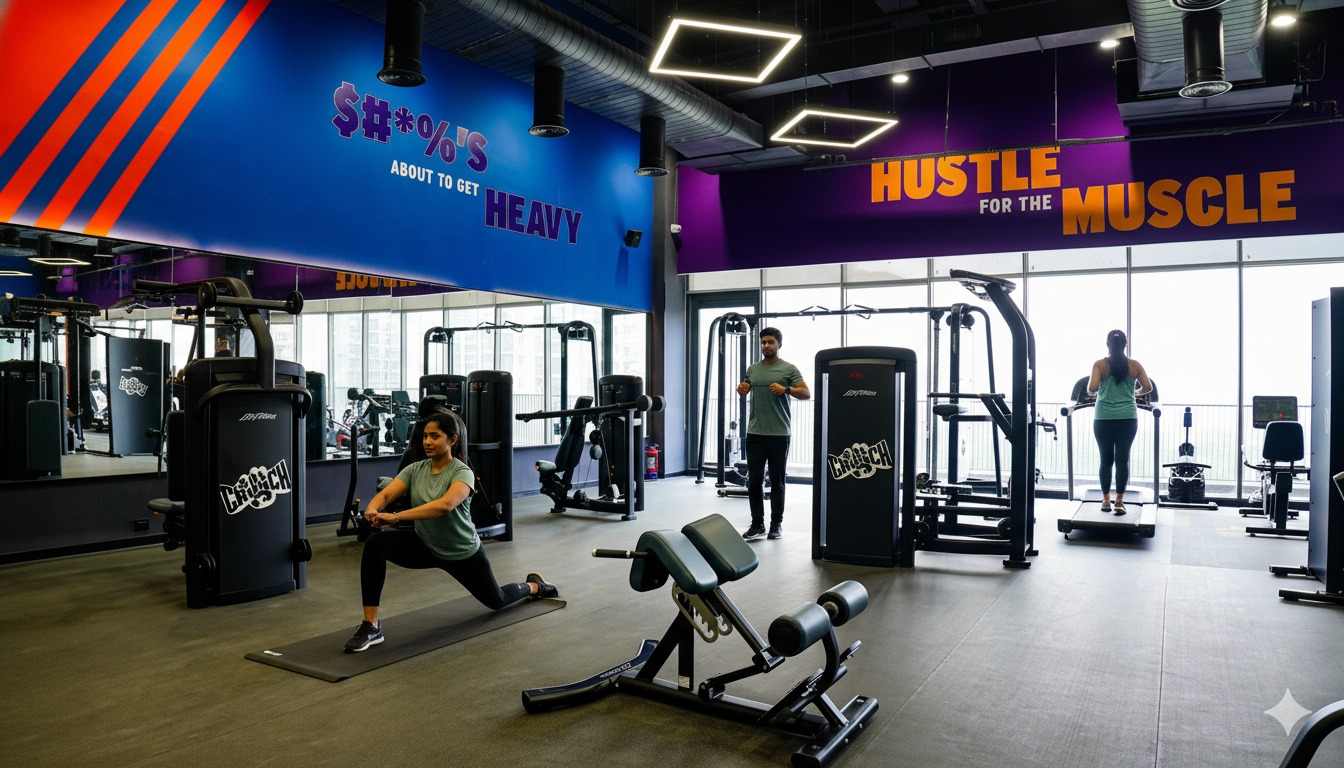
- Strength and conditioning spaces
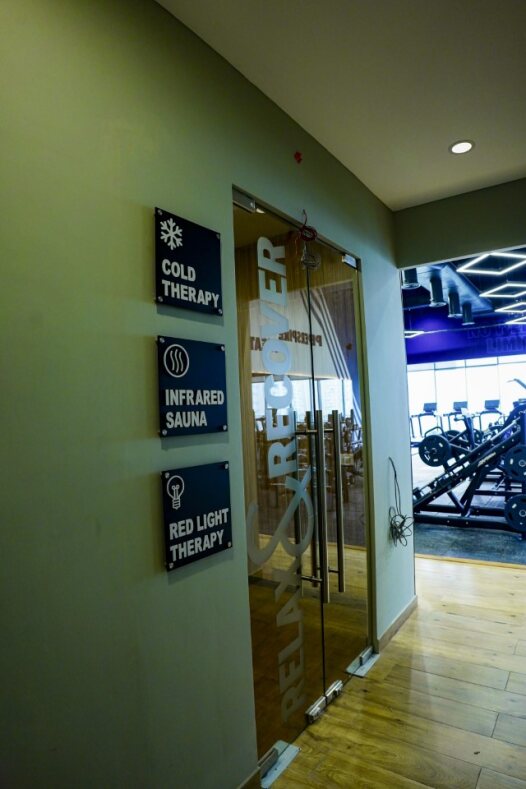
- Recovery-focused wellness centers
- Group movement studios
- Community fitness hubs
Fitness franchises are constructing that future.
The process of building the future develops through each individual neighborhood.
What Makes a Fitness Franchise True Wellness Infrastructure?
Franchises do not establish themselves as infrastructure.
To achieve permanent wellness support for communities, a franchise must establish:
1) Long-Term Community Commitment
The community needs to commit to the franchise for its entire duration.
2) Education-First Culture
The organization requires an education-first approach for its operational framework.
3) Inclusive Environments
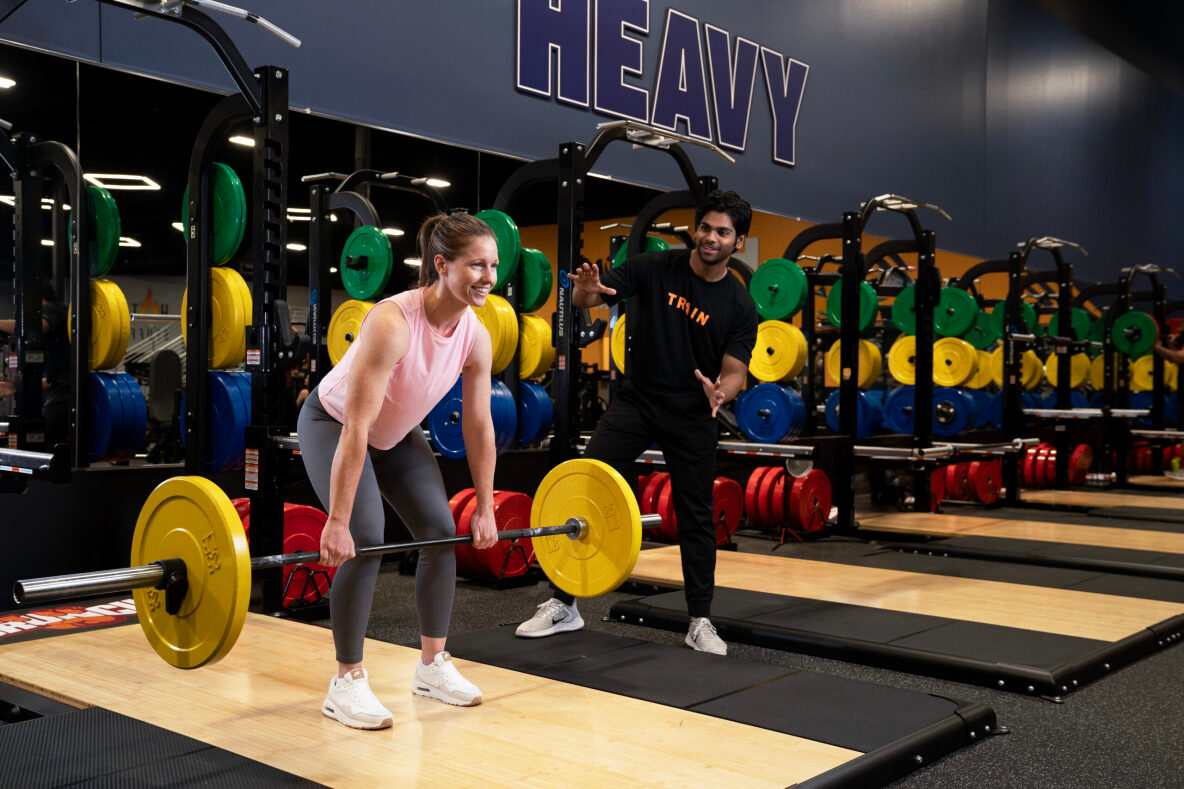
People need guidance, not pressure. Judgment-free spaces exist to create safe environments for all users.
4) Balanced Training Philosophy
The training system provides equal attention to strength development, mobility improvement, conditioning work and recovery time.
5) Strong Recovery And Injury Prevention Focus
The program establishes effective recovery methods together with strategies to avoid injuries.
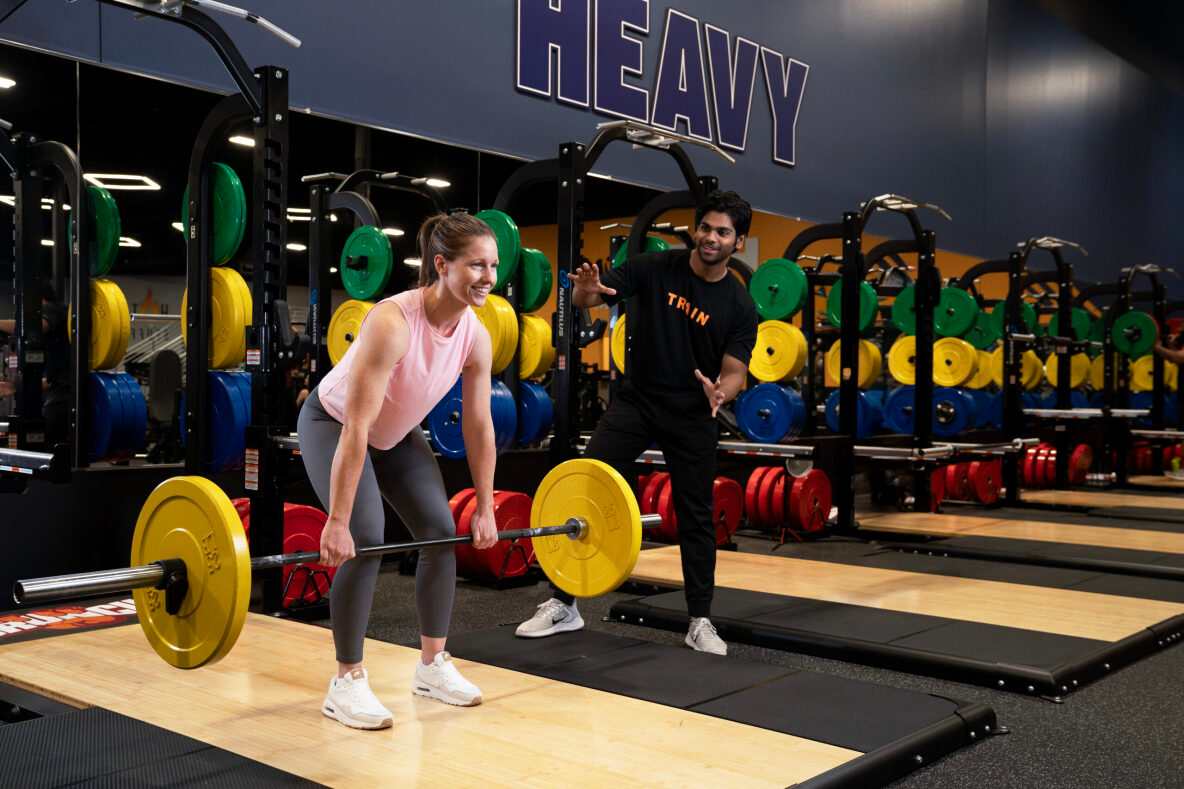
6) Quality Staff Training Systems
The training programs for personnel require development through training procedures. The best equipment means nothing without good coaching.
7) A Community Model, Not Just A Sales Model
The organization needs to implement a community-based model that goes beyond its basic sales operations. People remain because they want to feel connected.
The Future: Wellness Cities, Not Just Fitness Centers
Urban life has transformed into a state that requires cities to build wellness facilities into their infrastructure. The future will not ask people whether they go to the gym. The future will ask people about their training locations, methods for recovery and their activities for resetting their bodies.
Fitness franchises are already moving into that space. Franchises that understand this need will become essential community services that provide health systems to their customers just like clinics, schools and parks do.
Conclusion
The future of health will extend beyond hospital boundaries to create a new medical system. The new health system will create its foundation through daily activities that support people's ability to maintain their strength and health throughout their lives.
Fitness franchises, when done right, create exactly that. The facility provides stable elements together with organized systems which enable users to maintain their wellness journey while building a community.
The organization functions as a business model but serves as a health center for the neighborhood which provides prevention and recovery and sustainable lifestyle transformation services.
Fitness franchises represent one of the most effective wellness systems that we can develop in response to growing burnout and inactivity problems in the modern world.
Frequently Asked Questions (FAQs)
Q1. What does “wellness infrastructure” mean?
The term describes health systems that provide permanent exercise facilities, recovery stations, and healthy living activities.
Q2. How are fitness franchises different from regular gyms?
Franchises provide their customers with standardized training methods together with structured programs and identical services at each of their locations.
Q3. Are fitness franchises only for experienced gym-goers?
No. The majority of businesses provide products that enable new users to start their journey through performance training that builds their skills from entry level to advanced level.
Q4. Why do franchises support long-term fitness better?
Franchises develop systems that can be used repeatedly because they contain their training programs, coaching methods and exercise schedules.
Q5. Do fitness franchises really help with preventive health?
Yes. Regular strength and conditioning exercises help people decrease their risk of developing lifestyle diseases while they enhance their physical movement capabilities, endurance and mental well-being.
Explore More Articles

The fitness industry in Delhi is expanding rapidly because of three factors w... Read More
Th... Read More
The launch of a gym franchise is only the beginning of the journey. The actua... Read More
The process of starting a gym franchise in In... Read More
Where you place your gym matters most. Though b... Read More
Today, the fitness industry stands as one of the fastest-expanding business s... Read More





<... Read More

























<... Read More

<... Read More

<... Read More

<... Read More
<... Read More

<... Read More

<... Read More
<... Read More





<... Read More
<... Read More
<... Read More

<... Read More

... Read More
CLOSEST CLUB
Your Local Crunch ...
SEE OUR MEMBERSHIP OPTIONS