Franchise gym operators face the challenge of maintaining equipment standards throughout their multiple gym locations. Members expect their safety and performance standards and equipment reliability to remain constant across all gym branches.
Equipment quality changes lead to user experience changes which impact brand trust and operational performance. Gym franchises use organized systems to handle their equipment selection process, installation work, maintenance tasks and equipment monitoring activities.
The company uses its systems to maintain uniformity through processes that control centralized procurement, preventive servicing and compliance audits. The operating mechanisms of these systems explain how gym franchises achieve their goal of providing uniform fitness services to customers at all their locations.
Equipment Standardization Across All Locations
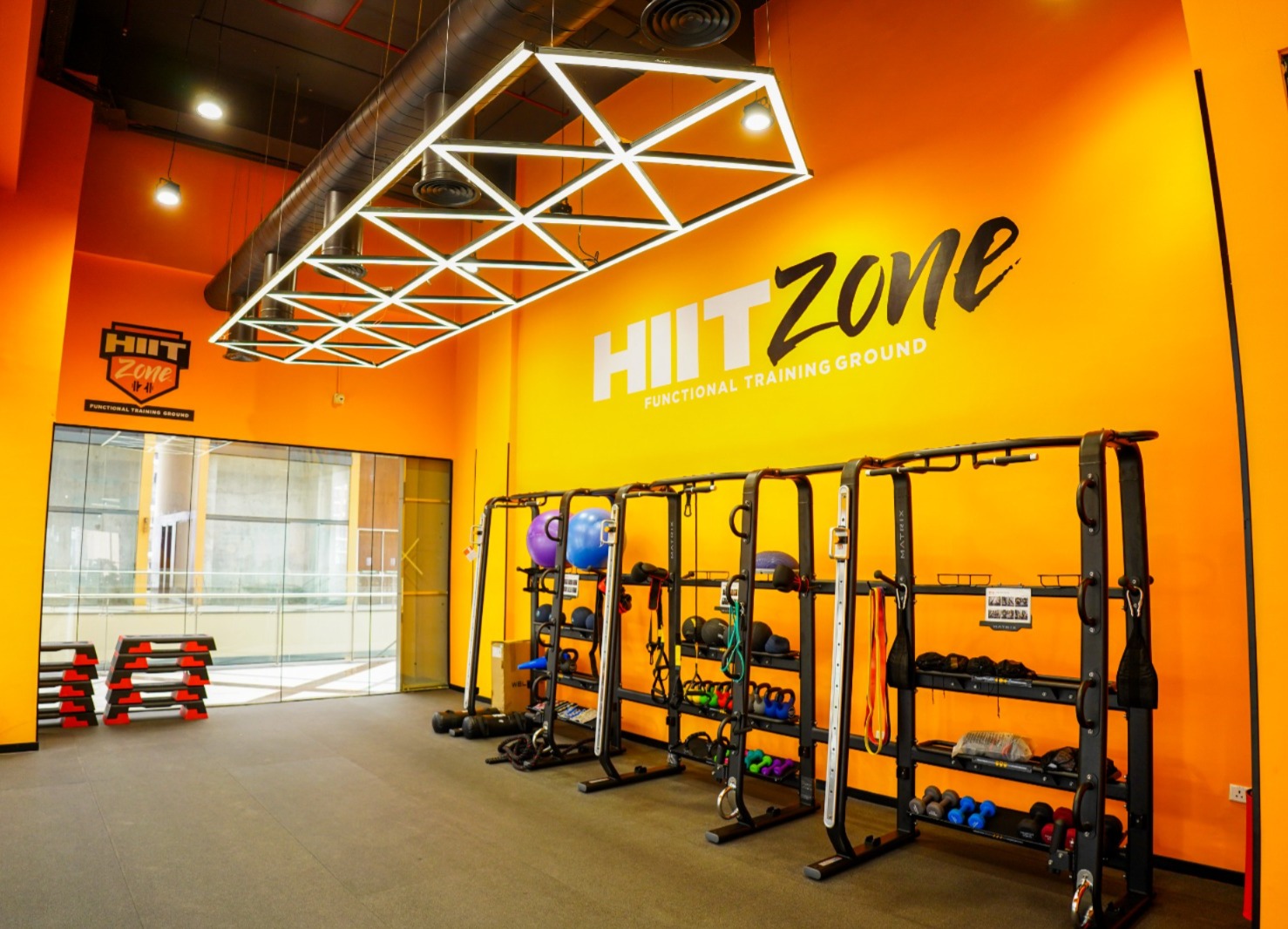
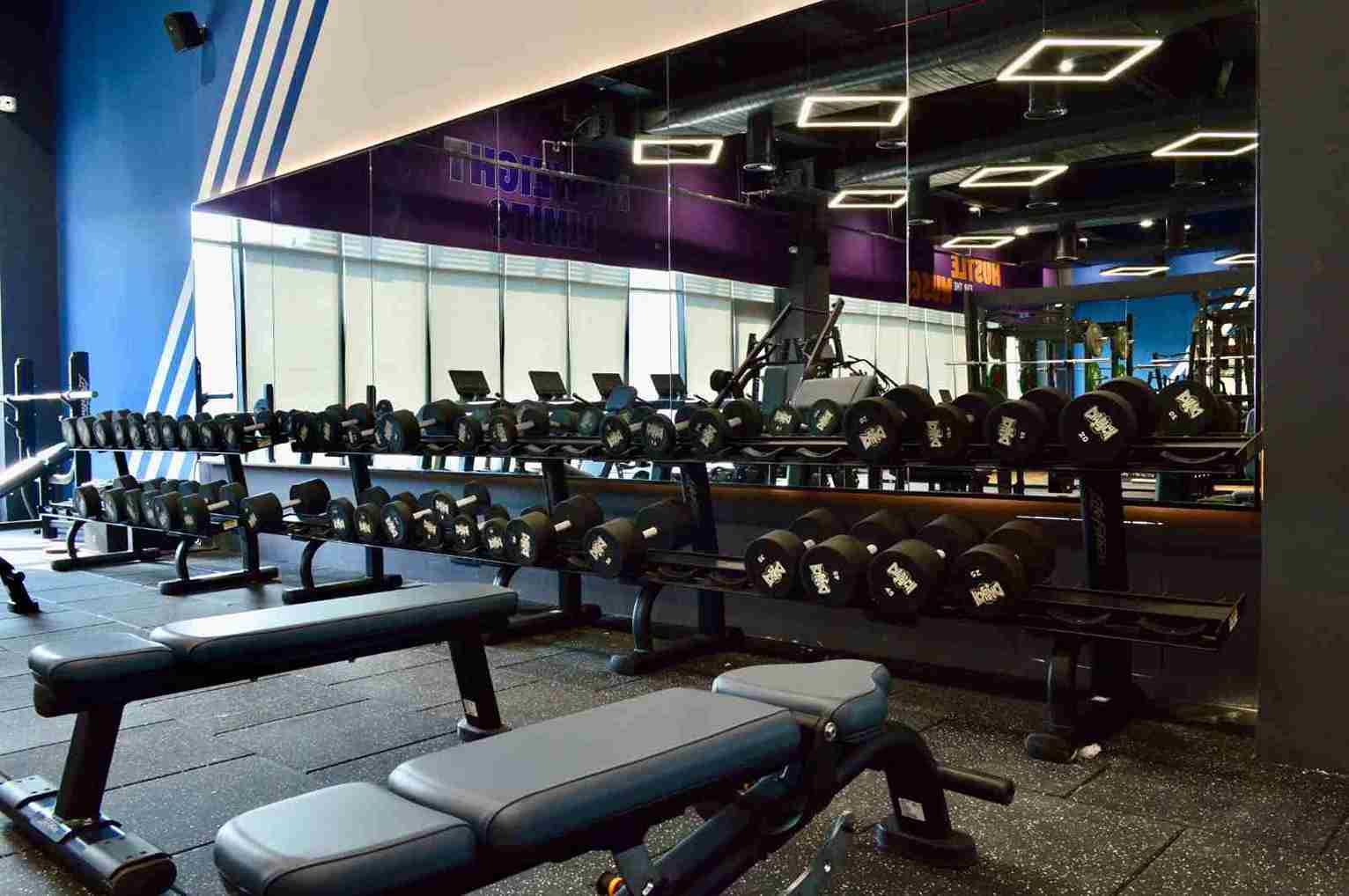
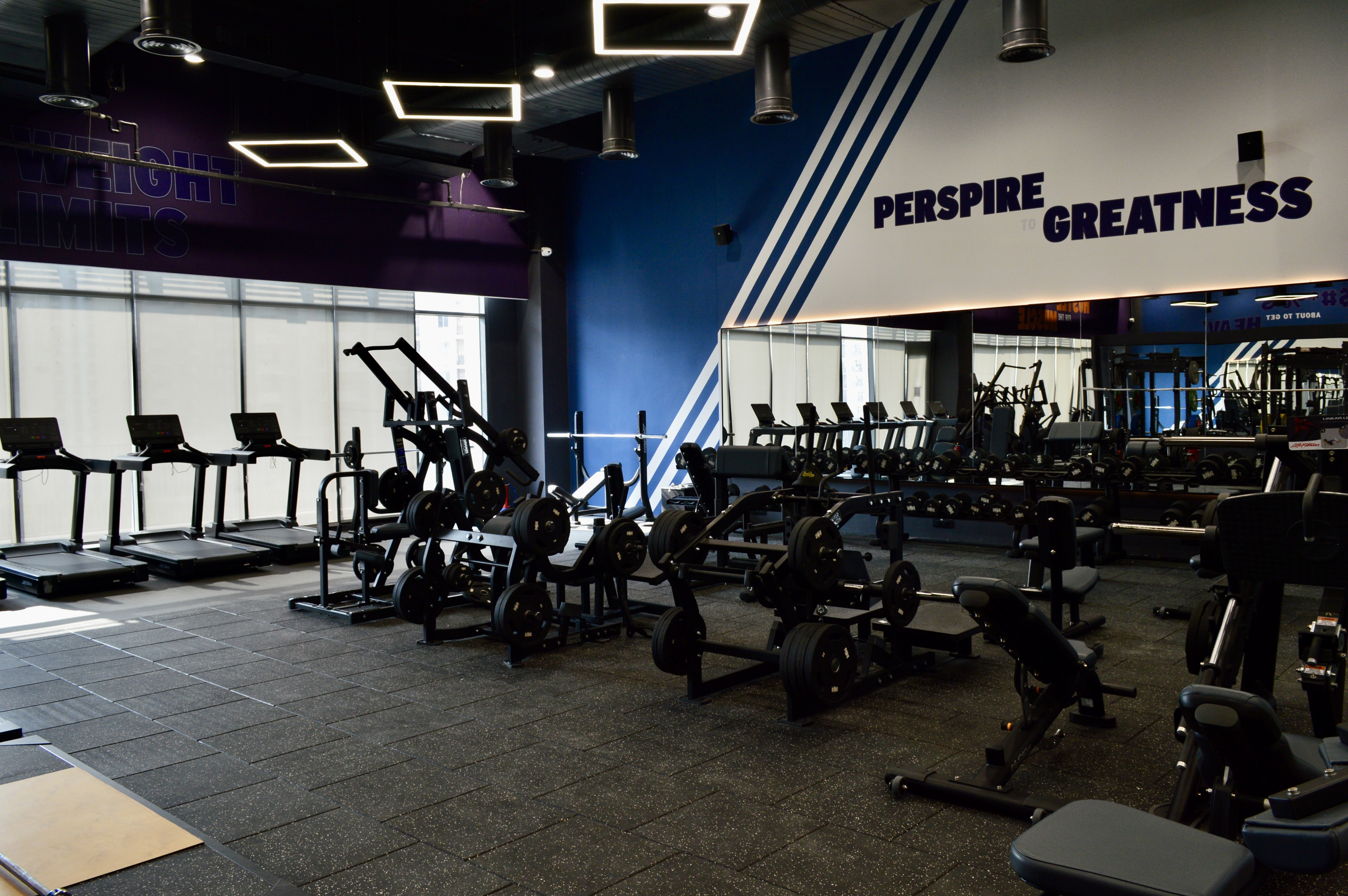
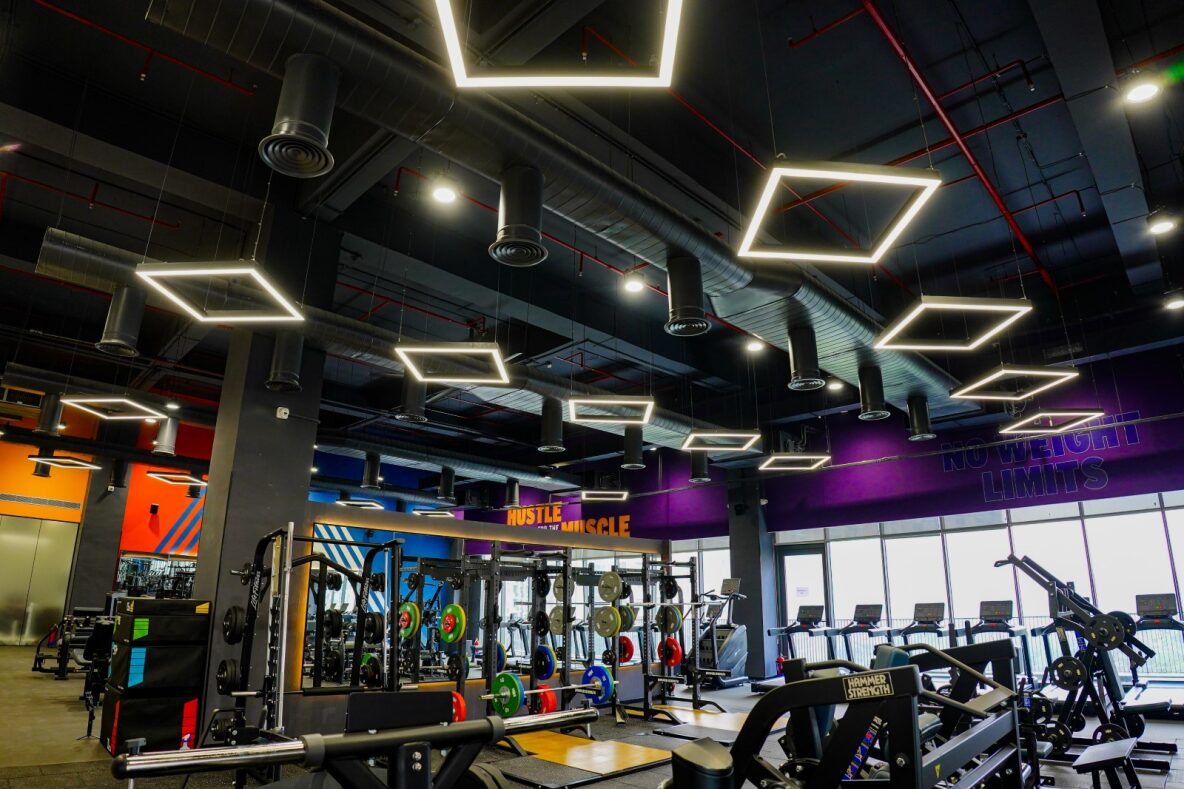
Gym franchises start their operations by establishing a standardized equipment framework which enables all their locations to provide customers with identical workout experiences.
Key practices include:
- The team selects equipment models that meet fixed requirements.
- The team establishes standard machine settings along with resistance settings and software versions.
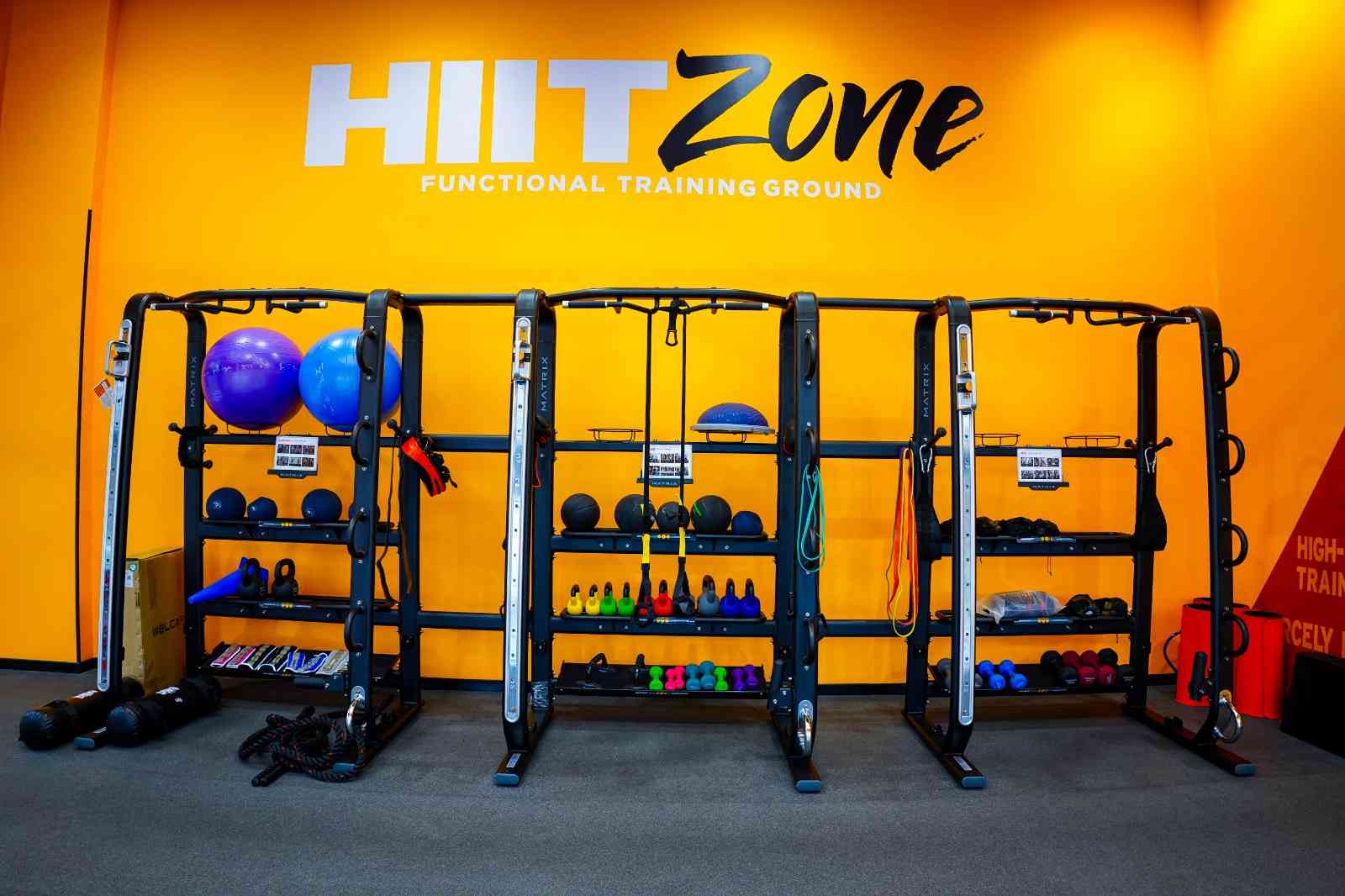
- The team establishes a centralized equipment catalogue that includes part numbers and service manuals.
Standardization provides maintenance benefits through its ability to decrease maintenance needs while establishing consistent equipment performance throughout different locations.
Centralized Procurement and Vendor Partnerships
The majority of gym franchises handle their equipment purchasing through a central system which prohibits individual gym locations from buying their own machines.
This approach allows franchises to:
- The team establishes identical equipment standards that all locations must follow.
- The negotiation process enables the parties to achieve reduced costs through bulk purchasing while obtaining extended service contracts.
- The company maintains uniform warranty conditions together with vendor assistance throughout its operations.
Central procurement prevents quality variations and ensures predictable equipment performance.
Installation and Commissioning Protocols
Franchises implement standard operating procedures for equipment installation because they need to maintain consistent safety standards throughout their operations.
The typical installation process includes these elements:
- Pre-installation inspections for damage or defects
- Manufacturer-approved installation methods
- Equipment testing requires calibration and load testing before the equipment becomes available for member use
- The system needs to track both serial numbers and installation dates.
Safety performance and equipment lifespan show a direct connection to proper installation methods.
The establishment of Preventive Maintenance Programs
The organization needs preventive maintenance programs to maintain equipment safety and functionality across all operational sites.
Franchise maintenance programs usually involve:
- Gym personnel conduct visual assessments to check equipment condition every day.
- The equipment receives maintenance through scheduled servicing which occurs weekly and monthly.
- The equipment undergoes annual maintenance through complete evaluations.
- The equipment requires maintenance according to the schedule recommended by the manufacturer.
The organization uses preventive maintenance programs because they decrease equipment failure rates while extending equipment operational life and minimizing unproductive work hours.
Staff Training and Certification
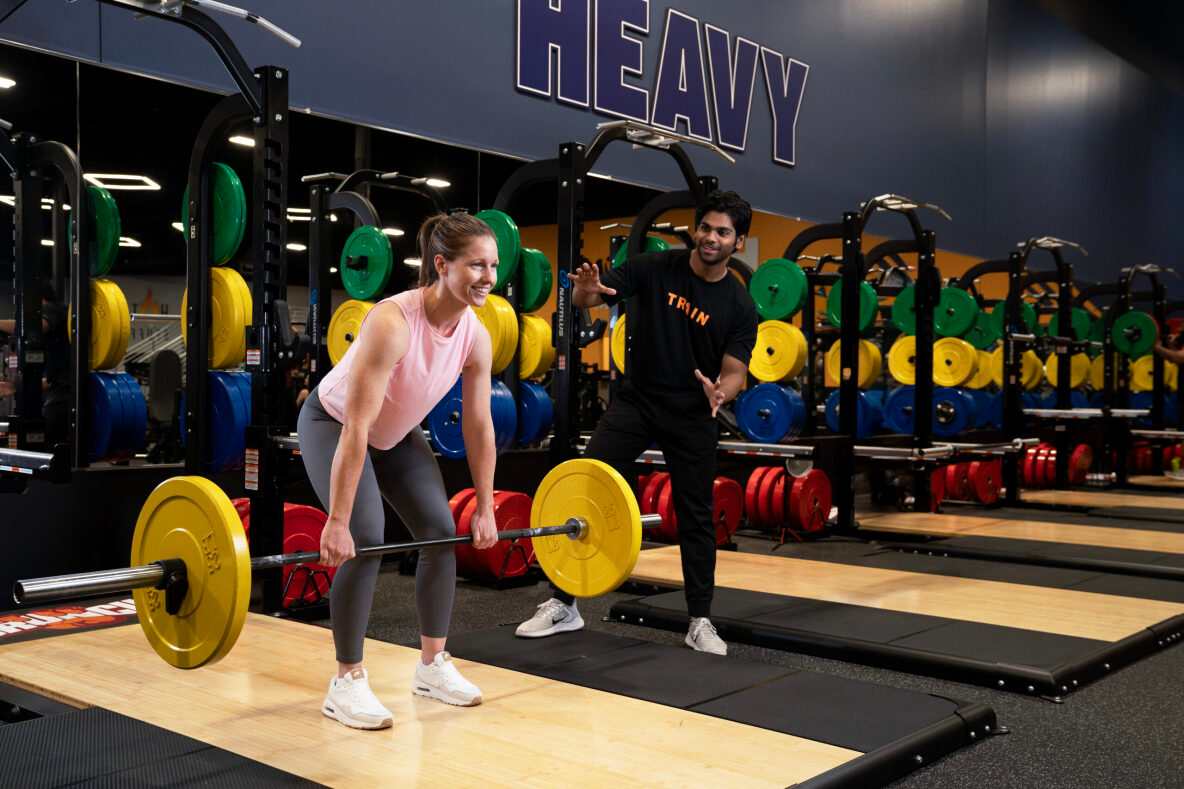
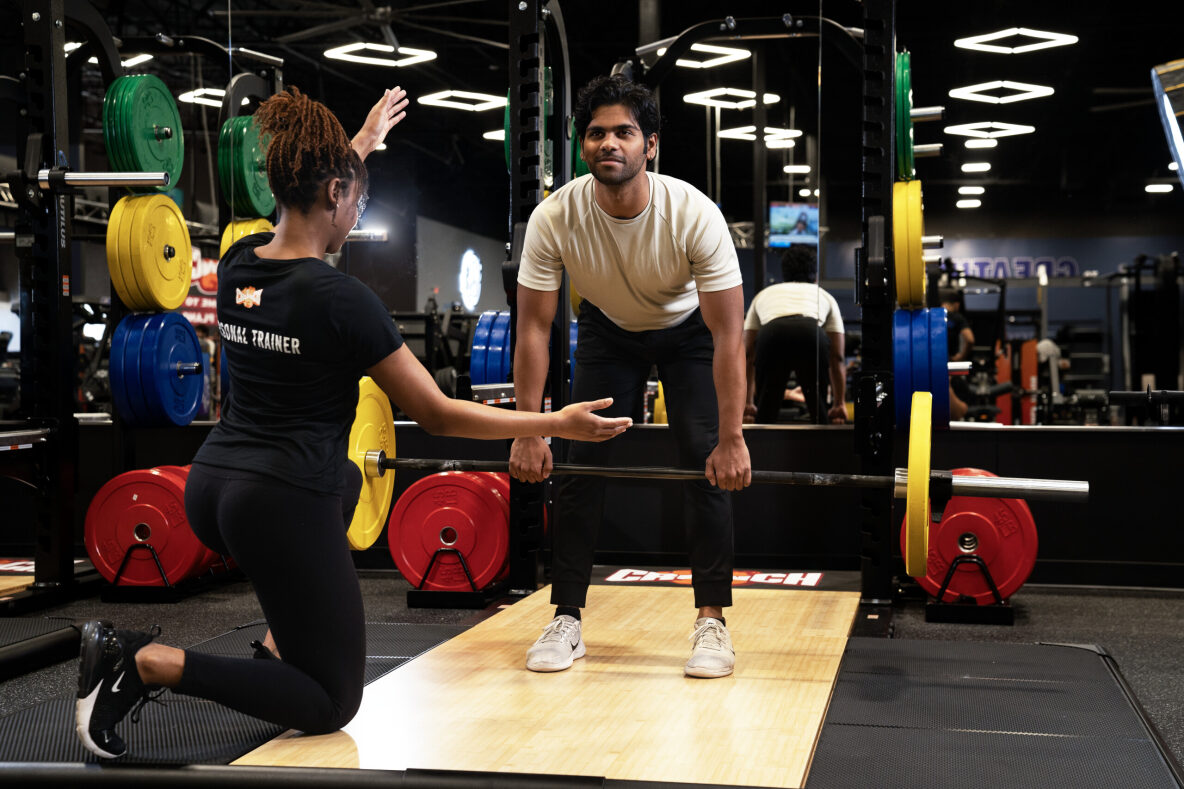
Equipment maintenance depends on trained personnel who operate the equipment according to established standards.
Franchises ensure this by:
- They deliver organized instruction that teaches staff to operate equipment and perform basic troubleshooting tasks.
- They grant certification to technicians and floor staff members who operate approved machines.
- They provide refresher training sessions which take place whenever new equipment models become available.
Training programs establish correct usage methods that show equipment defects at an early stage while protecting member safety.
Use of Maintenance Management Software
Digital systems serve as the primary tracking method for equipment status in most large gym franchises.
Common tools include:
- Computerized Maintenance Management Systems (CMMS)
- Digital maintenance logs and service histories
- Automated alerts for servicing schedules
- Central dashboards for multi-location oversight
Technology enables organizations to execute ongoing monitoring processes while using data to support their decision-making activities.
Spare Parts Management and Inventory Control
Spare parts unavailability leads to equipment downtime problems. Franchises use organized inventory systems to deal with this issue.
Best practices include:
- Organizations need to keep essential parts to their essential minimums.
- Central or regional spare-parts storage
- Organizations need to monitor part usage to create demand forecasts.
Effective inventory control systems enable organizations to complete repairs faster while maintaining equipment availability.
Safety Compliance and Risk Management
Safety standards create mandatory requirements for all fitness facilities.
Gym franchises maintain compliance by:
- Conducting routine safety inspections
- Maintenance of service and inspection records
- Ensuring emergency stops and safety features are functional
- Organizations need to follow local regulations together with insurance requirements.
Robust safety procedures safeguard both members and staff while protecting the reputation of the organization.
Quality Audits and Performance Reviews
Locations maintain standards through regular audits which confirm compliance with established rules.
The following items may be included in the project scope:
- Planned equipment checks
- Unannounced evaluations by company personnel
- Branch performance assessment scorecards
- Plans to address compliance violations
Audits help identify gaps and reinforce accountability.
Member Feedback and Issue Reporting Systems
Member input serves as a vital method for maintaining quality control.
Franchises encourage feedback through:
- In-app reporting tools
- QR-based feedback systems
- Front-desk reporting protocols
The organization keeps a complete record of all feedback which they evaluate and respond to in order to ensure equipment stays operational.
Key Metrics Used to Track Equipment Standards
Franchises typically monitor:
- Equipment uptime percentage
- Mean Time Between Failures (MTBF)
- Mean Time to Repair (MTTR)
- Maintenance compliance rate
- Safety incident frequency
The metrics enable leaders to evaluate performance while they use those results for operational enhancement decision-making.
Conclusion
The success and credibility of gym franchises depend on their ability to maintain consistent equipment standards. The organization needs to establish standardized procedures for equipment management through its staff training programs, maintenance requirements, and installation of technological systems.
The combination of these components enables franchises to decrease equipment downtime while increasing safety and providing their members with consistent workout services throughout all locations. The systems become more effective through the implementation of regular audits, data-driven decision processes and defined responsibility measures.
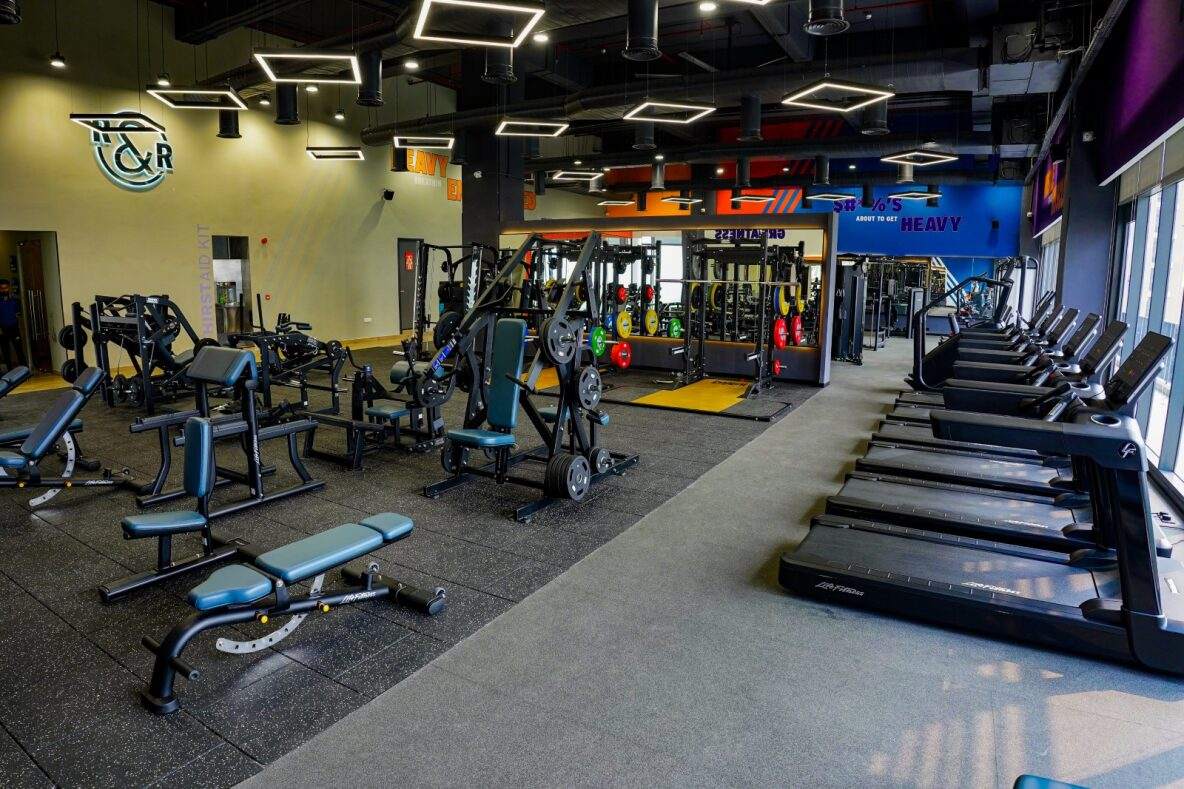
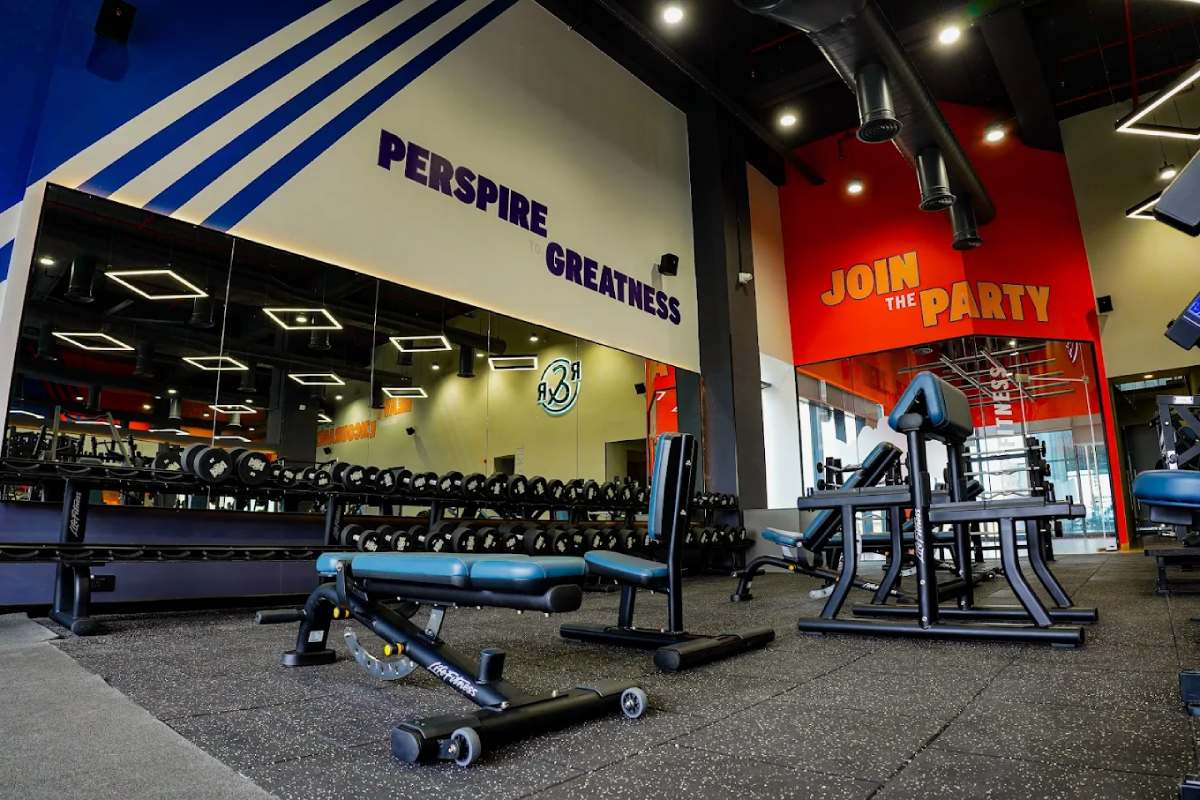
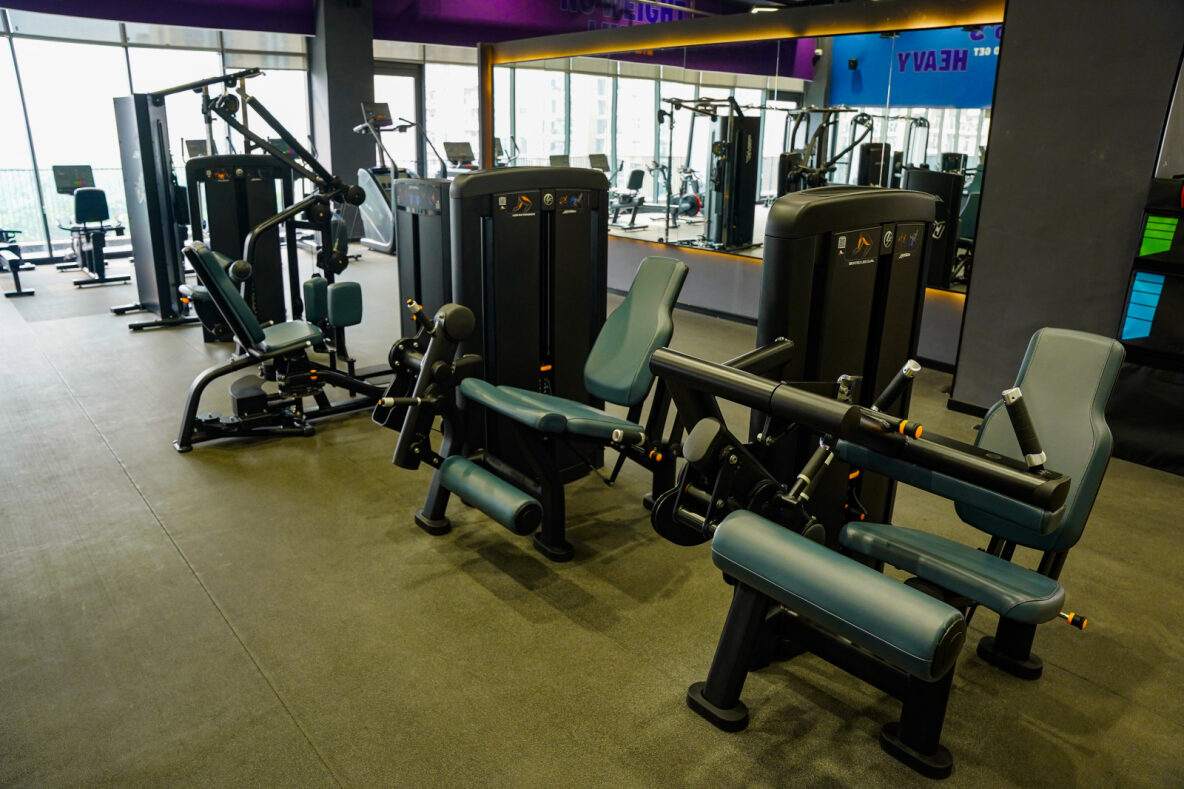
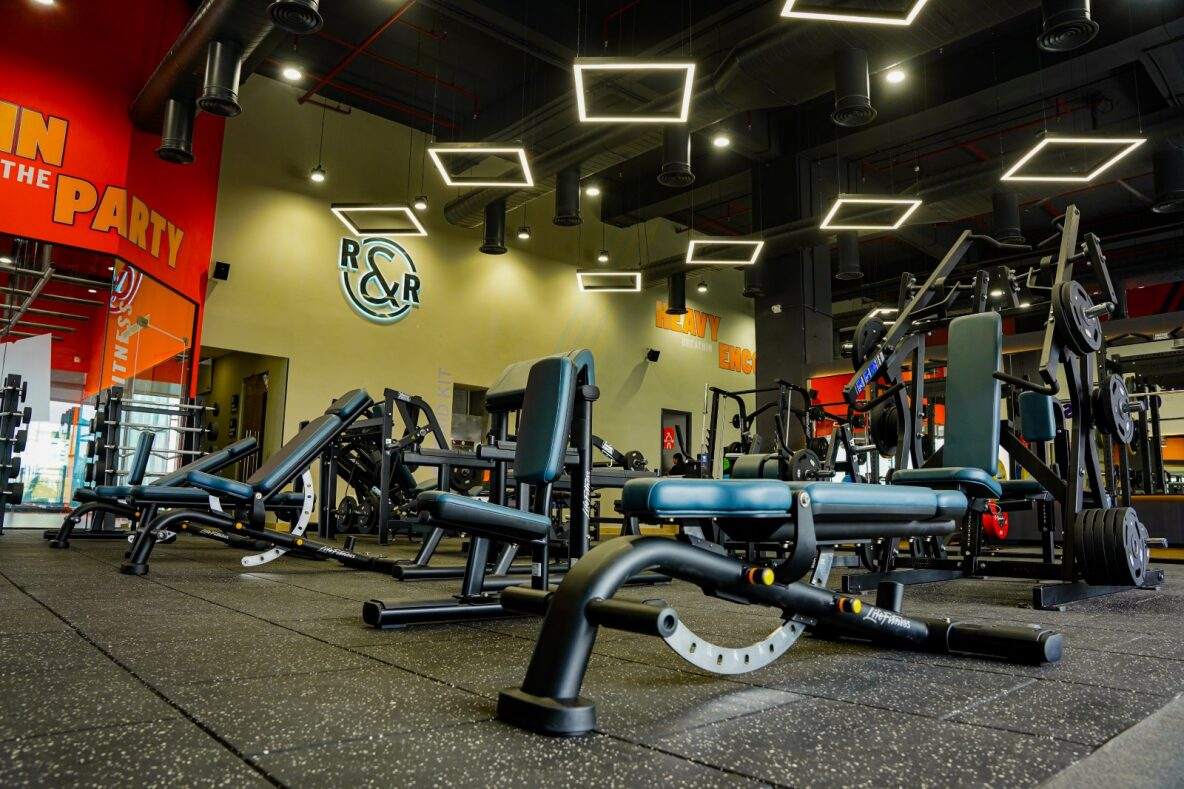
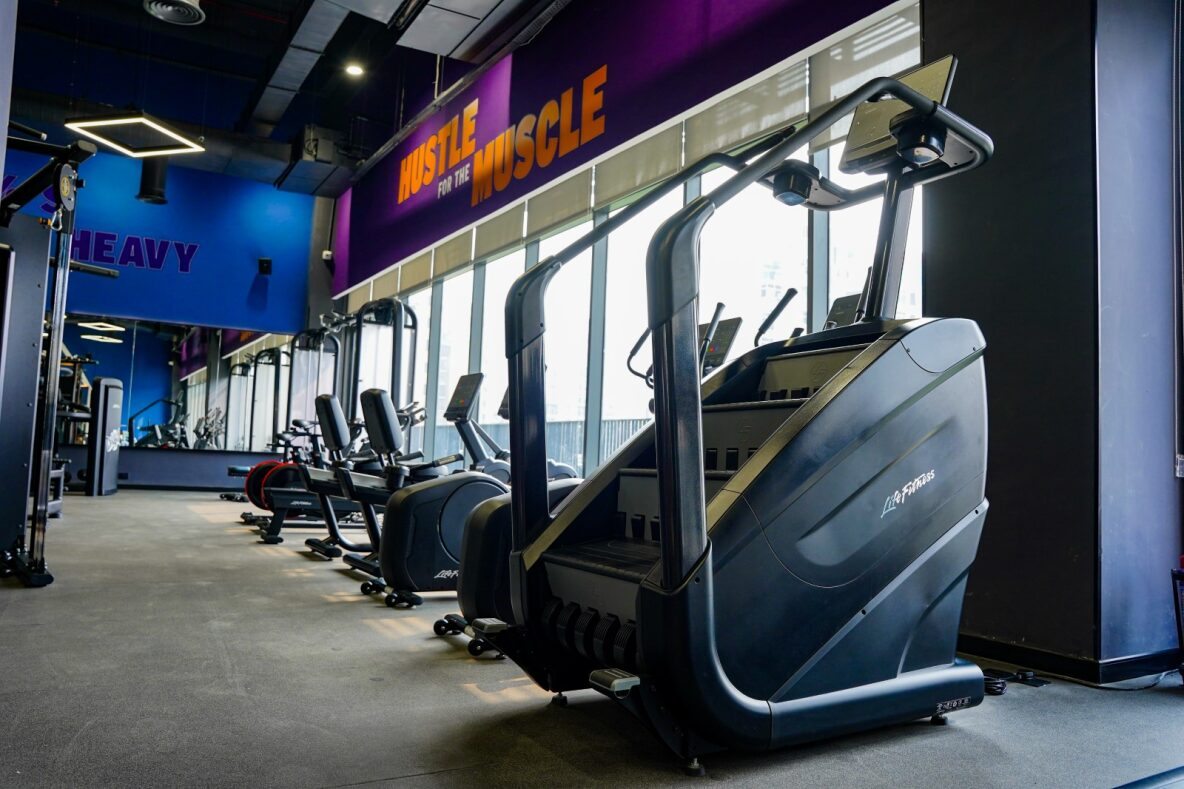
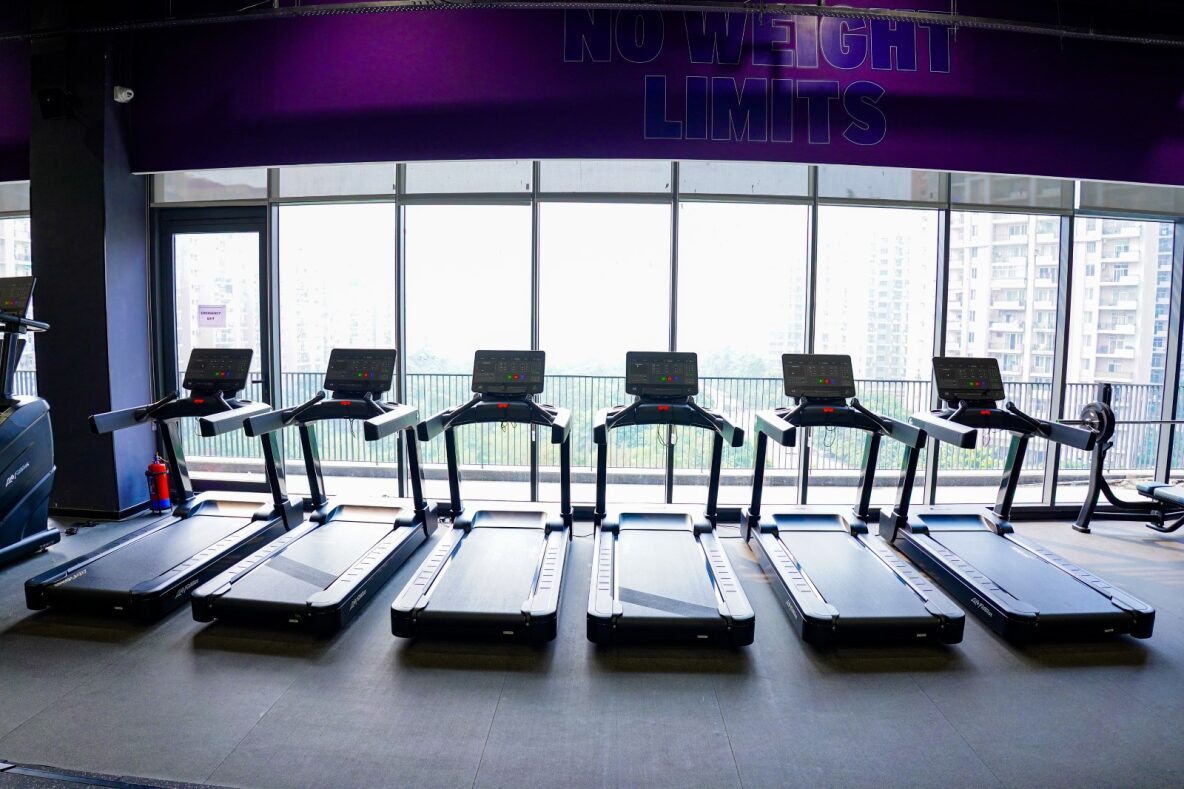
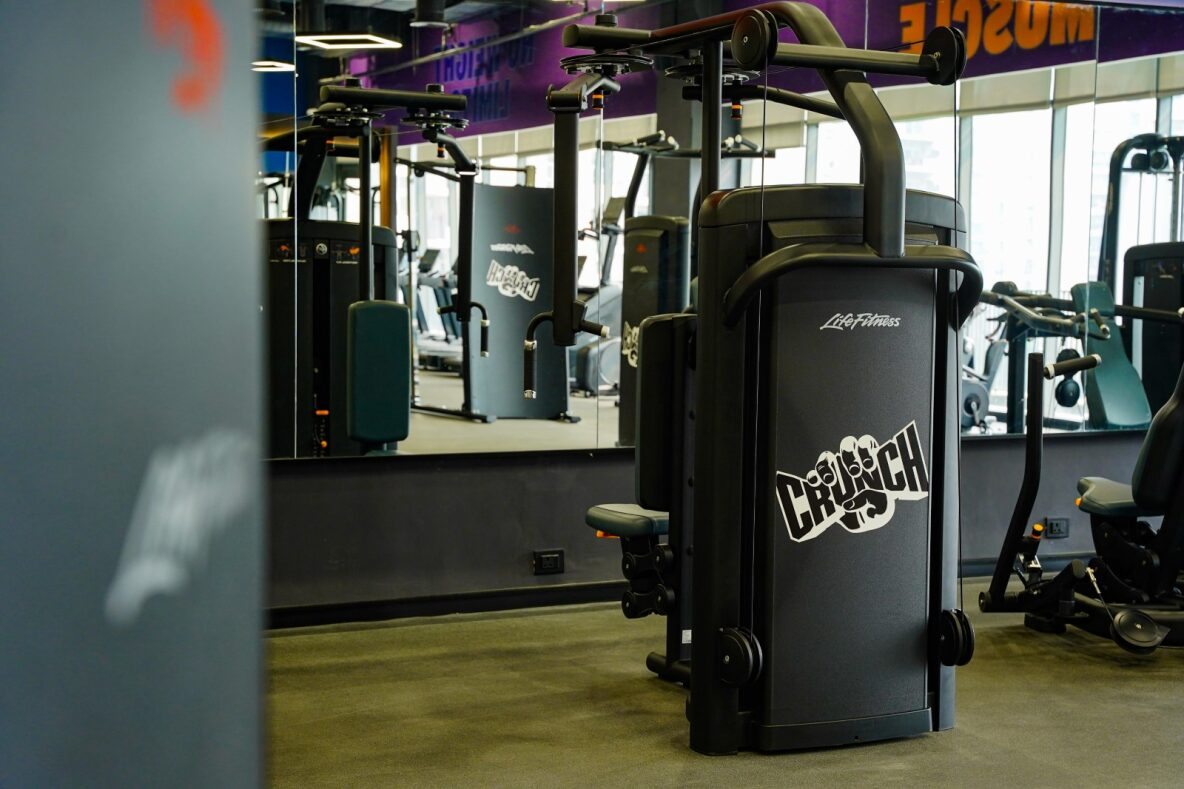
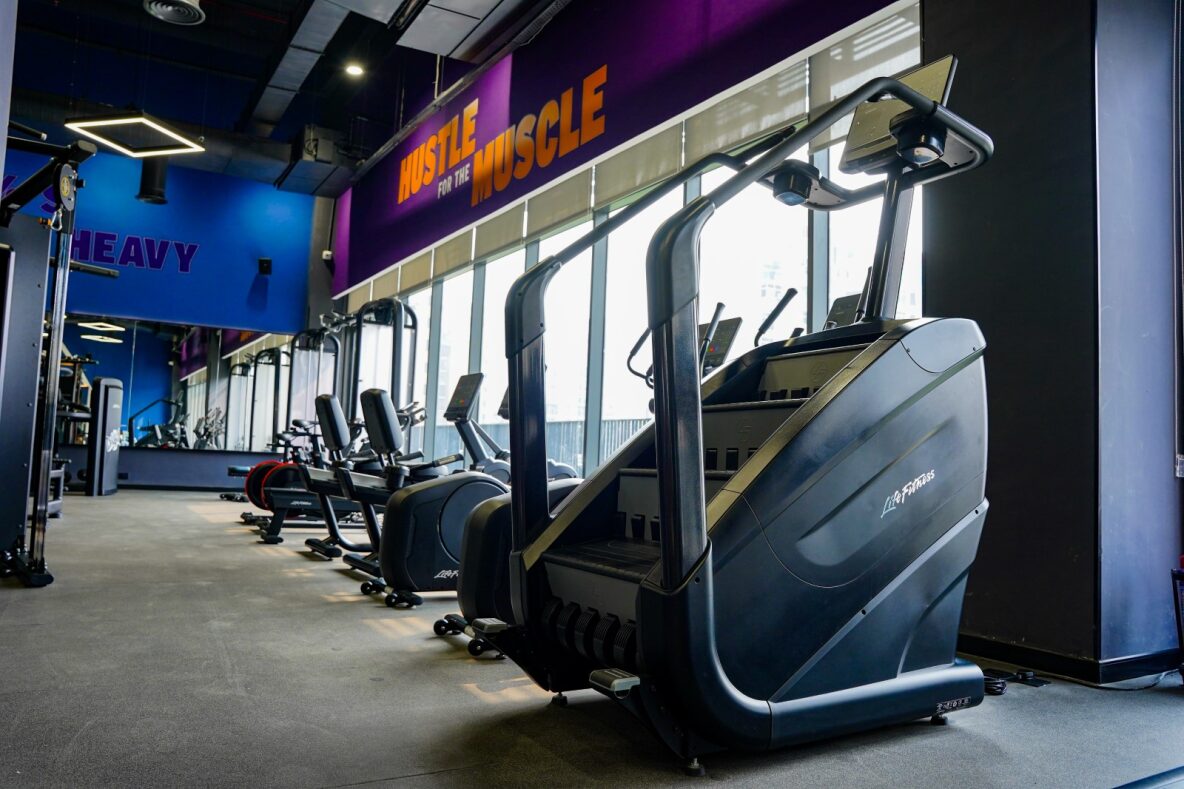
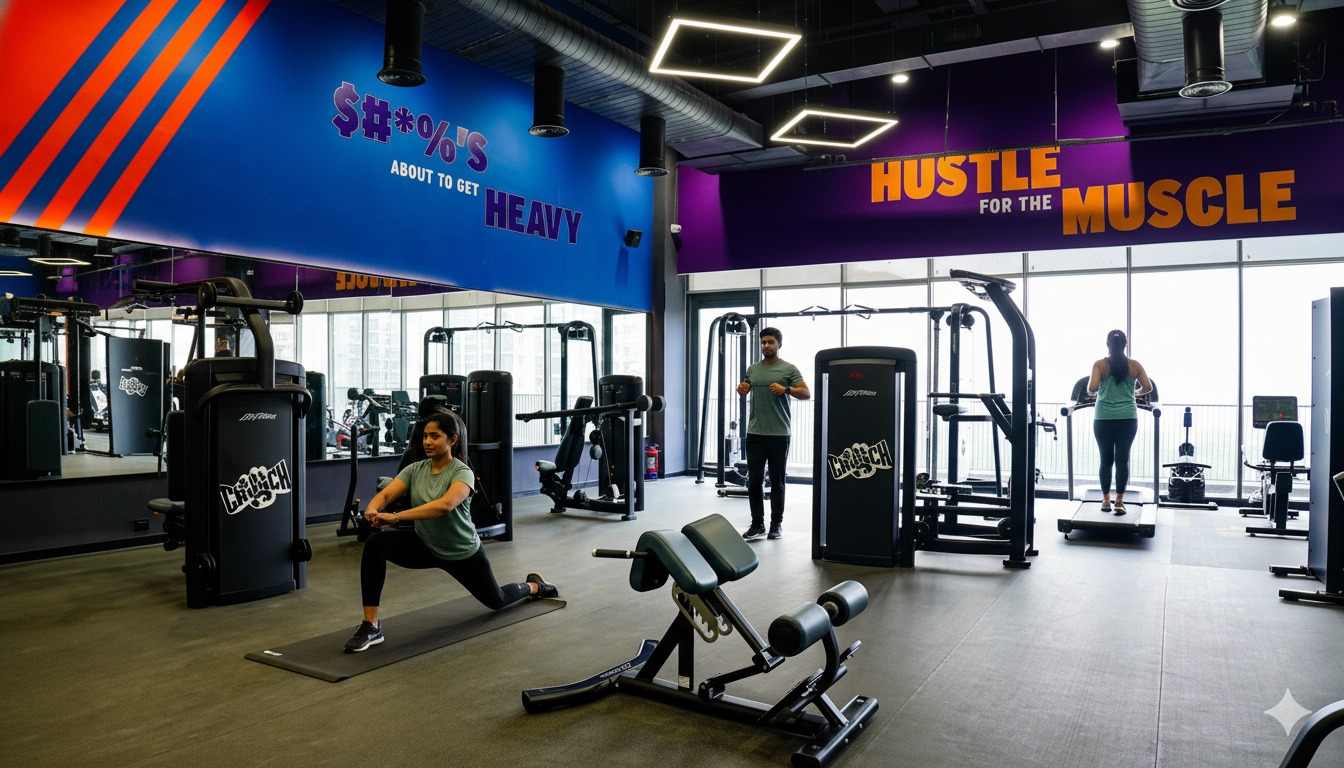
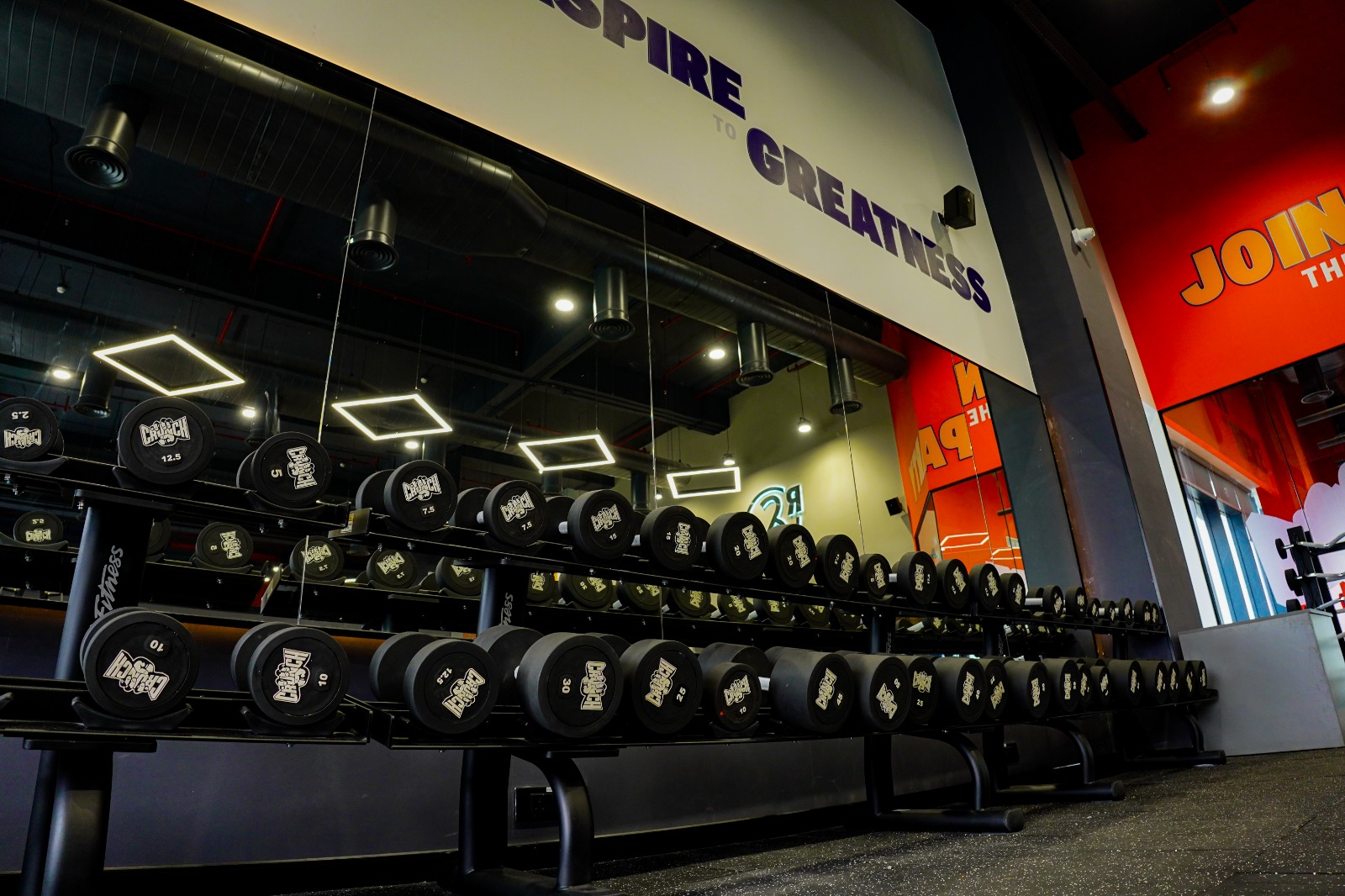
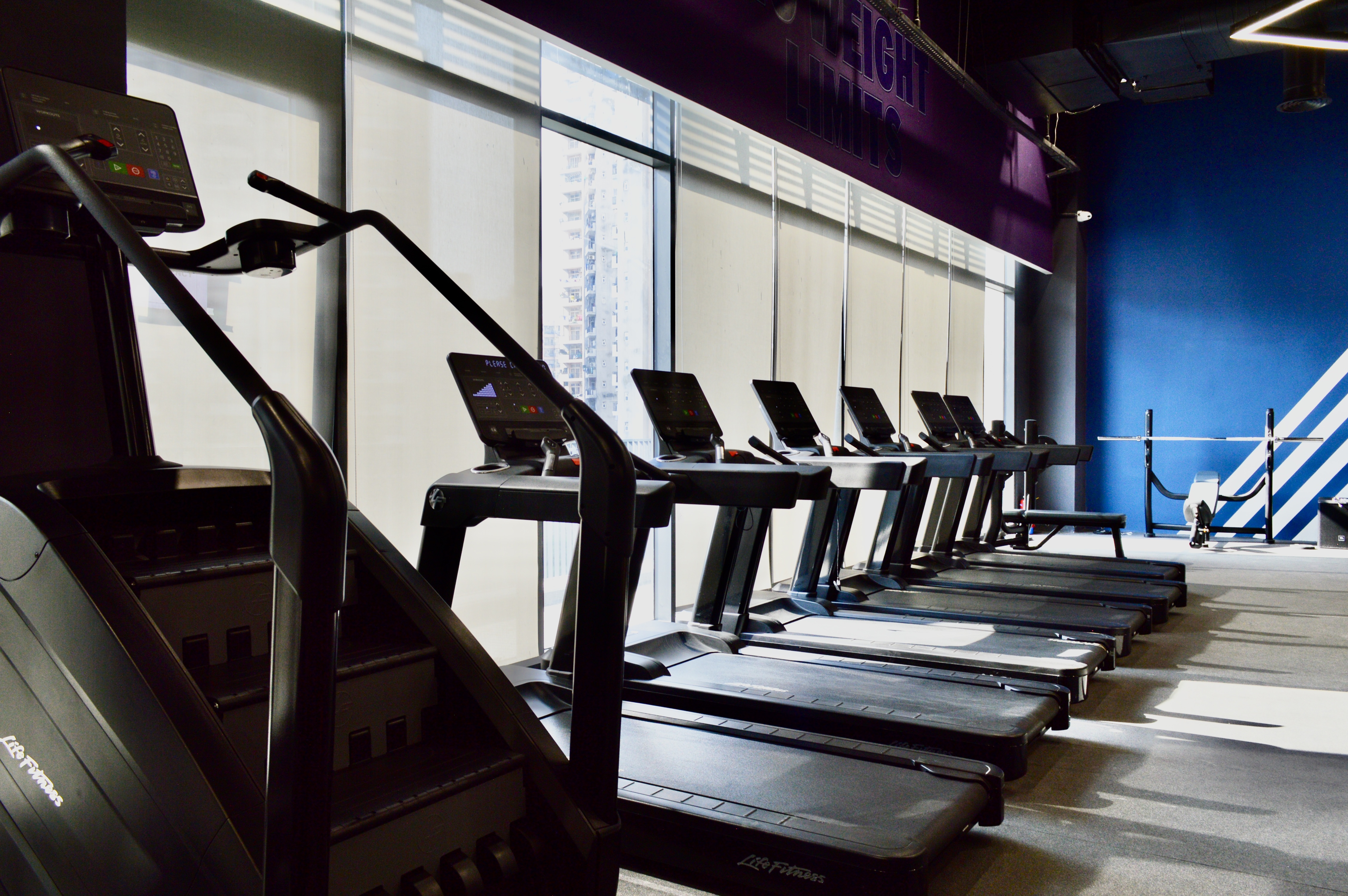
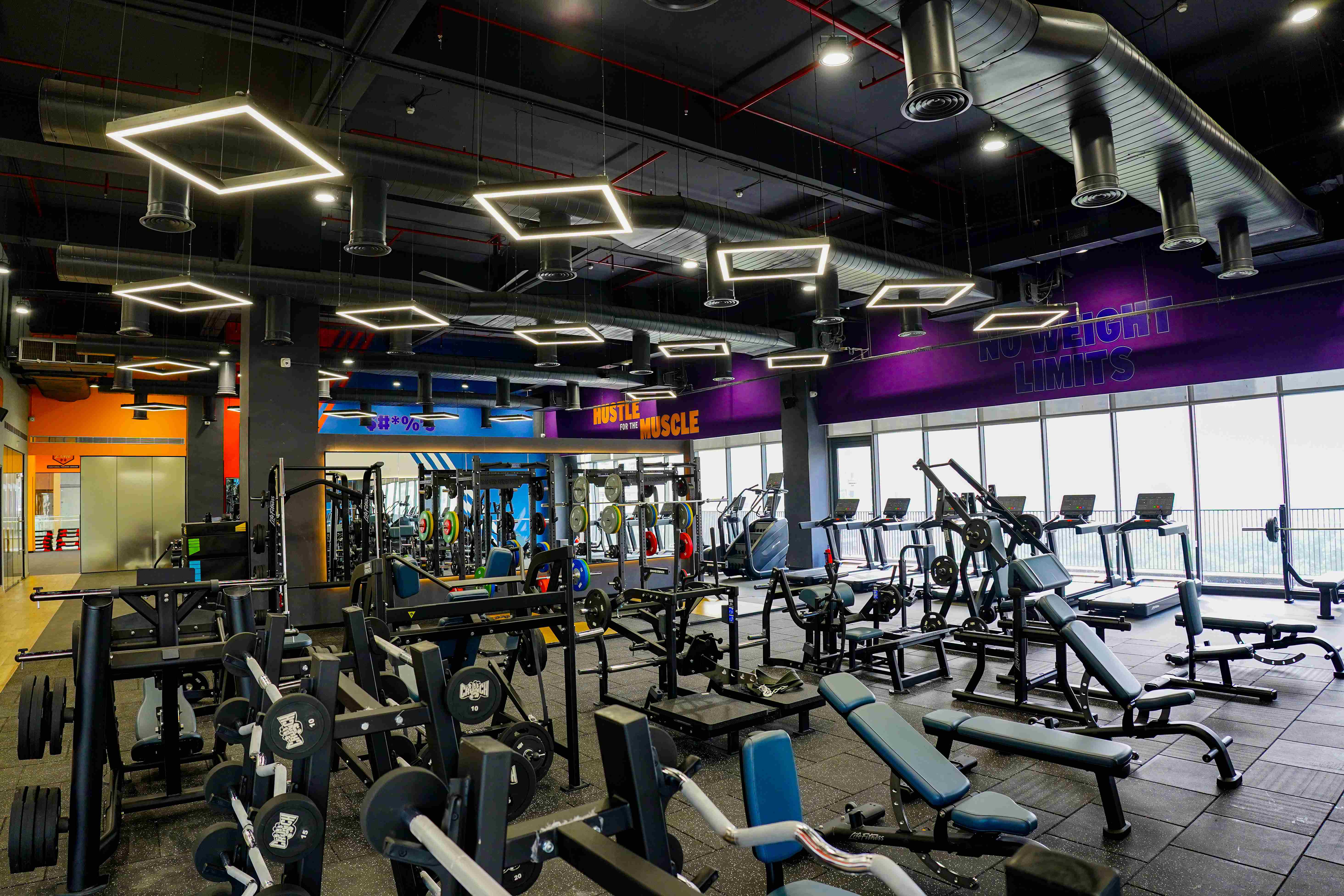
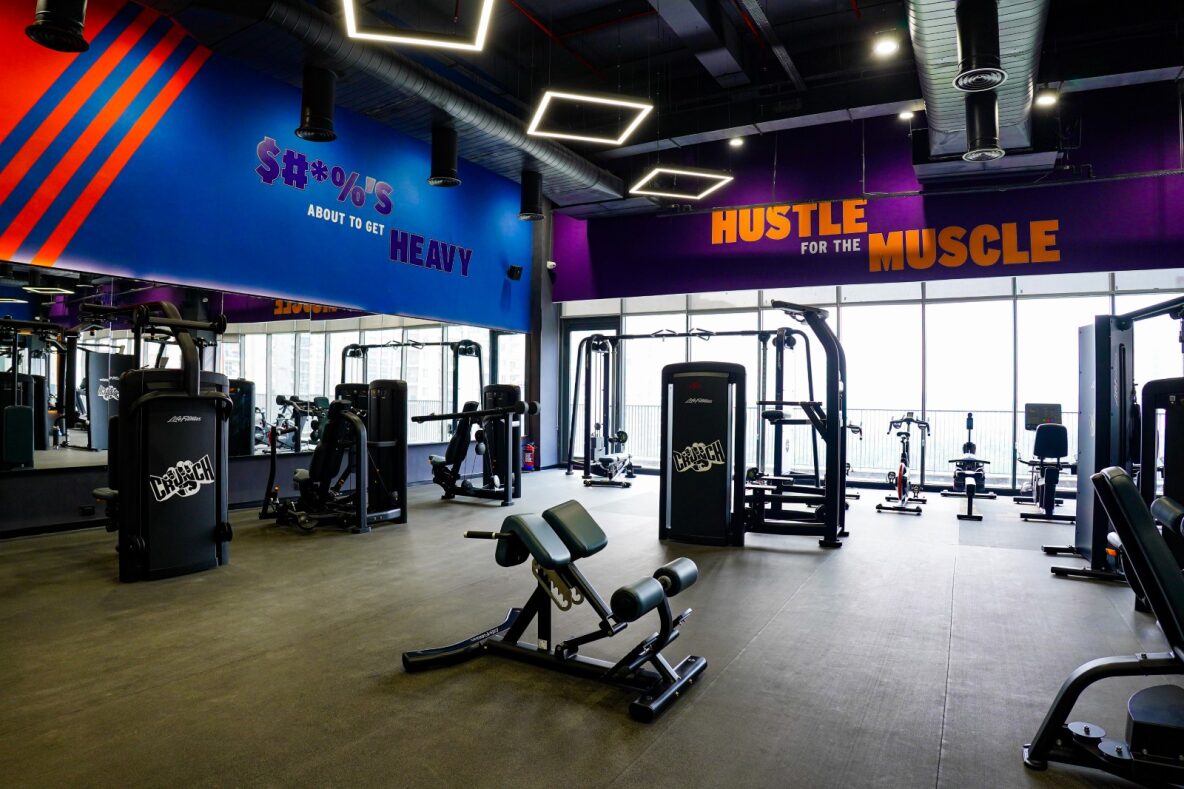
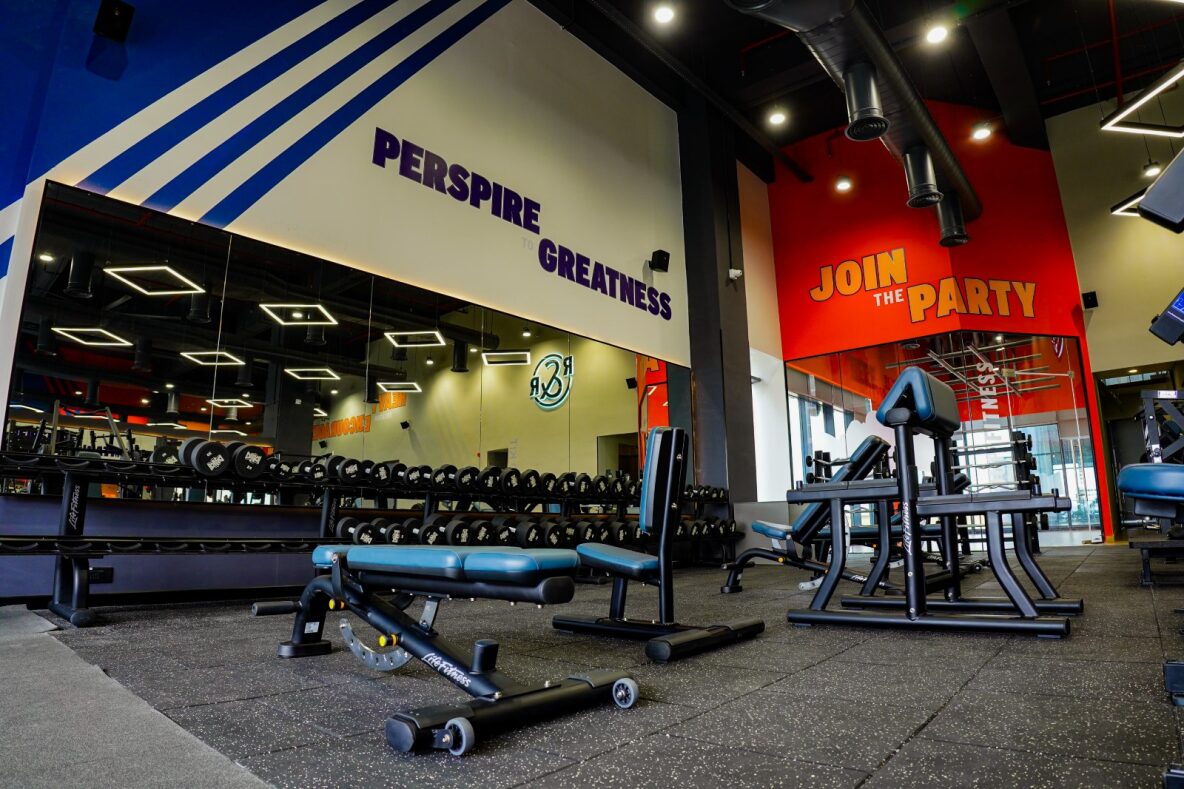
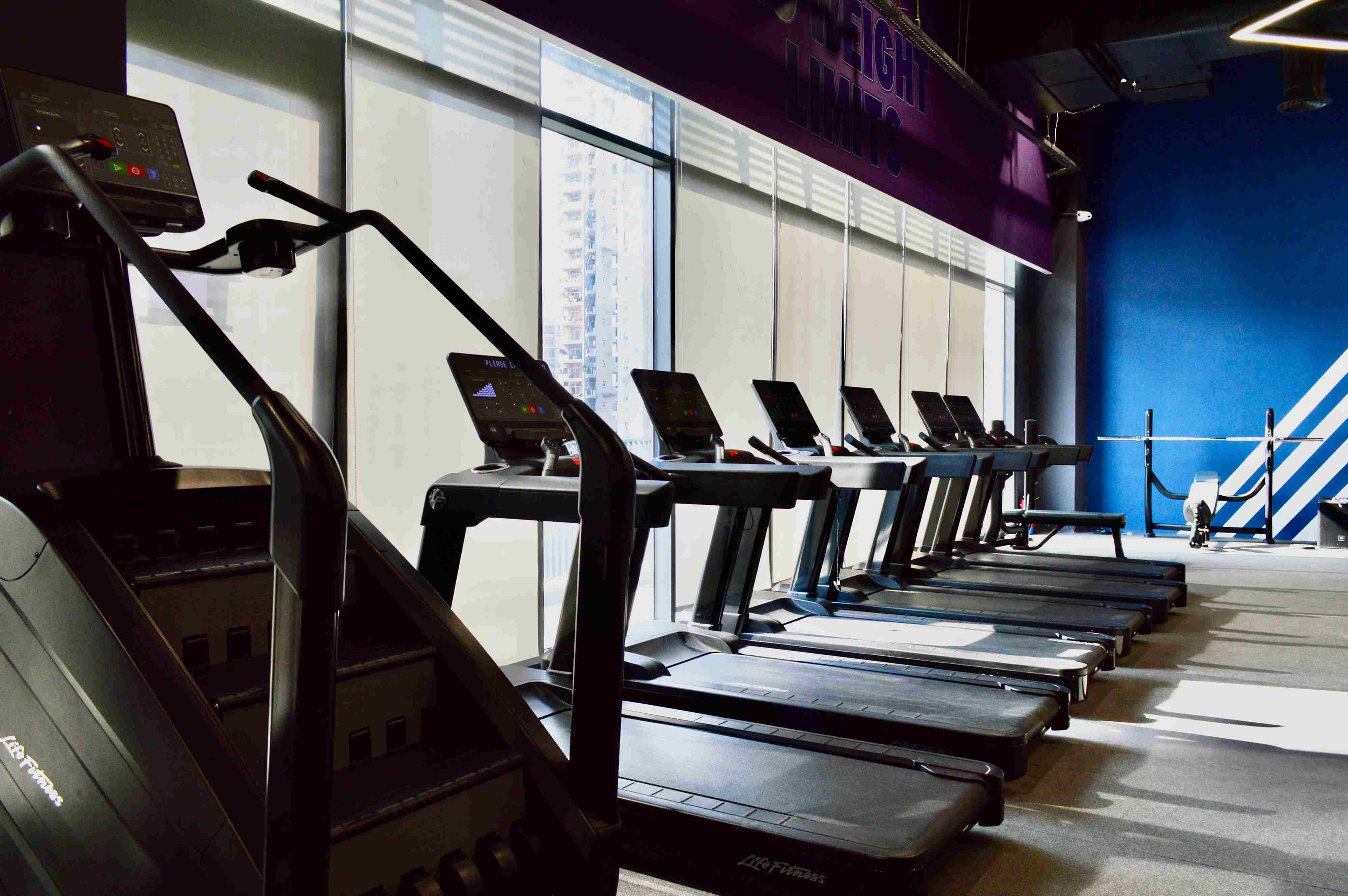
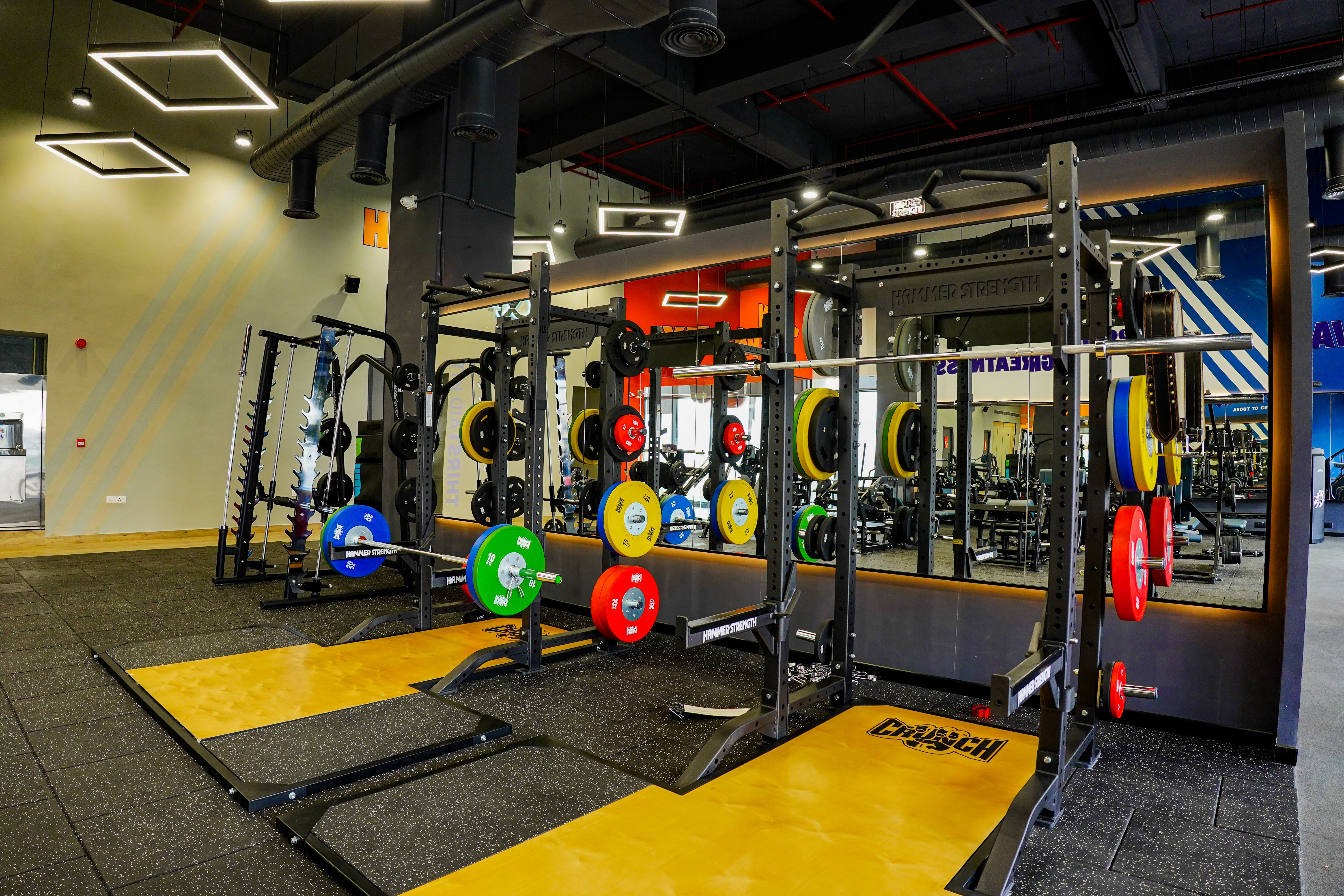
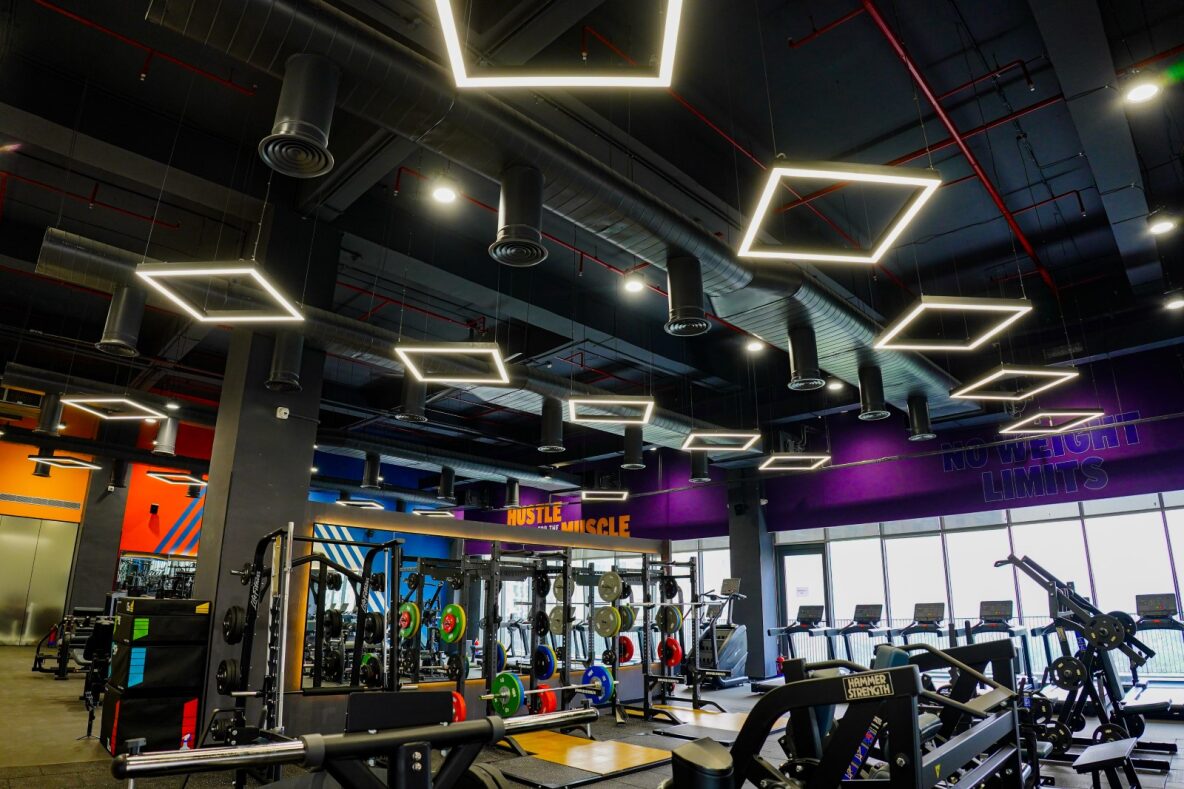
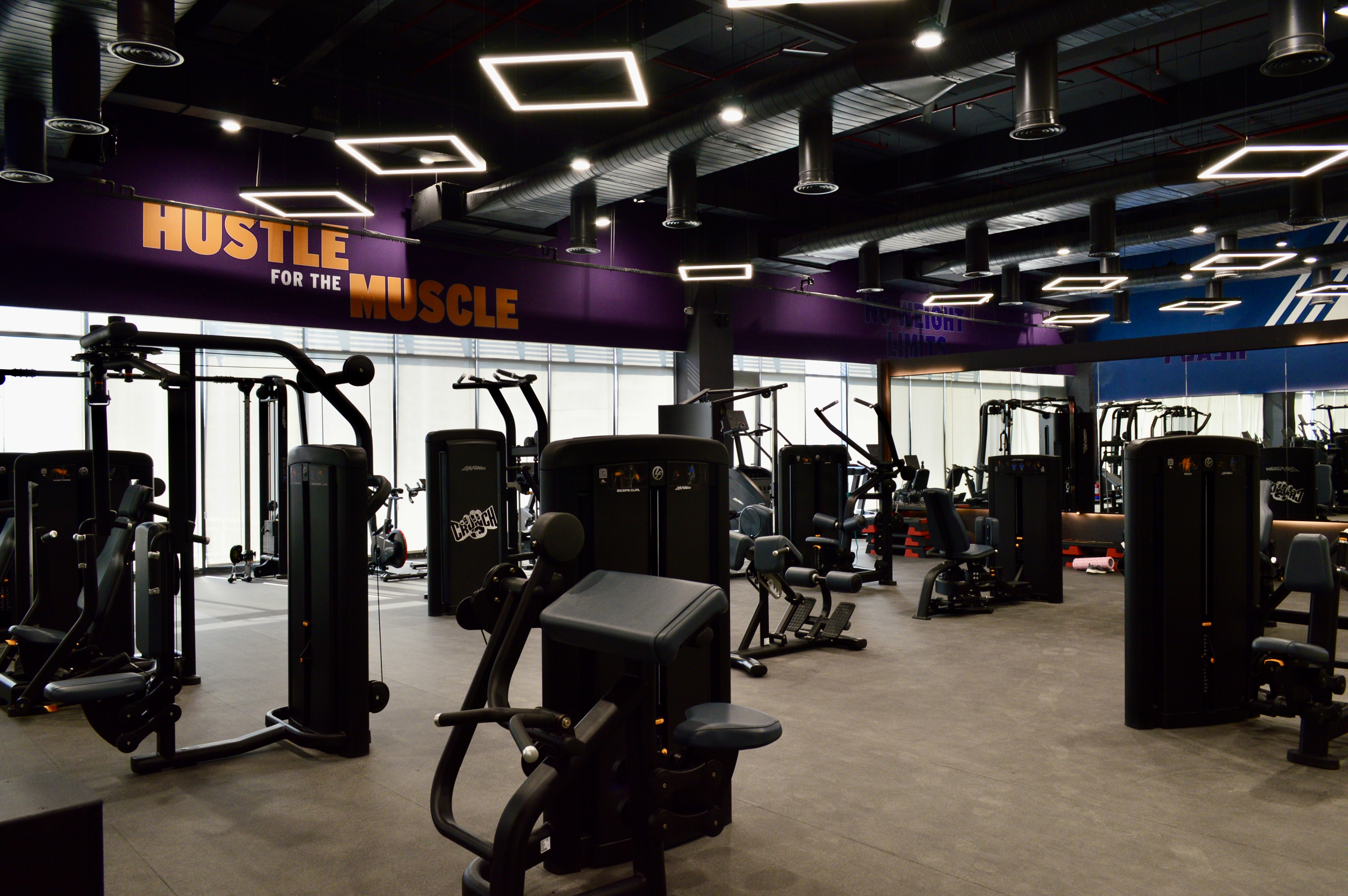
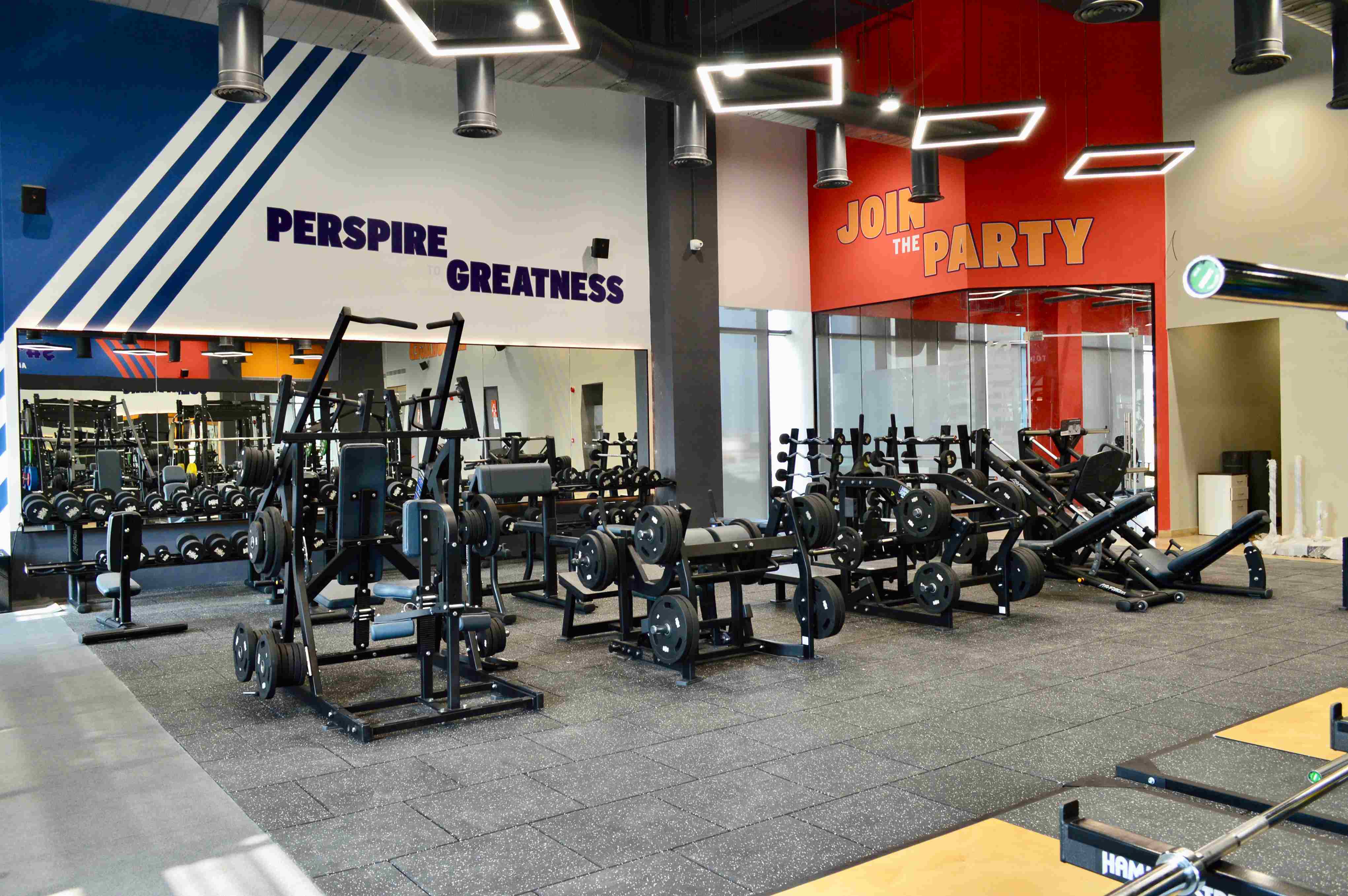
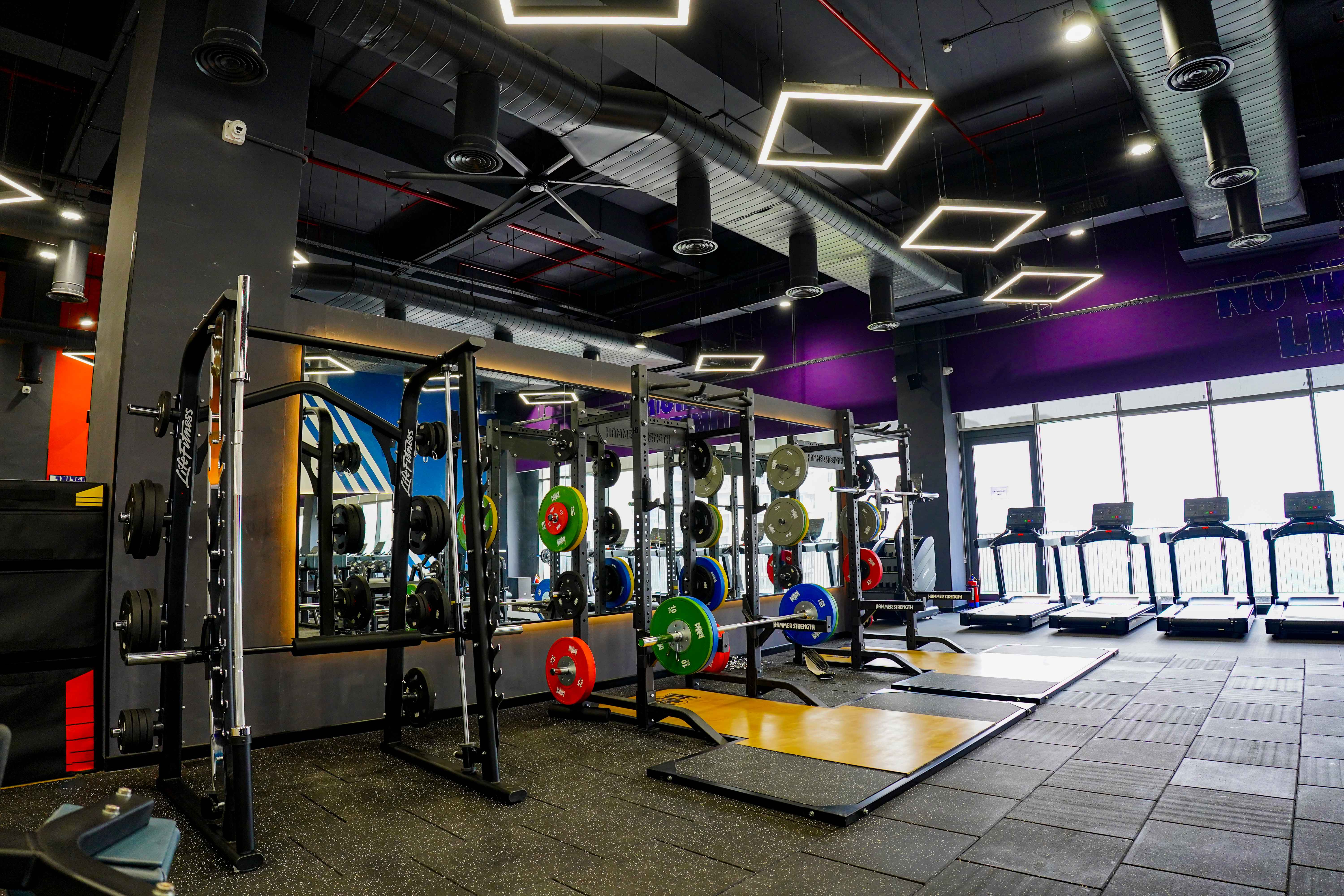
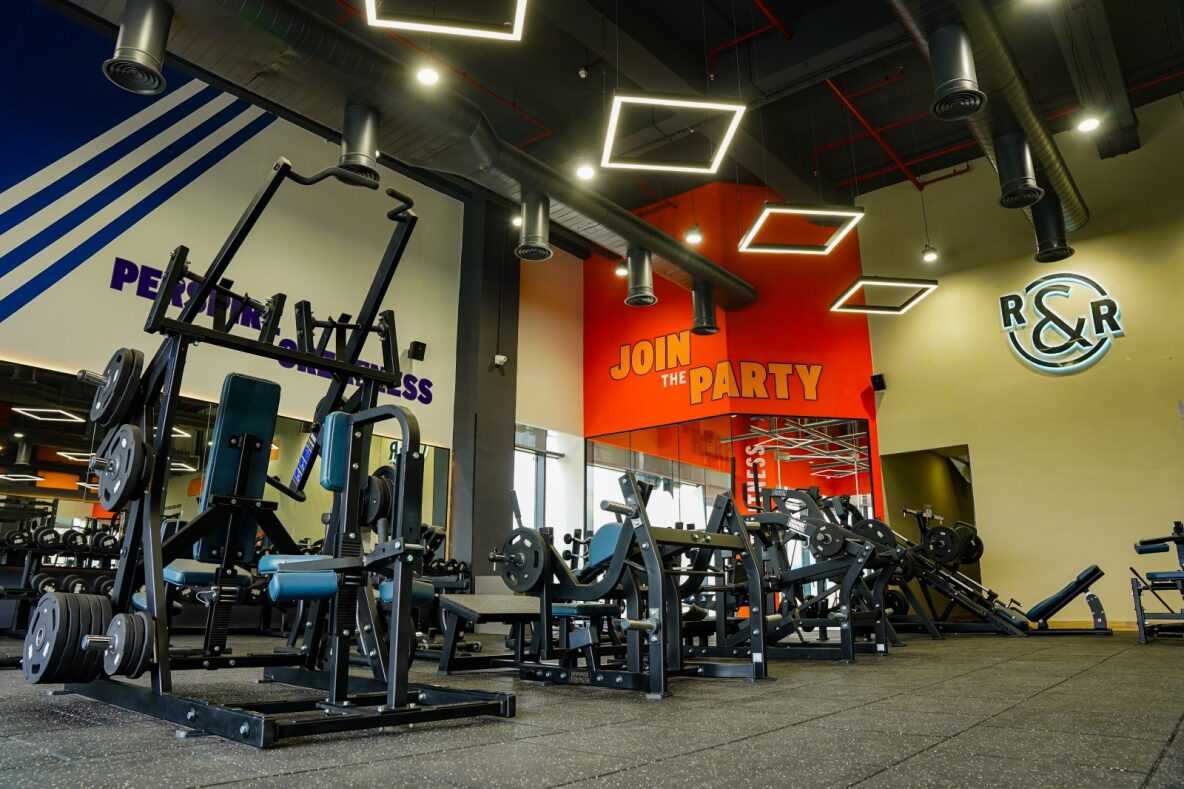
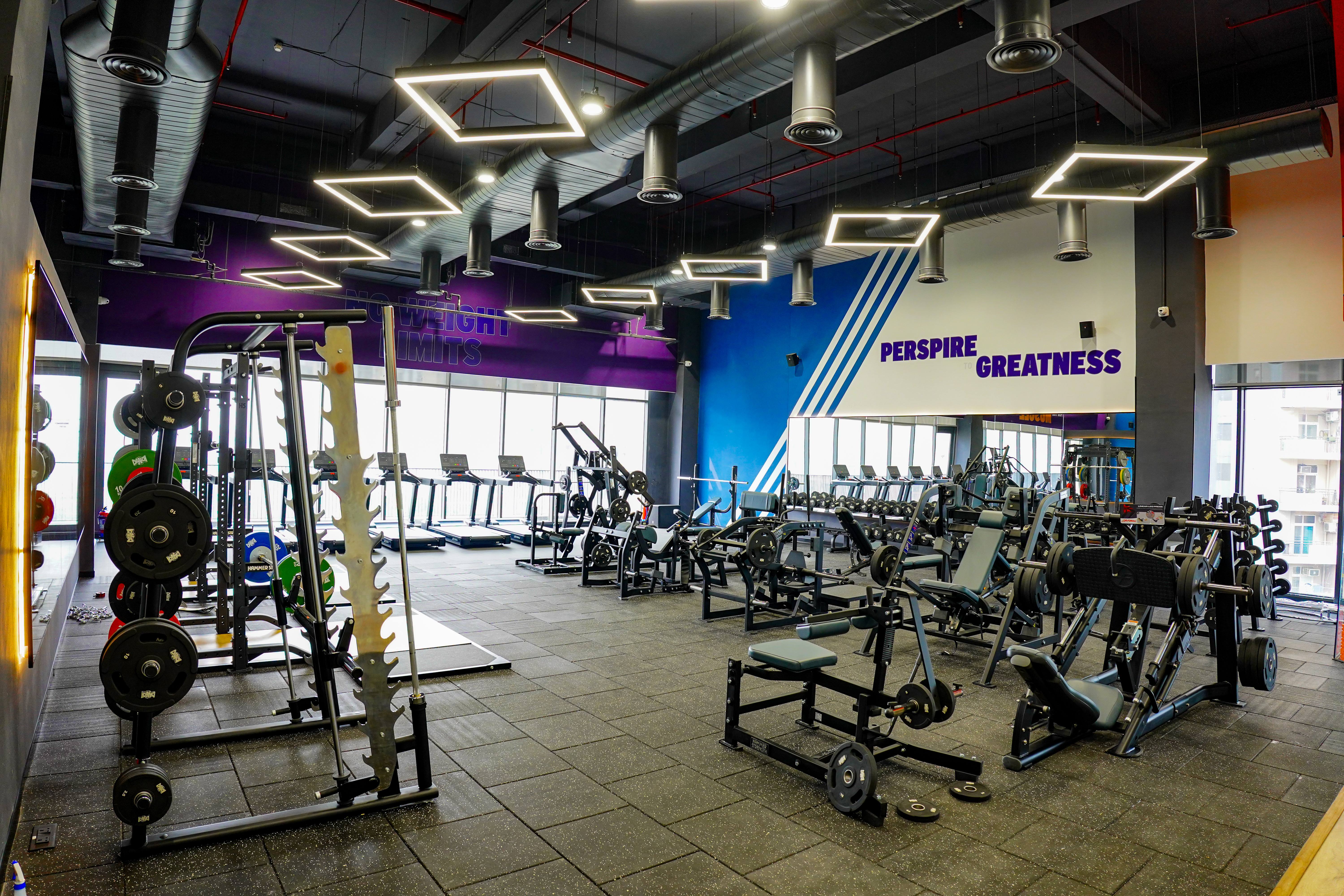
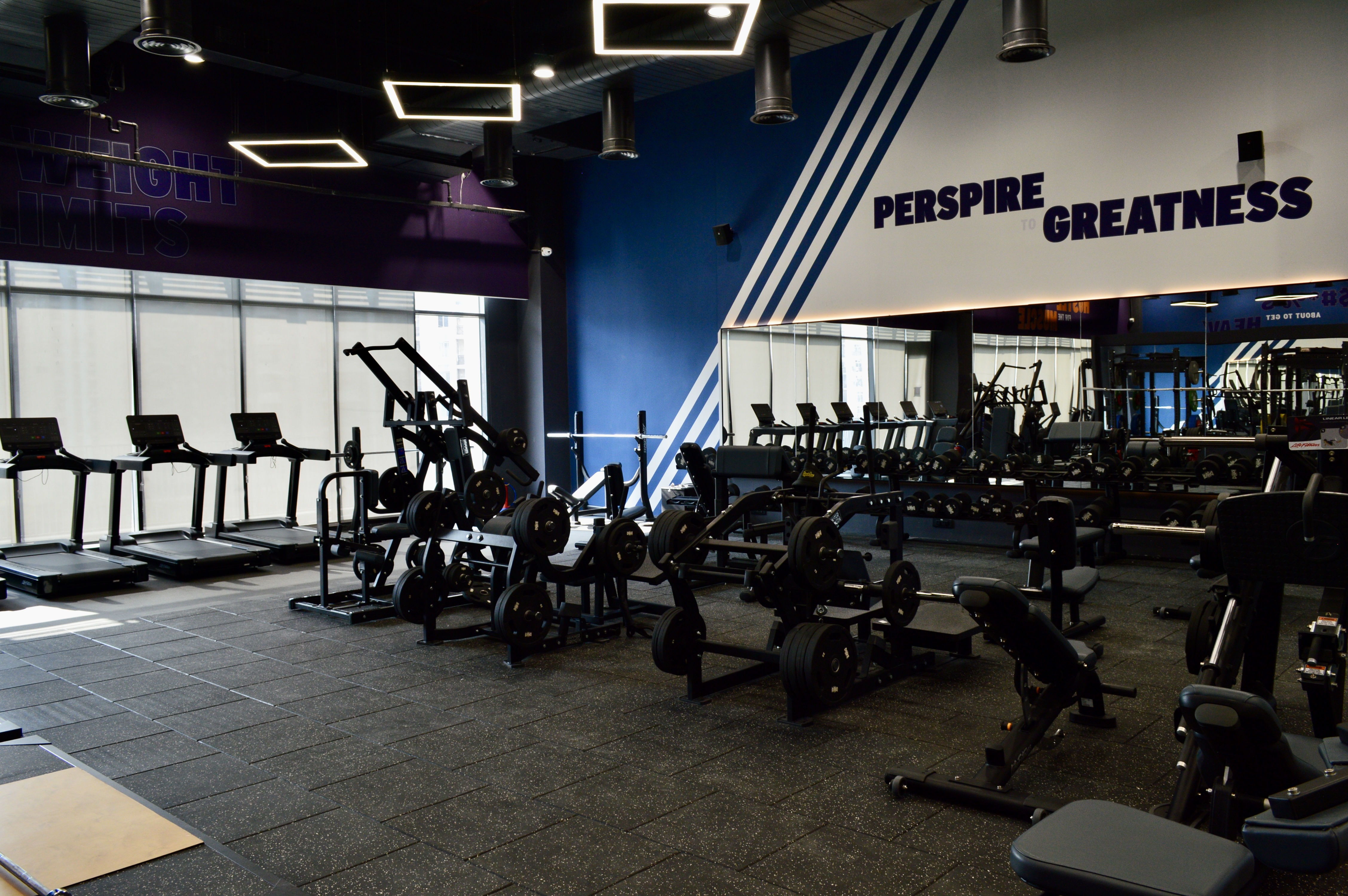
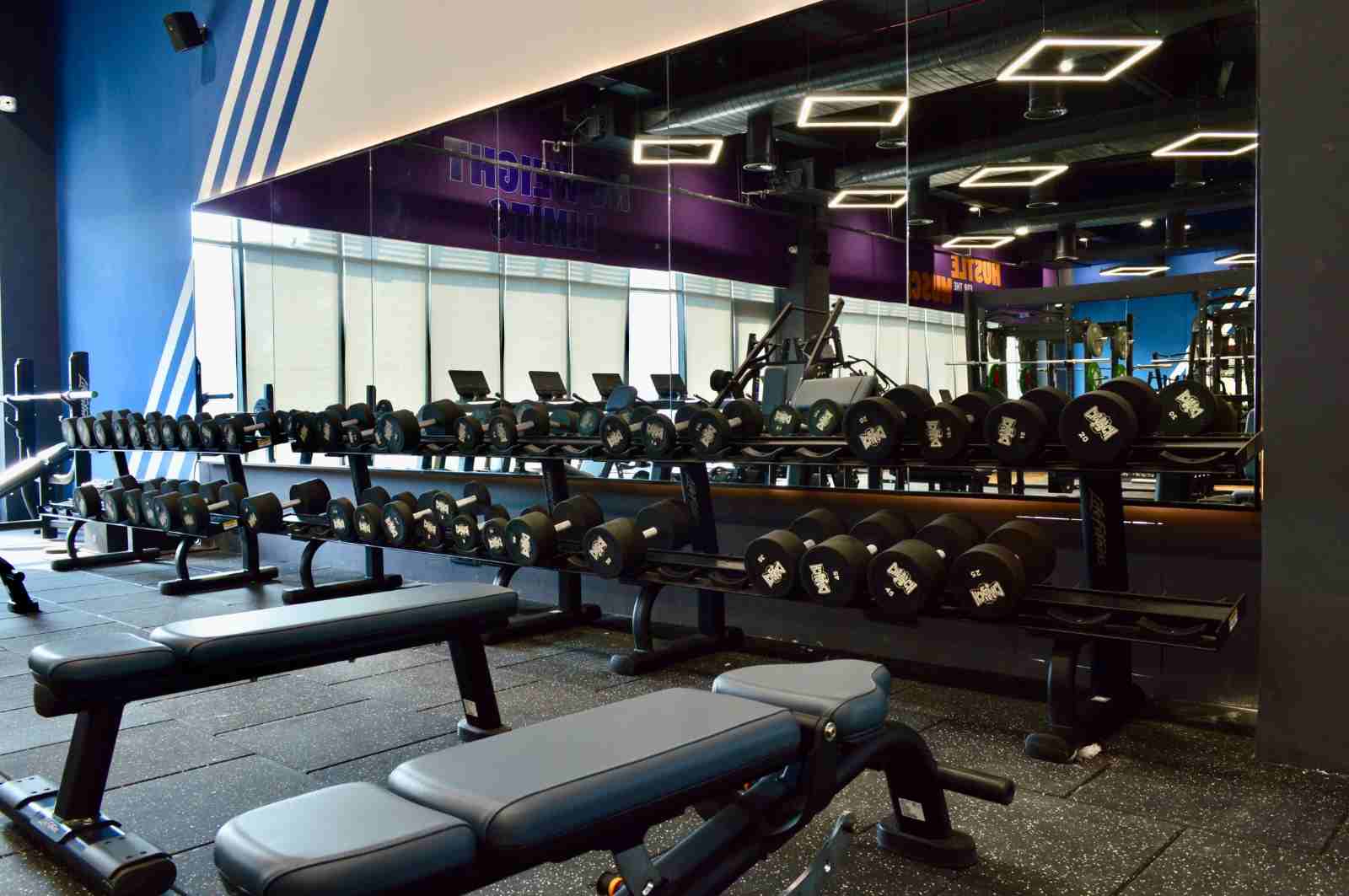
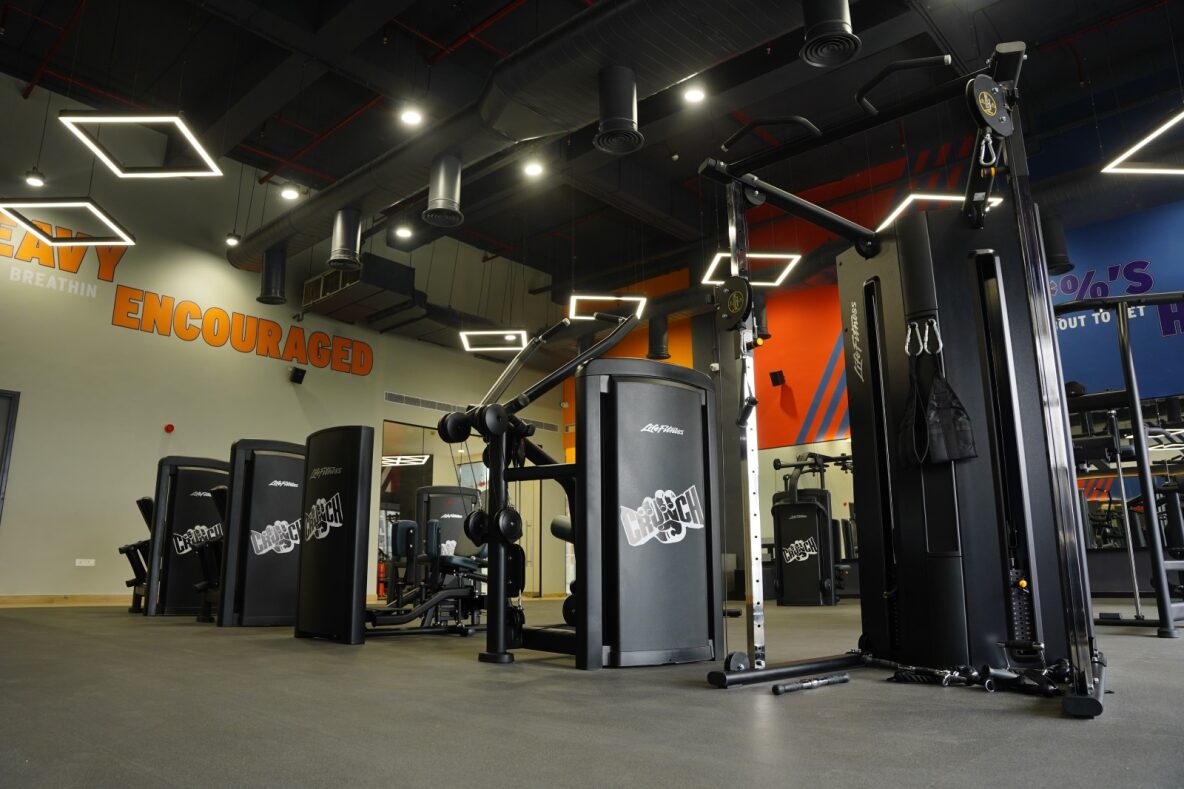
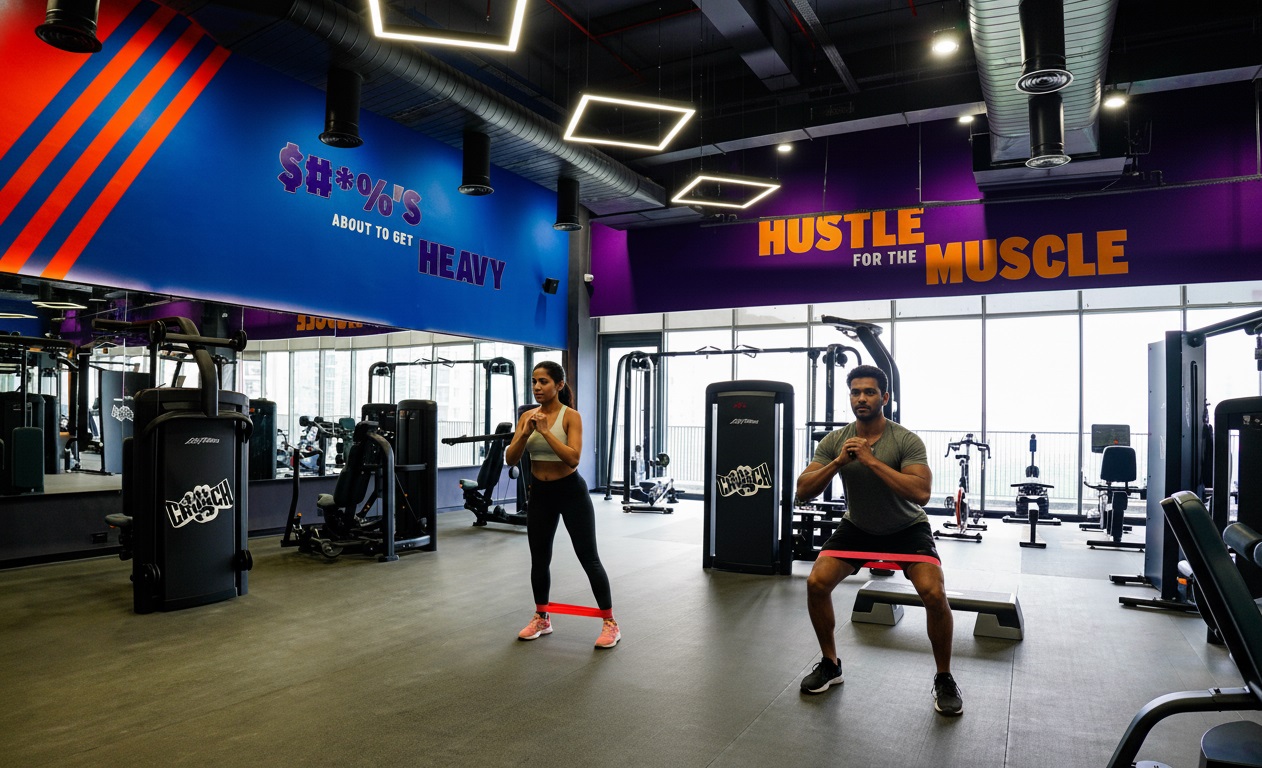
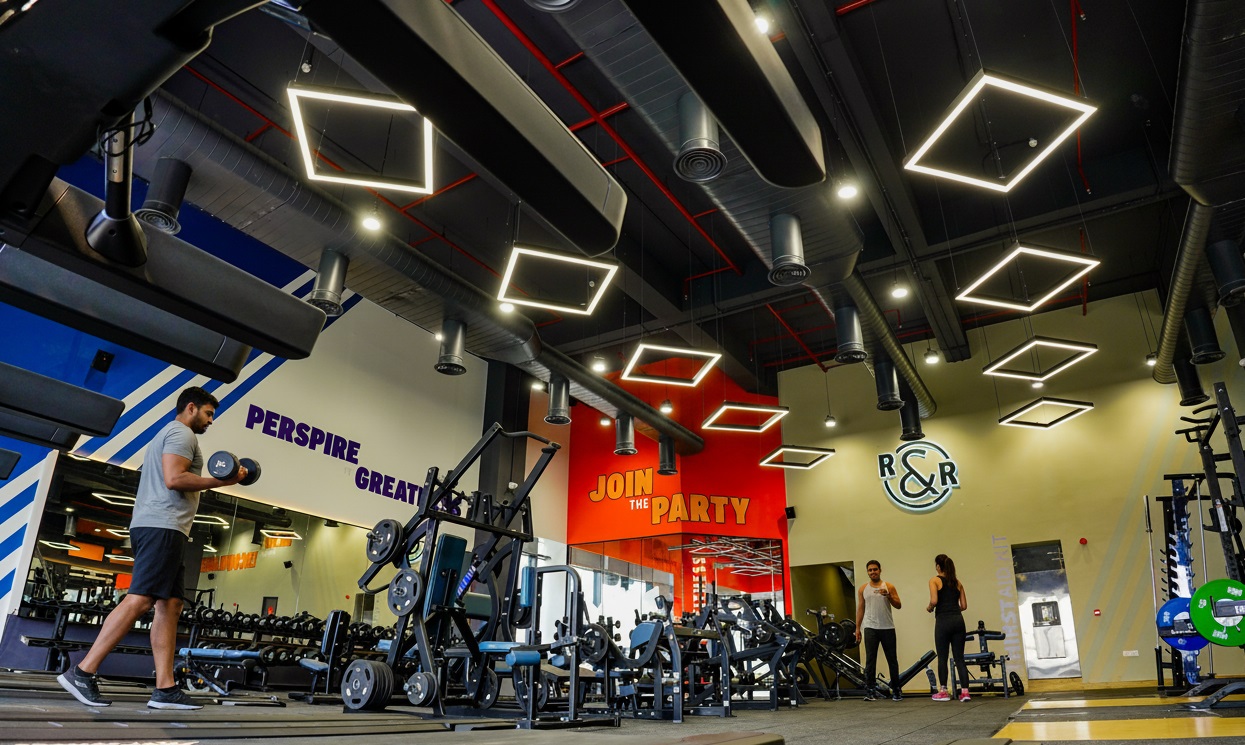
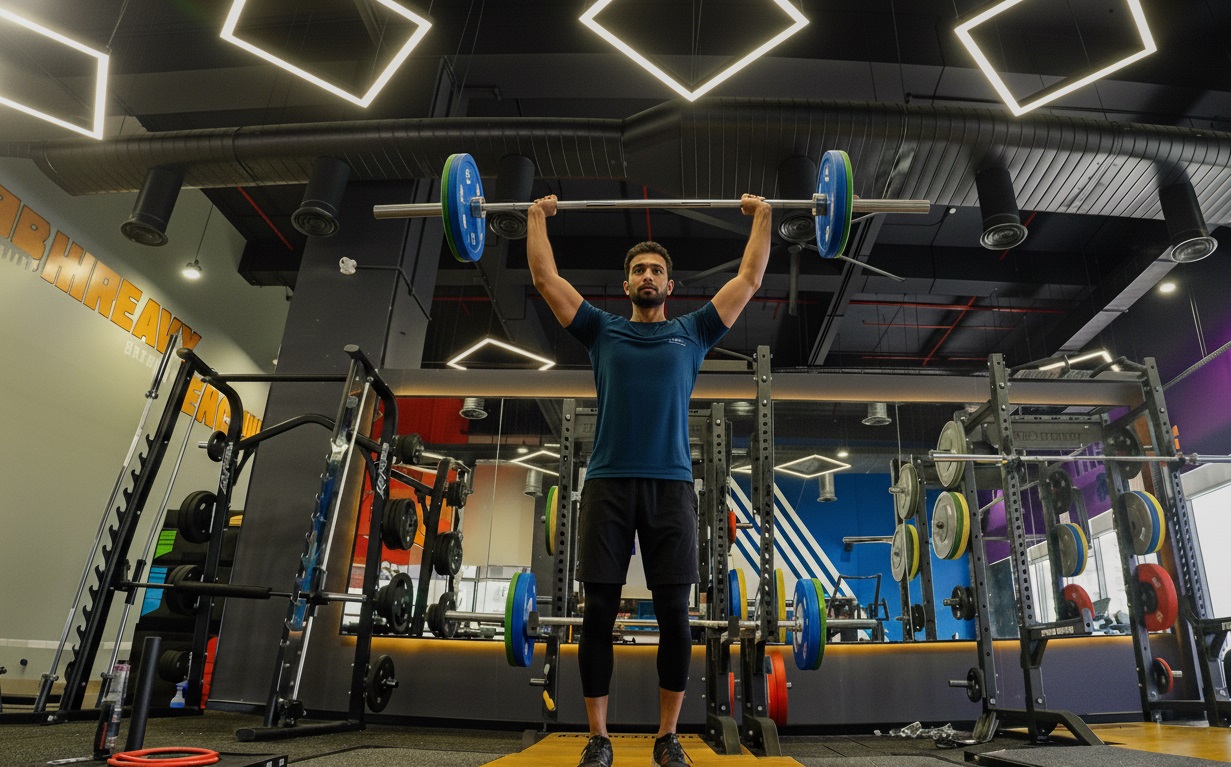
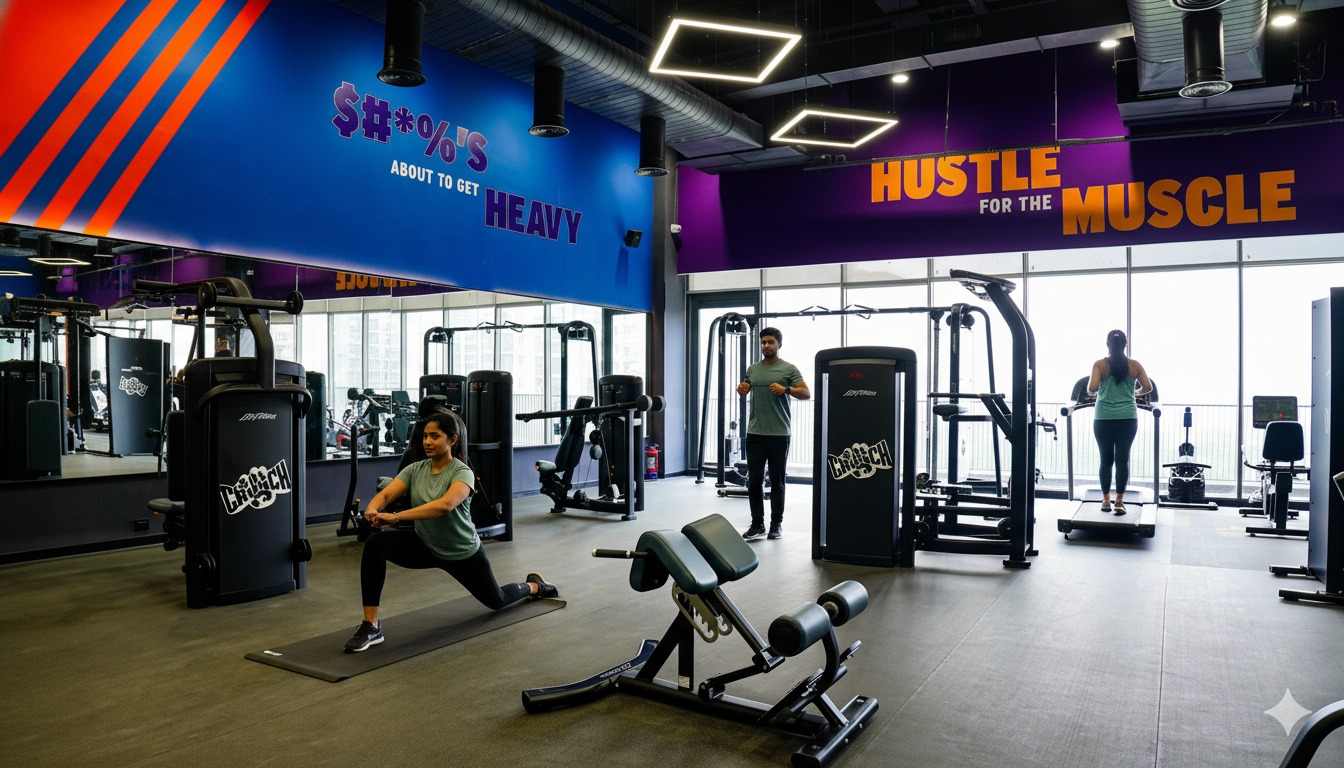
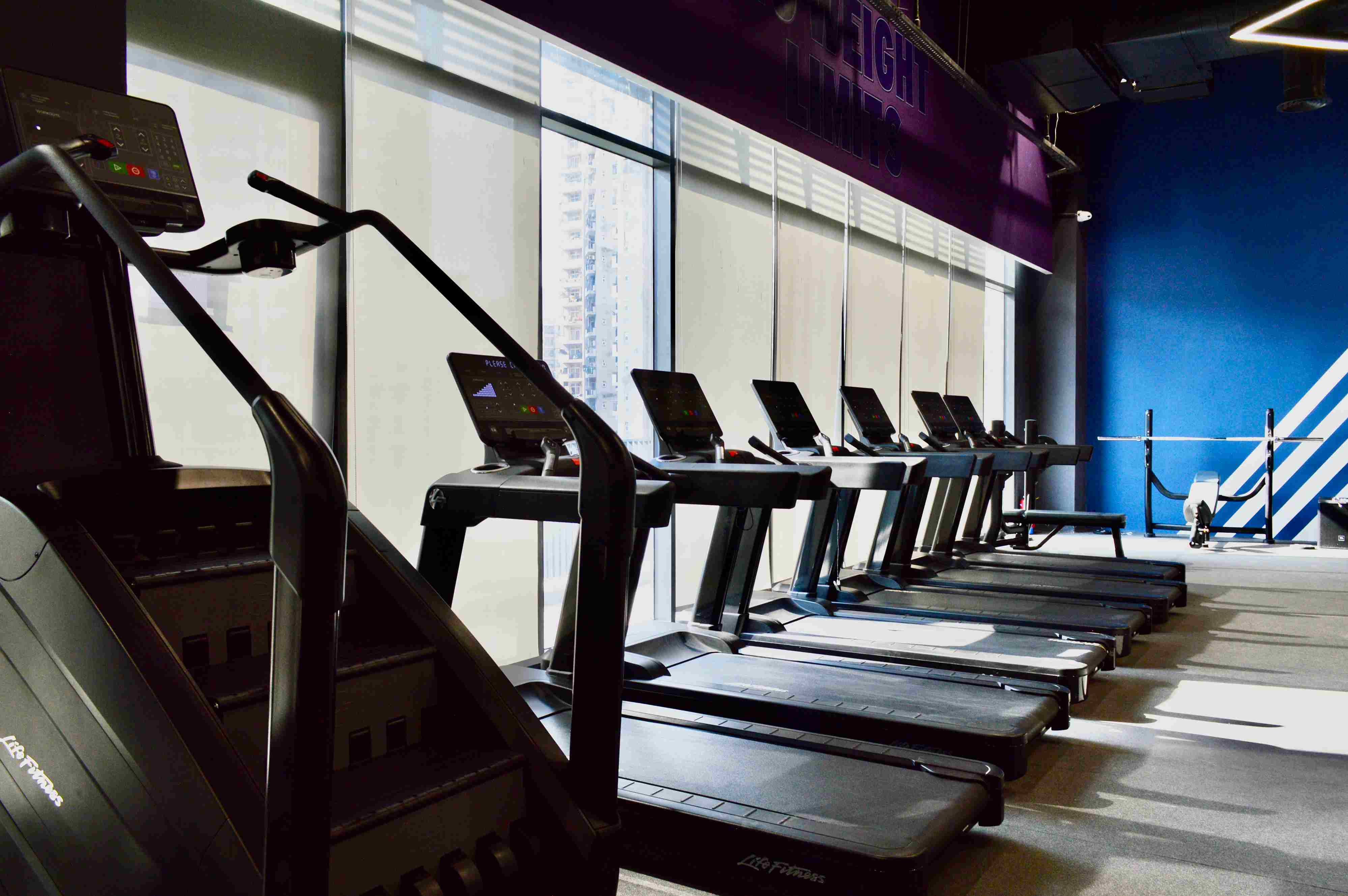
Dedicated gyms like Crunch Fitness India use equipment from Life Fitness brand to maintain consistent equipment standards results in the protection of their financial assets and the development of member trust which leads to stable business operations and continuous franchise expansion.
Frequently Asked Questions (FAQs)
Q1. How does a fitness facility maintain standards of cleanliness?
The cleaning process at fitness facilities requires staff members to follow their designated cleaning duties while performing their daily scheduled cleaning tasks and using approved disinfectants. Staff members conduct multiple daily sanitization procedures for high-touch areas and equipment while deep-cleaning procedures help maintain hygiene and safety standards.
Q2. How to maintain gym equipment?
The maintenance of gym equipment depends on conducting regular inspections, performing preventive maintenance, applying proper lubrication, executing timely equipment replacements, and ensuring members use equipment correctly. Organizations achieve better equipment durability through equipment maintenance logs which track their scheduled servicing activities.
Q3. How often should gym equipment be serviced?
Most equipment needs basic checks every day and requires detailed inspections between weekly and monthly periods, and it needs complete servicing one time each year according to manufacturer instructions and equipment usage patterns.
Q4. Who is responsible for equipment maintenance in a gym franchise?
Gym franchises divide equipment maintenance duties between their trained in-house staff members, who conduct routine checks, and their certified technicians who perform technical servicing and repairs through approved vendors.
Q5. Why is equipment standardization important in gym franchises?
Standardization establishes consistent performance for gym franchises, which leads to easier maintenance work and decreased safety hazards while providing members with the same experience at every location.
Explore More Articles
The fitness industry in Delhi is expanding rapidly because of three factors w... Read More
Th... Read More
The launch of a gym franchise is only the beginning of the journey. The actua... Read More
The process of starting a gym franchise in In... Read More
Where you place your gym matters most. Though b... Read More
Today, the fitness industry stands as one of the fastest-expanding business s... Read More
<... Read More














<... Read More
<... Read More

<... Read More

<... Read More
<... Read More

<... Read More
<... Read More
<... Read More

<... Read More
<... Read More
<... Read More

<... Read More

... Read More
CLOSEST CLUB
Your Local Crunch ...
SEE OUR MEMBERSHIP OPTIONS