So you want to do barbell exercises with the hopes of getting a body like Hritik Roshan? It’s a great strategy, actually (and very motivating too).
It’s important to have a smartly designed routine that targets hypertrophy. And barbells are the best way to do that. It’s your most potent tool for developing core strength and getting bigger, but a great number of gym-goers do not structure their workouts in a way that is conducive to maximum muscle tissue growth.
This blog will show you how to master the basics of barbell exercises for hypertrophy. You will start building the strong body that you are worthy of.
Understanding the Mechanisms of Muscle Growth
Hypertrophy is a term that is used to describe the growth of muscles. In fact, three main mechanisms are responsible for this growth, and a successful program must consider all of them.
Mechanical Tension
This is the main factor. One can achieve this by placing a heavy load on the muscle while at the same time controlling the movement (time under tension).
Metabolic Stress
Sometimes called "the pump," metabolic stress is about the accumulation of metabolites (such as lactic acid) in a muscle that causes cell swelling and makes muscles bigger.
Muscle Damage
This is about tearing the muscle fibres on a microscopic level. Even though it is essential to the repair and rebuilding stages, too much damage causes prolonged soreness and poor recovery. A sound program concentrates on recovery rather than the pursuit of an extremely sore state.
Prioritizing Compound Movements for Systemic Growth
Barbells are the perfect tool to load up to the maximum on compound lifts, hence, they bring systemic fatigue and muscle growth. Your program has to revolve around these foundational lifts which are to be always performed first, and while you still have your energy.
The Core Lifts
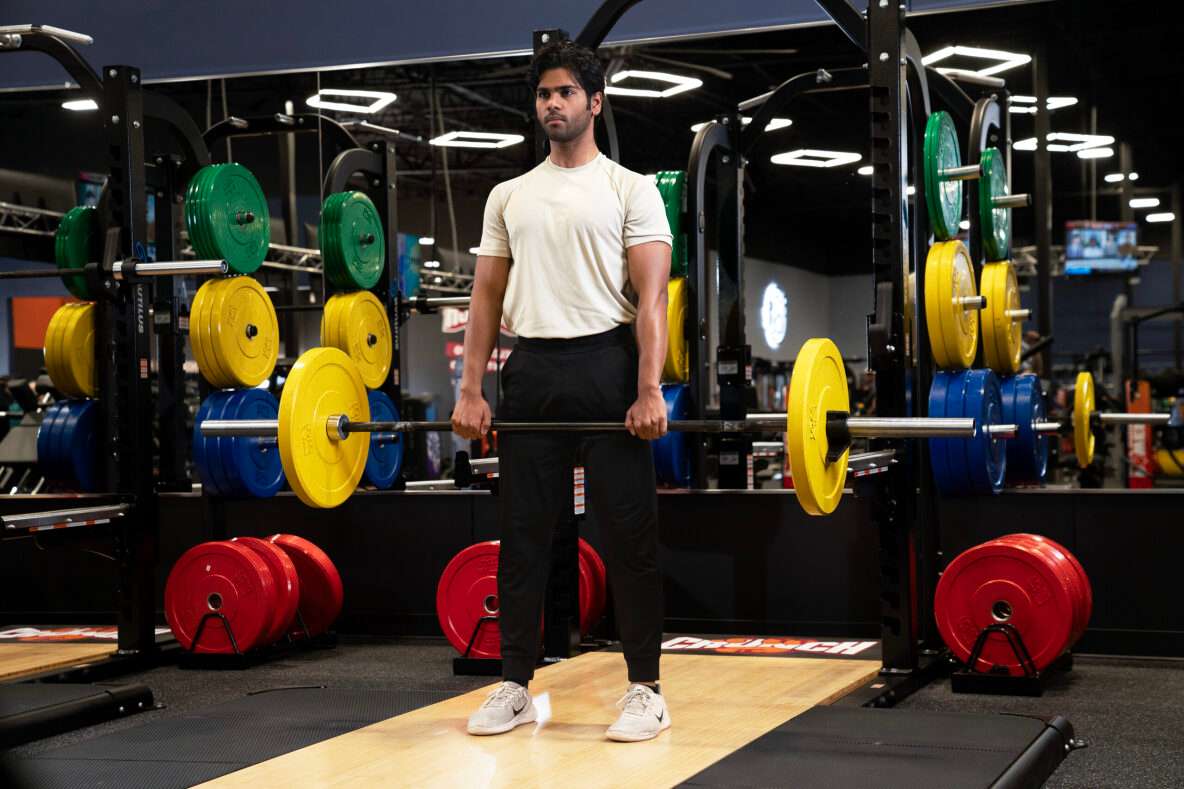
The Big Three should be the first point of every relevant workout and they consist of Barbell Squat (lower body), Barbell Bench Press (upper body push), and Barbell Deadlift (posterior chain).
Essential Accessories
Shoulder development can be perfected with Overhead Press (OHP) while the back can be strengthened with Barbell Rows and hamstrings can be made strong and supple with Romanian Deadlifts (RDLs) thus balanced development will be achieved.
Form is Everything
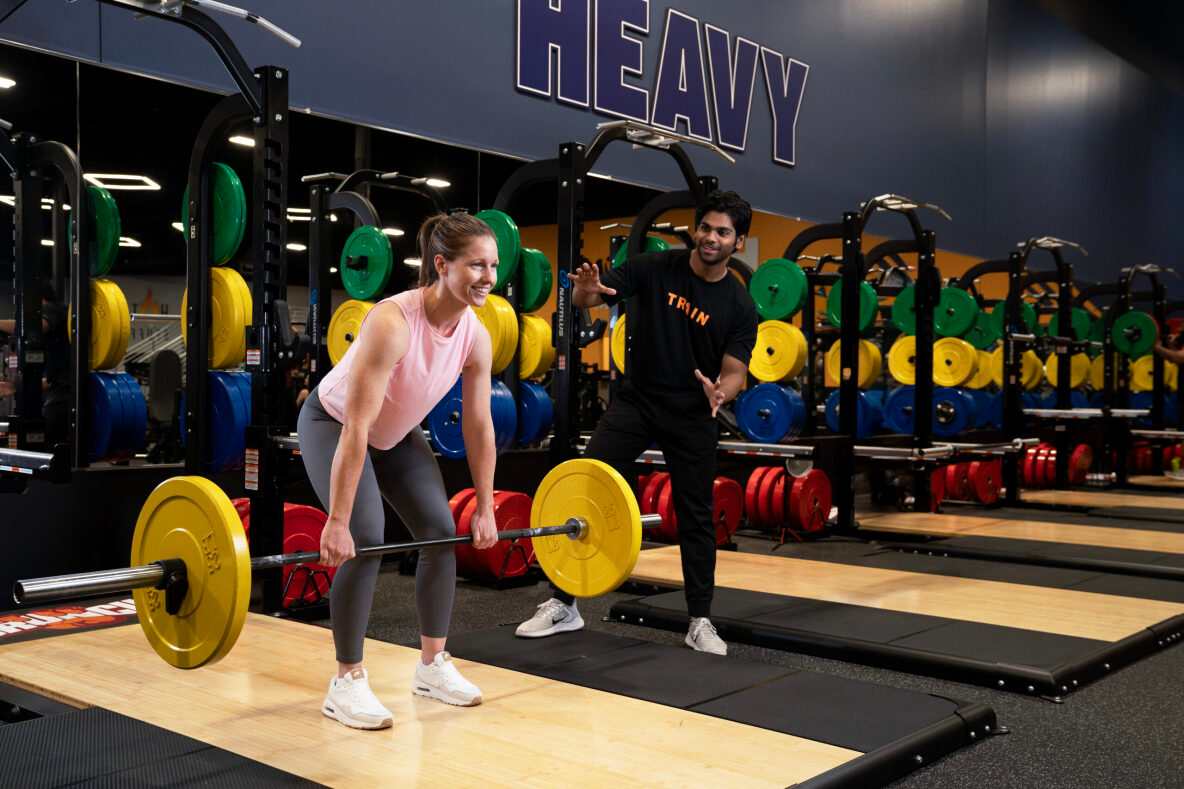
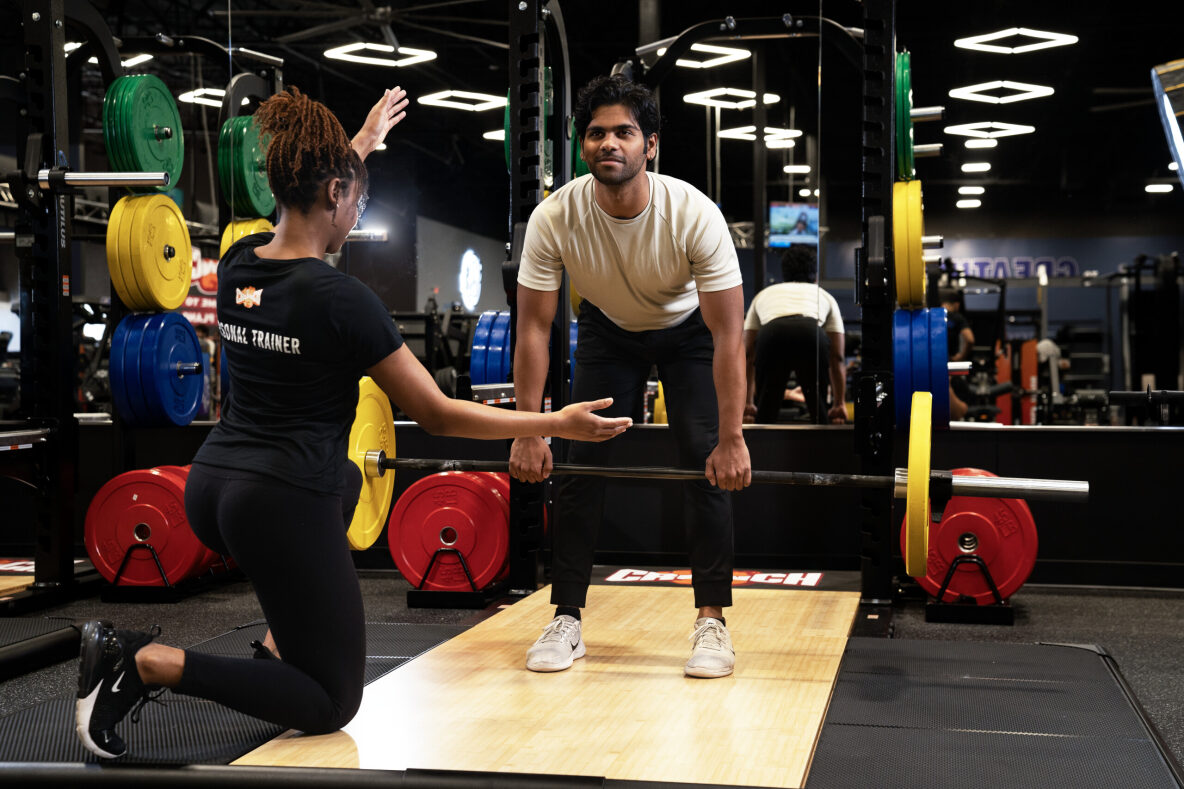
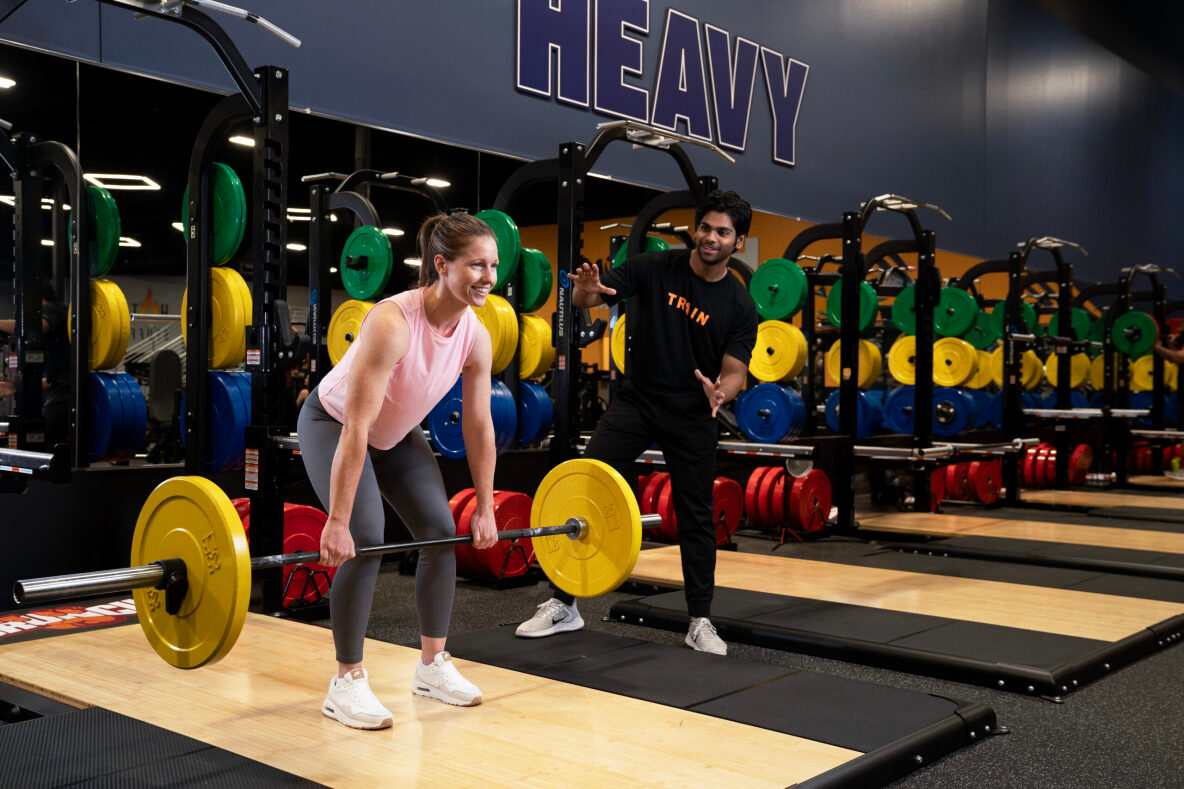
Form is a must. Perfection in execution should always be your priority rather than putting on a heavy weight. The lowering (eccentric) phase should be done in control if one wants to achieve the maximum time under tension.
Structuring Your Week for Growth
Muscle growth is a result of hitting each muscle group frequently and with great intensity. This part is about how to arrange your work so that you get the most out of it.
Frequency & Splits
It is necessary to work each muscle group 2-3 times a week. You should choose a split that enables you to perform this: Upper/Lower (4 days/week), Push/Pull/Legs (PPL) (6 days/week), or Full Body (3 days/week).
Optimal Volume & Intensity
Only 10-20 sets per week for each muscle group should be done to the point that they are hard and working. Train hard and use Reps In Reserve (RIR) methodology and go to RIR 1-0 (near failure) on your final, adaptation-driving sets.
Rep Spectrum & Rest
The traditional hypertrophy range is 6-12 reps. The resting time between sets should be 90-120 seconds so that the strength recovery and the metabolic stress can be balanced.
Deloading
Help your body with a deload (50% volume/weight reduction) every 4-8 weeks to avoid fatigue and allow it to make better gains (super-compensation).
Importance of Progressive Overload
Muscles will not grow if you keep on training with the same intensity. Try these tips when you do barbell exercises:
- Adding Weight: The major factor (add 2.5-5 lbs regularly).
- Adding Reps/Sets: Increase the training volume while keeping RIR the same.
- Improving Technical Execution (ROM/Tempo): Increase the time under tension (e.g., slow eccentric phase).
- Decreasing Rest Time (Density): You can achieve the same work in a shorter time.
Note: You have to track your progress. Write down all the exercises you’re doing.
Fueling and Repairing Your Gains from Barbell Exercises
Your program works just like your recovery does. Growth shows up when you're not lifting.
The Calorie Surplus
Building muscle takes fuel plus raw materials. Real growth happens when intake edges out expenditure by just 250 to 500 extra calories daily. While that gap stays small, it powers steady gains.
Protein Intake
Getting enough protein helps fix muscles after exercise. Try hitting a clear goal around 1.6 to 2.2 grams for every kg you weigh so your body can recover well from heavy lifting sessions.
Enough Sleep
Sleep’s your best comeback helper. Try getting 7 to 9 hours every night. This is when your body lets out peak growth hormone while building muscles. Because that's where healing kicks in, during those deep rest phases.
Drinking Water
Staying hydrated helps you push harder during workouts, so your body doesn't tire fast. Also, it moves fuel to your muscles more smoothly because fluids keep everything running right.
Lift the Barbell & Your Spirit with Crunch’s Group Strength Class
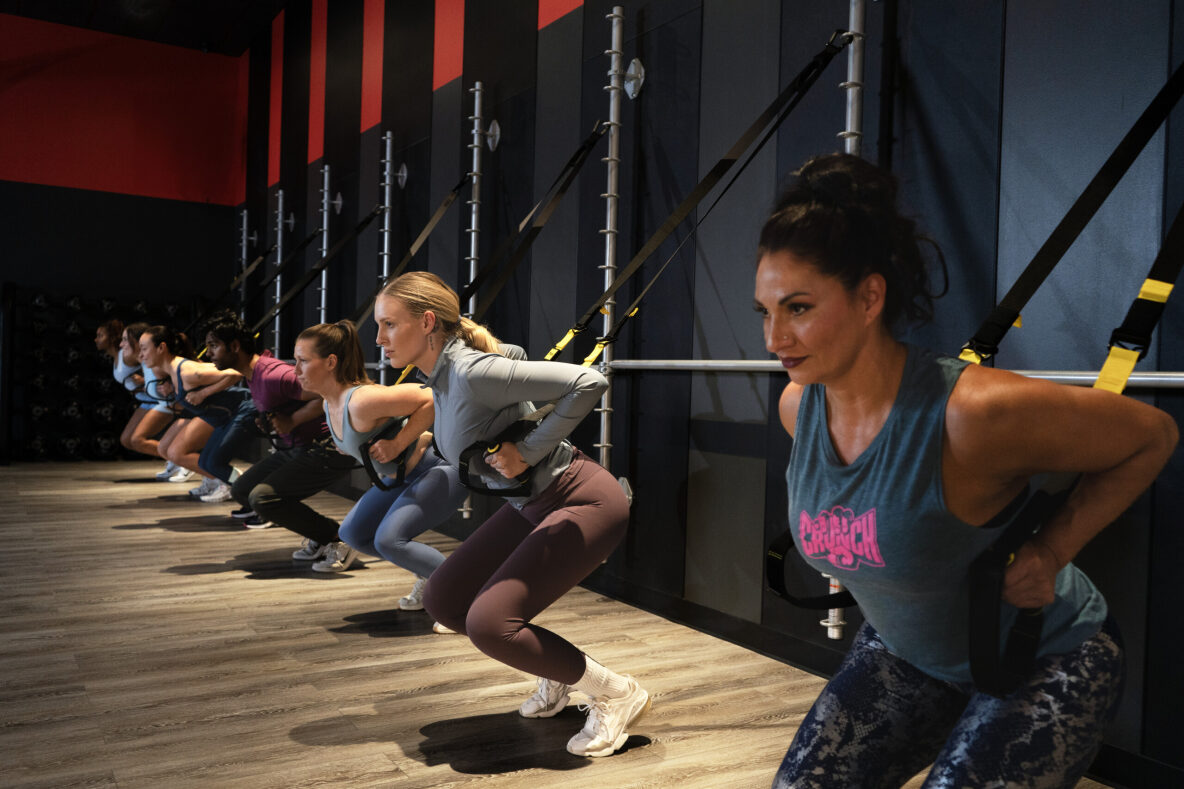
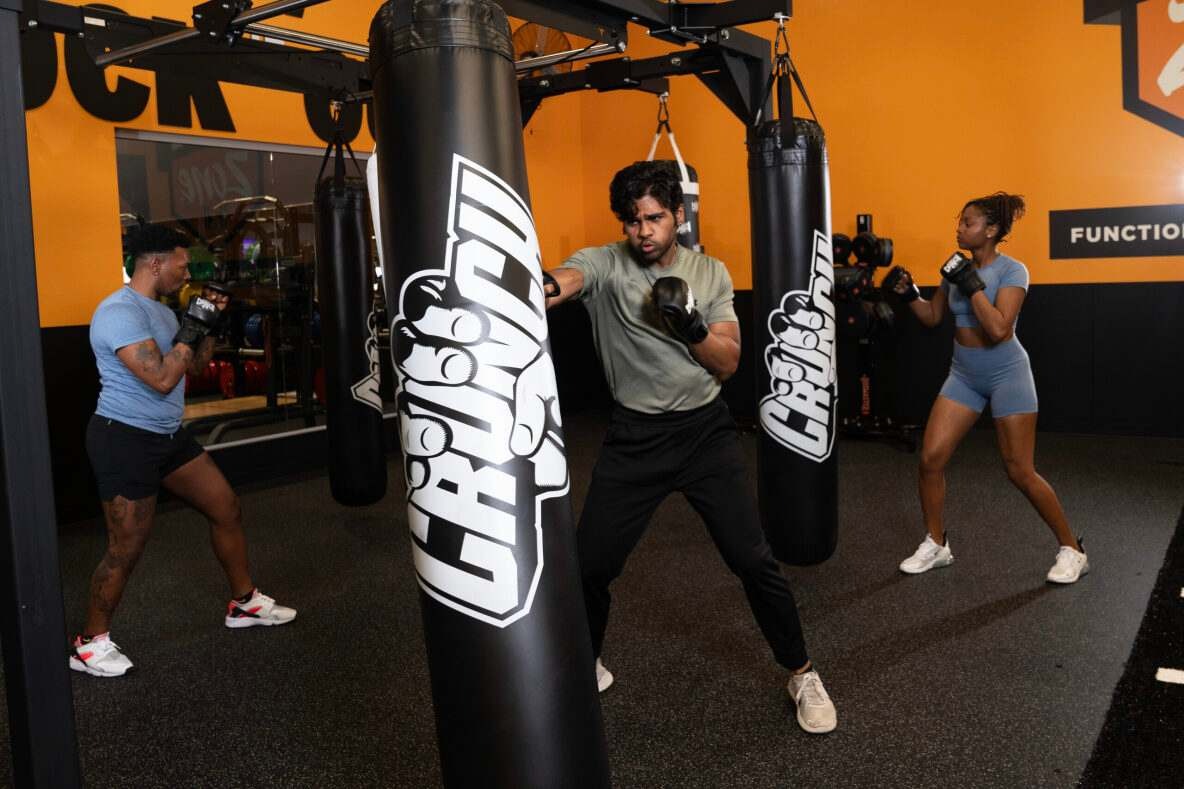
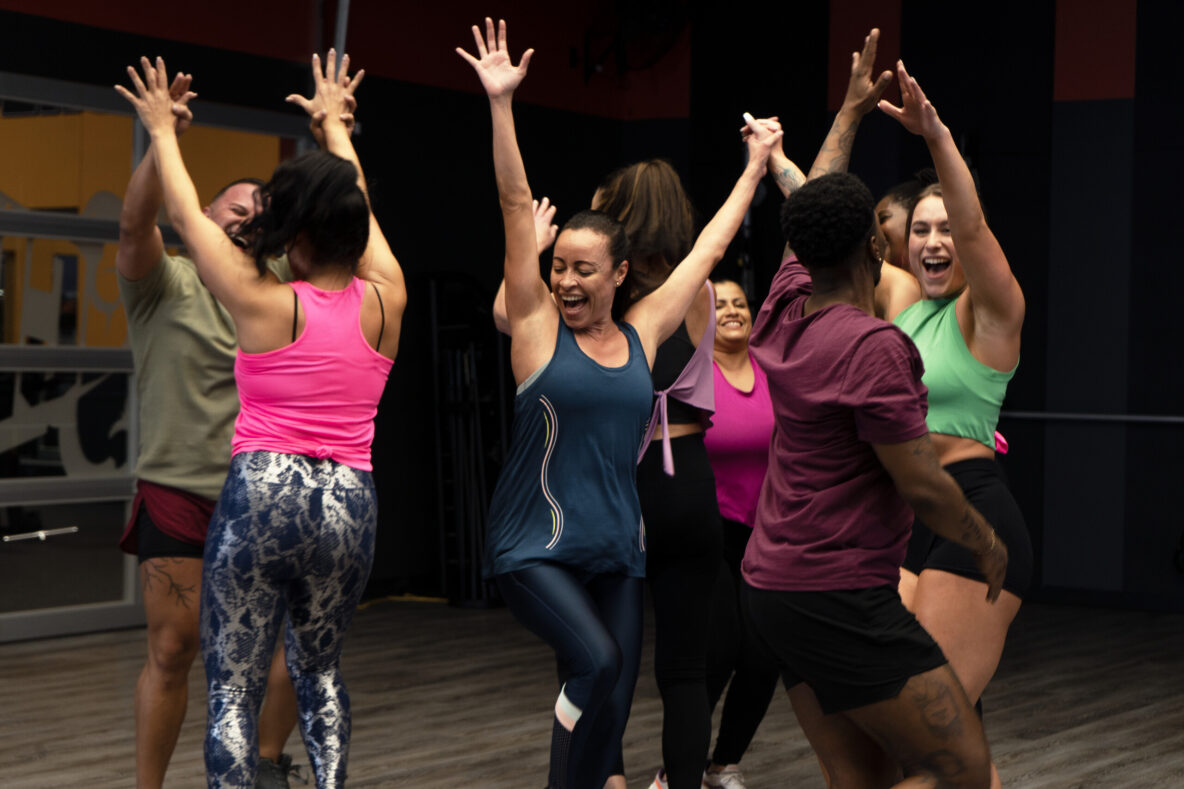
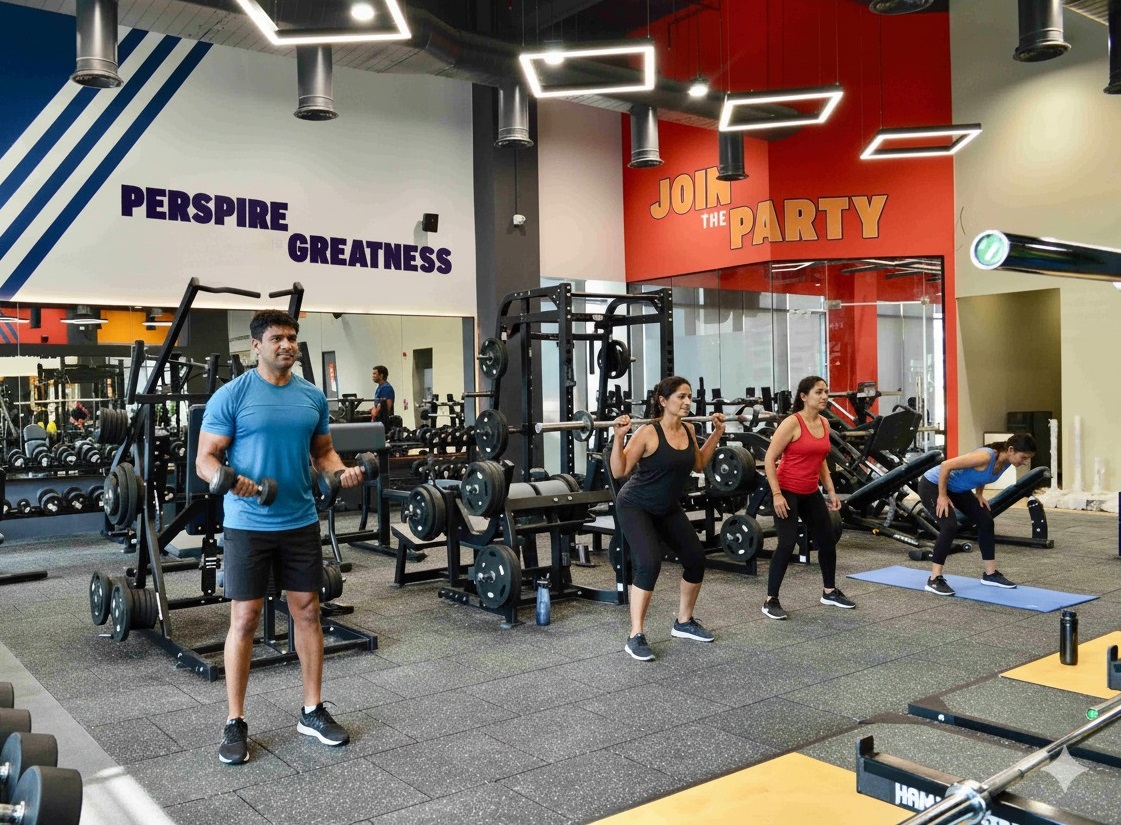
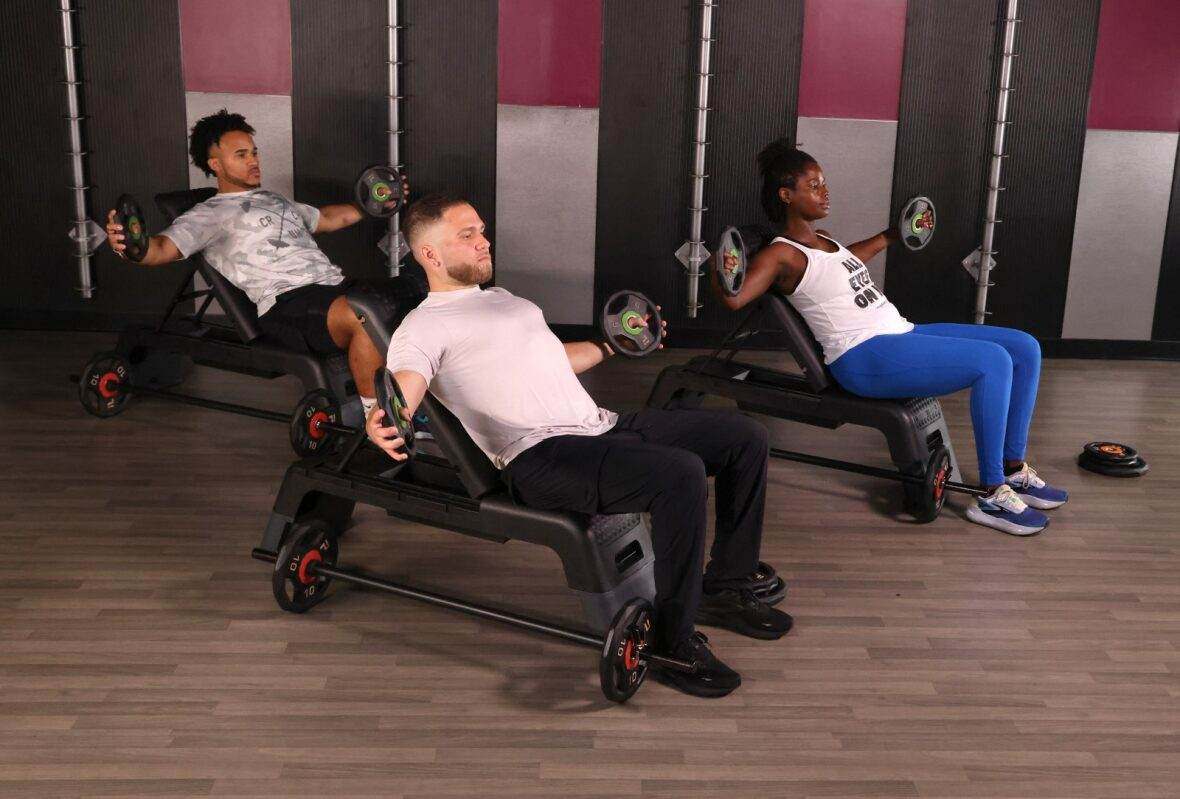
If you find self-programming intimidating or if you flourish in a vibrant group environment, then you can consider BARBELL 30 and BARBELL 45 as structured classes which will help you gain barbell strength and understand the principles of hypertrophy in an effective way.
These high-intensity formats are timed and created for maximum efficiency and measurable progress.
How Barbell Training Works: Barbell 30 & Barbell 45
The classes are based on a very strict, interval-based structure which usually repeats 4-7 times during the class:
- Lower Body Barbell Drill (1 minute)
- Upper Body Barbell Drill (1 minute)
- Core Segment (1 minute, often using an adjustable deck)
- Cardio Connection (45 seconds, high-intensity burst)
Members who are seeking a time-efficient, results-driven workout and interacting with a timed high-energy group setting that motivates them. You can't do better than this combination of strength training and metabolic conditioning.
Conclusion
Doing barbell exercises the right way will help in creating a strong, muscular body visually.
Combining the barbell, which remains to be the most powerful loading tool, with a well-thought-out hypertrophy program—paying attention to volume, RIR, and unfailing progressive overload—you will be able to make your gains continuous and measurable.
Stop making guesses and start working out with a purpose. Do you desire to move out of the 'beginner' phase and start noticing the real changes in the mirror and on the scale?
Make your first move today with Crunch’s group strength class: choose your split, determine your starting volume, and make a pledge for your next session to be Progressive Overload tracking.
Frequently Asked Questions (FAQs)
Q1. Can I build muscle with just a barbell?
Definitely. Barbells are what allow you to do maximum, but still safe, loading on your compound lifts (Squat, Bench, Deadlift), which in turn are the most effective movements to start systemic muscle growth.
Q2. Is a 10 kg barbell enough to build muscle?
It's perfect for a start, but not enough for a long period of time. The key to muscle growth is ‘Progressive Overload’. As you stay consistent, you get used to the 10kg you’re lifting and it won’t help you grow anymore. So the best way is to increase the weight a little over time to challenge your body.
Q3. Can I build muscle without lifting heavy weights?
Indeed, on condition that you raise the volume and intensity. People can use lighter weights to induce hypertrophy if they train to failure or close to failure (1-2 RIR) in the 15-25 rep range thus maximizing metabolic stress and time under tension.
Q4. Is a barbell better than dumbbells?
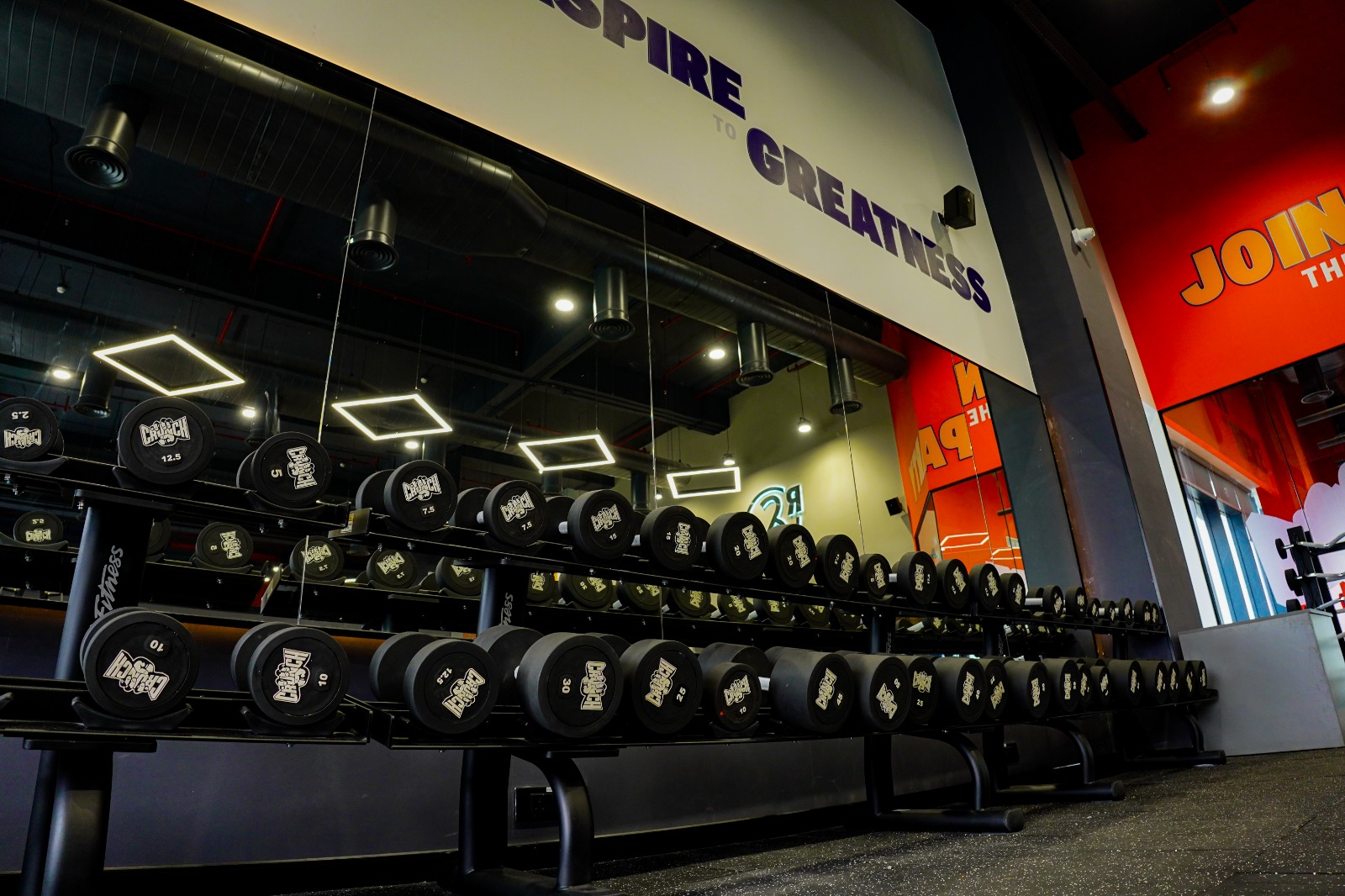
One is not strictly better than the other; rather they work best when used together. Barbells are better when the goal is to lift the maximum loads and to develop base strength. On the other hand, Dumbbells help a lot in fixing muscle imbalances, training one side at a time, and increasing the range of motion in accessory lifts.
Q5. What are the benefits of barbell training?
Barbell training can take you to your maximum load potential, great efficiency of compound movements (one movement works several muscles), awesome core and stabilizer strength development, and easy, visual ways to track progressive overload (adding plates).
Explore More Articles

The fitness industry in Delhi is expanding rapidly because of three factors w... Read More
Th... Read More
The launch of a gym franchise is only the beginning of the journey. The actua... Read More
The process of starting a gym franchise in In... Read More
Where you place your gym matters most. Though b... Read More
Today, the fitness industry stands as one of the fastest-expanding business s... Read More


<... Read More


























<... Read More

<... Read More

<... Read More

<... Read More
<... Read More

<... Read More

<... Read More
<... Read More



<... Read More
<... Read More
<... Read More

<... Read More

... Read More
CLOSEST CLUB
Your Local Crunch ...
SEE OUR MEMBERSHIP OPTIONS