
Isolation exercises are needed to balance out disparities in muscles. When you workout certain muscles more than others, they get stronger, no doubt. But then the weaker ones make the whole body look lopsided.
These mismatches aren’t just odd to look at; they set the stage for setbacks down the line. Big lifts pack on size, sure. Still, they tend to favor the stronger side, letting asymmetries hide in plain sight.
This guide dives straight into the world of isolation work. By stripping away momentum and kicking out the "helper" muscles, you can wake up those lazy fibers, iron out the kinks, and build real-deal functional strength.
Understanding Muscle Imbalances: The Silent Progress Killer
Muscles usually fall out of sync for two reasons: function and looks. While a little bit of "favoring" a side is normal, big gaps eventually cause nagging joint trouble. The human body loves a shortcut.
During a heavy bench press, a stronger pec often works overtime to cover for a slacking partner. This starts a cycle where the strong stay strong and the weak stay weak. Isolation exercises discontinue that loop.
How to Spot an Imbalance in the Body
Finding the gap starts with a simple look in the mirror. Notice one shoulder riding higher than the other? Or maybe one quad lacks that distinct "sweep" compared to its partner. Beyond the visuals, use the strength gap rule.
Test each side individually with a set of curls or extensions. If one side trails by more than ten percent, there is work to do. Keep an eye on mobility, too. A tight side often means a muscle is either overworking or hiding from the load because it lacks the stability to fire correctly.
Upper Body Fixes: Shoulders, Arms, and Chest
Hit the shoulders with shoulder isolation exercises with single-arm lateral raises. This specific move kills that lopsided look and builds the side delt without letting the traps take over the heavy lifting.
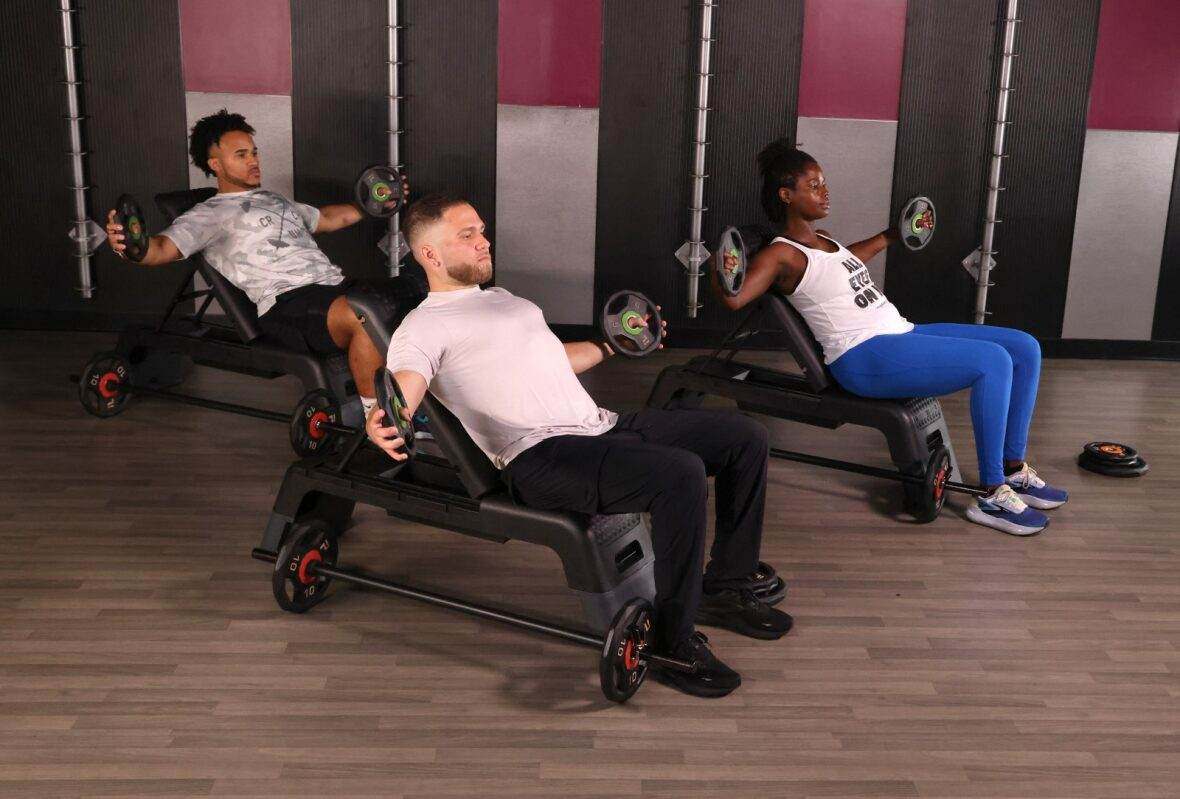
For chest isolation exercises, ditch the barbell in favor of a single-arm dumbbell bench press. This forces each pec to handle its own weight without a metal bar letting the stronger side pull the slack.
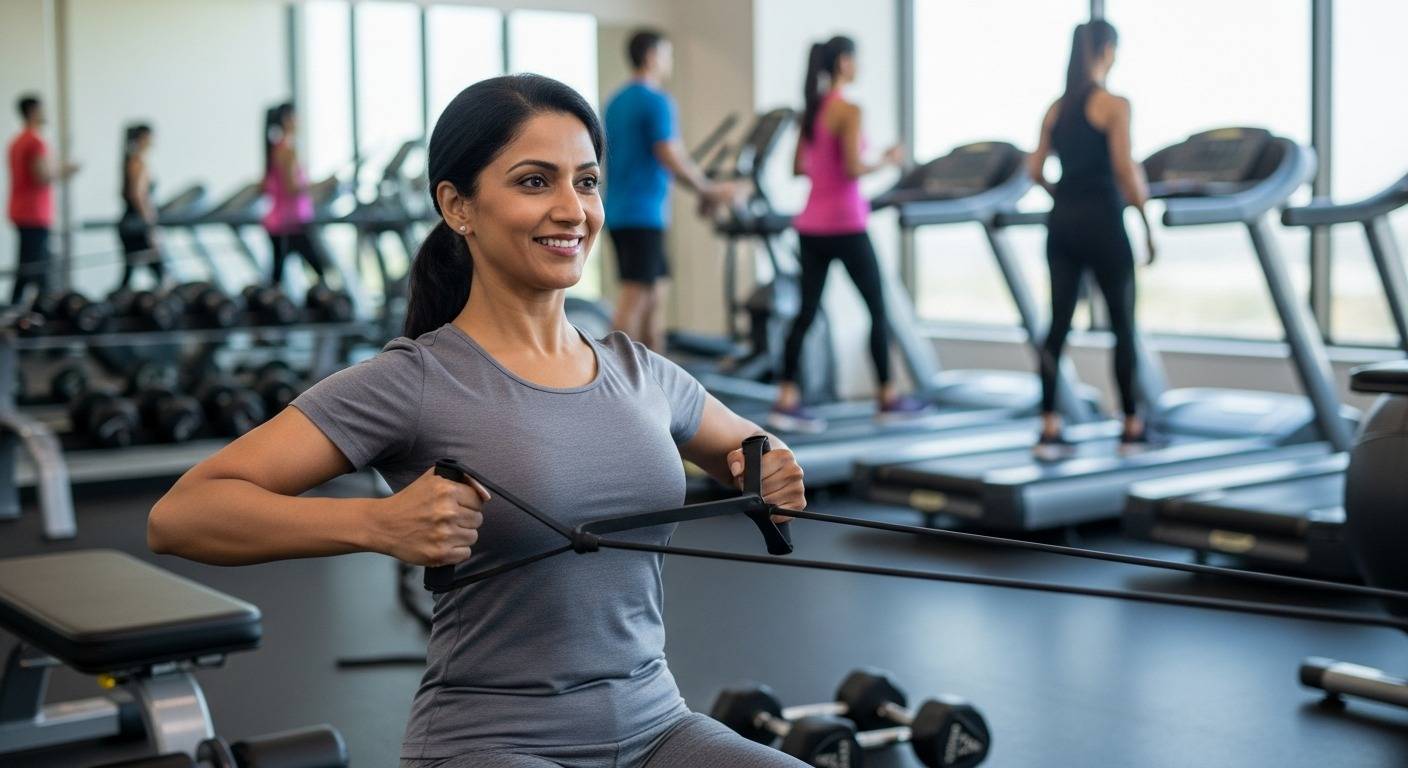
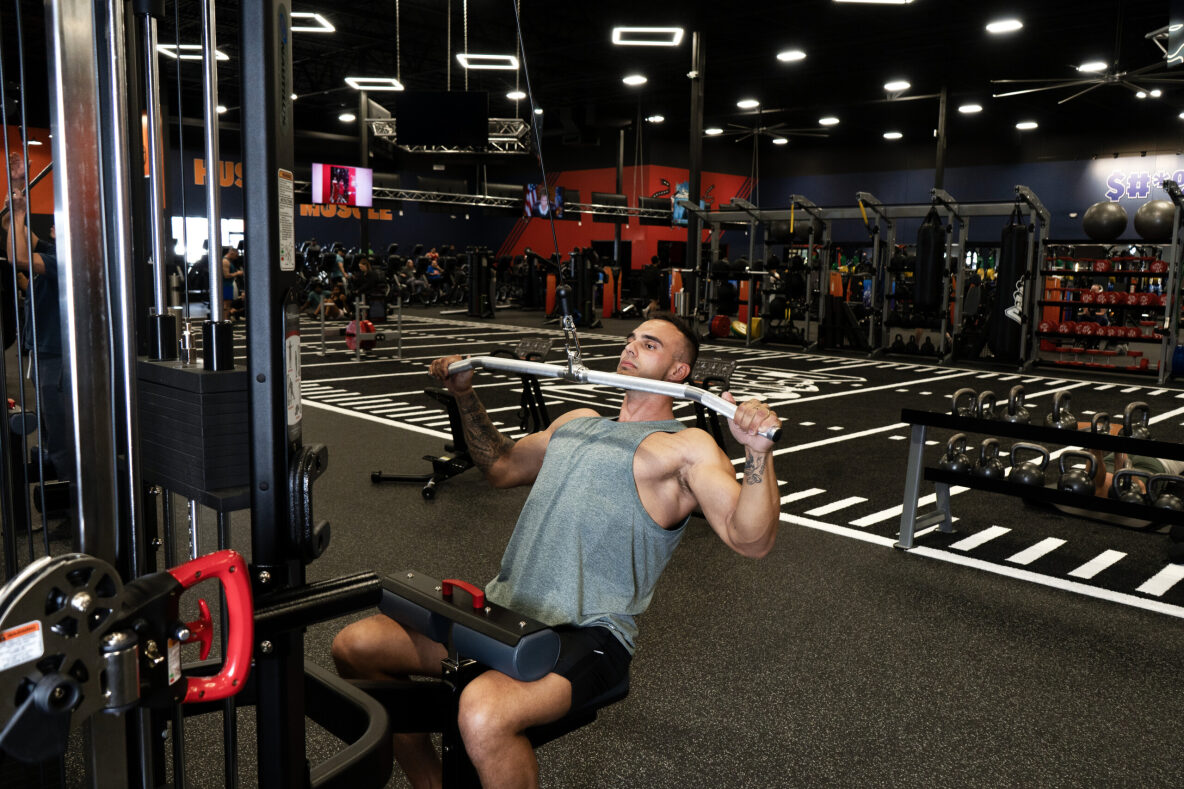
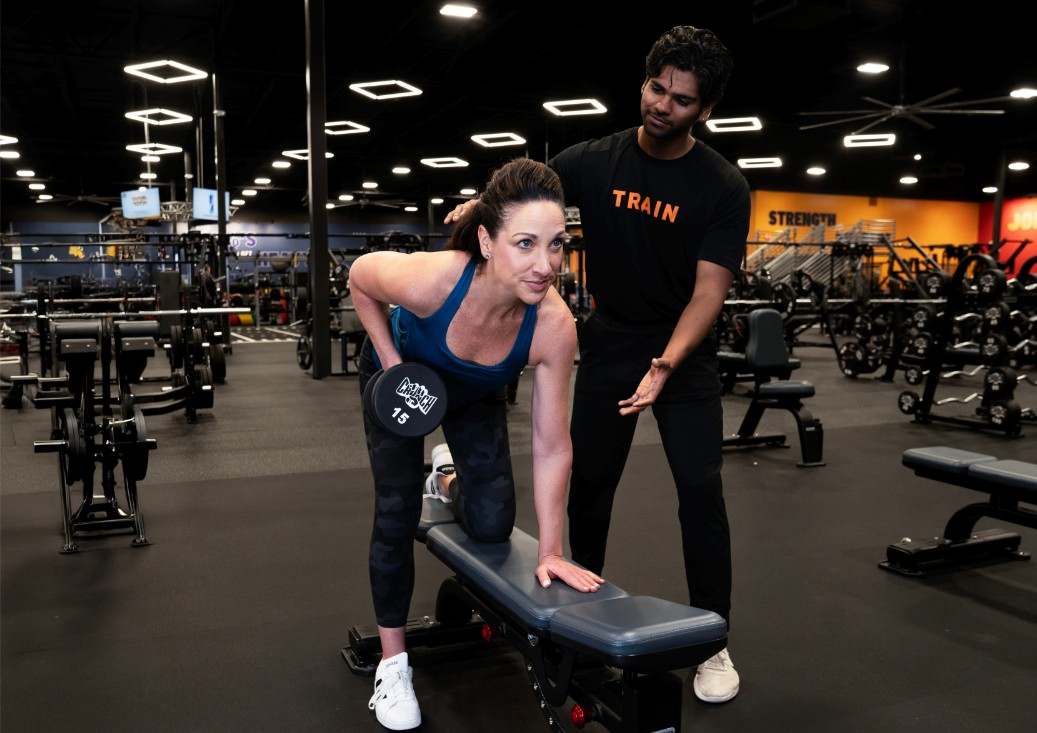
To round it all out, add back isolation exercises like single-arm cable rows to your regimen. This exercise targets the mid-back unilaterally, preventing the more powerful side from rotating the back to complete a movement.
Finish the arms with bicep isolation exercises like alternating incline curls. This setup stops the momentum and makes each bicep grind through a full, deep stretch from the bottom of the movement to the top.
Lower Body Fixes: Quads, Glutes, and Hamstrings
Legs often hide the biggest discrepancies. Single-leg extensions are non-negotiable Quad Isolation Exercises for fixing the "teardrop" imbalances that lead to crunchy knees and poor tracking.
Glute Isolation Exercises
If the glutes feel like they’ve gone on vacation, try single-leg glute bridges. This move wakes up the hips and keeps things stable during heavy carries or sprints.
Hamstring Isolation Exercises
Don’t ignore the hamstrings, either. Single-leg lying curls balance out the back of the leg, preventing those sudden strains that happen when one side carries the whole load during a deadlift.
The Unilateral First Strategy
Execution is everything when fixing a physique. Always start sets with the weaker side. This ensures the lagging muscle gets the best focus and the most energy before fatigue sets in.
Follow the matching rep rule. If the left arm only manages ten reps, stop the right arm at ten—even if it could easily do twenty.
This prevents the gap from widening further. Dial into the mind-muscle connection. Feel the burn in the specific spot you are hitting rather than just tossing weight from point A to point B.
Programming for Symmetry
Consistency builds symmetry. Toss in isolation work two or three times a week for the best results. Go for high-rep "pump" sets, somewhere between twelve and fifteen reps. This high-volume approach helps the brain learn how to fire those stubborn, underactive fibers.
These moves slide easily into a push-pull-legs or full-body split. Just tack one or two unilateral moves onto the end of the session after the heavy compound lifting is finished.
Mind-Muscle Connection: Hidden Power of the Mind
Funny how just tapping a muscle can wake it up. That sleepy feeling in a lagging arm? The link from mind to fiber has gone quiet.
Press your fingers into the bicep when lifting: one hand moving, the other sensing. Touch pulls thought straight to the spot. Shutting your eyes mid-rep cuts noise, sharpens what you feel inside: the squeeze, then stretch, like waves.
Common Mistakes During Isolation Exercises
Heavy weight is the enemy of isolation. When the load gets too big, the body starts cheating to survive the set, turning a precision move into a messy compound lift. Watch for the "torso tilt" during single-arm moves.
A weak core often leads to leaning, which steals tension away from the target muscle. Also, do not rush the way down. The lowering phase builds the most muscle. The muscle should be kept under tension for the entire duration by controlling the weight throughout the rep.
Conclusion
It takes time to repair an imbalance, but isolation exercises clearly demonstrate the progress in a matter of weeks. Giving priority to these weak links develops a balanced structure and protects the joints from further deterioration.
Stop letting the dominant side run the show. Pick one lagging muscle group today and add three sets of single-sided work to the next workout. If this guide cleared up the confusion, sign up for Crunch Fitness membership today!
Frequently Asked Questions (FAQs)
Q1. What is the fastest way to fix muscle imbalance?
Fixing muscle imbalance fast means changing your routine right now. Begin workouts using just one side at a time. Always start with the weaker limb, no exceptions. Let its limit set the number for the dominant side. When the less capable arm manages only eight lifts, match it exactly on the other no more. Eight becomes the rule.
Q2. How long do muscle imbalances take to fix?
Fixing uneven muscles usually shows the first signs in about a month or two. True balance though? That builds slowly, week after week. Months of steady work shape real results. Noticeable shifts arrive early, but deep correction takes time.
Q3. Can isolation exercises fix muscle imbalances?
Yes. In fact, targeted exercises work best for fixing muscle imbalance. Workouts that focus on compound movements work multiple muscles making it harder to focus on the less-used muscles.
Q4. Is it worth doing isolation exercises?
Yes, of course! They matter more than you think. Skip them, and your body might start limping through daily tasks without you noticing. One arm pulling double duty leads to tension others never feel. Balance isn’t just for show; it shapes how long your strength lasts.
Q5. Which is better, compound or isolation exercises?
One isn’t superior. Each handles a separate task. Build serious power and add overall size with multi-muscle lifts. Fine-tune weak spots, shape lagging areas using focused movements instead. The real answer lives in combining both.
Explore More Articles

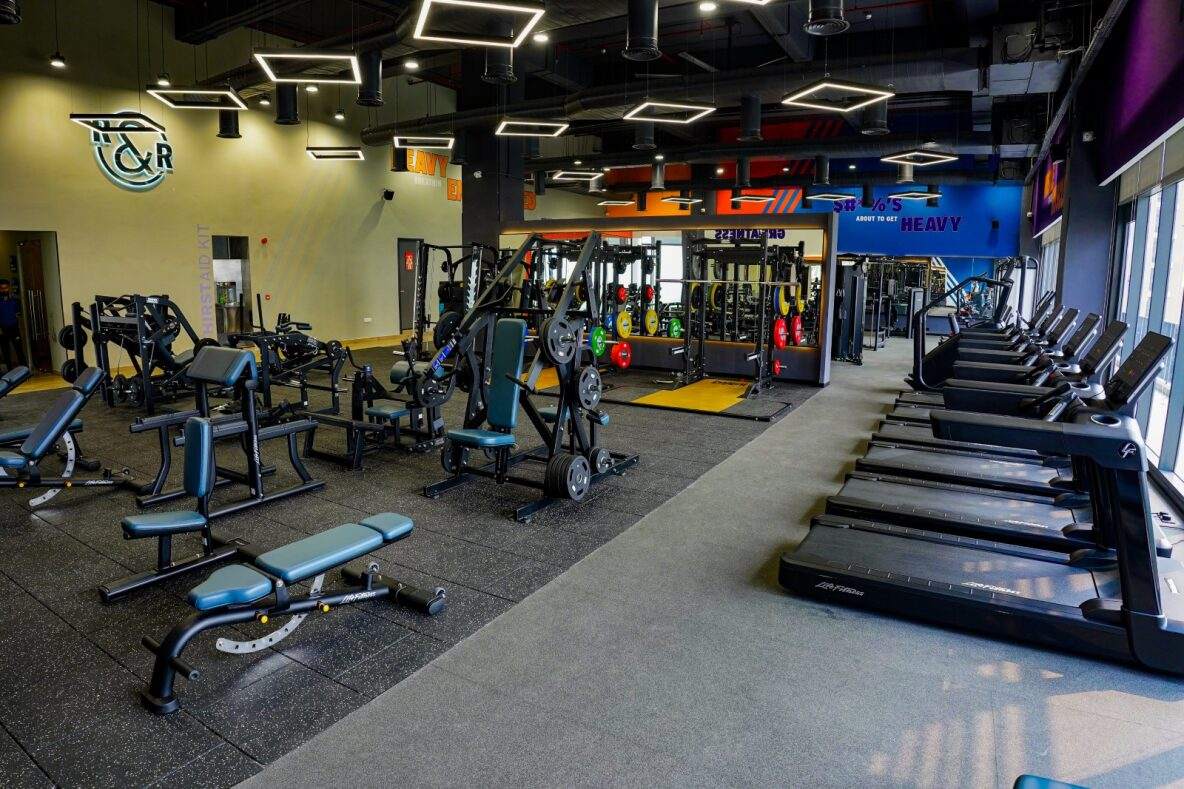
The fitness industry in Delhi is expanding rapidly because of three factors w... Read More
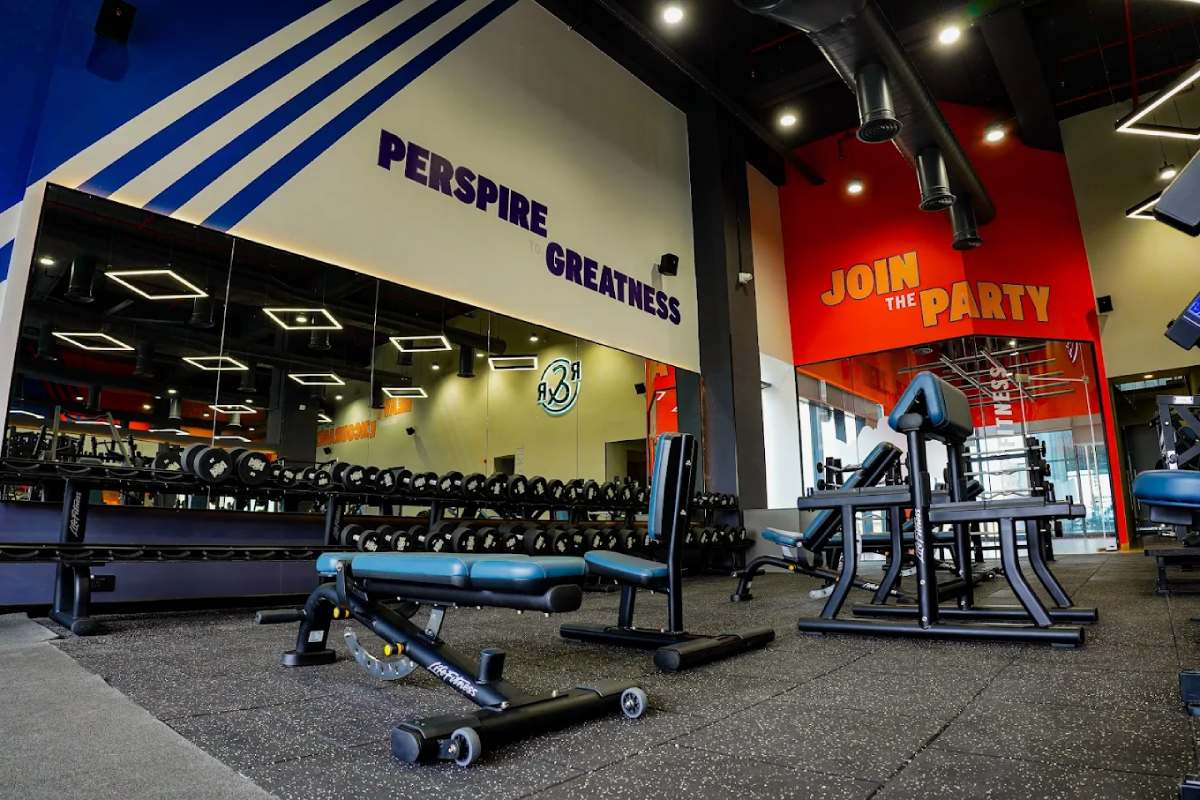
Th... Read More
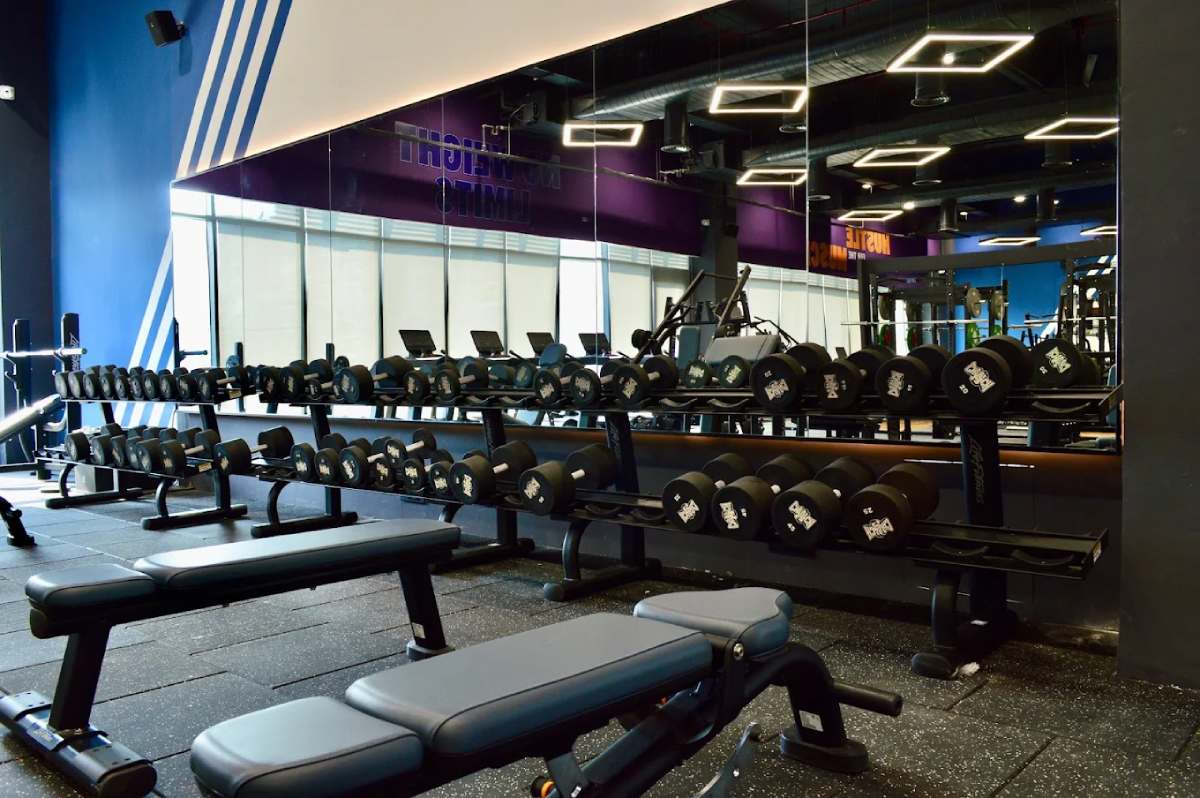
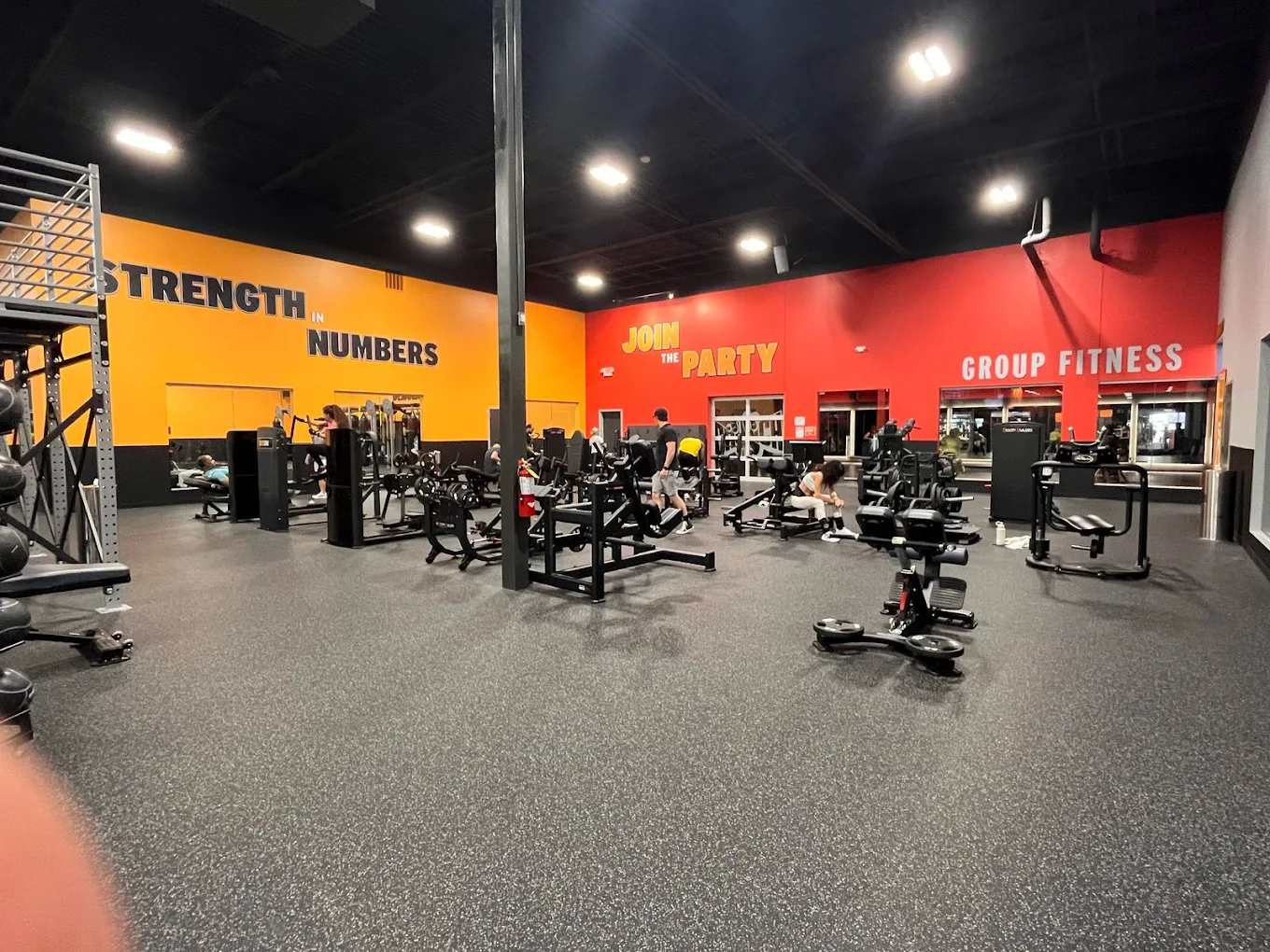
The launch of a gym franchise is only the beginning of the journey. The actua... Read More
The process of starting a gym franchise in In... Read More
Where you place your gym matters most. Though b... Read More
Today, the fitness industry stands as one of the fastest-expanding business s... Read More


<... Read More





















<... Read More

<... Read More

<... Read More

<... Read More
<... Read More

<... Read More

<... Read More
<... Read More



<... Read More
<... Read More
<... Read More

<... Read More

... Read More
CLOSEST CLUB
Your Local Crunch ...
SEE OUR MEMBERSHIP OPTIONS