
Behind every successful health and fitness franchise lies far more than workout plans and equipment. The business model establishes brand vision and operational discipline which serves as the primary driver for business growth.
All aspects of the business need to function together because they include revenue generation methods, trainer development procedures, site selection processes and community development activities. The business model of a health and fitness franchise reveals its operational structure to entrepreneurs, investors and operators.
The system shows how fitness enthusiasts will achieve their goal of building a profitable business through scalable systems, standard experiences and intelligent financial management.
Types of Health & Fitness Franchises
Health and fitness franchises exist in multiple formats that serve different customer requirements:
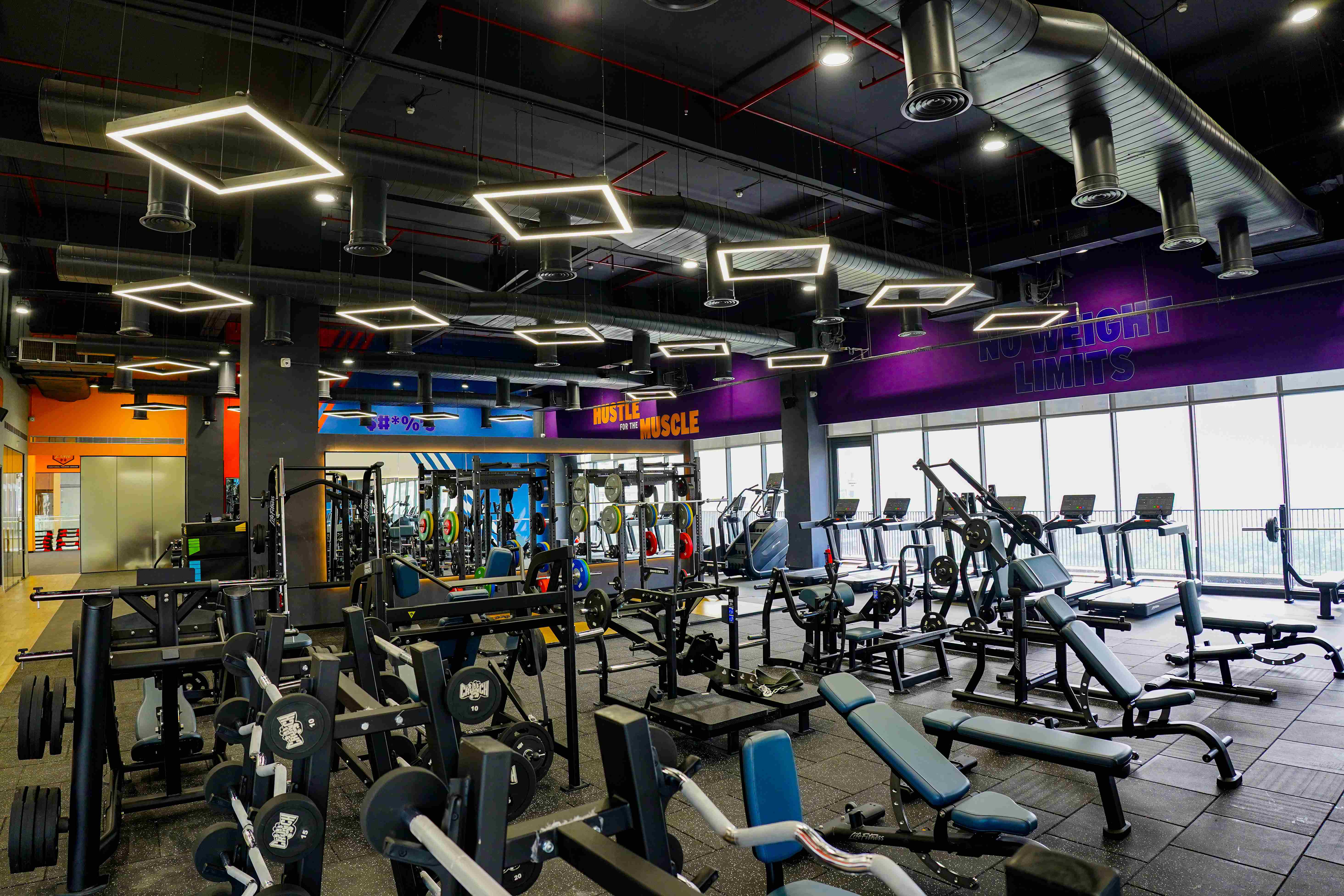
- Full-service gym franchises develop their business through equipment expansion and their ability to serve multiple customers.
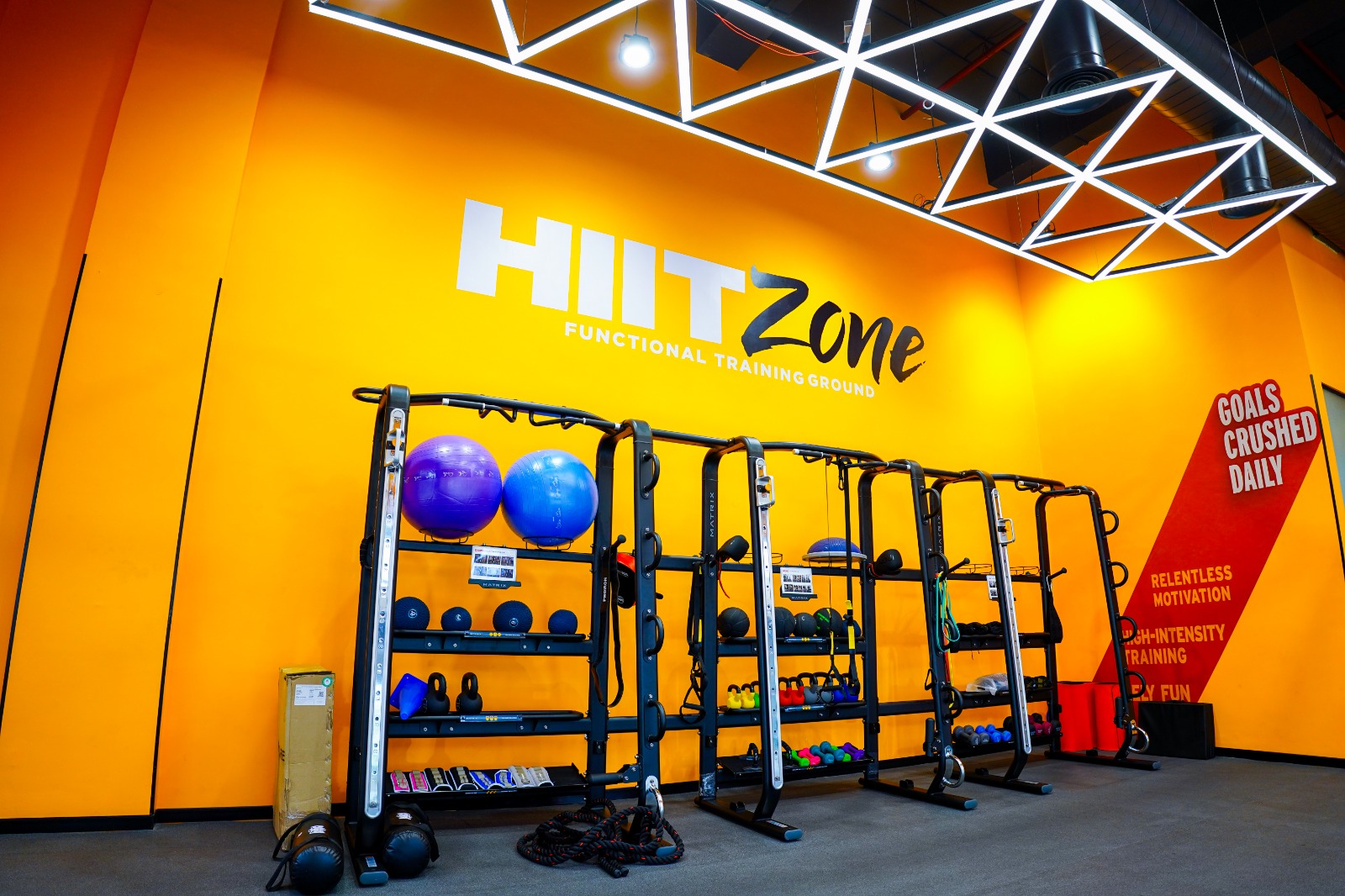
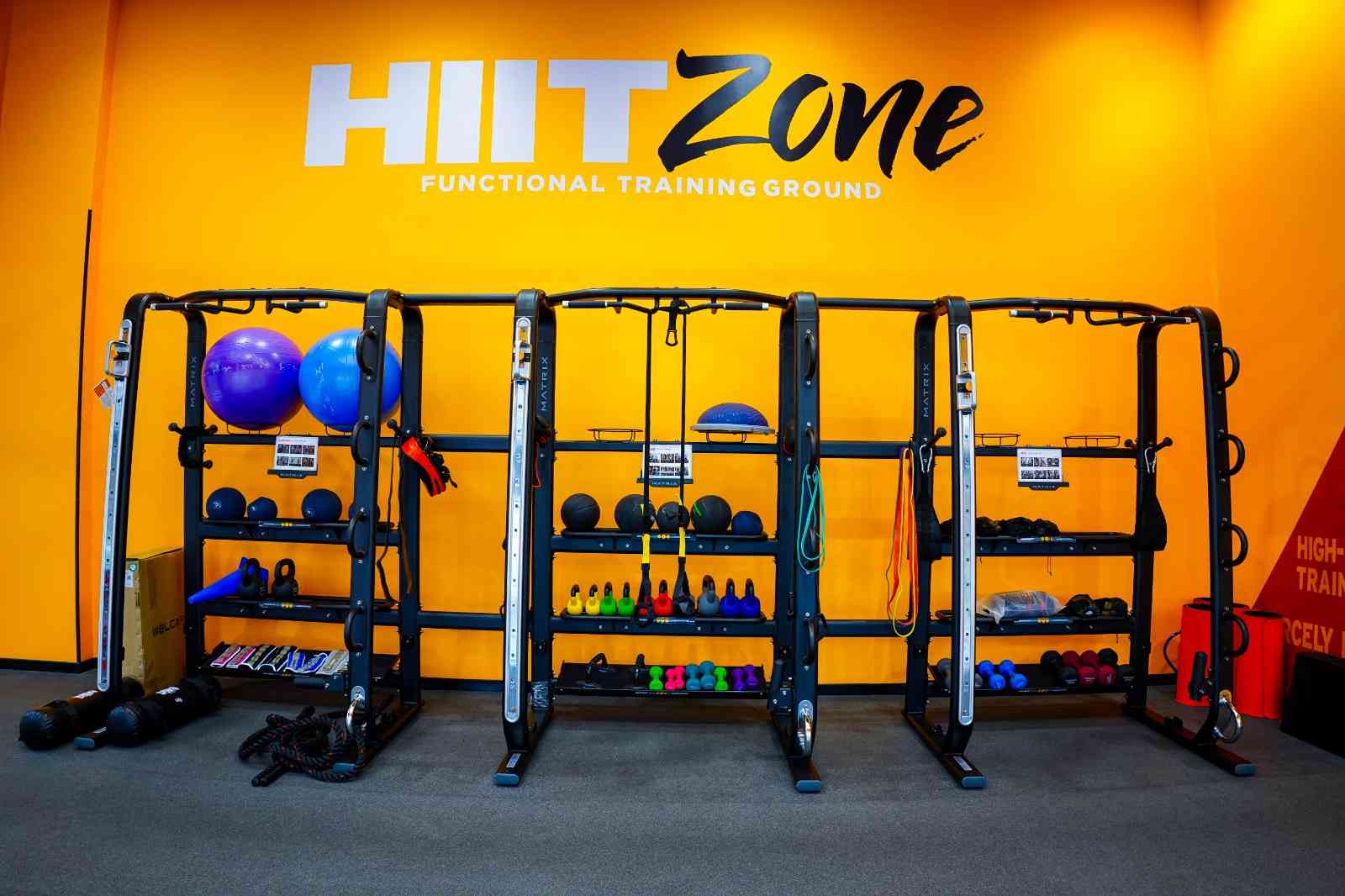
- Boutique fitness studios specialise in specific formats like HIIT, cycling, or strength training, offering high-energy, community-driven experiences.
- Mind–body franchises such as yoga and Pilates teach practices that help people develop their flexibility, mindfulness and their ability to live long lives.
- Rehabilitation and wellness franchises focus on providing services that include physiotherapy, recovery and injury prevention.
- Sports-specific and martial arts franchises provide training programs that help people develop particular skills.
Each type of business operation establishes its own requirements for financial investment and operational activities and potential business expansion.
Key Components of Health & Fitness Franchise Business Model
The strongest Health & Fitness Franchise models exist as distinct entities because they maintain complete system boundaries.
Standardised Yet Flexible Offerings
Franchising depends on standardised procedures which serve as its fundamental structure. Fitness organisations need to maintain operational flexibility because their existence depends on staying relevant to their clients.
A successful franchise system requires standardised procedures that establish the standardised:
- workout framework
- class schedule which includes specific class types and their length
- procedures for trainer certification and their training process
- equipment specifications
- member experience evaluation criteria
The system provides educational institutions with different methods to manage their academic timetables, which match their actual student enrollment patterns. The educational institution can organise its activities which include athlete development programs, community outreach initiatives, seasonal marketing efforts and different pricing methods for different locations.
The organisation intends to achieve equivalent results through its operations, which produce identical outcomes at every location. The members require access to identical service standards at every location while the staff members should deliver their services according to local cultural practices.
Revenue Architecture: Multiple Income Streams
A fitness franchise maintains financial health through its multiple income sources. The organisation generates revenue through three components which establish predictable income streams that can expand over time.
Common revenue streams include:
- Monthly or annual memberships
- Personal training packages
- Small group or speciality classes
- Transformation programs
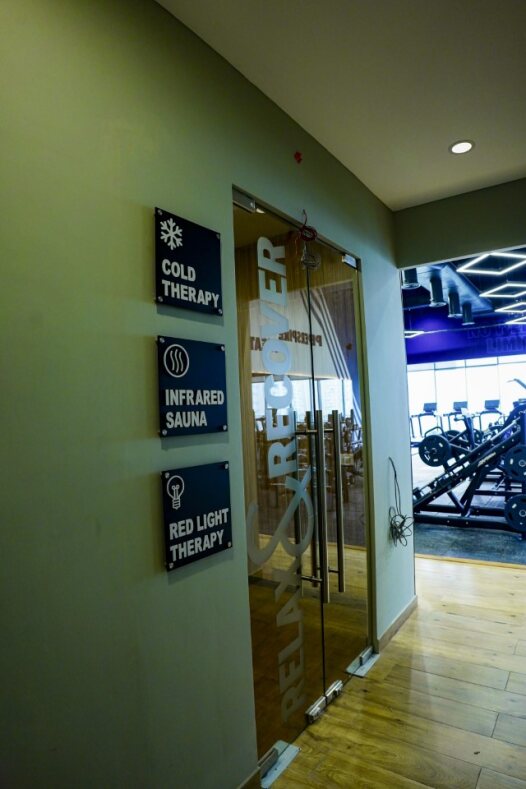
- Recovery services
- Nutrition or lifestyle coaching
- Merchandise and supplements
Franchisees need this revenue diversification because it helps them maintain business operations. The system decreases reliance on customer traffic while it provides consistent revenue streams throughout times of decreased business activity.
The system enables franchisors to maintain their brand presence in various economic periods.
The Investment, Franchise Fee & Royalty Structure
The franchise system establishes its core financial relationship through a precise financial transaction of ₹3–3.5 crores.
The standard practice includes these components:
- The initial franchise fee provides brand rights together with training, setup assistance and launch support.
- The ongoing royalties require payment of either a percentage of monthly revenues or a specific fixed amount.
- Marketing or technology fees provide financial support for national advertising campaigns, platform development and software implementation.
The franchise system demonstrates financial transparency by showing complete details about all expenditures. Franchisees should clearly see value in:
- Lead generation
- Brand visibility
- Operational systems
- Continuous education
When royalties function as investment expenses instead of tax payments, customer retention remains strong.
Site Selection & Location Economics
The success of a fitness franchise depends on its choice of location.
Franchisors choose their franchise locations with franchisee input, but they make the final decision. They provide:
- Demographic analysis
- Catchment area mapping
- Competitor density studies
- Rent-to-revenue benchmarks
Fitness businesses require easy access for their customers. Customers prefer locations that are close to their homes or offices or their main travel routes instead of locations that have attractive interior designs.
The most effective franchise systems establish their financial model based on sustainable rental costs instead of their ideal real estate valuations.
Training Systems: Protecting Brand Quality
A fitness franchise depends on its service delivery team to gain strength. The training process requires multiple sessions because it functions as a training system. This includes:
- Initial certification programs
- Ongoing skill upgrades
- Leadership and management training
- Sales and member-retention coaching
- Brand culture immersion
The objective is to deliver a consistent experience to all customers. The same coaching language, safety standards and motivational cues should be used at both Location A and Location B to create a familiar training environment for members.
This is how trust scales.
Marketing Engine: Centralised Yet Localised
The franchise model needs two separate marketing systems to operate its marketing activities. Centralised marketing builds brand authority through its national campaigns, brand storytelling, social media templates, content strategy and influencer or partnership tie-ups.
Localised marketing drives footfall through its neighbourhood promotions, referral programs, community events and corporate tie-ups and local influencer collaborations. The franchisor provides the tools and strategy.
The franchisee executes with local insight. The system maintains consistent brand messaging while it enables the brand to engage with actual communities.
Franchisee Support & Governance
The franchise system requires support which governs its operations. The relationship between franchisee and franchisor runs throughout their business partnership. The determination of partnership success or operational difficulty depends on the support which exists between two organisations.
Franchisors who succeed in their business operations need to establish:
- A team which exists specifically to provide support to their franchise operations.
- The process requires constant assessment through scheduled evaluations and feedback.
- The business evaluation process includes assessment through performance standards which compare against industry benchmarks.
- The process establishes protocols that organisations use to handle emergency situations.
- The organisation needs to develop systems which enable its staff members to create new ideas.
Franchisee development needs brand protection to maintain market presence.
Conclusion
The profit of a health and fitness franchise operation depends on its ability to establish an organisational mission and execute effective operational methods. A franchise system achieves sustainable growth through its strong business principles, its well-defined operational procedures, its various income sources, and its ongoing employee assistance systems.
The franchise system achieves strength through its capacity to adjust to market changes when its essential business functions such as training, technology, marketing and community development, work together. Franchisees experience reduced uncertainty through improved system understanding which develops their business trust.
Franchisors acquire permanent brand value through this process. The business model of a successful health and fitness franchise like Crunch Fitness India demonstrates that organisations achieve sustainable growth through deliberate planning, systematic implementation and ongoing process improvement.
Frequently Asked Questions (FAQs)
Q1. Is a health & fitness franchise profitable?
The health and fitness franchise becomes profitable through its strong unit economics and multiple revenue streams and its effective member retention systems.
Q2. Do I need prior fitness industry experience to become a franchisee?
The Path to franchise ownership requires no previous fitness industry experience because most franchises offer training programs and operational assistance to entrepreneurs who lack industry experience.
Q3. What is the typical investment range?
The investment range maintains high variability because boutique studios, rehab centres and full-scale gyms require different funding amounts.
Q4. How long does it take to break even?
Most franchises that operate with proper structure expect to reach their breakeven point between 12 and 24 months after their launch because their success depends on their particular location and how well they implement their business plan.
Q5. What support does a franchisor usually provide?
Franchisors provide support through their delivery of business guidance and their provision of branding, training, marketing systems and technology platforms.
Explore More Articles

The fitness industry in Delhi is expanding rapidly because of three factors w... Read More
Th... Read More
The launch of a gym franchise is only the beginning of the journey. The actua... Read More
The process of starting a gym franchise in In... Read More
Where you place your gym matters most. Though b... Read More

Today, the fitness industry stands as one of the fastest-expanding business s... Read More








<... Read More






























<... Read More

<... Read More

<... Read More

<... Read More

<... Read More

<... Read More

<... Read More
<... Read More









<... Read More
<... Read More

<... Read More

<... Read More

... Read More
CLOSEST CLUB
Your Local Crunch ...
SEE OUR MEMBERSHIP OPTIONS