
Urban areas have experienced major changes which completely transformed the way people conduct their work, travel, dine, and spend their free time. The pattern of human behavior has changed because more people now live in cities which leads to increased time spent sitting and working with devices.
The combination of extended work hours and office employment, restricted exercise opportunities and growing anxiety levels has resulted in increased health awareness among people who live in urban areas.
The fitness sector has developed throughout urban areas because it now meets the changing fitness requirements of people who live in cities. Modern urban environments depend on gyms and fitness studios, digital workout platforms and wellness services to create essential elements that improve both physical and mental health.
The Urban Paradox: Faster Lives, Slower Bodies
Urban environments function with maximum efficiency because residents need immediate access to all facilities through digital technology which enables rapid delivery of goods to their homes and virtual meetings and telephone-based entertainment systems.
Human beings have transformed their physical requirements because they can now complete tasks with only their thumbs and an internet connection. Yet our biology has not caught up.
Human bodies evolved to perform walking, lifting, stretching, squatting, running and resting activities through their natural cycles. Urban living disrupts that rhythm. The combination of extended work hours, stationary office work, traffic jams and excessive screen time leads to a gradual loss of physical strength.
The result is familiar: stiffness in the neck, persistent back pain, weight gain, stress-related fatigue, and lifestyle disorders appearing earlier than ever before. In this situation fitness becomes a mandatory requirement. The process requires fitness to function as a restoration process.
Sedentary Work Culture and the Rise of Structured Exercise
Cities serve as centers for job opportunities that require workers to spend extended time at their employment. The urban economy depends on corporate offices, together with startup companies, co-working facilities and hybrid work arrangements. The majority of these jobs require employees to spend extended periods sitting while maintaining their mental concentration and restricting their body movement.
The present situation has created an increased requirement for:|
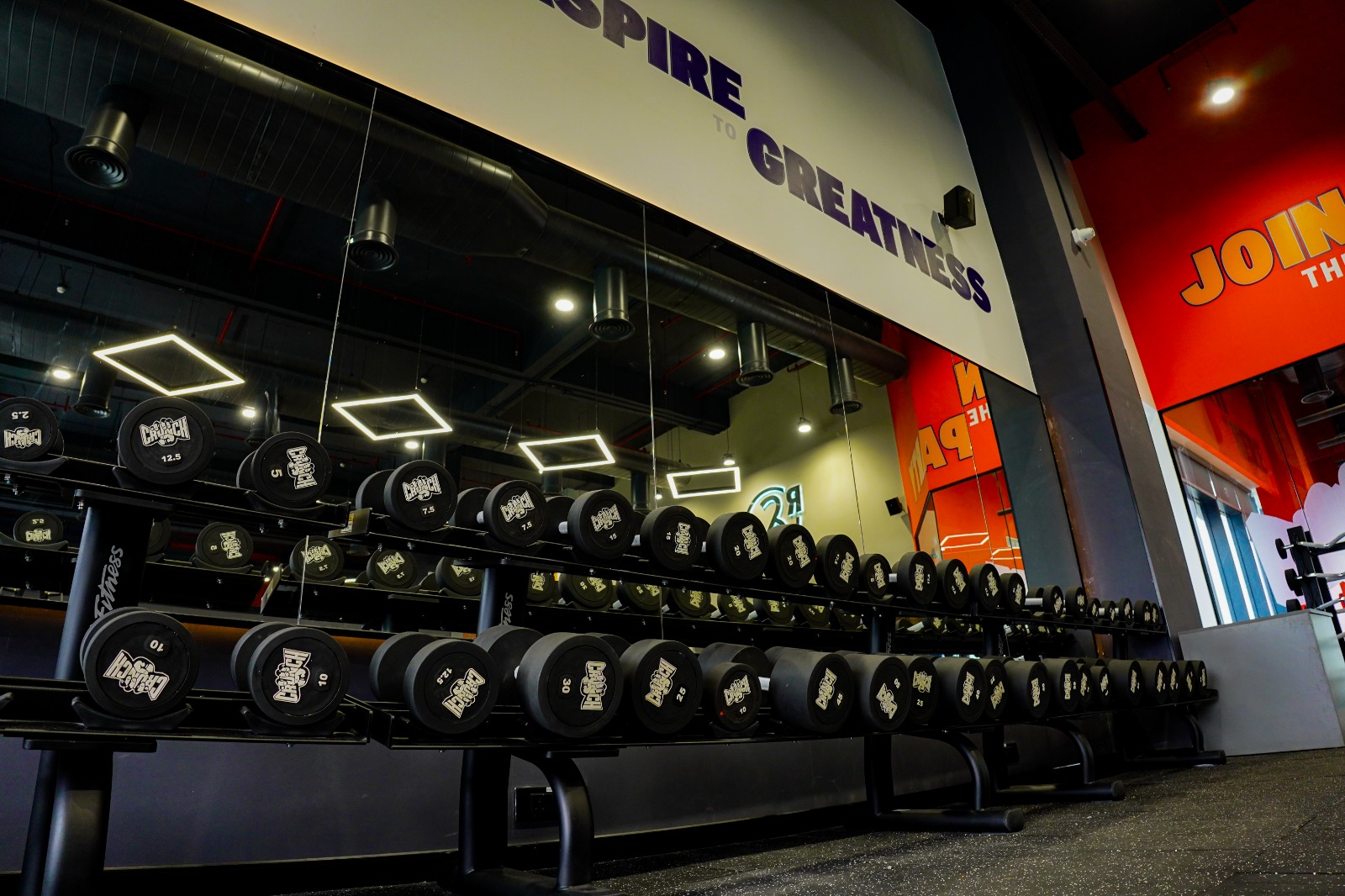
- Gyms and fitness studios
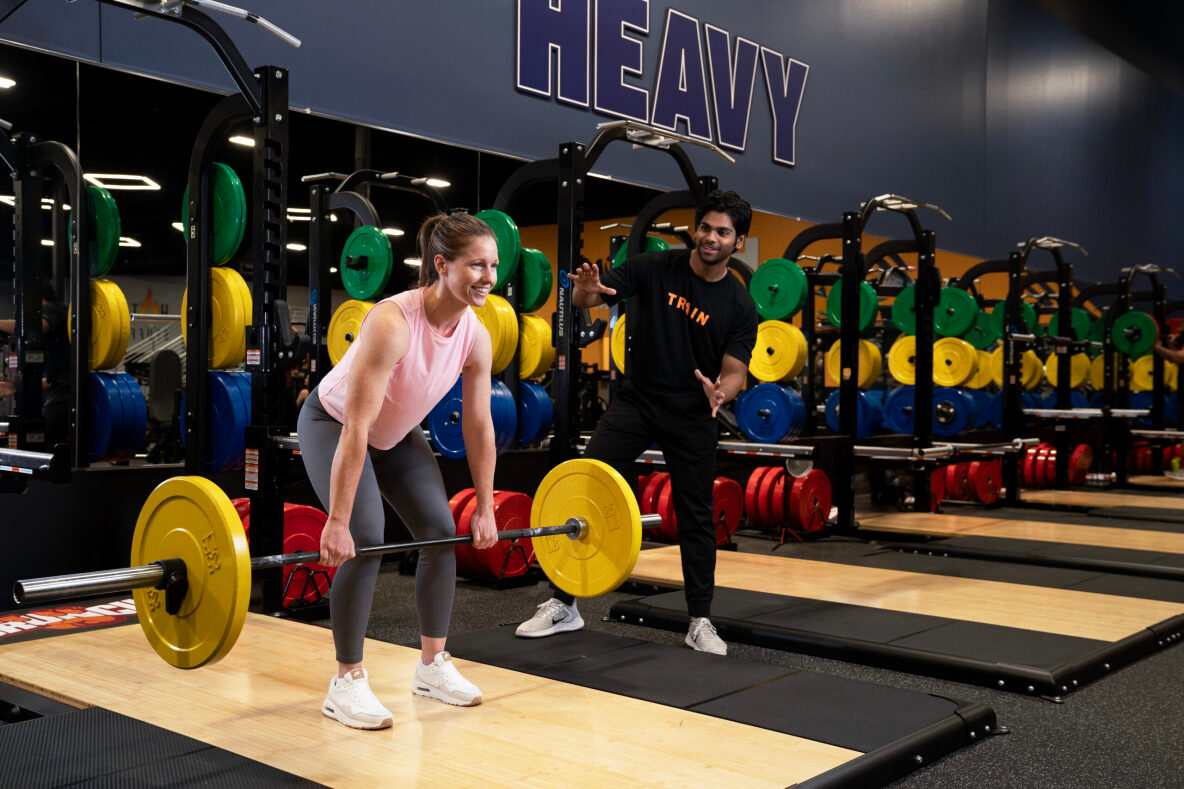
- Strength and conditioning programmes
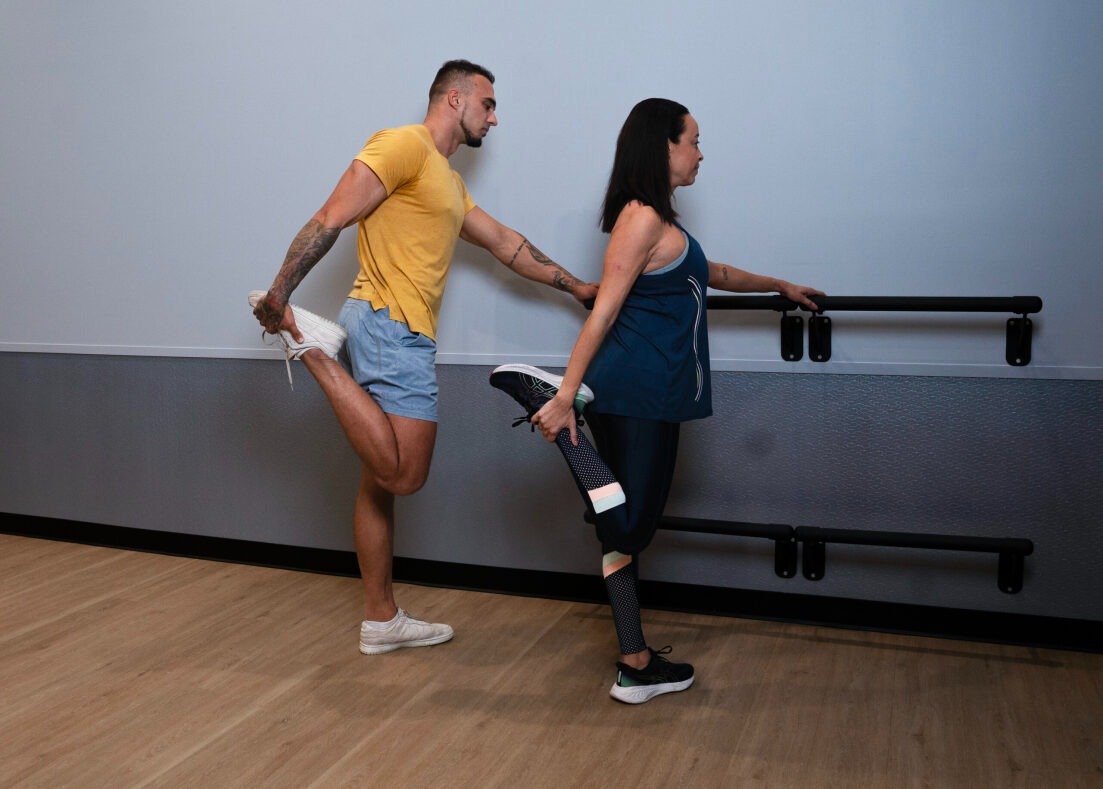
- Mobility and posture-correction training
- After-work and early-morning workout formats
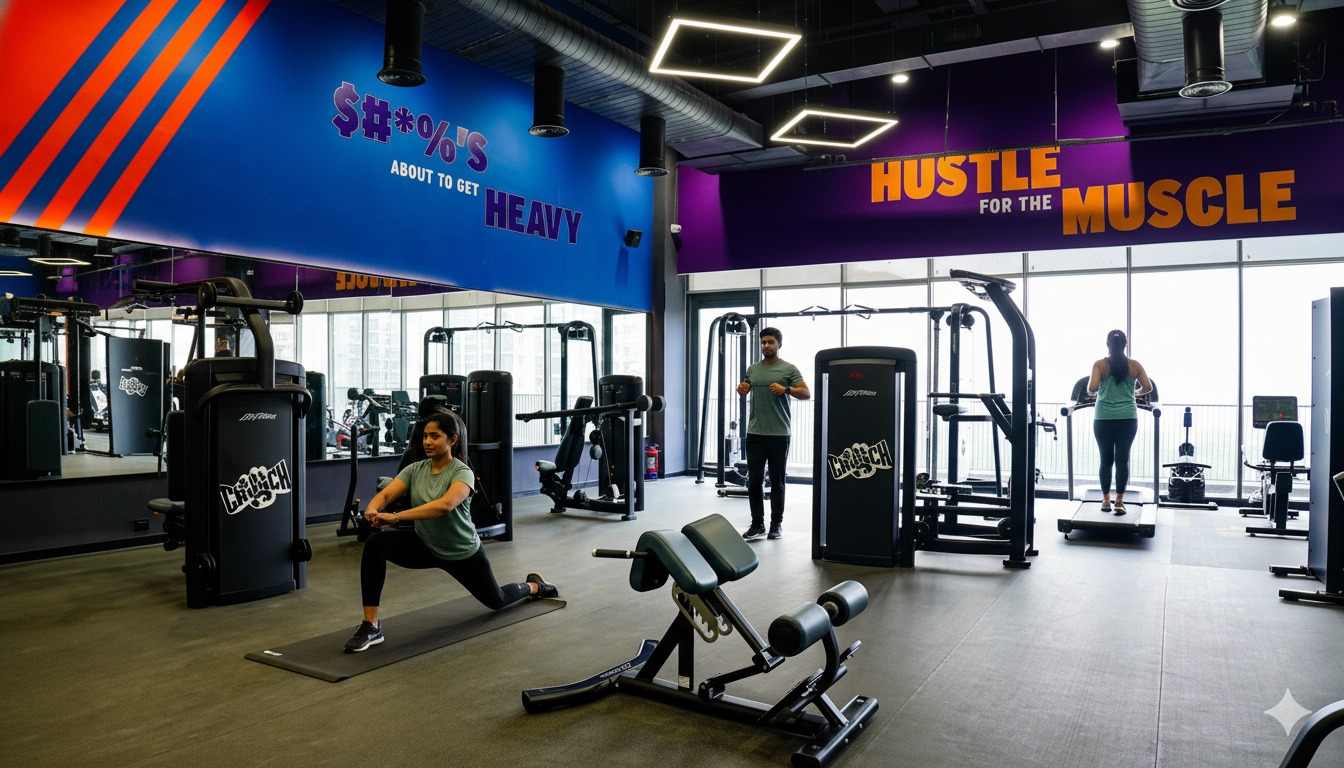
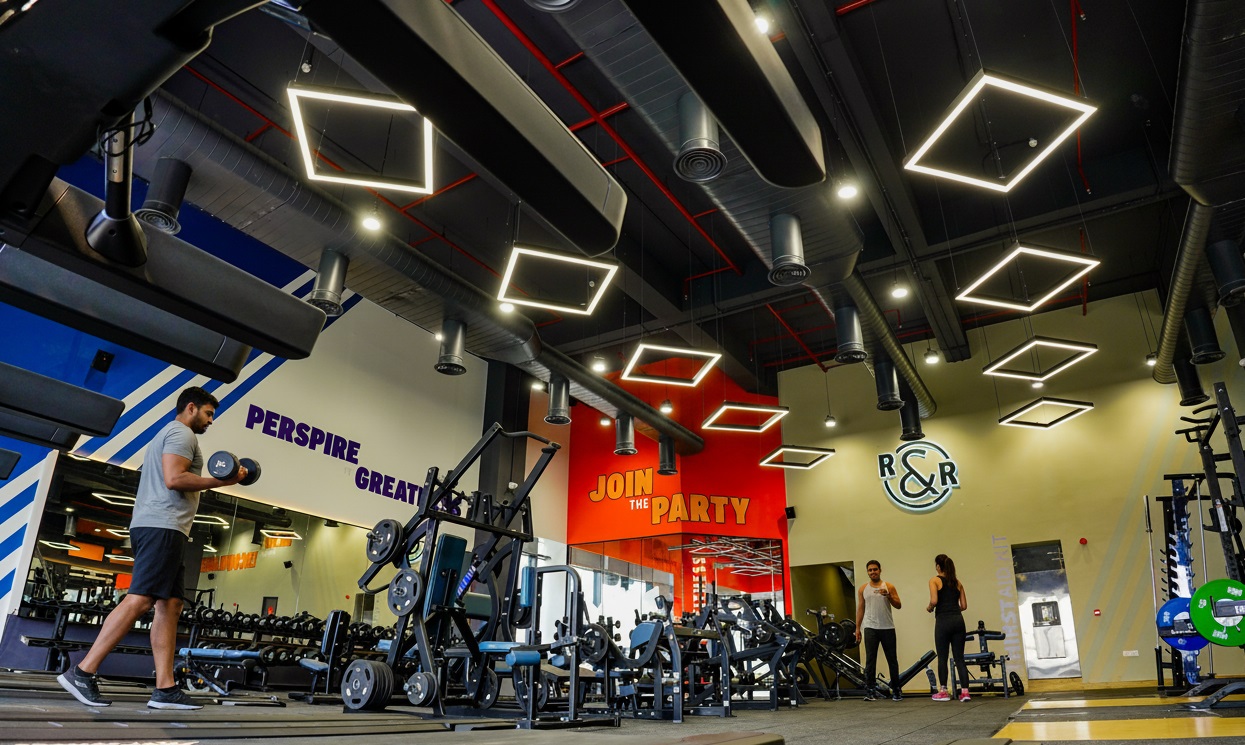
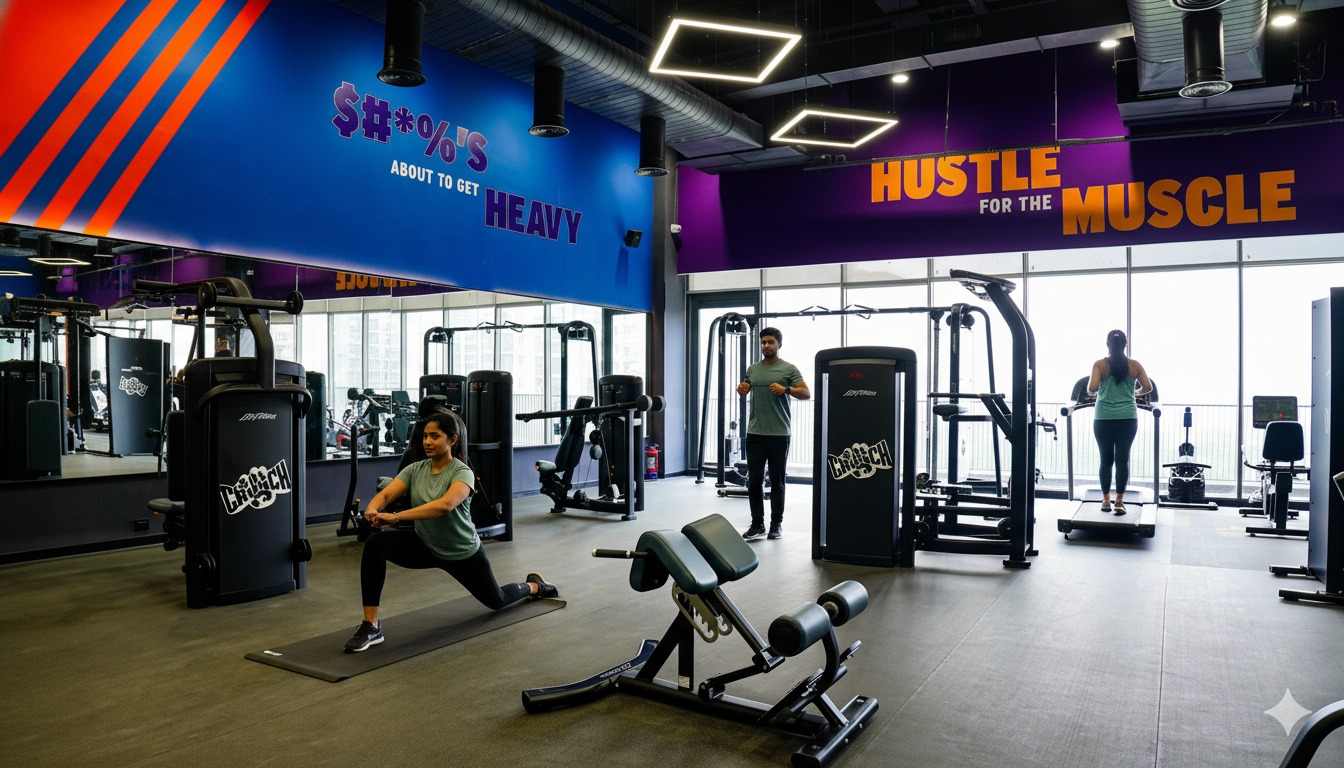
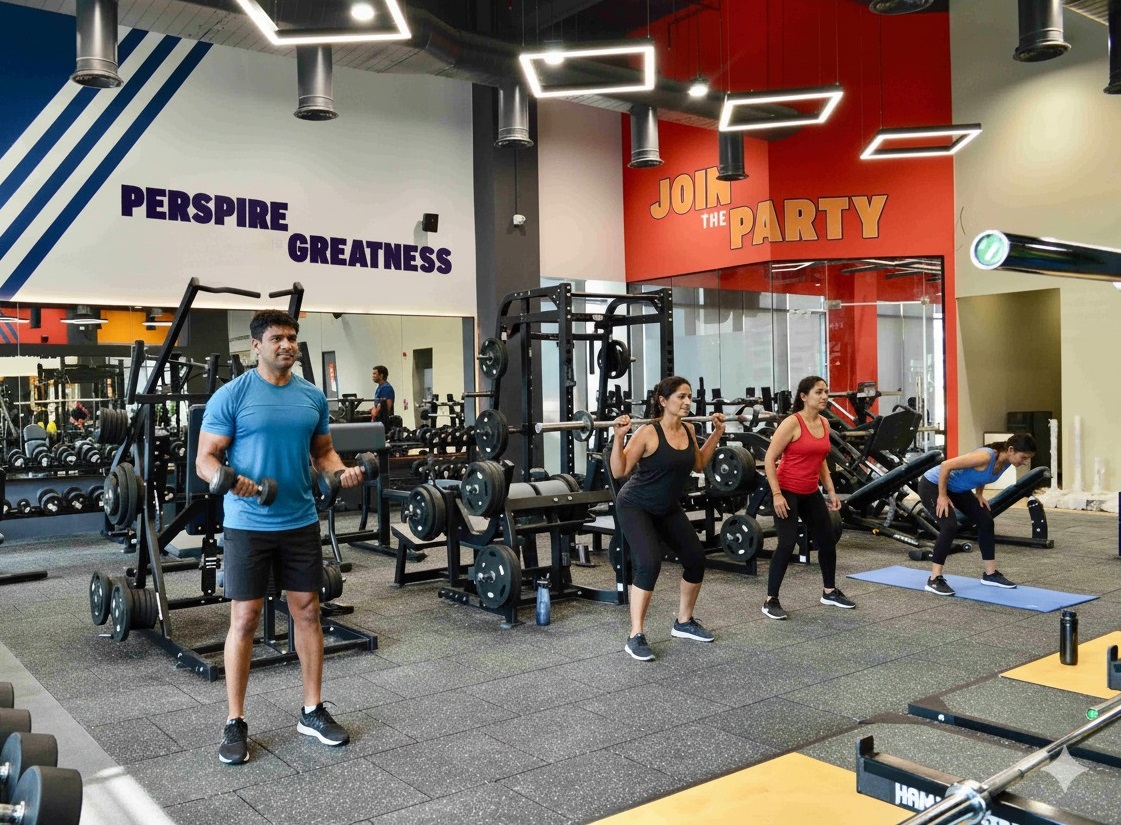
Urban professionals need to plan their physical activity because they lack access to natural movement opportunities that exist in rural and semi-urban environments. The gym functions as a contemporary replacement for the physical activities that people used to engage in throughout their daily routines.
People use fitness activities as a way to maintain their physical condition instead of treating it as a form of entertainment.
Stress, Mental Health, and the New Definition of Fitness
The excitement of urban life brings energy to residents who live in cities yet creates challenges that exceed their ability to handle.
The combination of noise, crowds, deadlines, financial pressure, social comparison and digital overload creates continuous stress which remains active throughout the day. The body develops various health problems through persistent tension that exists between two states of sleep, anxiety, burnout, hormonal imbalance and weakened immunity.
The way people understand fitness has undergone a transformation through this process.
The definition now extends beyond physical appearance and weight reduction. The definition now includes three elements which are mental clarity, emotional control and stress reduction. Urban fitness facilities now provide their users with
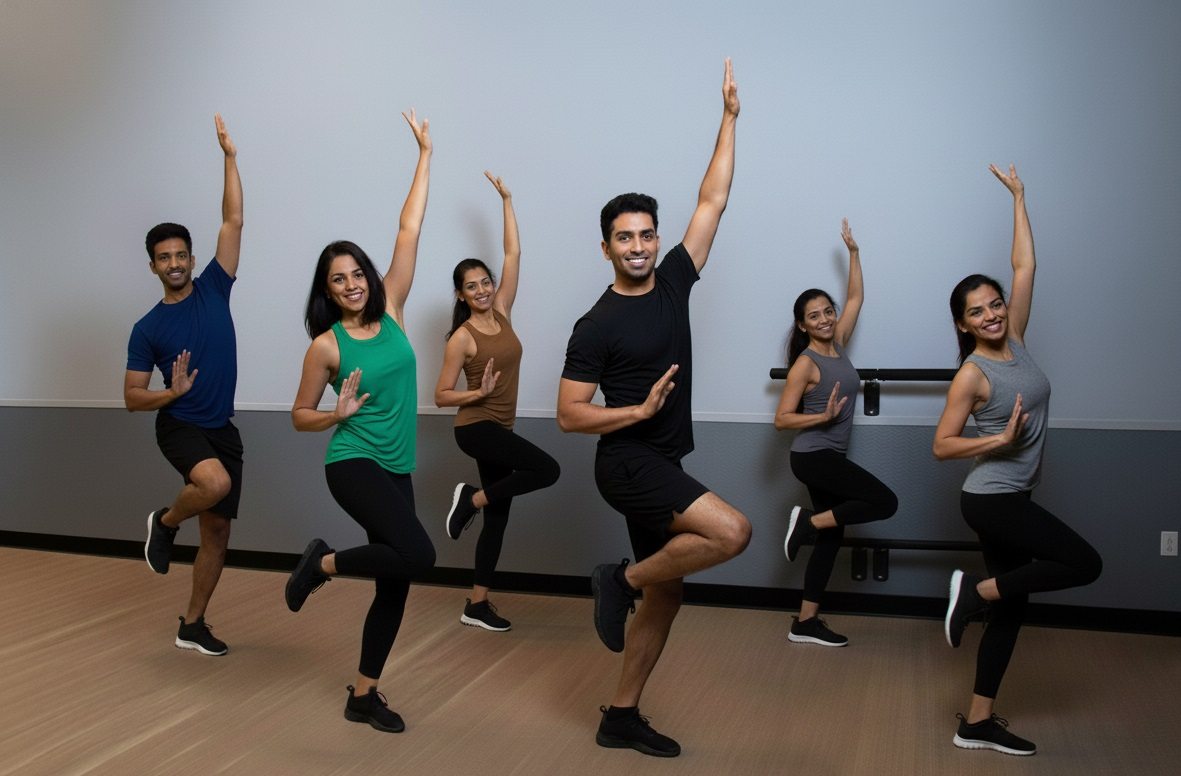
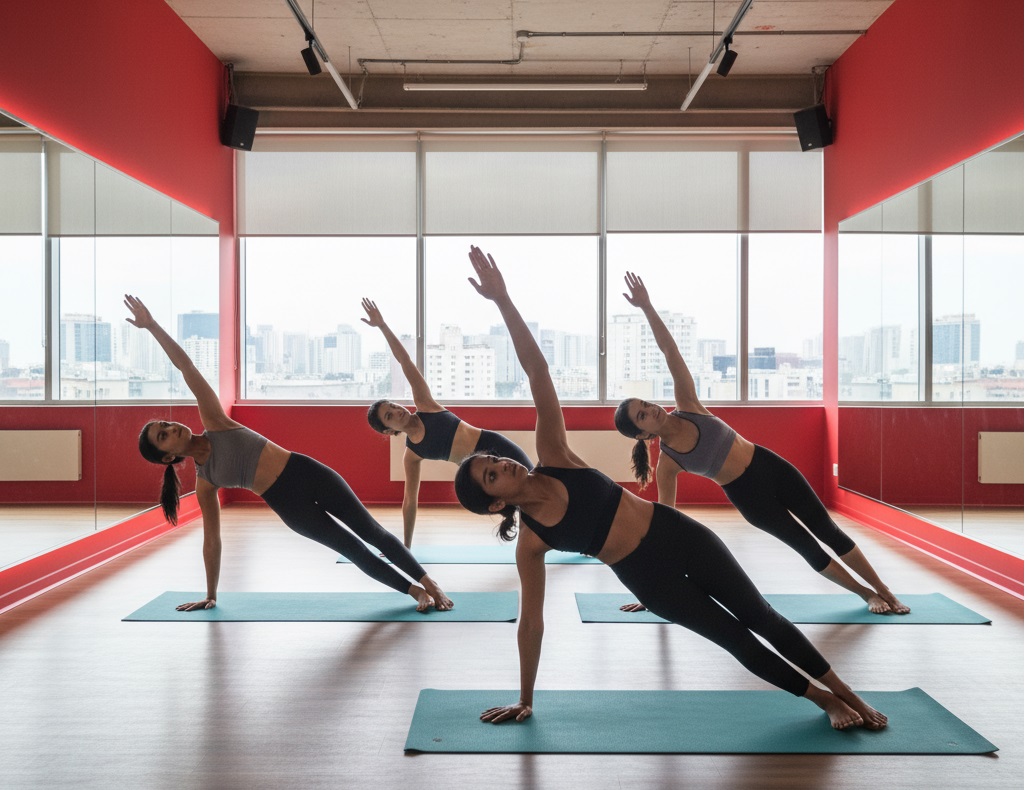
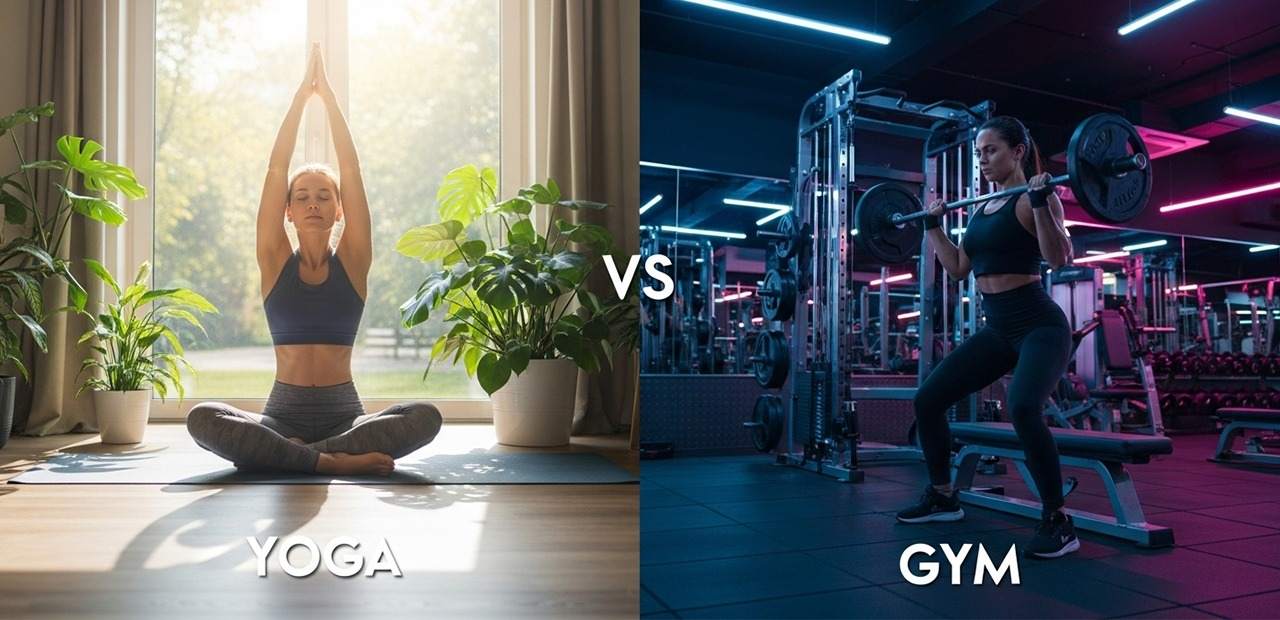
- Mind-body workouts help people learn to teach their bodies through yoga and pilates.
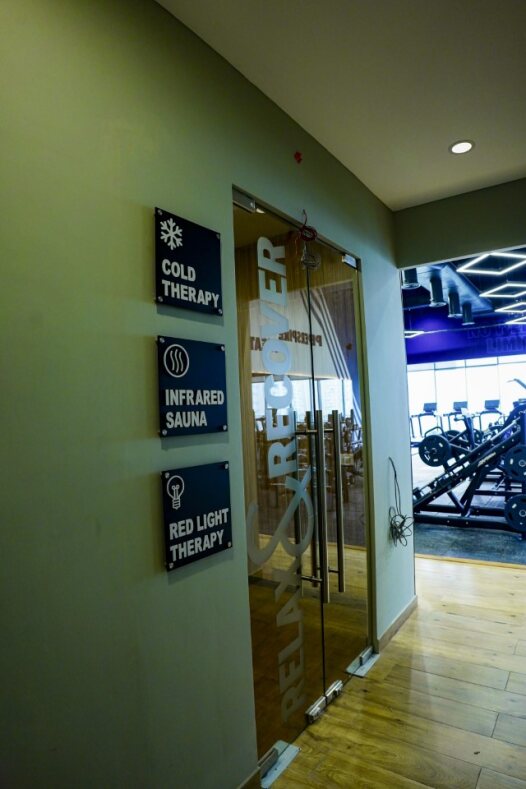
- Breathwork and recovery sessions.
- Meditation and mindfulness integration.
- The method uses low-impact training to enhance longevity.
People who live in urban areas pursue more than just acquiring six-pack abs. They seek to establish equilibrium in their lives.
Time Scarcity and the Demand for Smart Fitness Solutions
Cities operate with time as their most valuable resource. People want results, but they want them efficiently. This urgency has driven innovation across the fitness industry. People now prefer to exercise through short workouts which deliver better results than traditional long sessions.
Urban fitness growth is closely tied to:
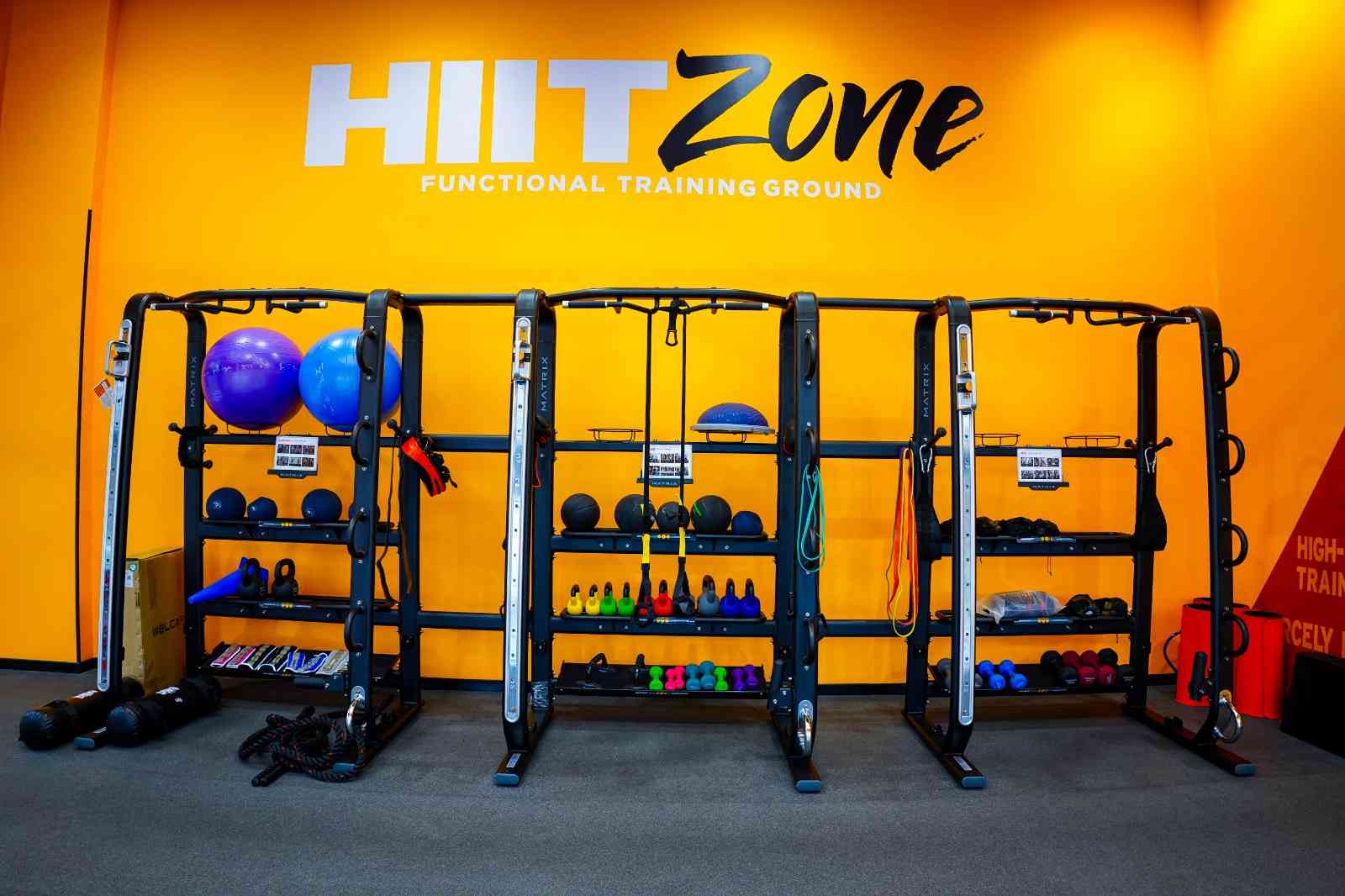
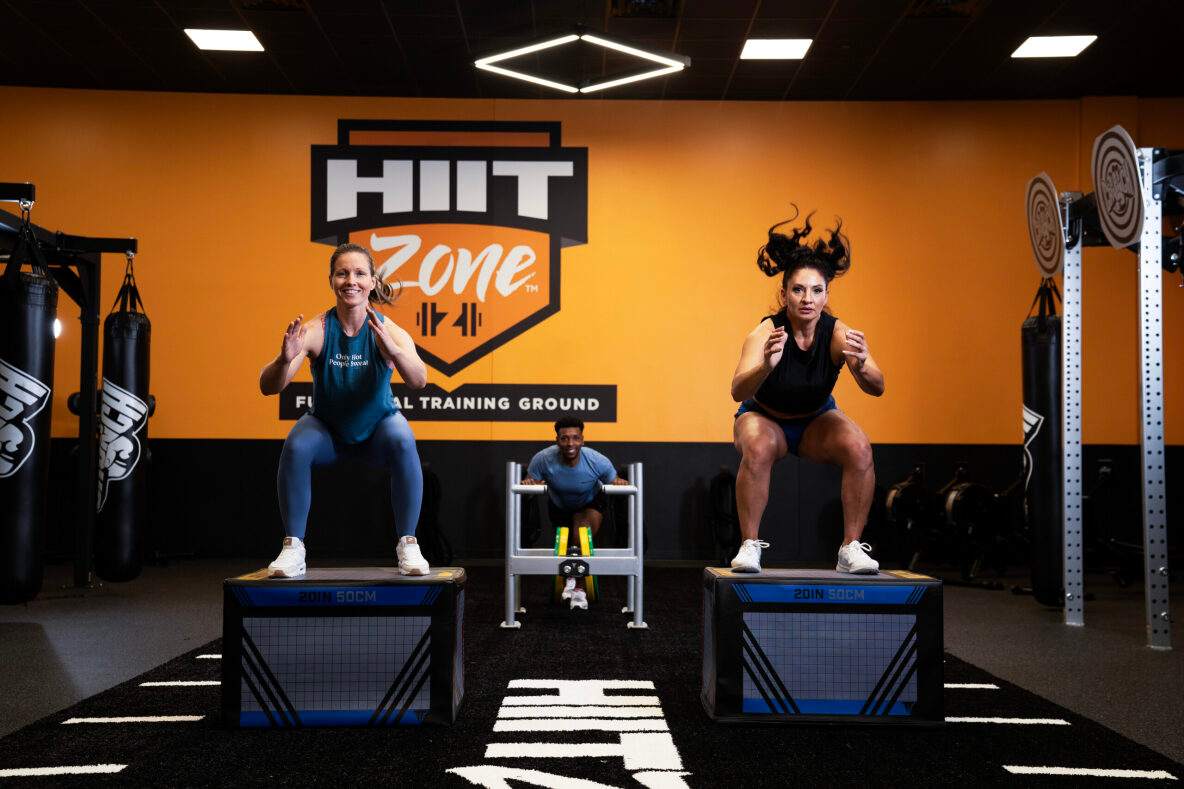
- High-intensity training formats that require short-duration workouts
- Express classes which take place before work and during lunch breaks
- People can access digital workouts which they can use to exercise at home or while traveling
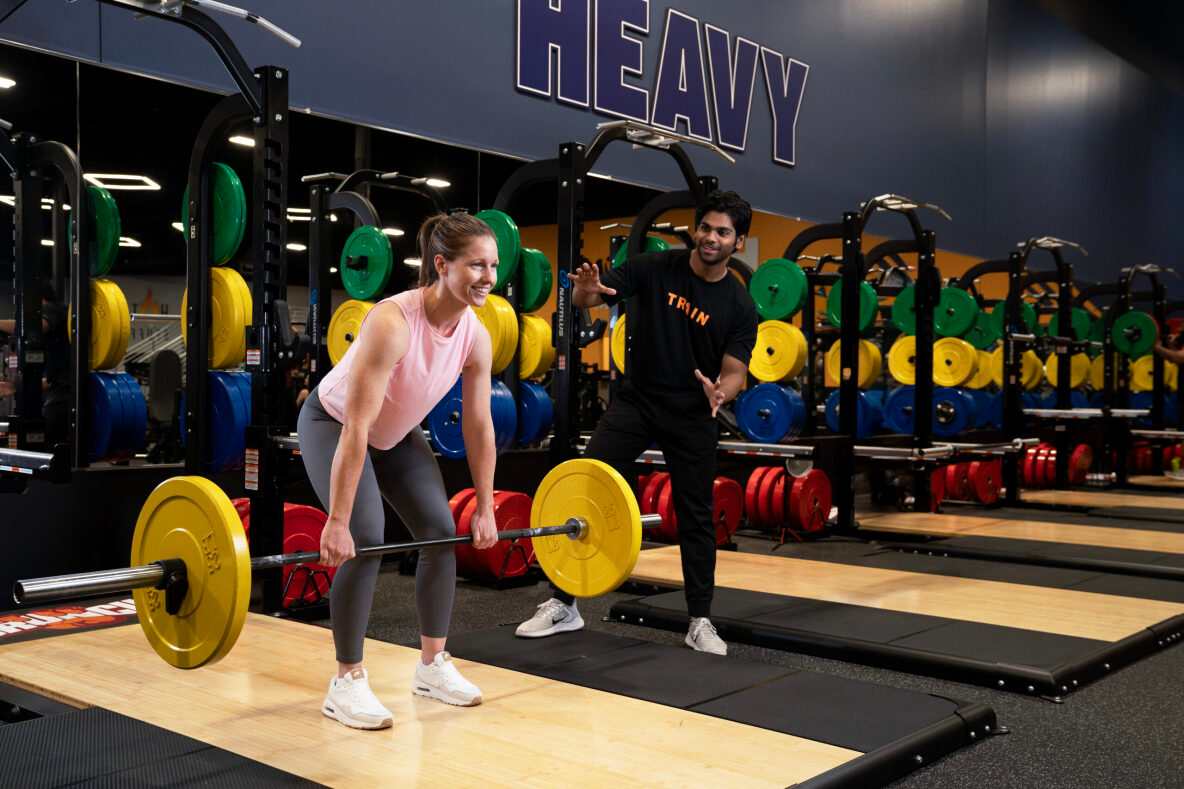
- Personalised training that maximises limited time
The system depends on technology for its essential functions. Urban users use wearables and fitness applications, smart equipment and AI-based coaching systems to monitor their fitness progress and maintain their fitness routine throughout their busy day. The city forces the industry to change its operations.
Changing Diets, Lifestyle Diseases, and Preventive Fitness
Urban areas change both the way people move around and the way they consume food.
City residents now commonly practice fast food consumption together with irregular meal schedules, high sugar diets, processed snack eating and stress-related eating. These habits lead to increased obesity, diabetes, hypertension, and cardiovascular diseases which frequently affect people at unexpectedly early ages.
People use fitness programs now because they understand their benefits for health maintenance instead of waiting to treat health problems.
Urban consumers increasingly turn to fitness as a way to:
- Improve metabolic health
- Manage weight sustainably
- Control blood sugar and cholesterol levels
- Reduce dependence on medication
The industry now offers gym services together with nutrition counselling, health coaching, functional training and lifestyle management programmes. Fitness has become part of a complete wellness ecosystem because it connects to various health and wellness activities.
Conclusion
Urban reality drives the development of the fitness industry. Structured fitness programs have become essential for people who work in sedentary jobs because their stress levels have risen, their health problems have increased and their available time has decreased.
Urban consumers increasingly view fitness as a preventive and long-term investment in health. The fitness industry develops new solutions through its training approach which combines personal instruction with technology and multiple exercise methods.
The fitness industry will continue to play an essential role in helping cities achieve healthier and more sustainable urban environments as urban areas grow and people face more demanding lifestyles. Therefore, it is important to invest in a gym franchise like Crunch Fitness India.
Frequently Asked Questions (FAQs)
Q1. How does lifestyle affect physical fitness?
People's daily habits which include their physical activity, dietary choices, sleeping patterns, and methods for dealing with stress directly determine their physical fitness. The combination of inactive life patterns, inconsistent work times and unhealthy eating habits leads to decreased fitness levels but active physical movements, nutritious food consumption and recovery-oriented practices help people build strength and endurance and achieve lasting health benefits.
Q2. What is causing the rise of the fitness industry?
People now need organized exercise programs because their work requires them to sit for long periods, they have become more aware of health issues, they experience stress-based health problems and they develop diseases that come from their daily routines.
Q3. Do everyday lifestyle choices affect your physical fitness?
Yes. The combination of small daily decisions which include using stairs, keeping proper body alignment, controlling time spent on screens, drinking enough water, and achieving proper sleep patterns develops physical fitness levels that determine energy levels during subsequent days.
Q4. What are the latest trends in the fitness industry?
Fitness today often includes brief, intense workouts. These sessions link to movement-based routines alongside practices supporting emotional balance. Personalized instruction arrives through online portals. Engagement grows where physical effort meets mindful awareness via technology.
Q5. Why is Gen Z so into fitness?
Gen Z shows dedication to fitness because they understand health benefits, social media affects their perceptions, they want to improve their mental health and they want to develop their skills. The younger generation uses fitness activities as a way to build social connections while they show their unique identity and they deal with their stressful times.
Explore More Articles

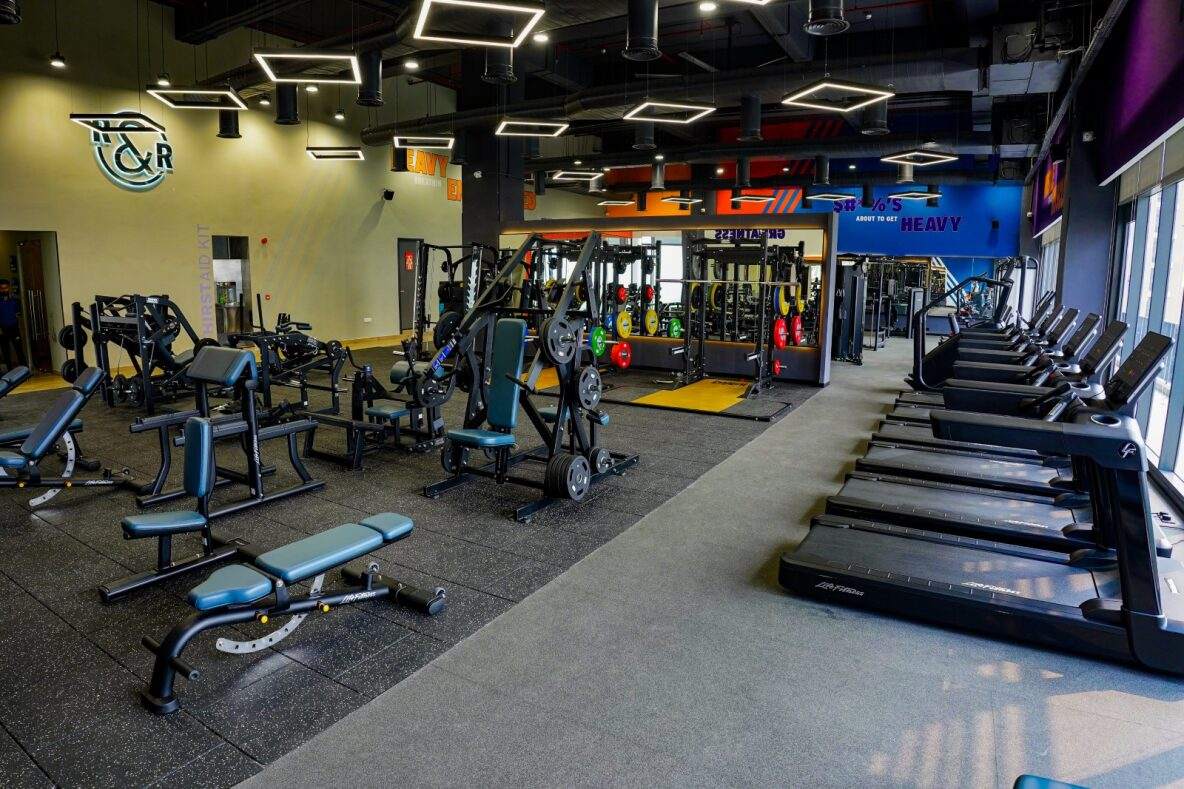
The fitness industry in Delhi is expanding rapidly because of three factors w... Read More
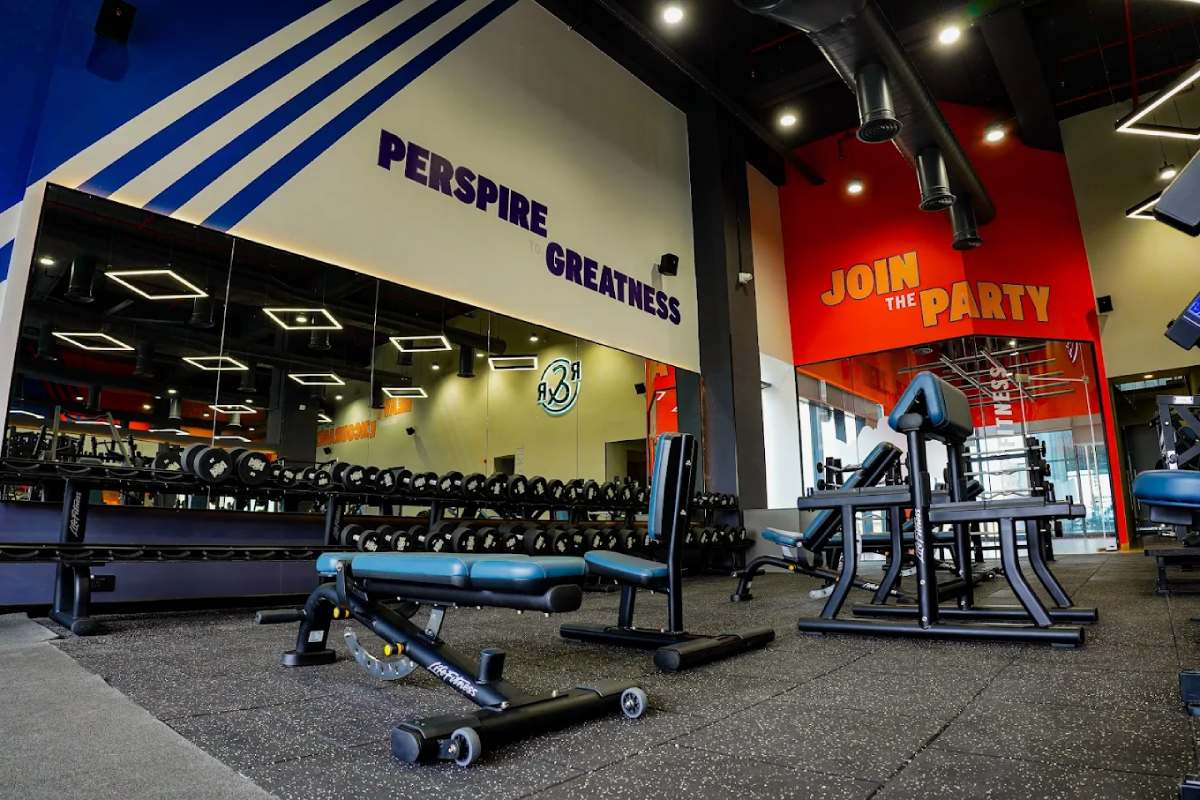
Th... Read More
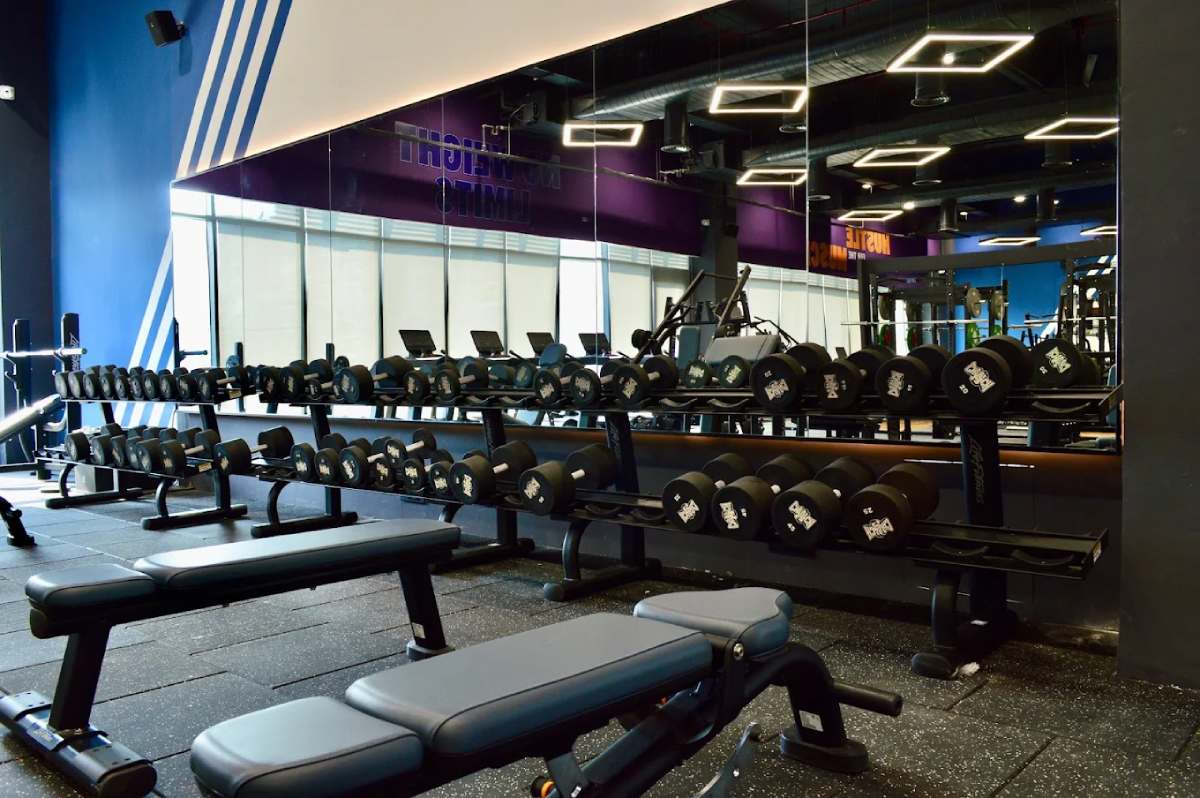
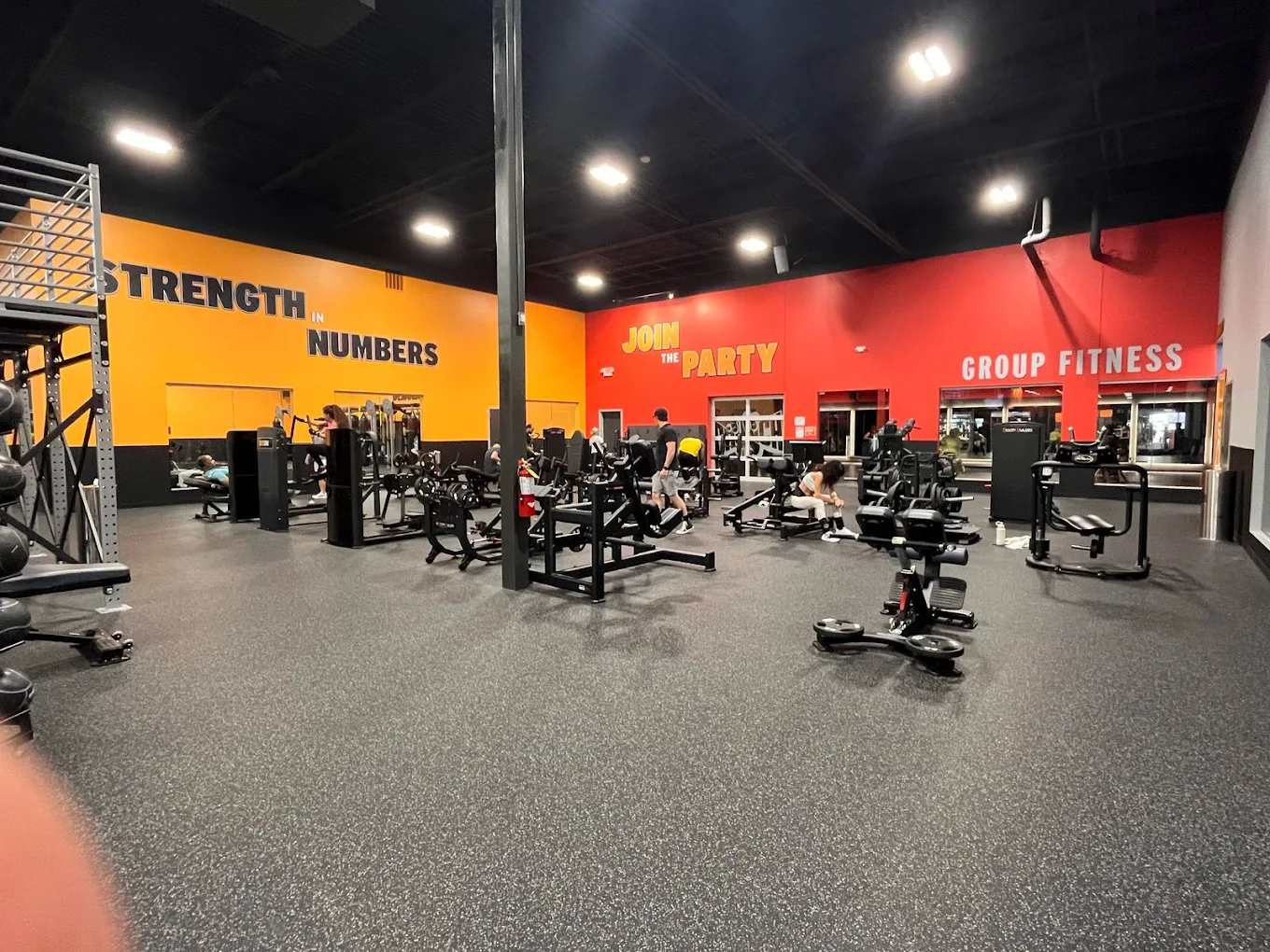
The launch of a gym franchise is only the beginning of the journey. The actua... Read More
The process of starting a gym franchise in In... Read More
Where you place your gym matters most. Though b... Read More
Today, the fitness industry stands as one of the fastest-expanding business s... Read More





<... Read More

























<... Read More

<... Read More
<... Read More

<... Read More
<... Read More

<... Read More

<... Read More

<... Read More







<... Read More
<... Read More
<... Read More

<... Read More

... Read More
CLOSEST CLUB
Your Local Crunch ...
SEE OUR MEMBERSHIP OPTIONS