Deciding on a fitness franchise or personal training studio is one of the key decisions for someone who wants to venture into the fitness business.
A franchise is the name of an already known brand, includes developed systems and rules plus regular help, while a personal training studio is more flexible, has less costs at the beginning and more control over pricing and services.
Both have the potential to be profitable. However, the one that is profitable to a larger extent is the one depending on your metrics: net margins, speed of scale, cash flow predictability, and how you value time, control, and growth.
Let’s take a look at the real differences so that you are able to choose the right path for yourself.
Difference Between a Franchise Gym and a Personal Training Gym
A Franchise Gym
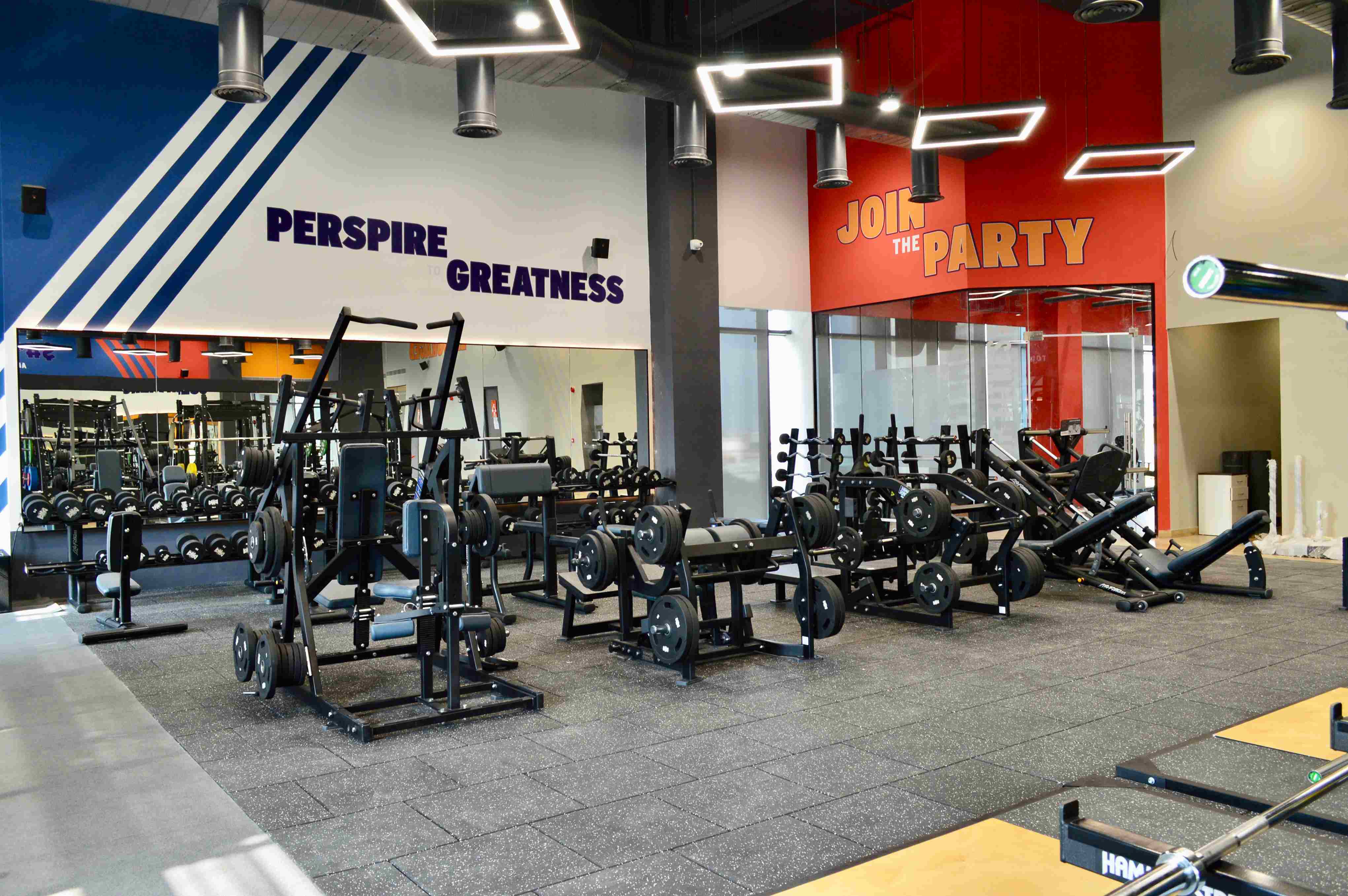
A franchise gym follows a standardized business model issued by the main company. The franchisor sets the parameters of the brand, the price, the quality of the instruments, marketing tactics, and the conditions for running the business.
The revenue is mainly coming from memberships, and this is backed by the group classes and additional services. The model provides structured support, training, and brand recognition; at the same time, it incurs franchise fees, continuous royalties, and limited flexibility in everyday decision-making.
A Personal Training Gym
On the other hand, a personal training gym functions as an independent business entity. The owner is the one who decides about the branding, pricing, services, and ways of attracting clients.
The revenue primarily comes from individual or small group training, which may be offered at high rates. Although operating costs are usually lower, growth is highly dependent on the owner’s participation, local reputation, and his/her ability to create scalable systems.
Cost To Start: How Much Capital Do You Need?
Franchise
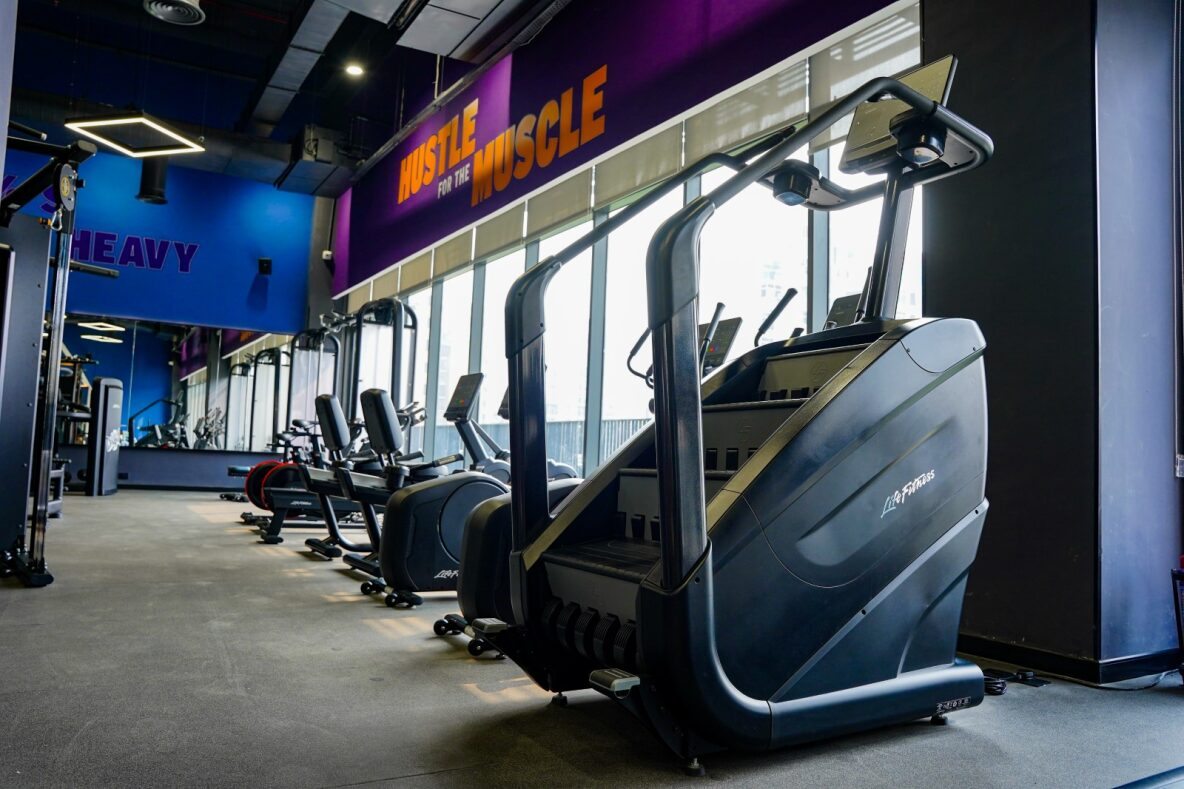
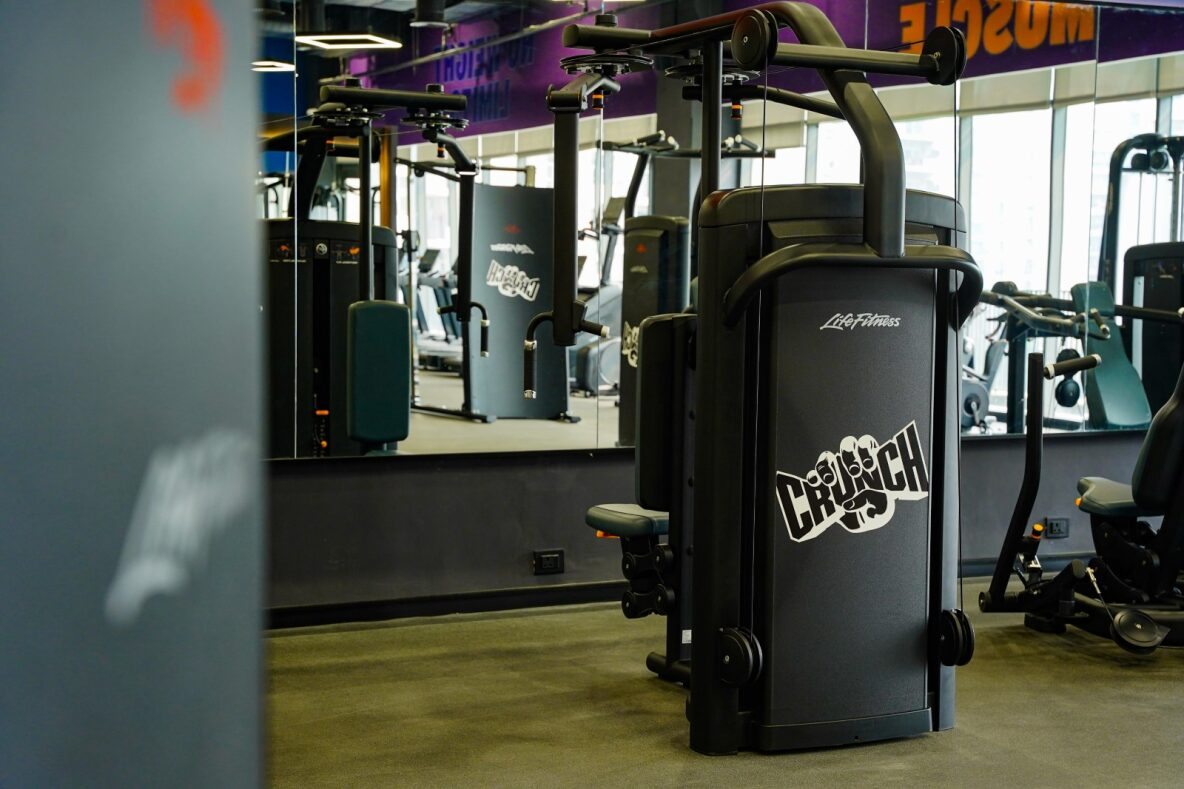
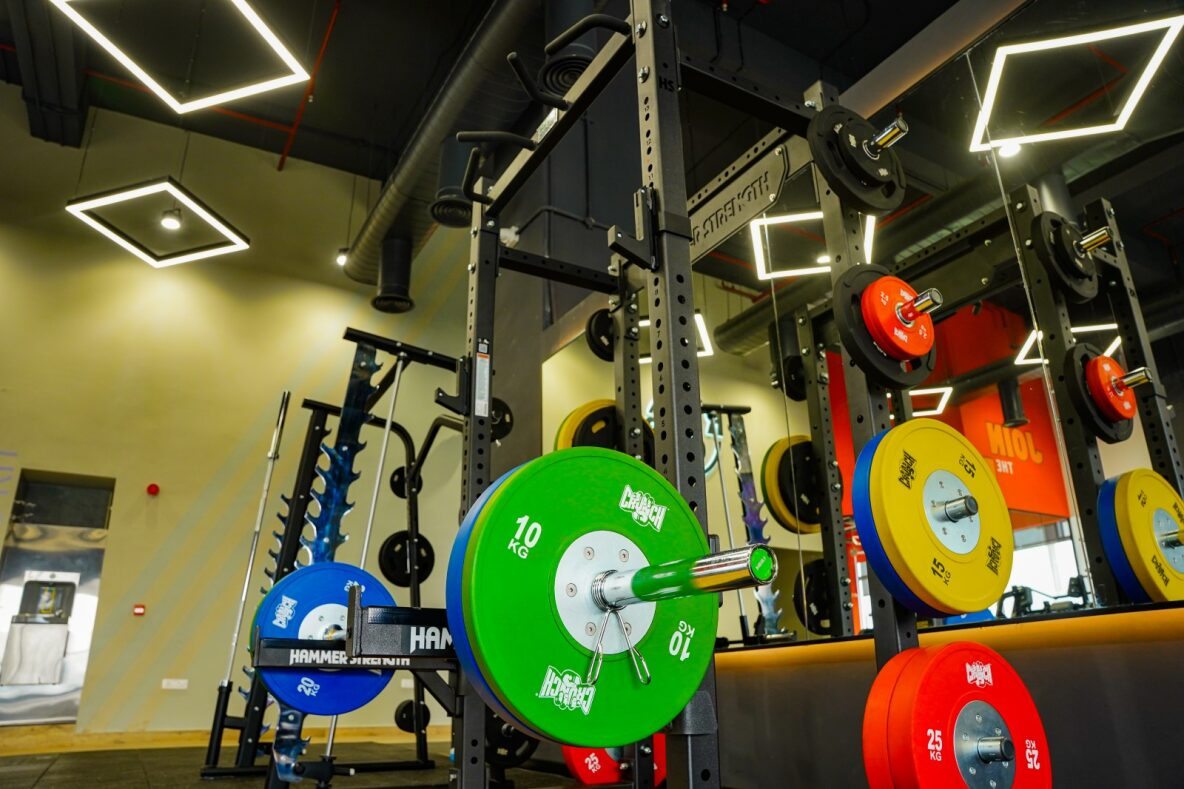
Varies widely. Low-investment concepts may start below ₹1 crore; boutique or mid-range franchises like Crunch Fitness commonly require ₹3-3.5 crores or more depending on scale, fit-out, and territory. There’s usually a franchise fee, equipment costs, and marketing/working capital requirements.
Personal Training Studio
Startup costs can be much lower (₹5 Lakhs, for a minimum setup), often tens of thousands rather than hundreds (rent, basic equipment, licenses, and initial marketing). If you already own or can affordably lease, you can start lean.
Revenue Streams And Diversification
Franchise
Each franchise inherently has several ways to generate revenue: membership fees, classes, selling products under the brand, contracts with companies, and, at times, partnerships that involve the entire franchised area (for example, nutrition and wearables).
Furthermore, franchising brands like Crunch Fitness means utilizing efficient marketing tactics that result in faster recruitment of new members.
Personal Training Studio
Gyms generally offer personal training and small group training but later on, they may also add nutrition counseling, online coaching, workshops, and retail. This can be profitable but it is a long process of building both the brand and the systems.
Profit Margins And Operating Costs
Franchises
Net margins vary. Many franchise gyms show healthy operating profits but must pay royalties and marketing fees which lower net margin compared with an independent operator.
The conventional margin in a health club is usually around 10–20%, variable in one way or the other depending on the model and how efficient the gym is. Boutique types of gyms, on the other hand, can push the limit of their margins in very good market conditions.
Personal Training Studios
Margins might be bigger per customer (especially in the case of high-end, custom, or rehab-oriented services) since staffing and rent are the primary costs, but still, the profitability is very much determined by owner utilization (the number of billable hours you or your trainers can sell).
Through clever productization (online programs, packages), studios can reach the margin levels of the big players without being of huge size.
Scaling And ROI
Franchise
Designed to scale. With capital and management in place, you can open multiple outlets, use a replicable model, and leverage centralized marketing. That can compress ROI timelines if location and execution are right. But expansion often requires external financing and adds operational complexity.
Personal Training Studio
Scaling is slower. You can expand by hiring trainers, adding virtual services, or franchising your own concept, but each step needs careful systemization. ROI often depends on building a loyal local base first.
Practical Checklist — Choose Based On Your Priorities
- How much can I invest without risk of loss? (High = franchise; Low = studio)
- Do I want to scale beyond one location? (Yes = franchise; Maybe later = studio)
- How much control over programming and branding do I want? (Full control = studio)
- Am I comfortable following corporate systems and paying royalties? (Yes = franchise)
- Do I have local market knowledge and a network of clients? (Yes = studio)
Quick Summary — The Short Answer
Franchises can give faster scale and more predictable revenue streams but come with higher upfront costs, ongoing royalties, and less operational freedom. Profit margins are often healthy but reduced by fees and required brand spends.
Personal training studios (owner-operated) usually need less initial capital, can deliver higher per-client margins if you specialize, and offer greater control but they scale more slowly and rely heavily on the owner’s time and local reputation.
Conclusion
There is no definitive answer as to which model is more profitable, since the profitability is closely linked to the investor’s resources, skill and aims. Usually, the fitness franchises give fast scalability, reliable procedures and strong brand support, but they charge high initial investments and regular royalties as well.
In contrast, personal training studios can yield more per client with less investment, but the only limitations are time and local demand on the extent of expansion. The most lucrative option is the one that suits your financial capacity, risk appetite, and future outlook the best.
Meticulous financial forecasting and market study should be the basis for the final decision. After all that, if you’re sure you want to start a Crunch Fitness India franchise, then we welcome you with open arms.
Frequently Asked Questions (FAQs)
Q1. Are fitness franchises profitable?
Definitely! Fitness franchises are sources of profit since they have a brand reputation, experience, and the possible income coming from different sources like memberships, group classes, and add-on services. So on location, operational efficiency, and the franchisor's fee structure determine profitability.
Q2. What are the risks of a gym franchise?
There are a few risks involved with franchising. Like, it requires a large investment. Also, you will fully depend on the reputation of the franchisor's brand. You will have to stick to the rules with regard to your operations and prices, which might limit your business. Selecting a poor location for your gym can also lead to unsatisfactory performance.
Q3. How much do gym franchise owners make?
You can expect 30-35% ROI but the income varies from one franchise owner to another and it usually depends on the size and market. A single-unit owner can make a steady monthly profit, while on the other hand, the multi-unit owner can expect much higher annual income even after covering the expenses and fees.
Q4. Is a personal training studio more profitable than a franchise gym?
A personal training studio can be more favorable from the point of view of every client in terms of profits because of less contribution toward the business and more pricing flexibility, but the total revenue might be less if the studio hires only one trainer.
Q5. Which model is better for long-term growth?
Franchises are generally better suited for rapid and multi-location expansion, while personal training studios offer slower but more controlled growth with higher operational independence.
Explore More Articles

The fitness industry in Delhi is expanding rapidly because of three factors w... Read More
Th... Read More

The launch of a gym franchise is only the beginning of the journey. The actua... Read More
The process of starting a gym franchise in In... Read More
Where you place your gym matters most. Though b... Read More

Today, the fitness industry stands as one of the fastest-expanding business s... Read More















<... Read More










































<... Read More

<... Read More

<... Read More

<... Read More

<... Read More

<... Read More

<... Read More

<... Read More









<... Read More
<... Read More

<... Read More

<... Read More

... Read More
CLOSEST CLUB
Your Local Crunch ...
SEE OUR MEMBERSHIP OPTIONS