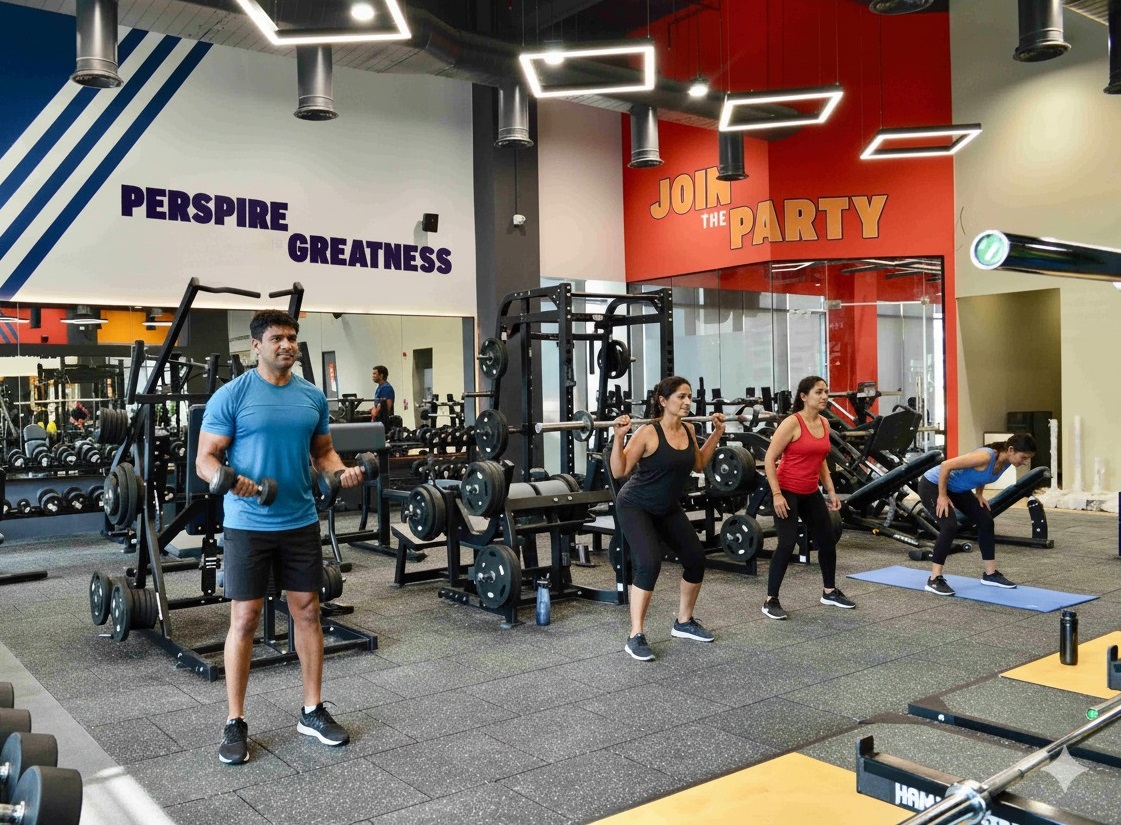
When you enter a popular gym chain the entire establishment creates an environment that operates according to established rules. You will find the equipment located at its expected position. The areas of the facility create an experience that people already know.
The actual location displays all three elements that you have experienced through online platforms. The organization of identical elements across all locations does not happen by chance.
The business uses it as a planned approach. Fitness franchises achieve brand expansion through equipment choices and strategic facility designs which maintain design standards.
The elements determine how patrons navigate the space, how they use the facility during peak times, how beginners establish their confidence and how the area maintains its high-end appearance. The blog explains the importance of these particular elements.
Why Equipment and Layout Matter More Than People Think
People think gyms succeed because of their trainers, their advertising and their membership fees. The initial impression controls all aspects of gym operations. The true fact about gyms shows that a gym operates as a physical product until it transforms into its function as a service.
Your equipment, floor plan and interior design elements create:
- the patterns of movement that people use
- the level of comfort that people experience
- the degree of confidence that new users display
- the duration of their visits
- the frequency of their return visits
- the intensity of brand perception
Franchise models require these elements to become essential because customers expect businesses to deliver the same experience across all locations.
When customers experience one location as high-end and the other as disorganized, their trust in the business relationship disappears.
The Franchise Advantage: Standardization at Scale
The main benefit that a fitness franchise provides to its business operations exceeds its brand recognition.
The system allows multiple fitness locations to operate with identical operational procedures.
Franchises use established business systems to operate their restaurants while fitness franchises begin their operations with their physical facilities.
The goal requires that members who change their gym location should experience the same atmosphere throughout their entire gym experience.
The requirement includes various equipment types that must match existing equipment standards.
The spatial arrangements need to match existing equipment distribution while the design must maintain identical artistic elements and display systems and their operational patterns.
The operational patterns during peak hours need to match existing patterns that occur during other times of the day.
A fitness brand establishes itself as a fitness chain through this particular process.
Equipment Consistency: The Backbone of Member Trust
Members see equipment as their first impression of the facility which they will notice even when they do not try to see it.
The machines are not named by all people yet they can tell the difference between:
- sturdy vs shaky
- smooth vs jerky
- modern vs outdated
- well-maintained vs neglected
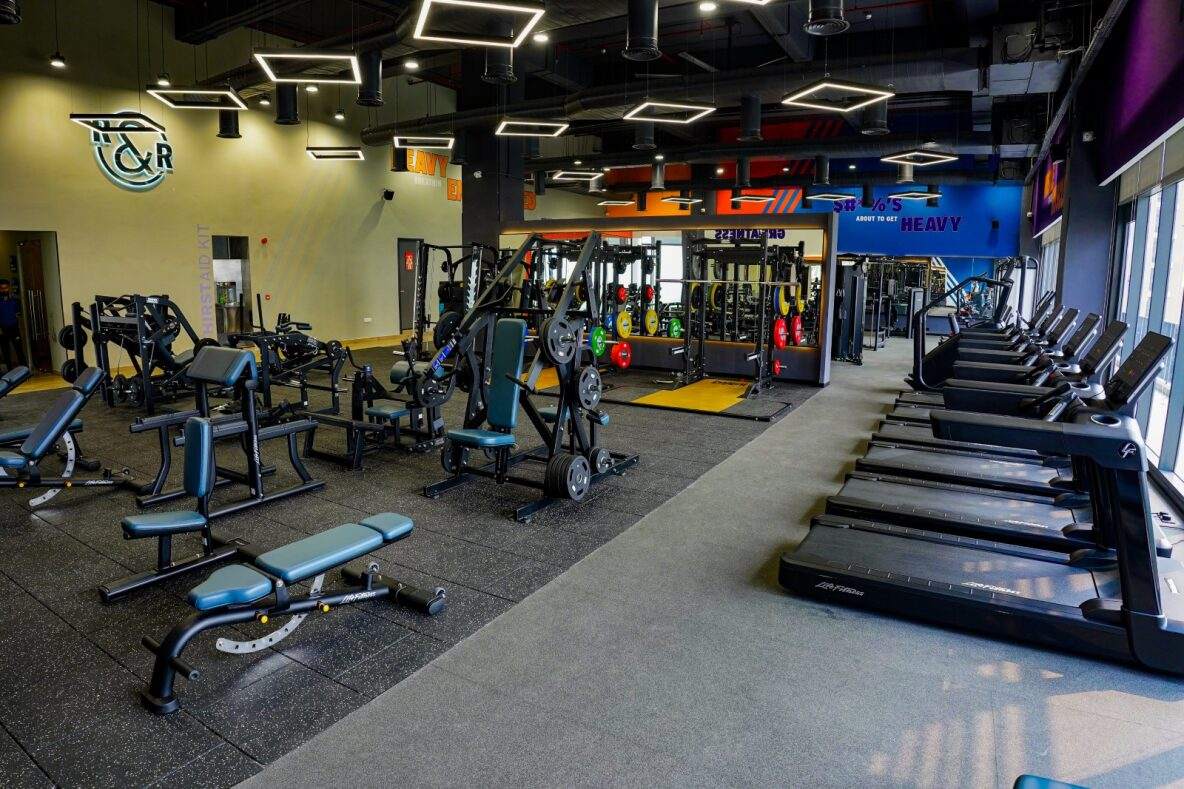
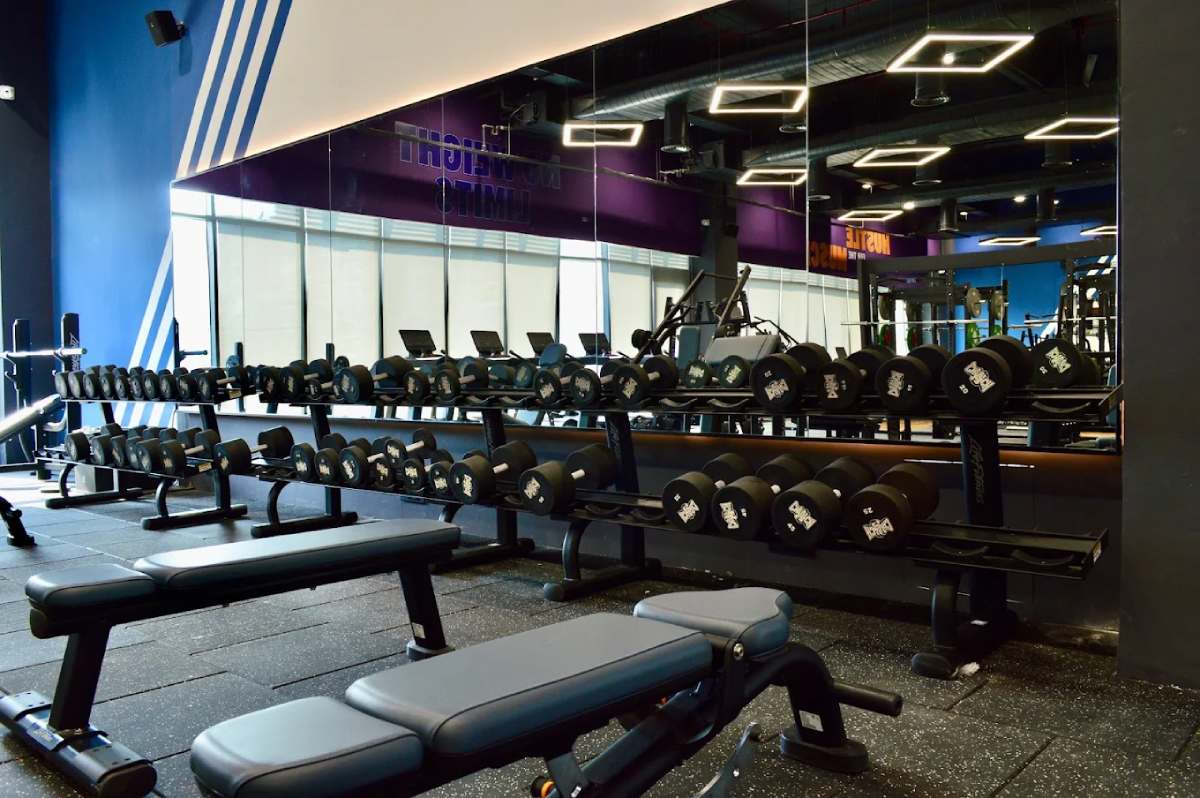
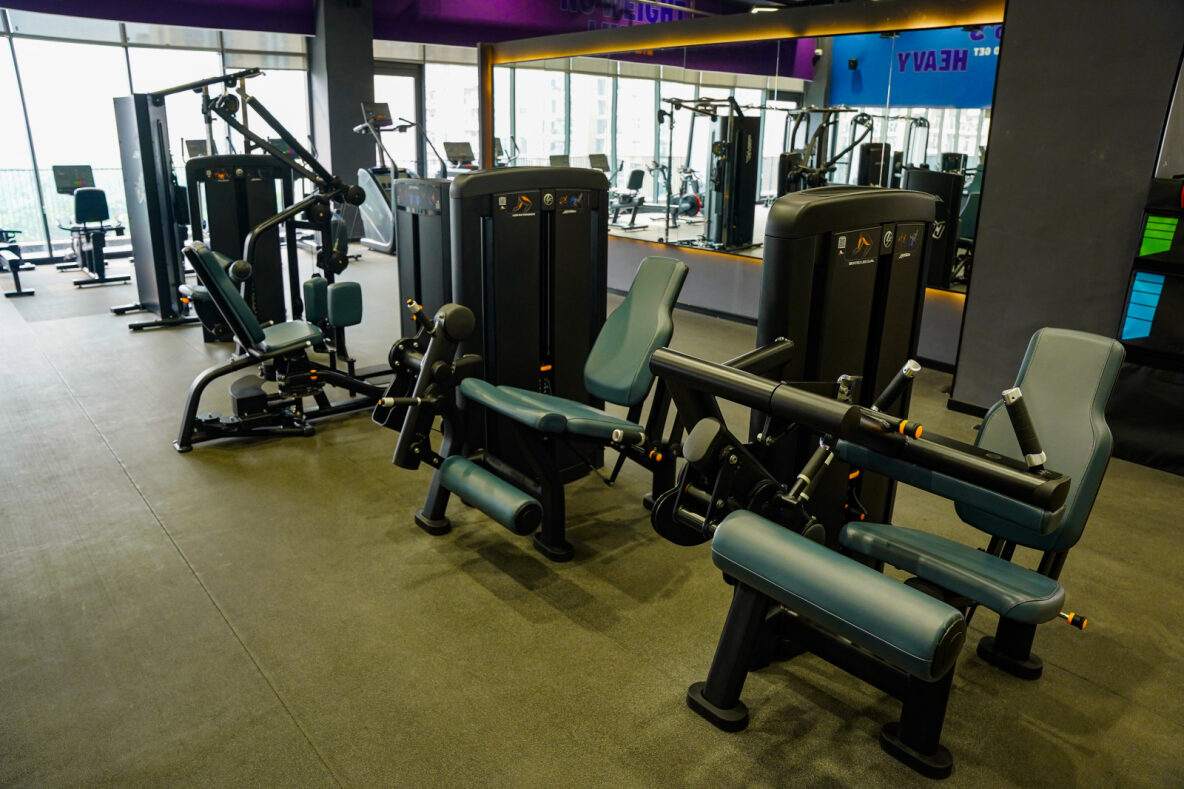
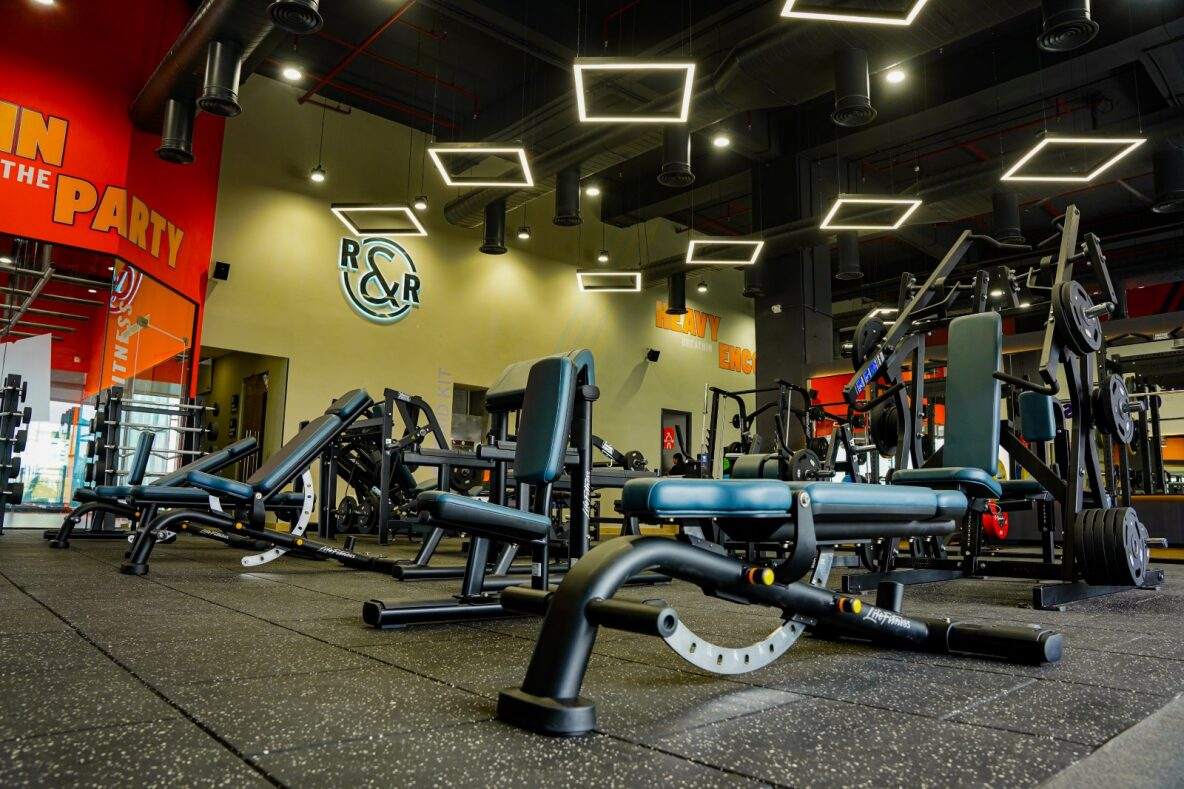
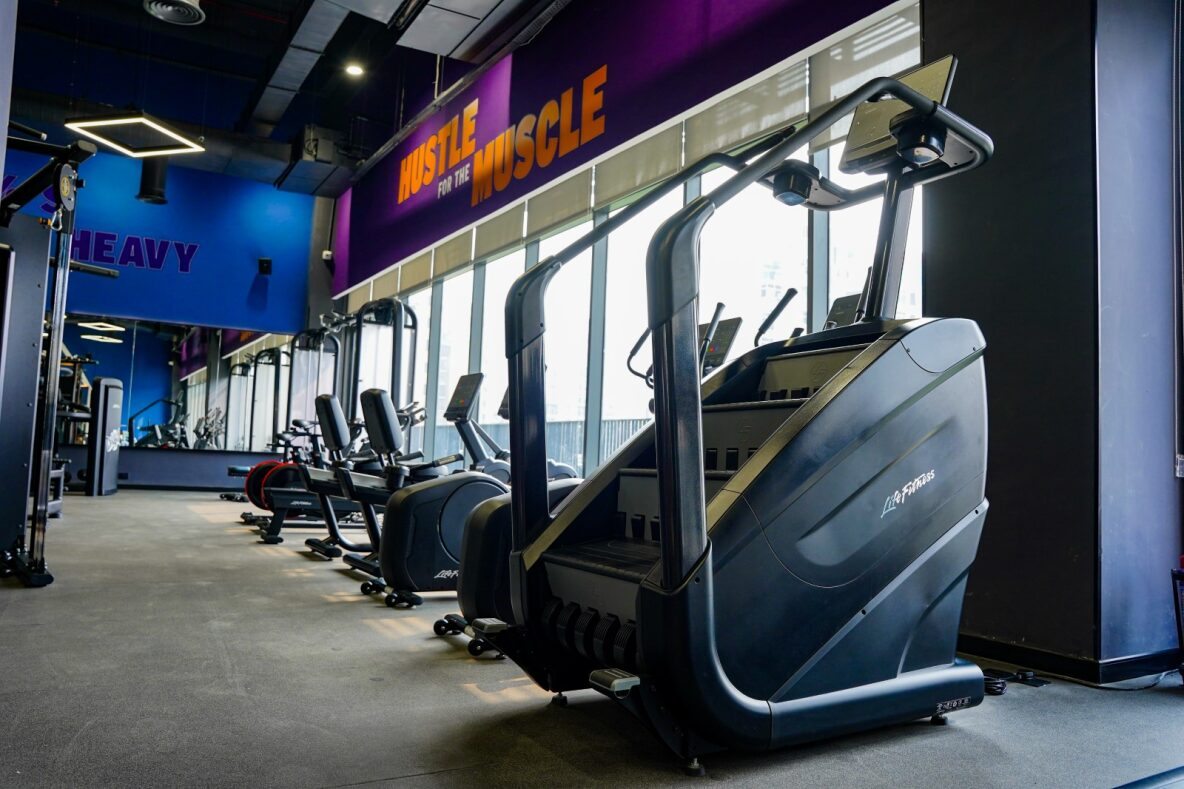
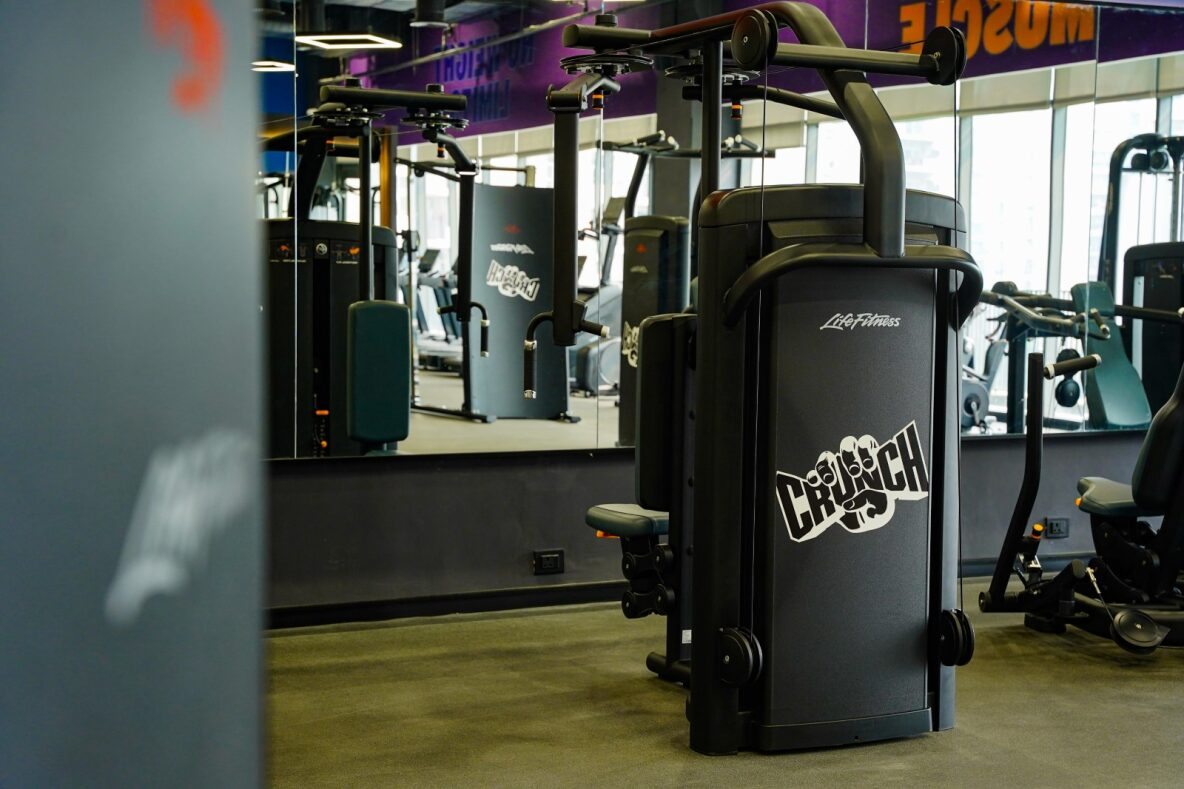
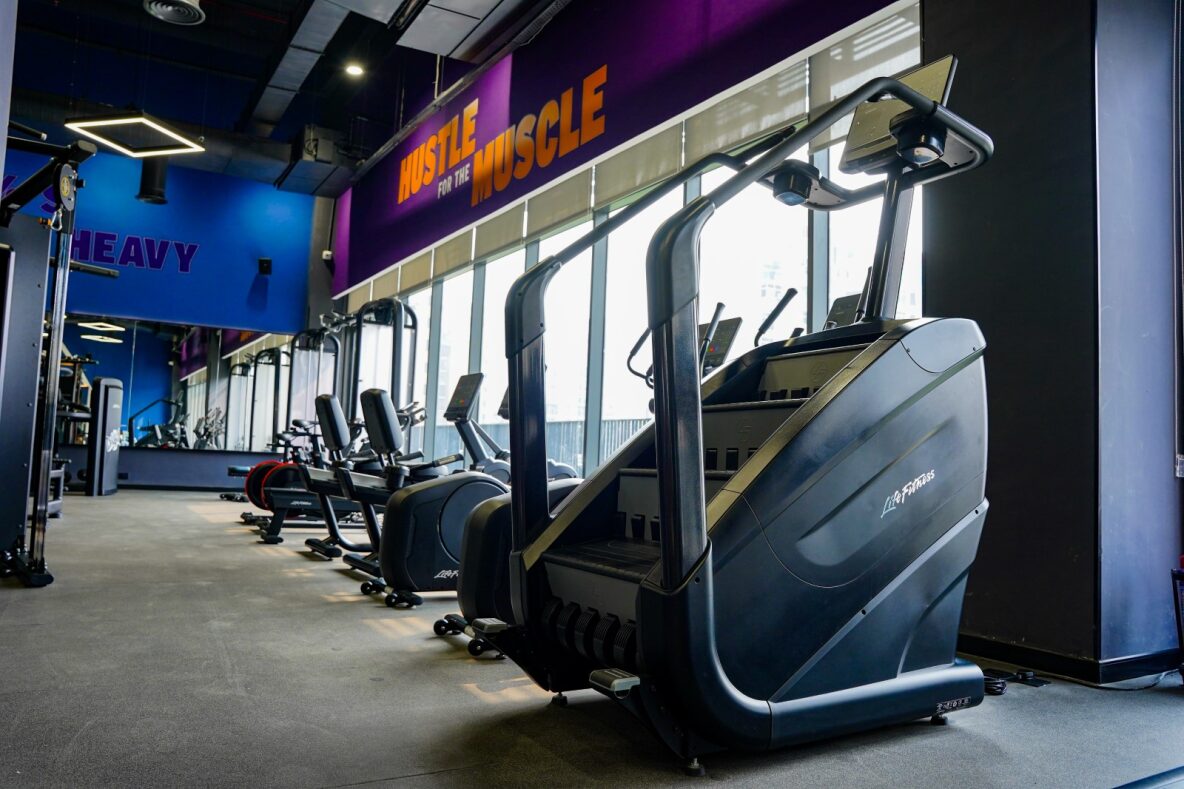
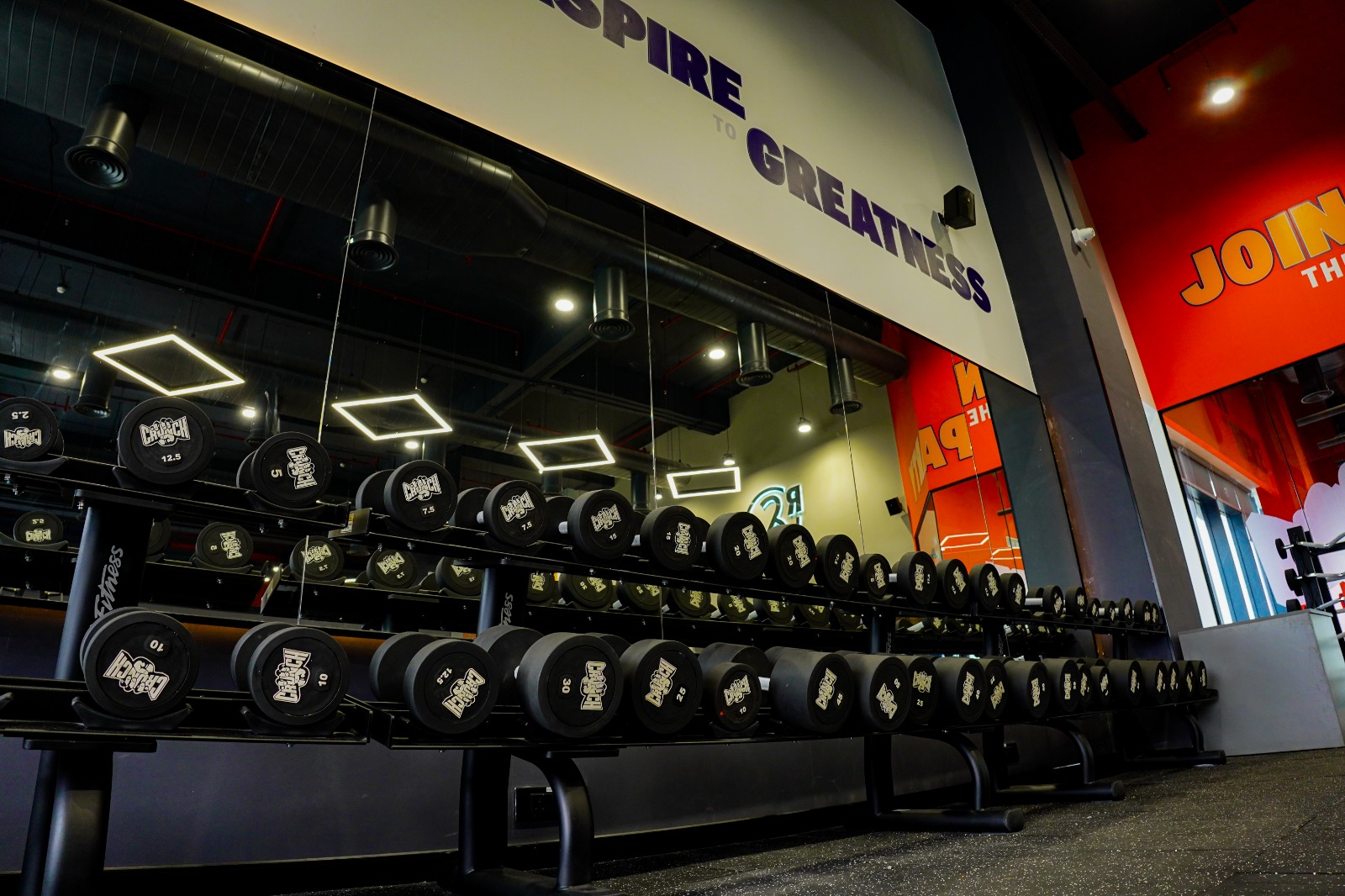
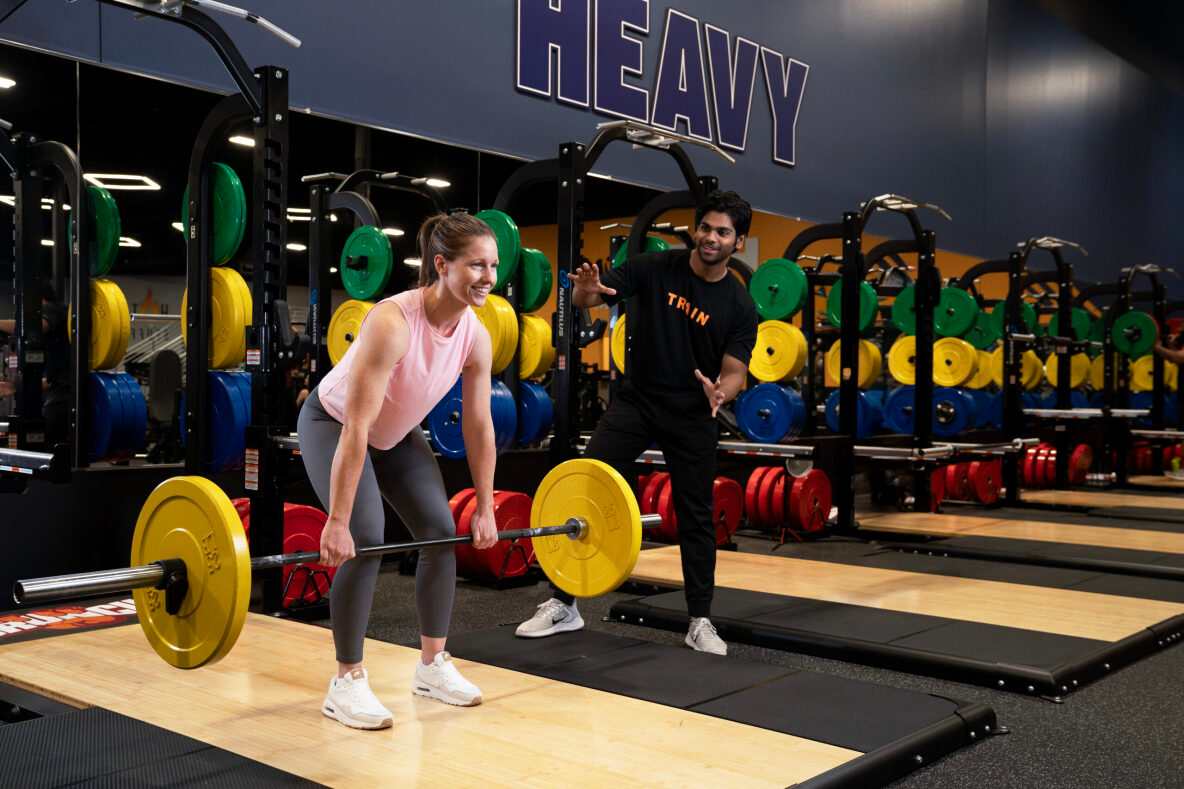
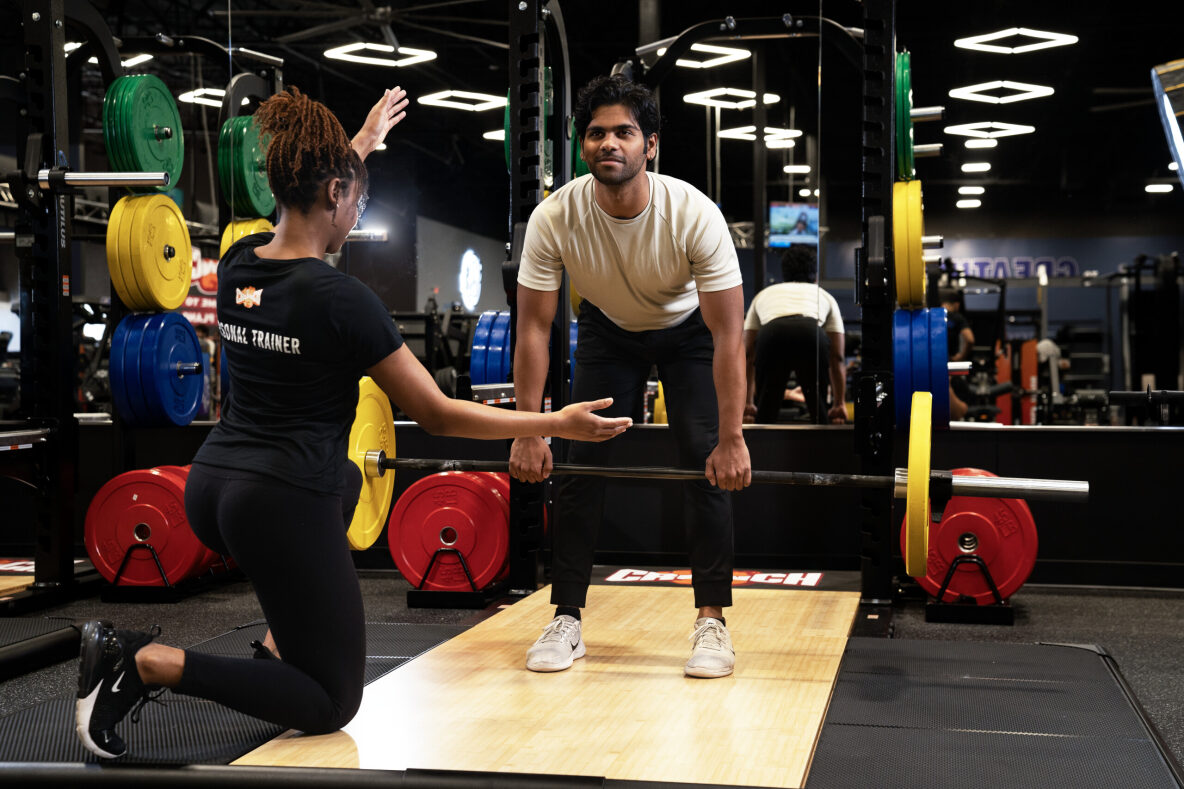
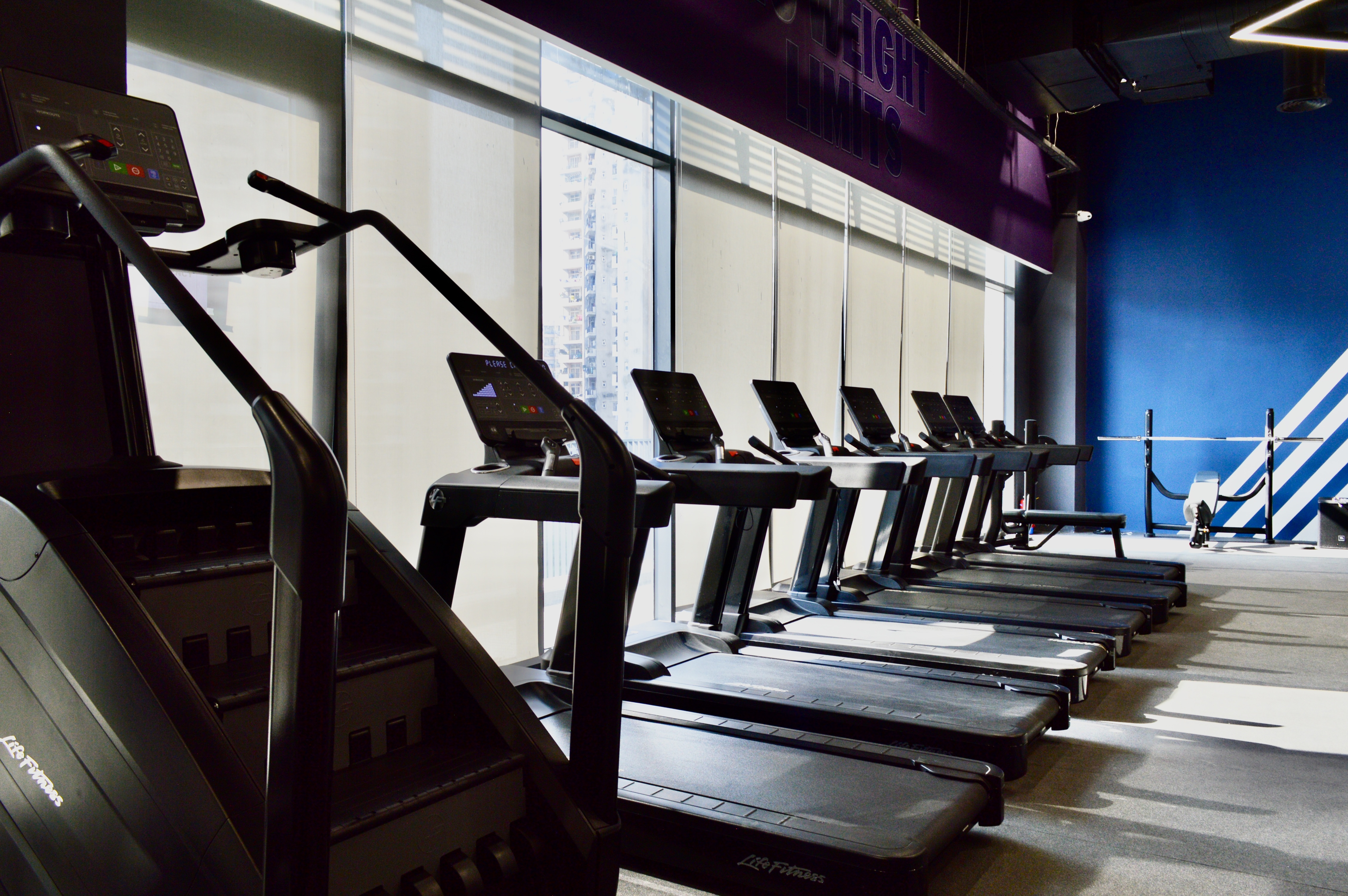
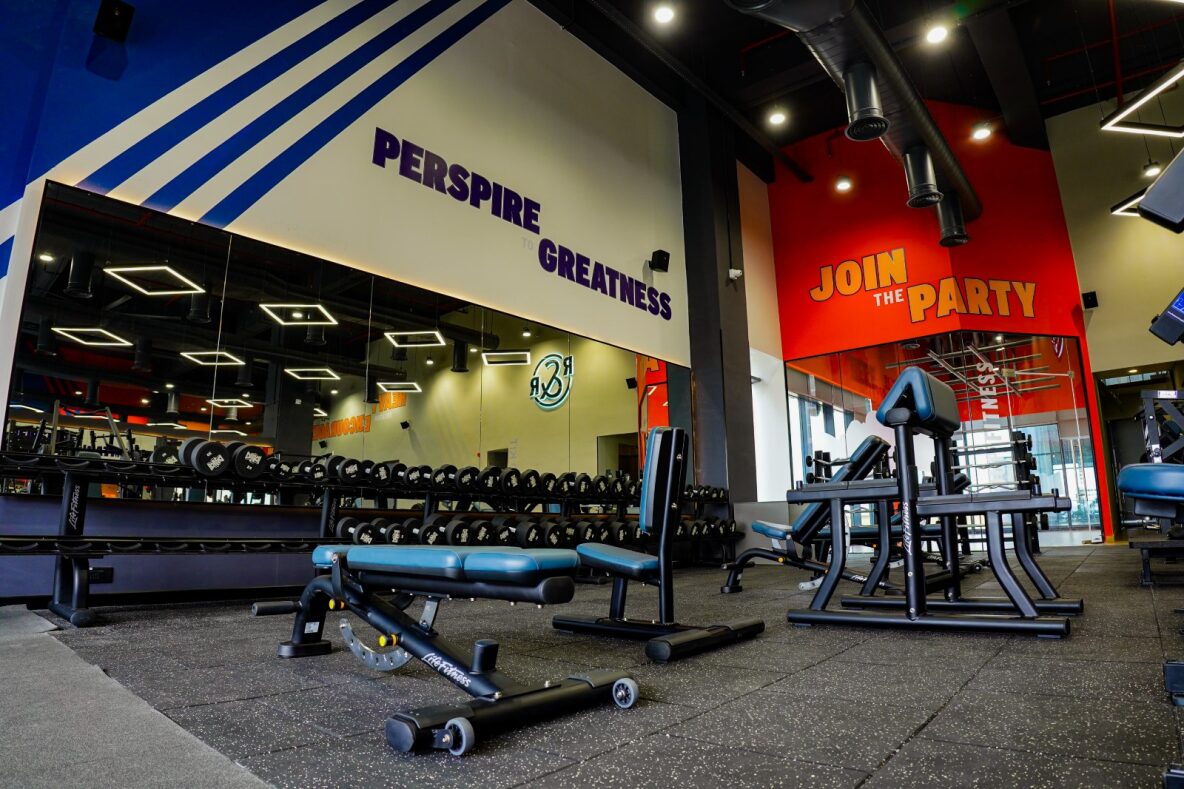
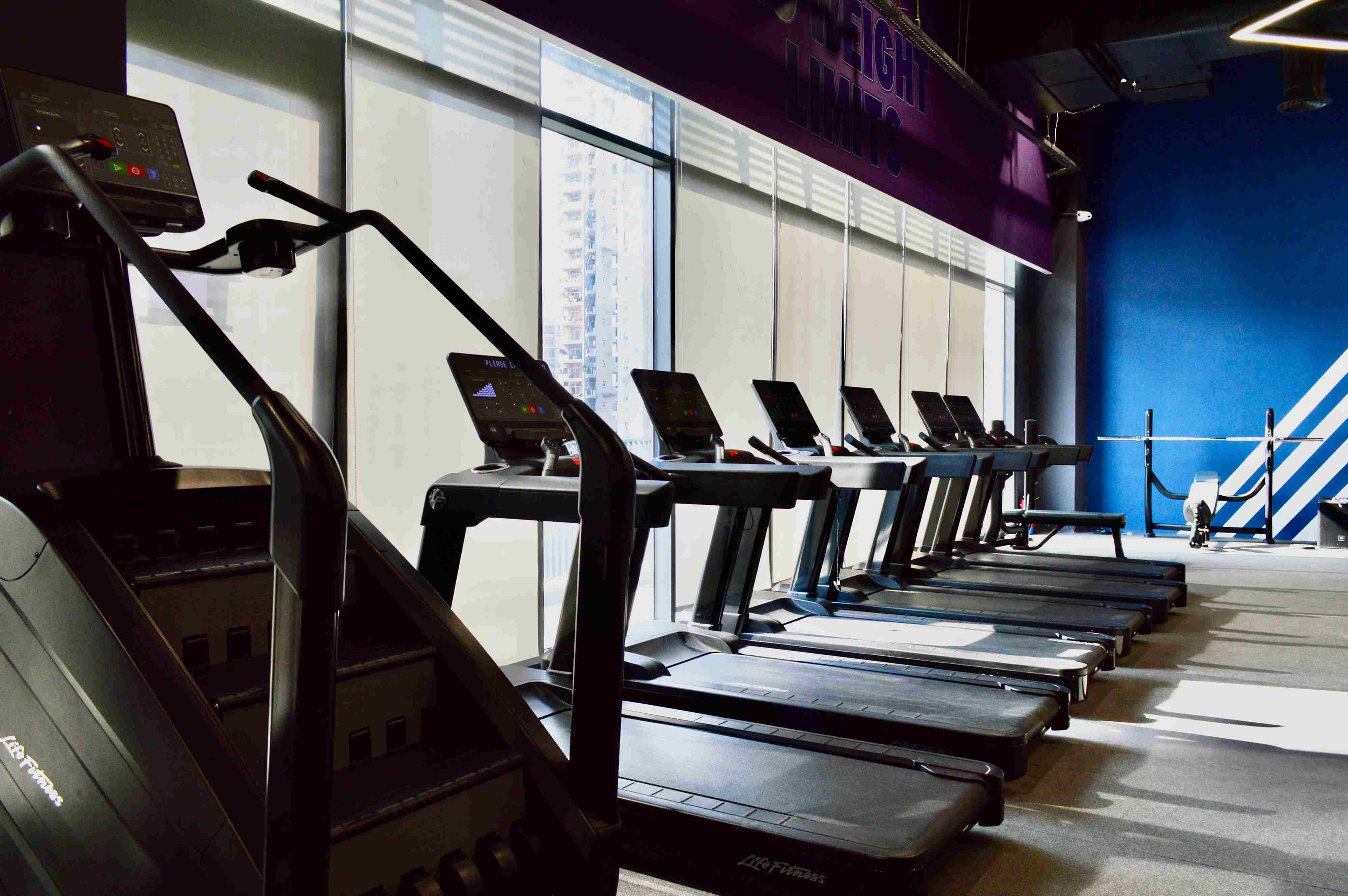
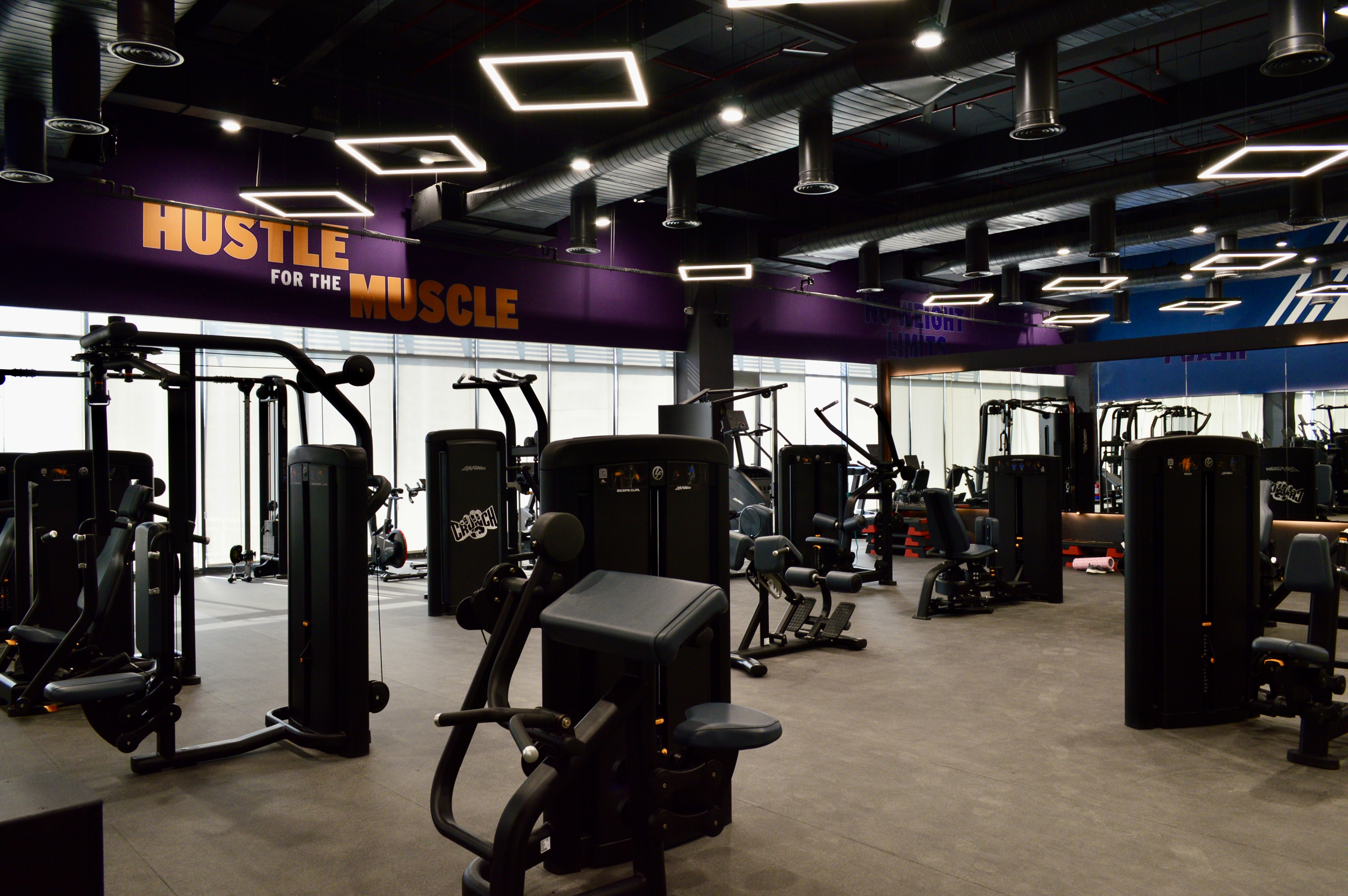
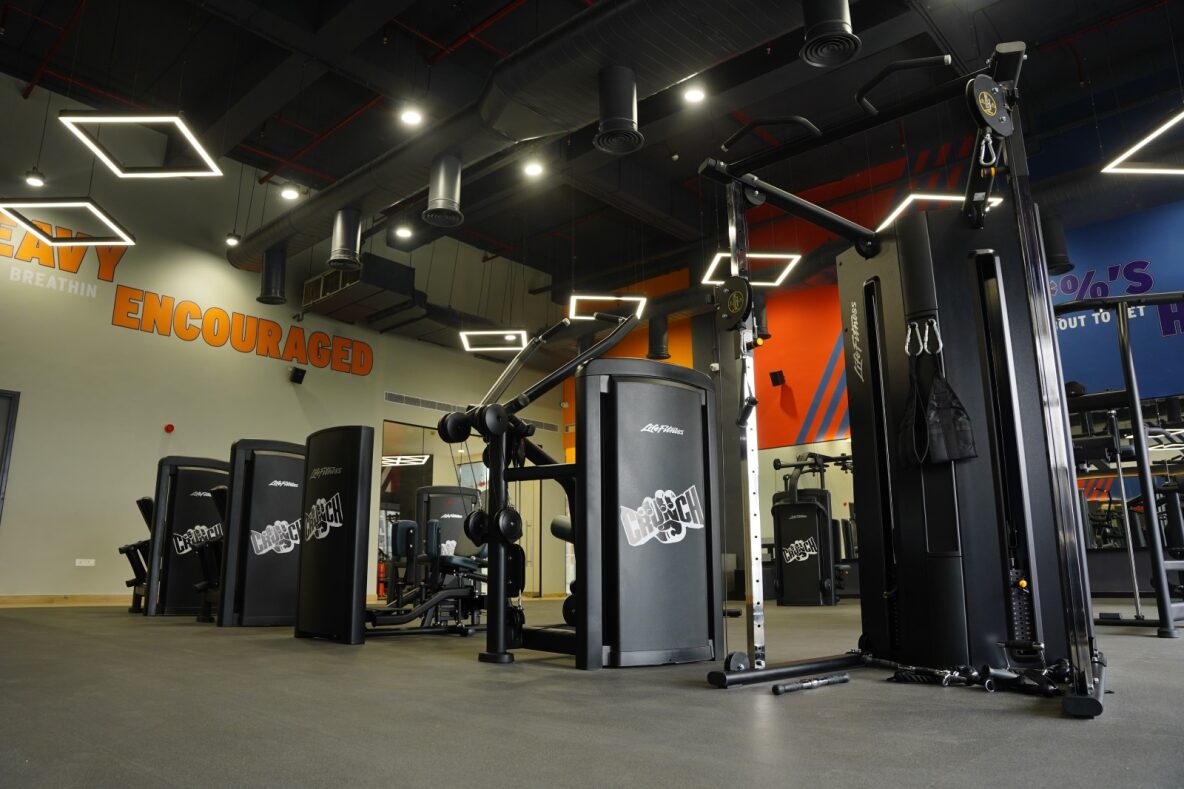
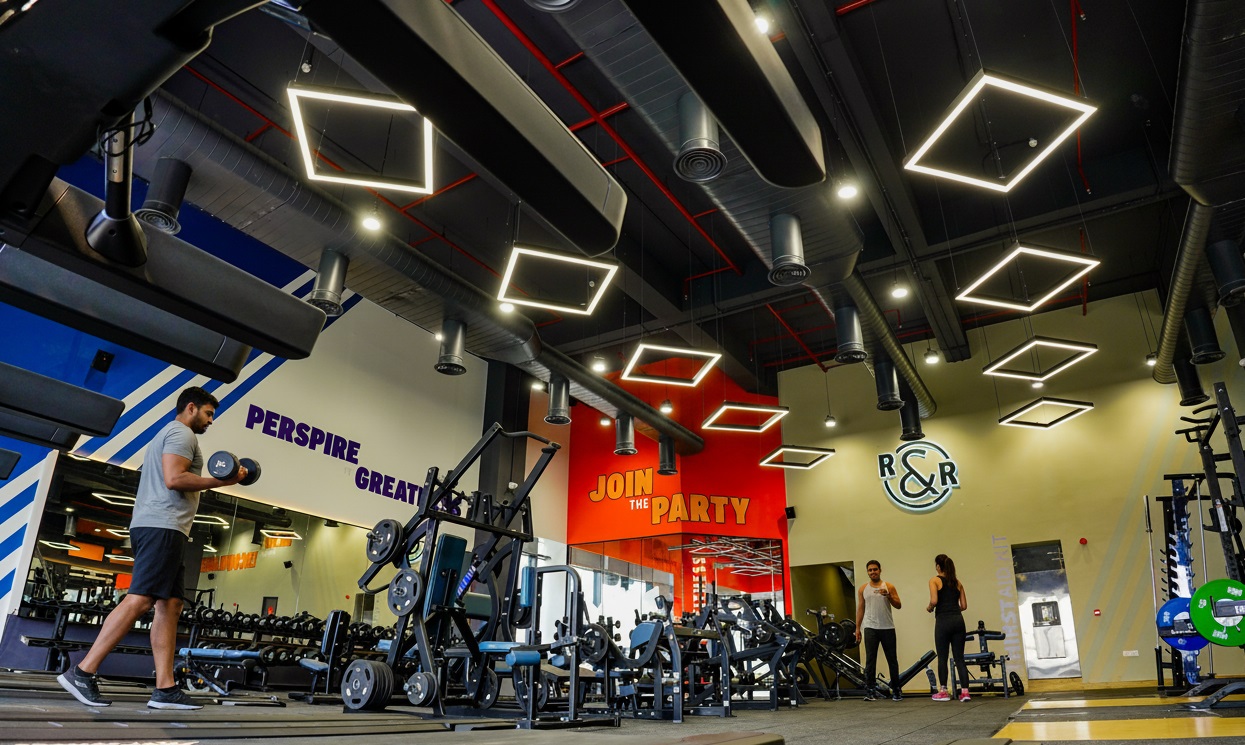
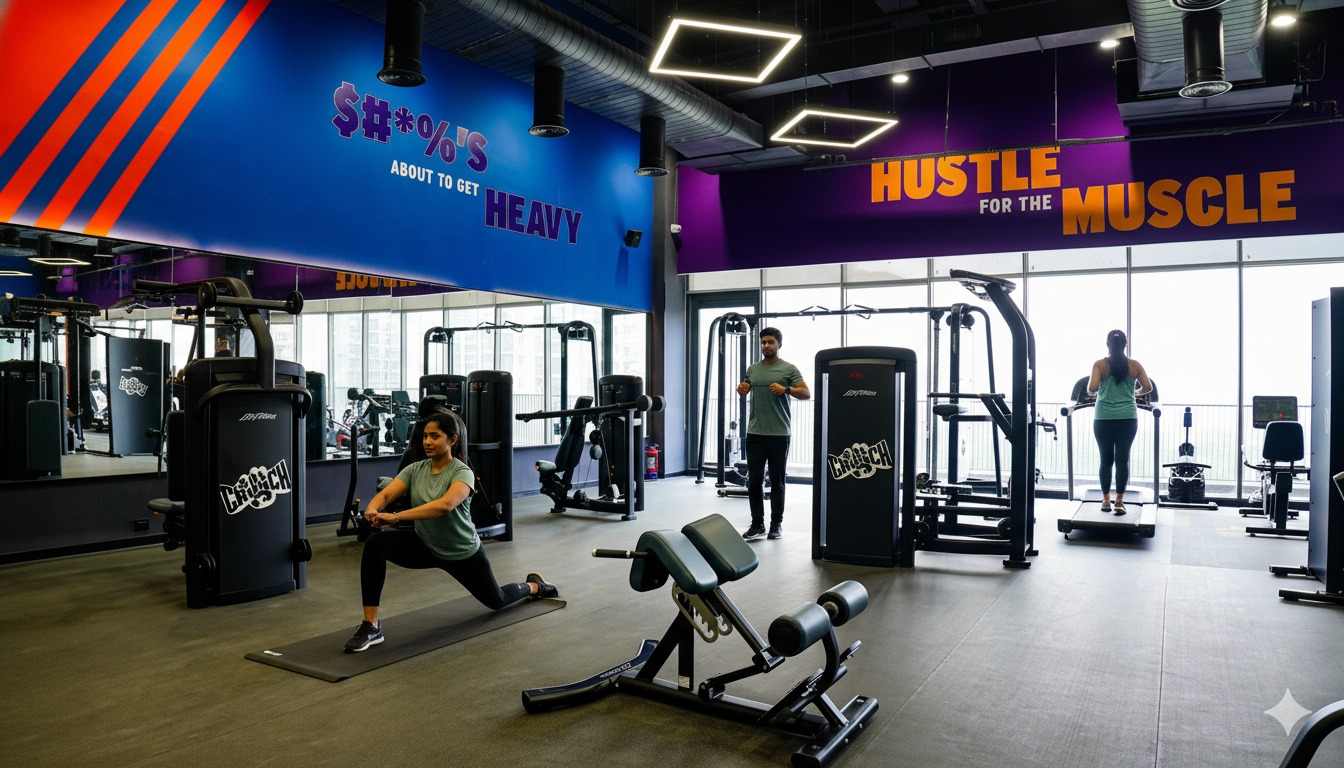
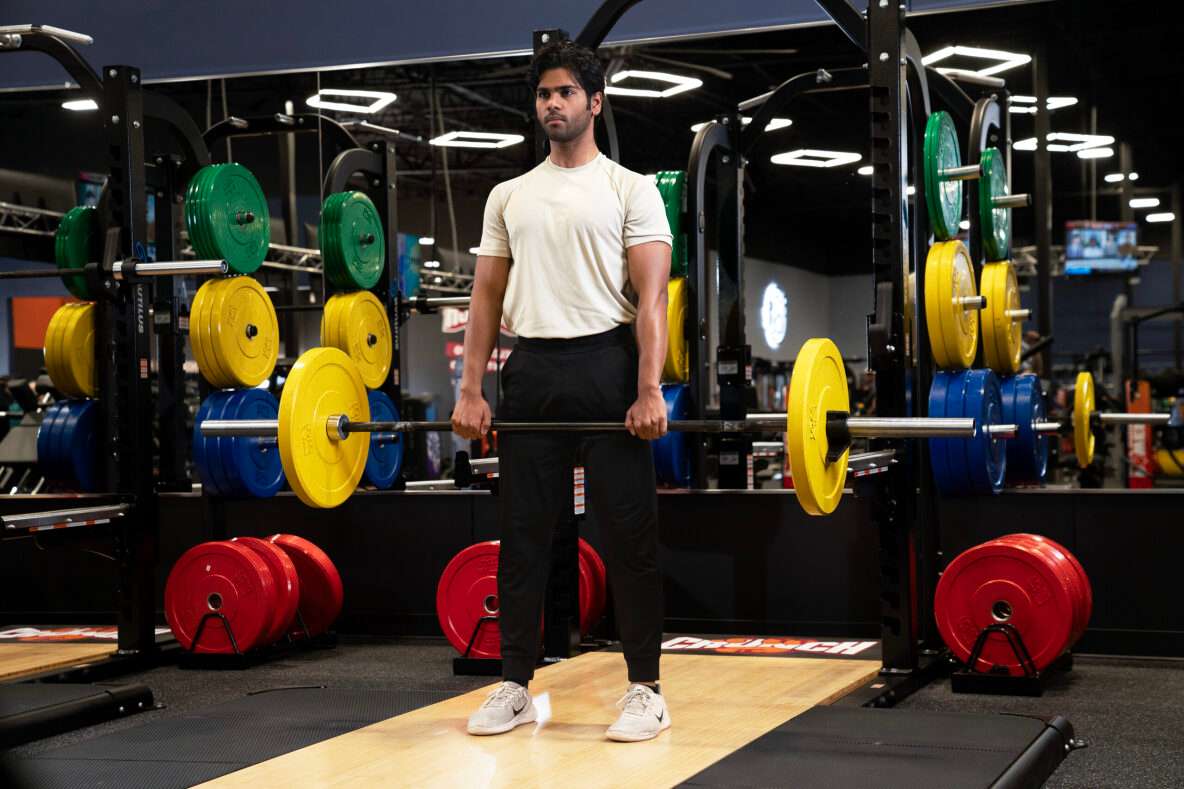
Franchises like Crunch Fitness India use Life Fitness equipment to establish brand standards that they must follow across all locations.
Related Article: How Gym Franchises Maintain Equipment Standards Across Locations
What “Consistent Equipment” Really Means
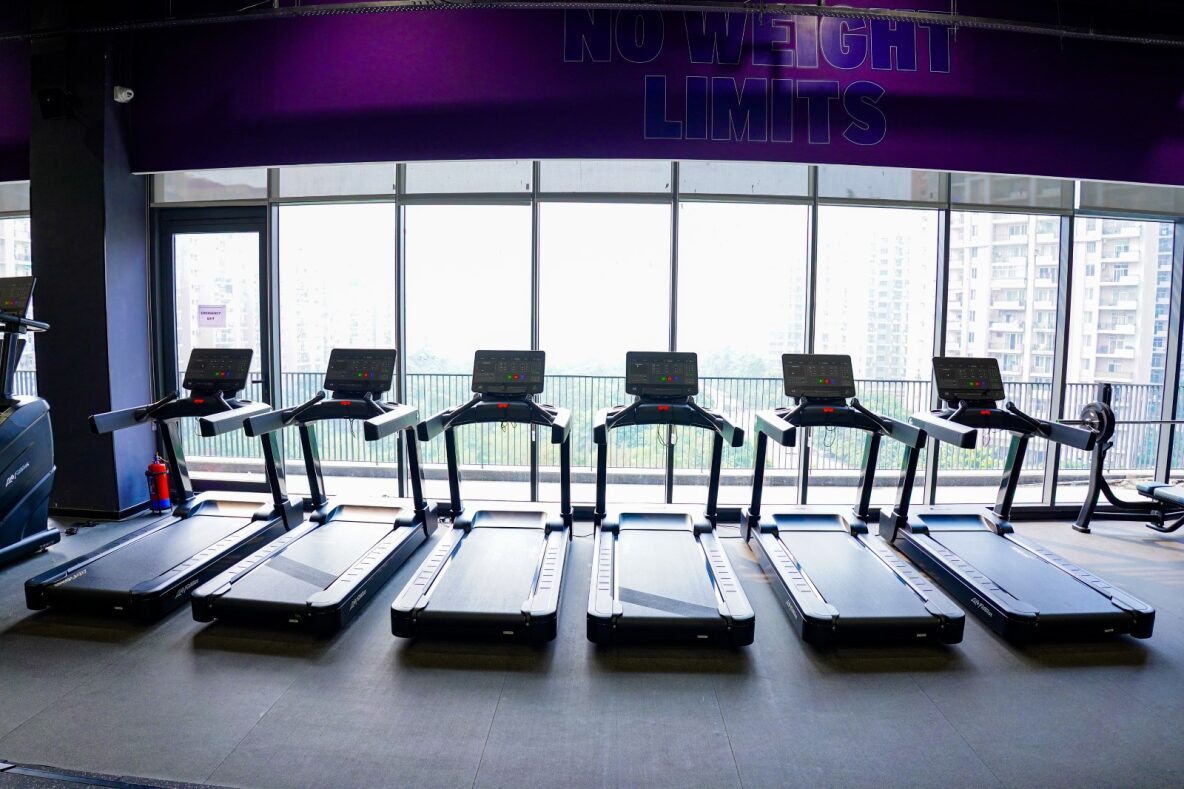
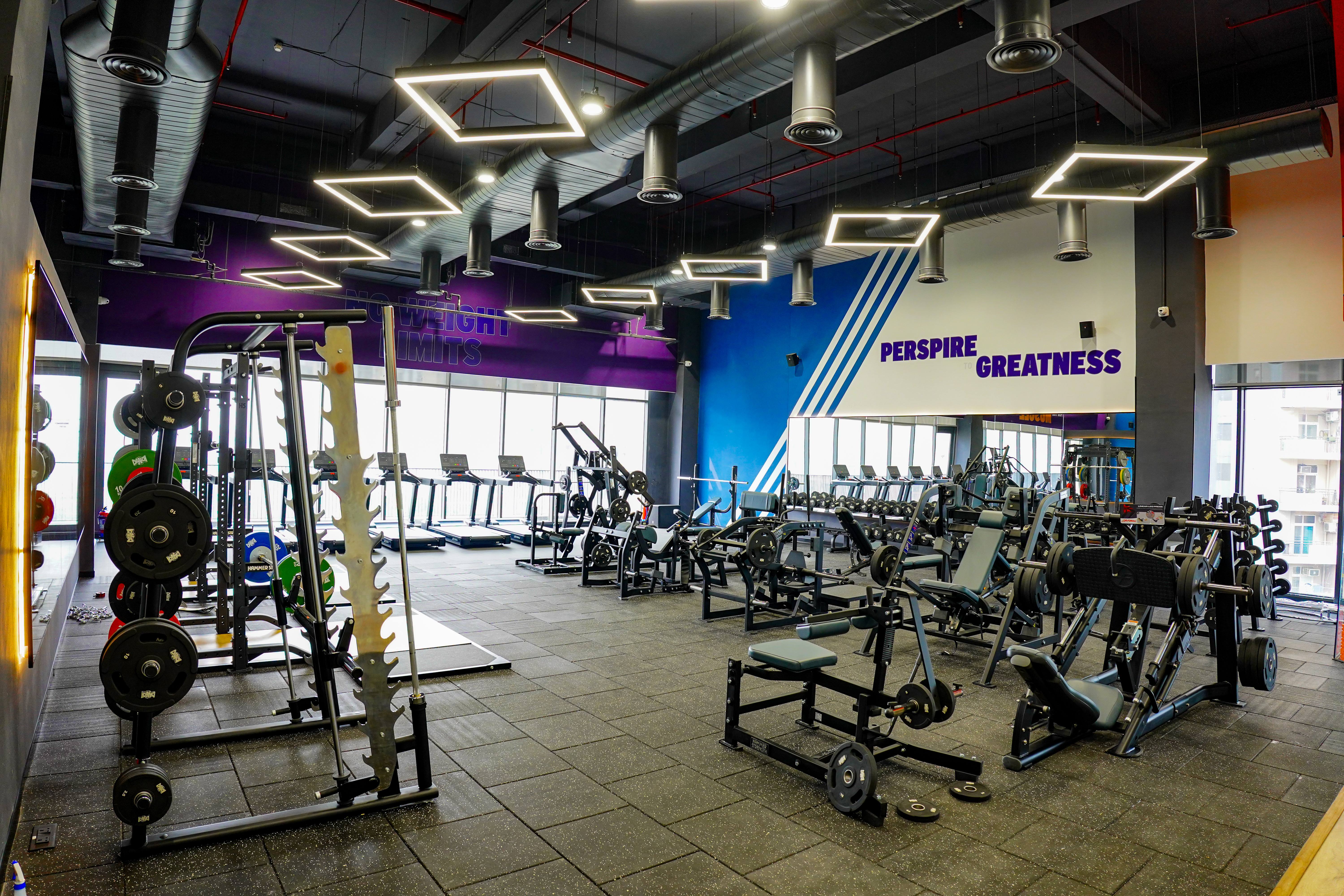
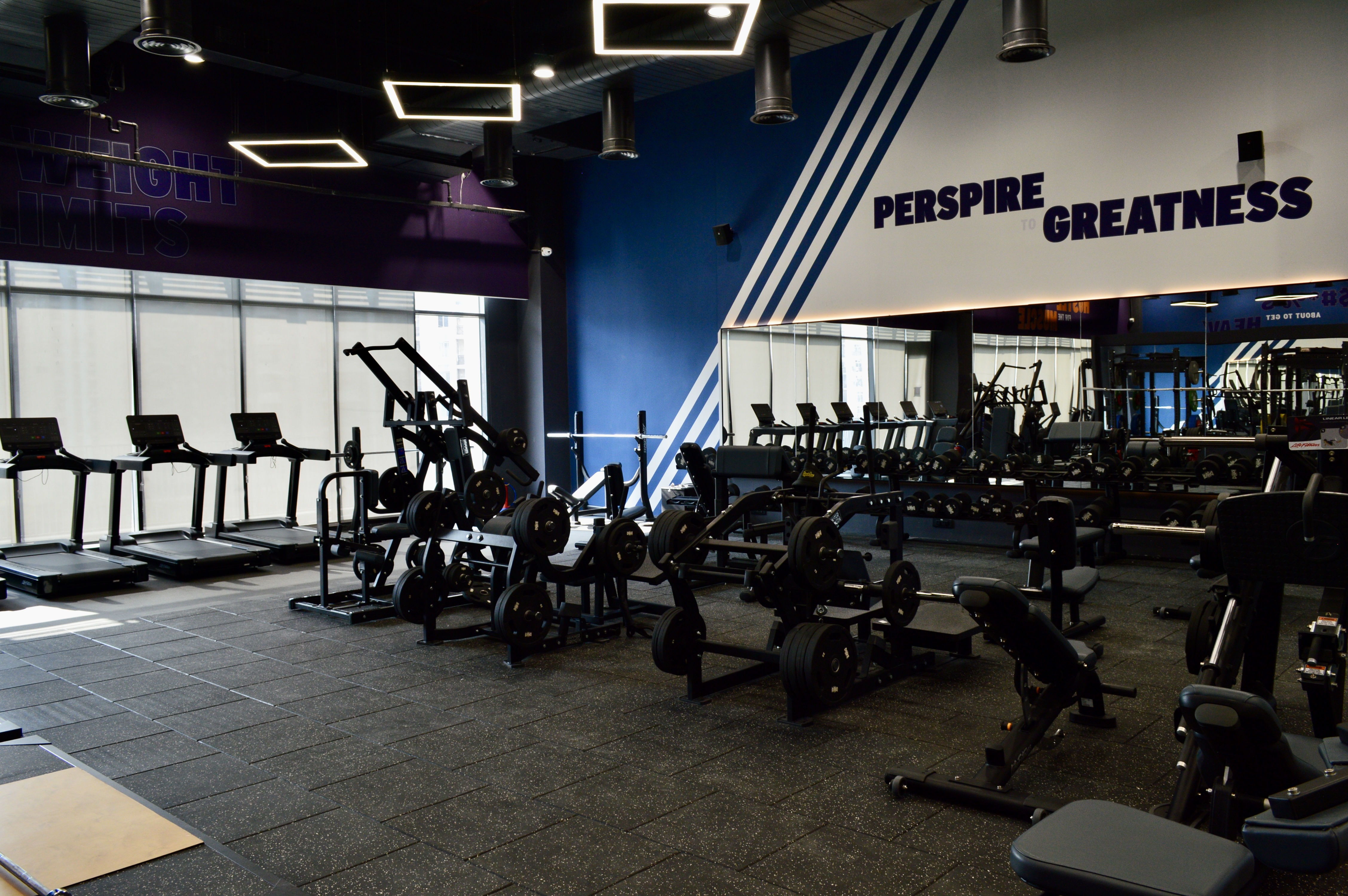
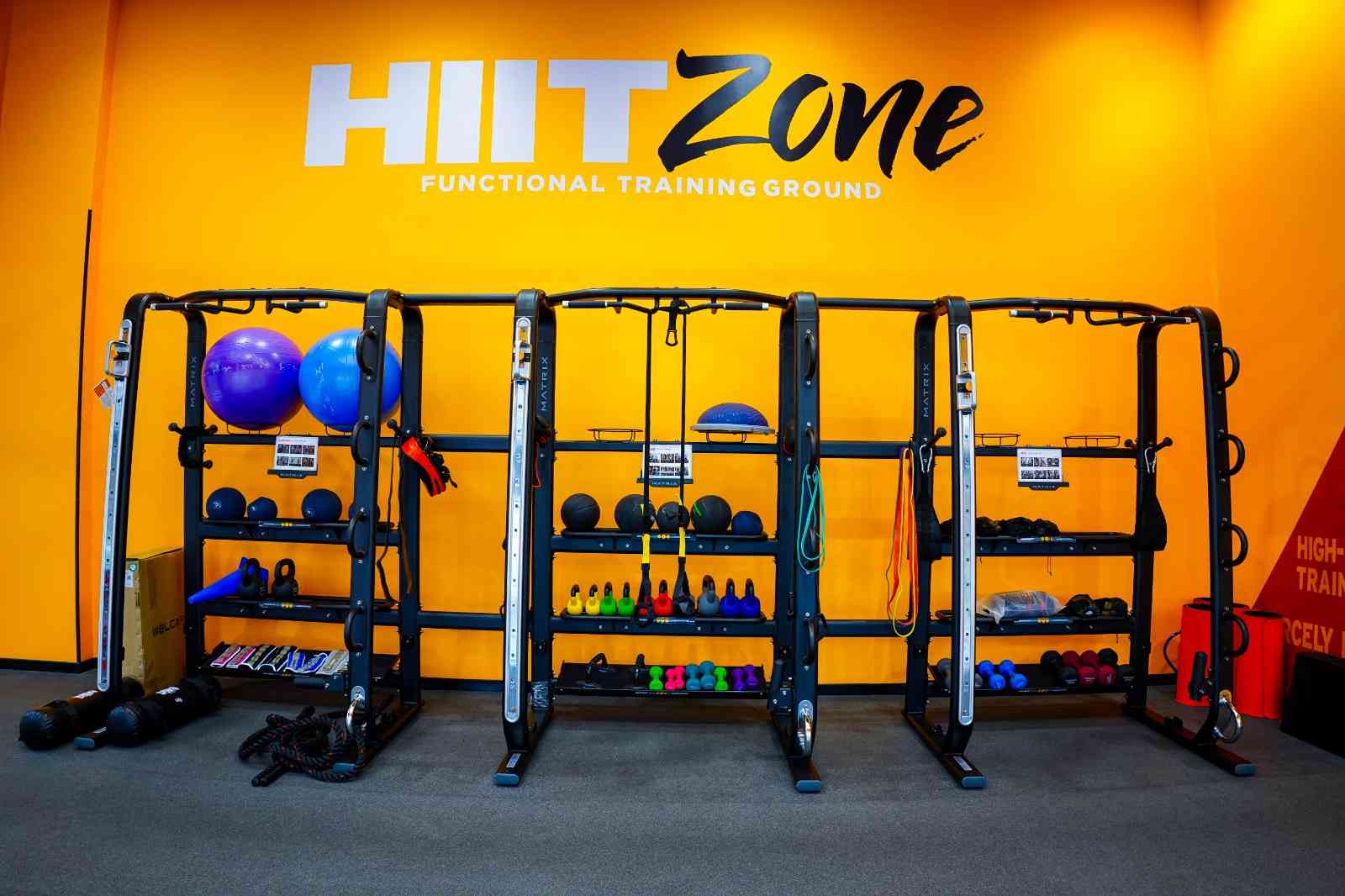
The facility requires identical treadmill quantities to operate smoothly through all its locations. The typical assessment procedure requires two specific components. The same equipment category mix (strength), (cardio), (functional) and (recovery) requirements must be met.
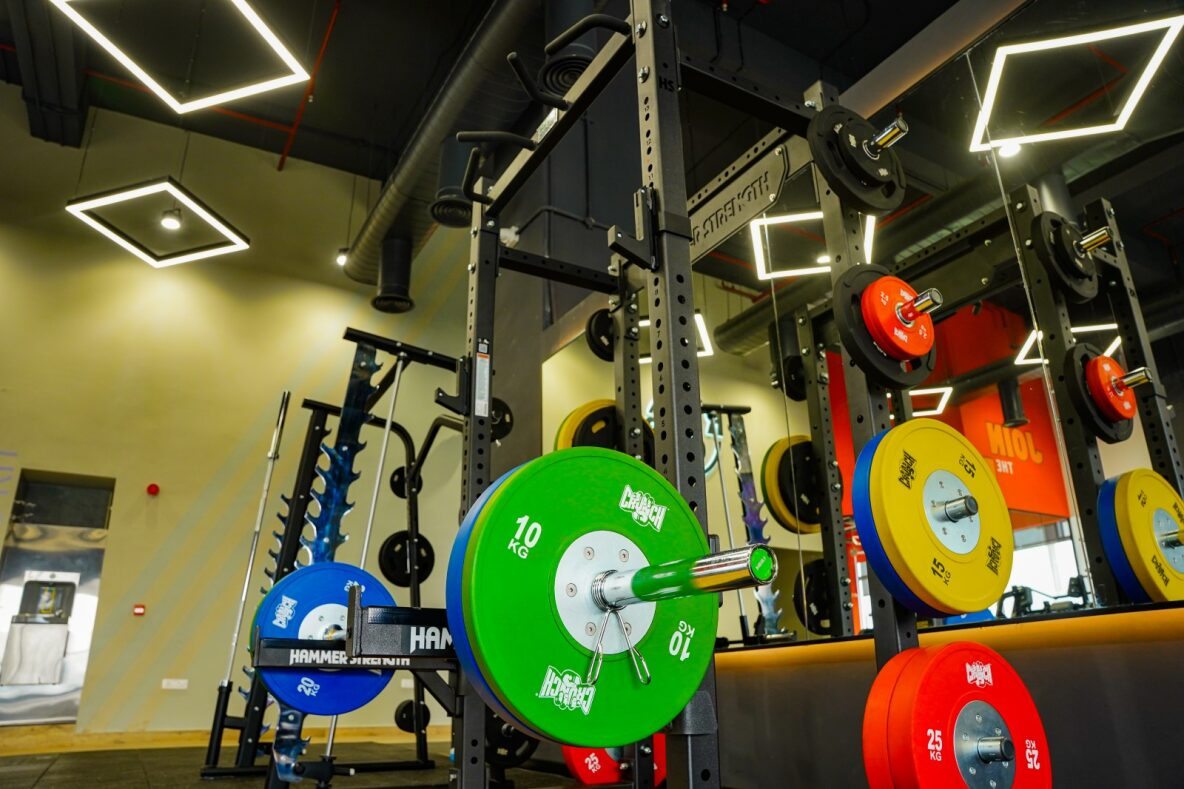
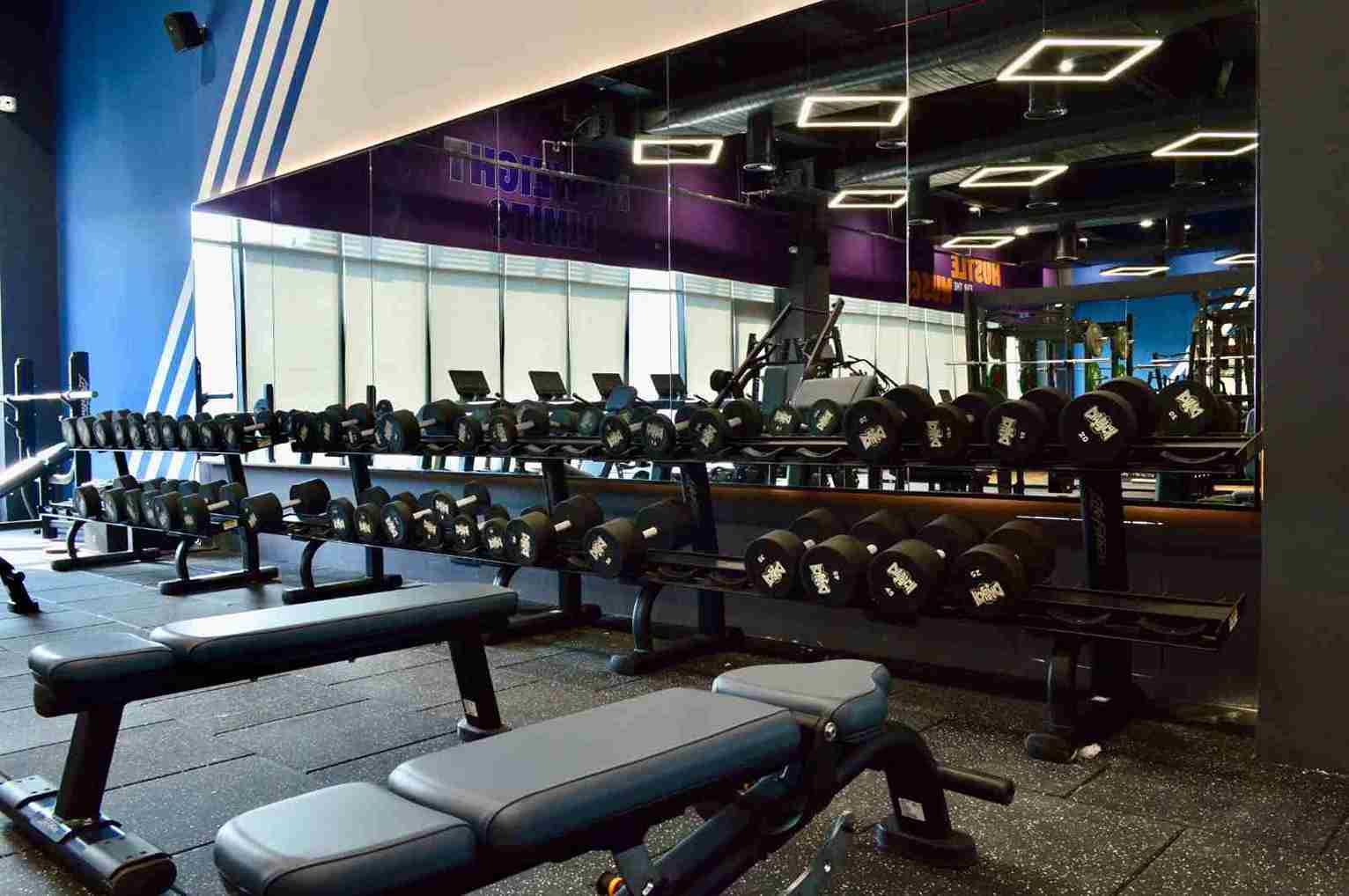
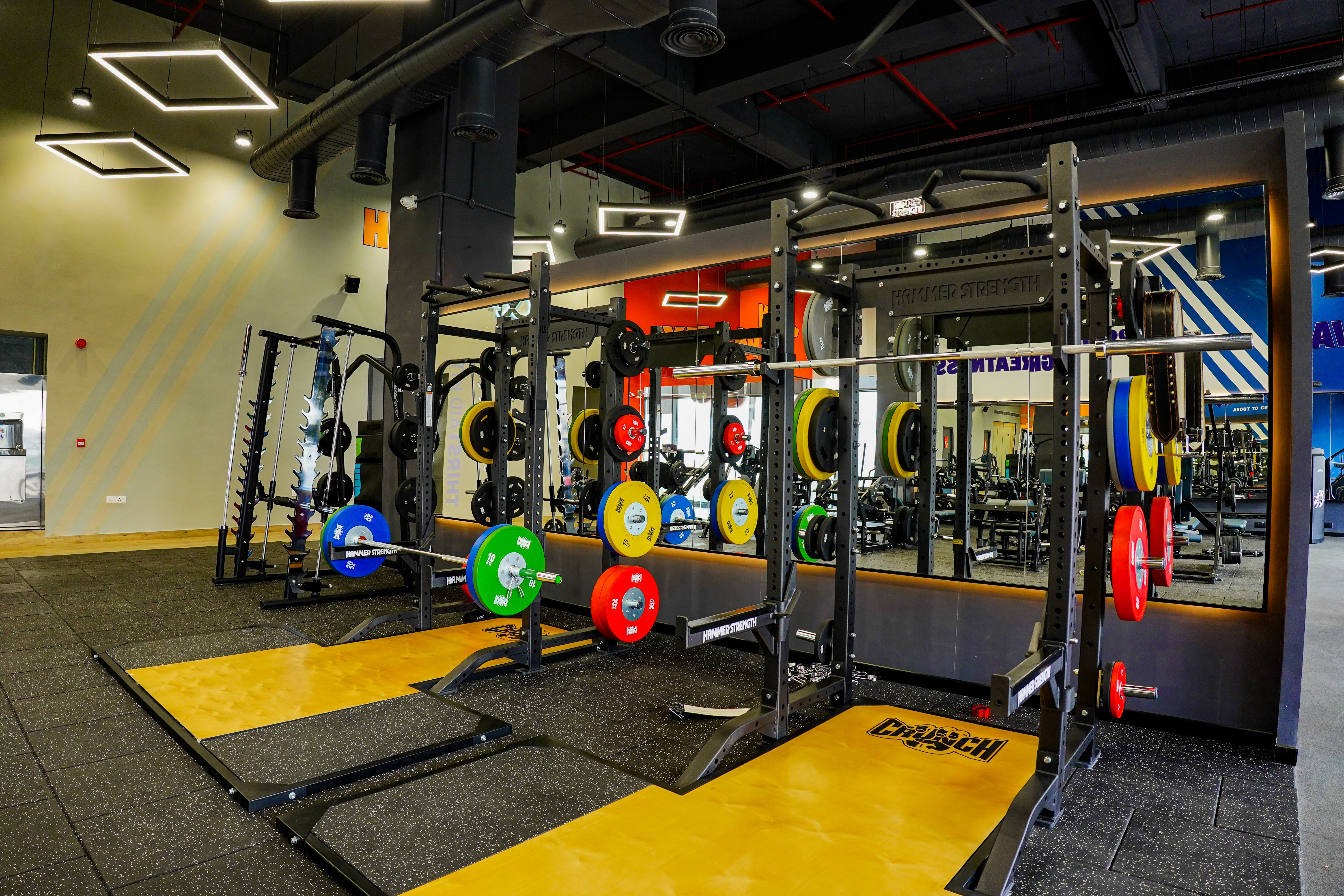
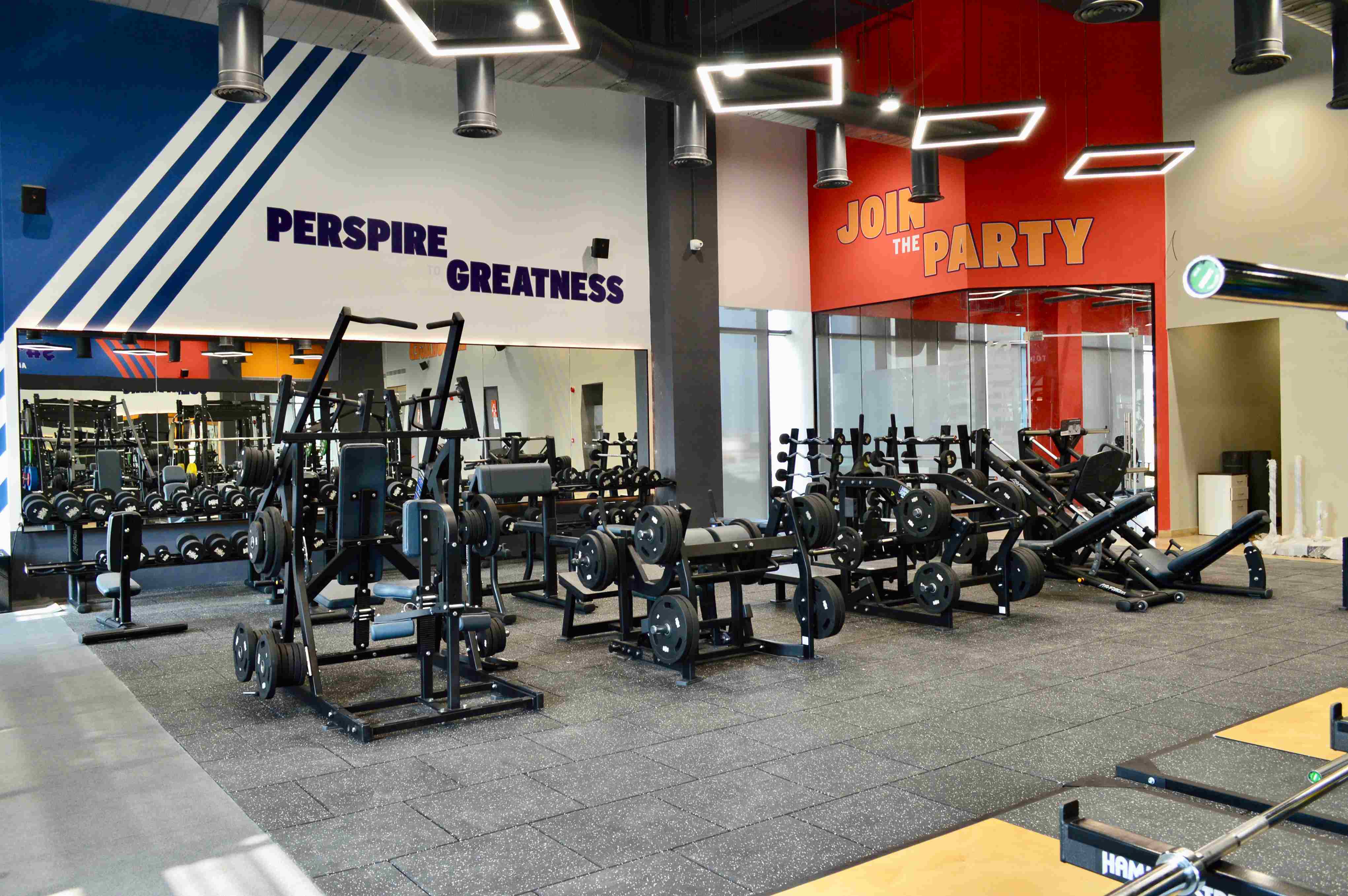
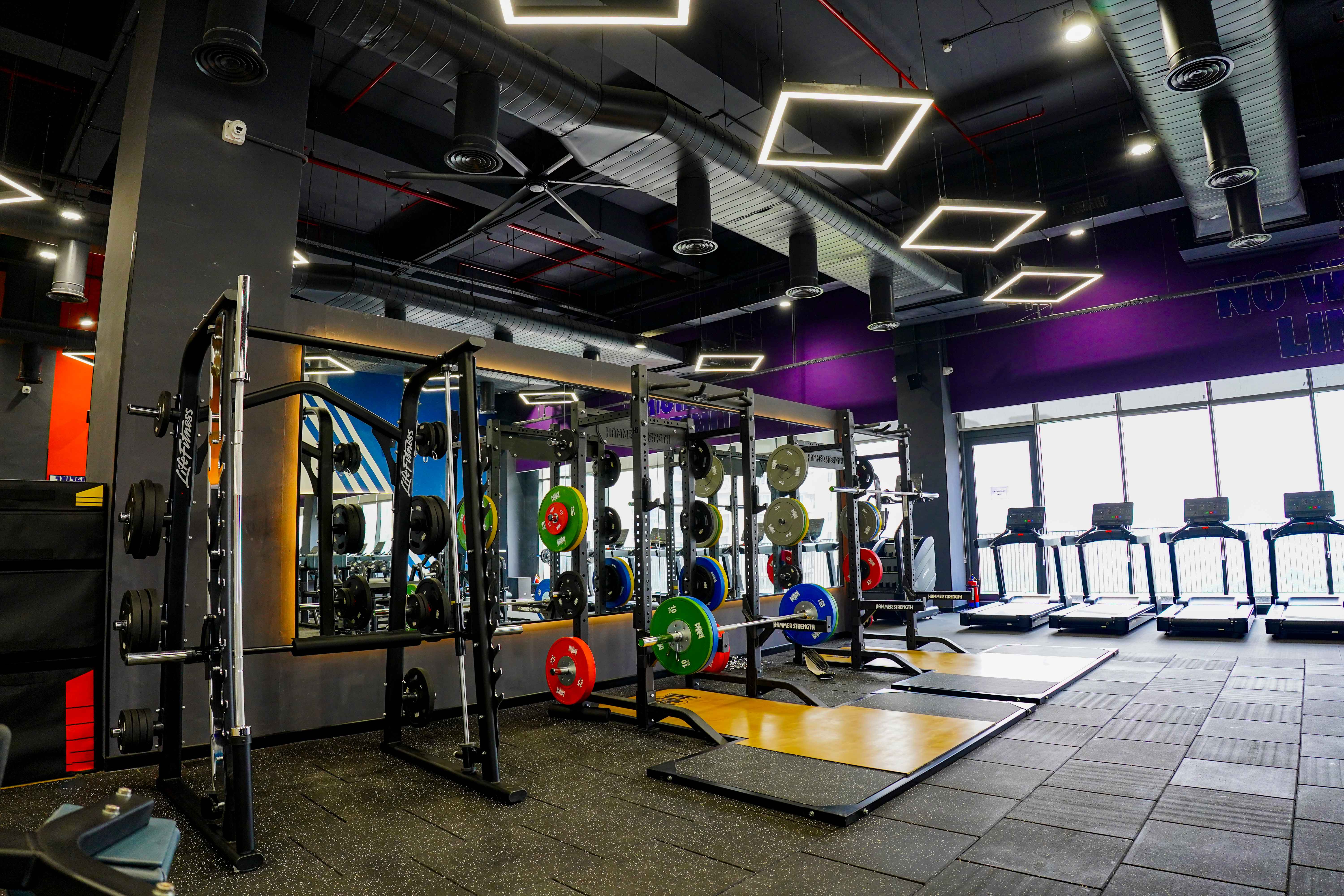
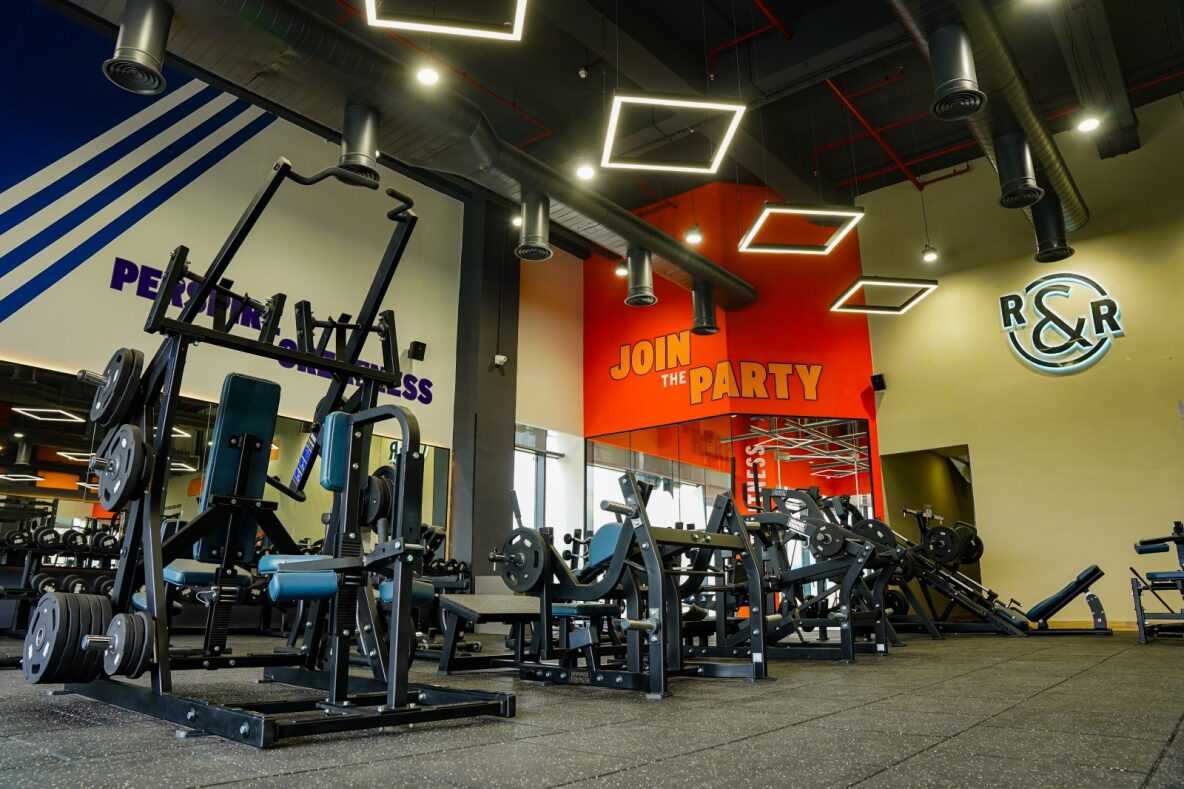
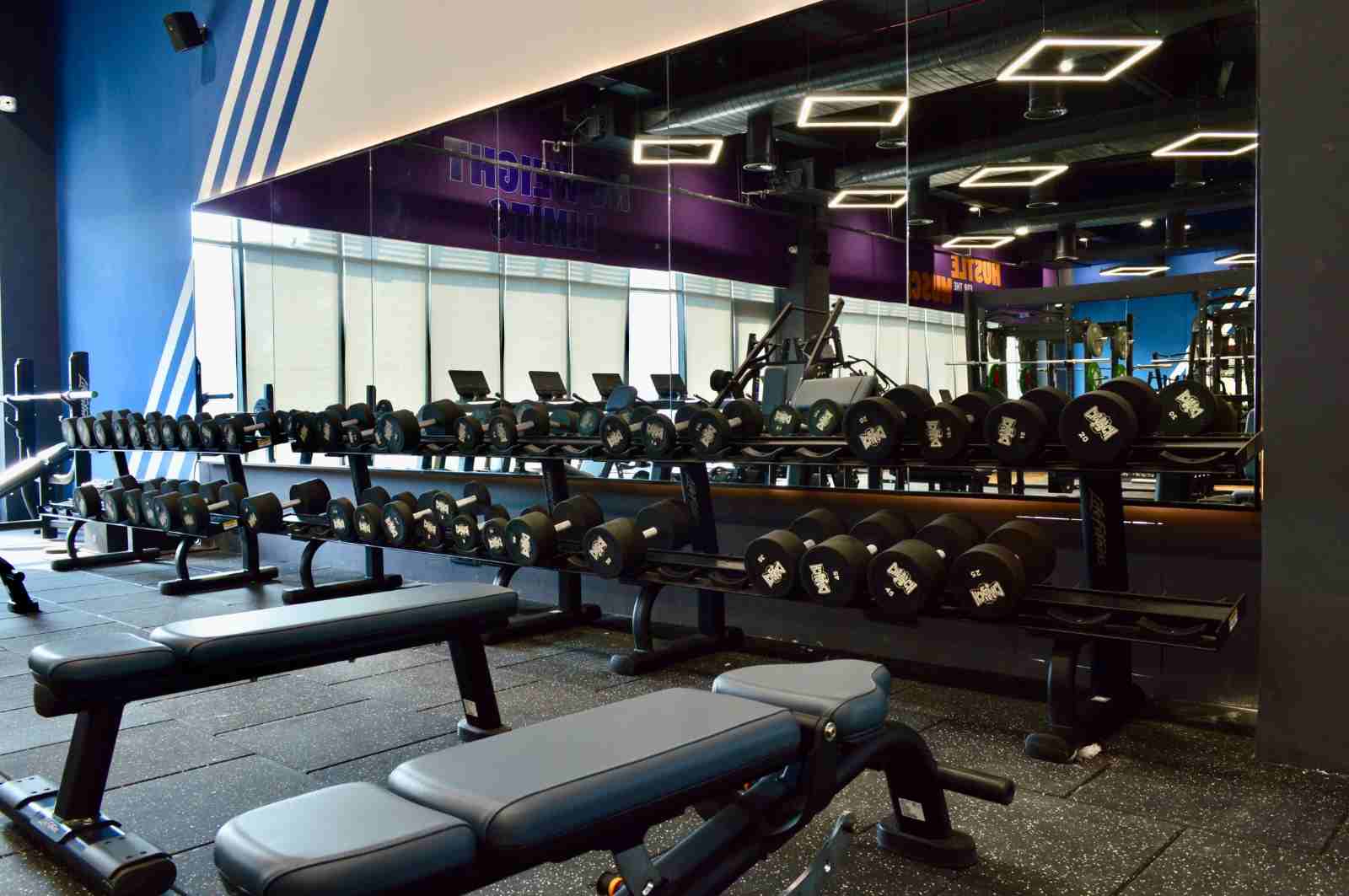
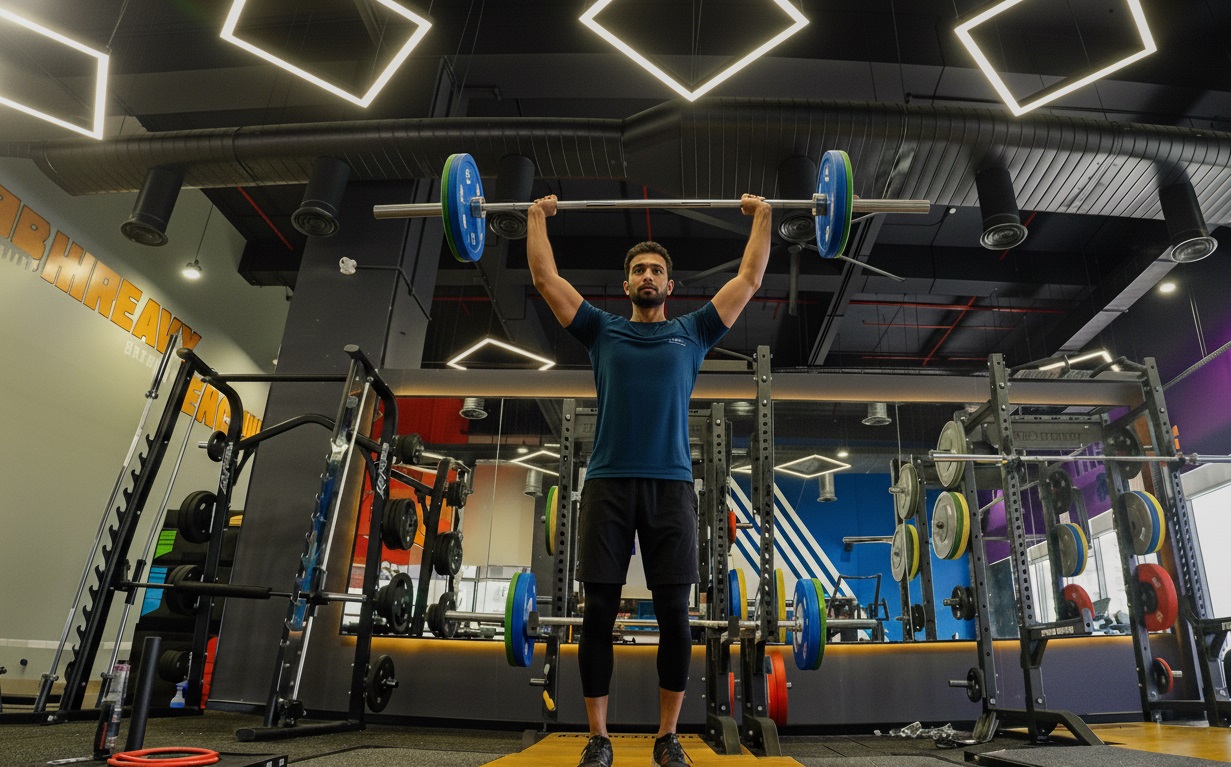
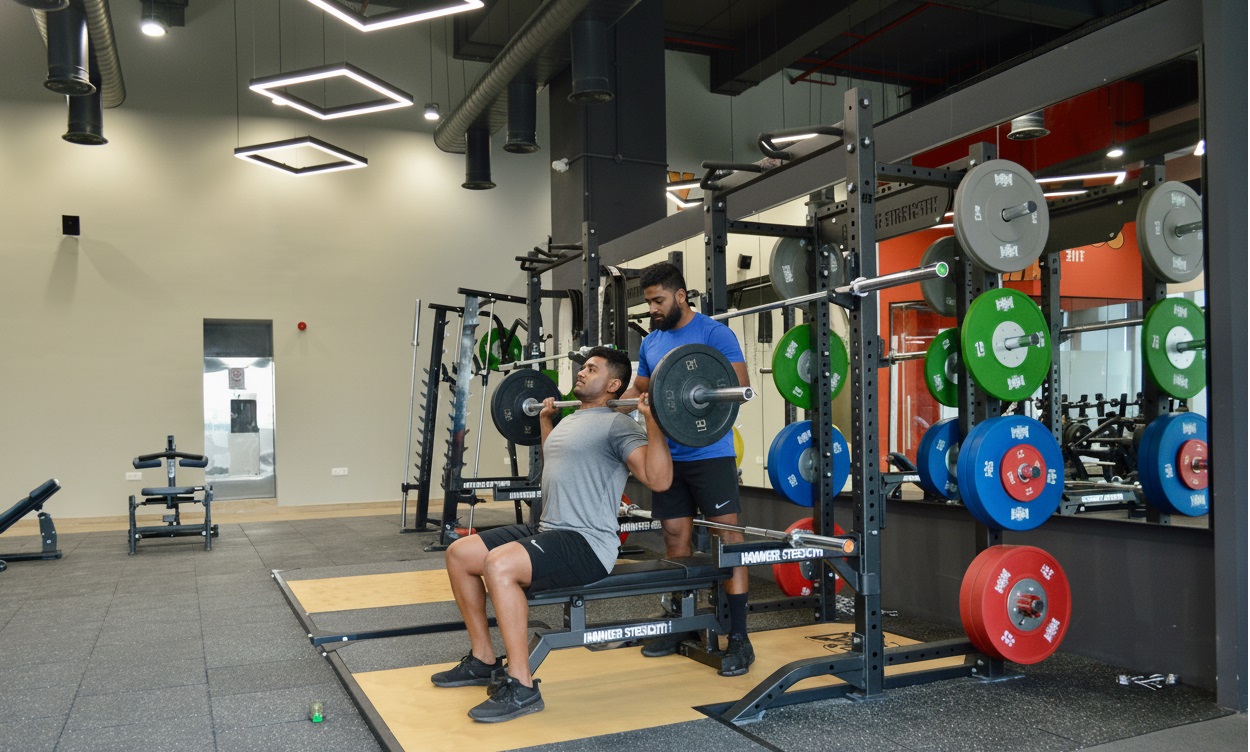
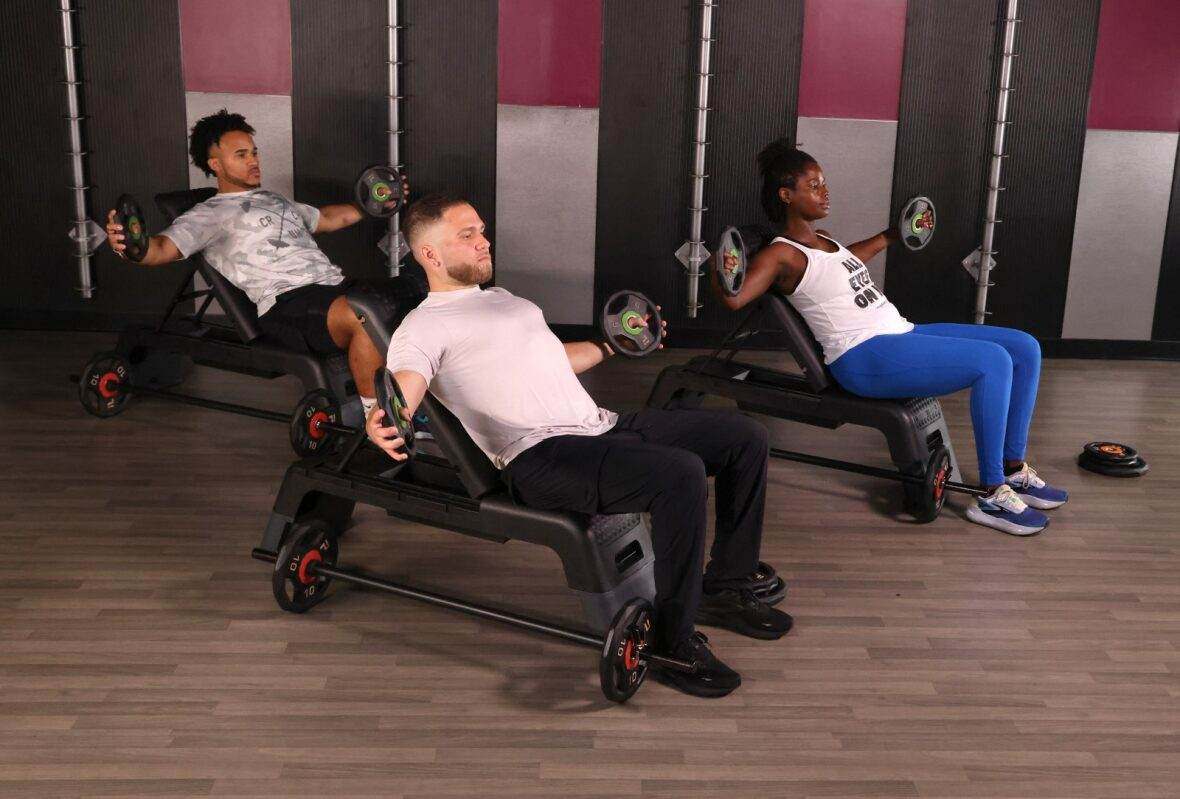
The locations must use identical machine models throughout their facilities. The facility requires standard cable stations and benches. The facility requires standard weight plate types and dumbbell sets.
The facility requires identical flooring materials for all its operational areas. The facility uses identical spacing rules that protect people while providing them with safety and comfort.
The franchise uses its effective systems to develop a common equipment inventory which industry professionals refer to as a Bill of Materials. The equipment list establishes basic equipment requirements that every location must follow to create the brand's training approach.
Layouts: The Hidden Psychology of Gym Design
The layout functions as a tool to design human behavior.
The smart layout system controls these elements which include:
- where crowds form
- where beginners feel safe
- how people transition between workouts
- how clean and organized the gym feels
- how “premium” the brand appears
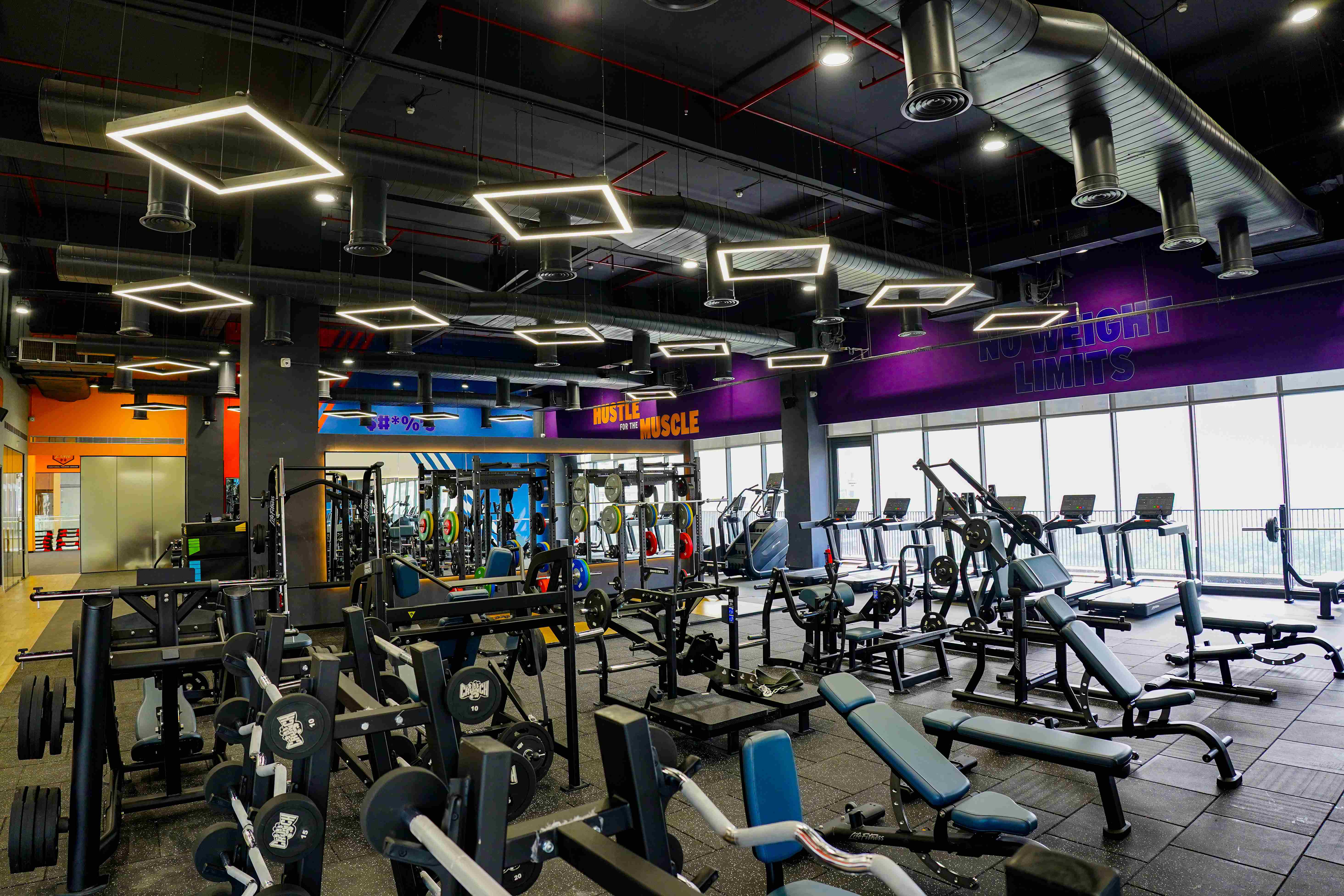
The Best Fitness Franchises Design Around Movement Flow
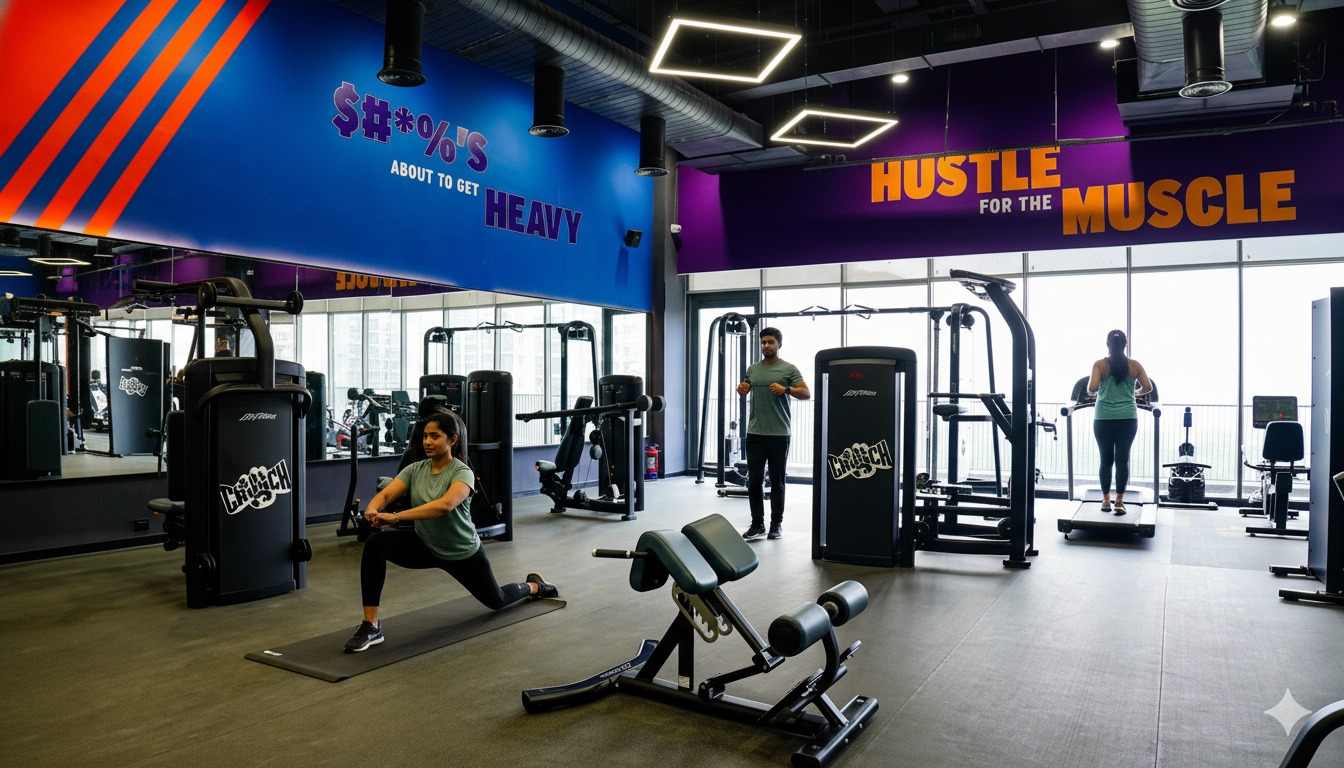
Great gyms reduce confusion. Members should easily locate available spaces without walking through the gym.
The layout should feel natural:
- warm-up zone near entry
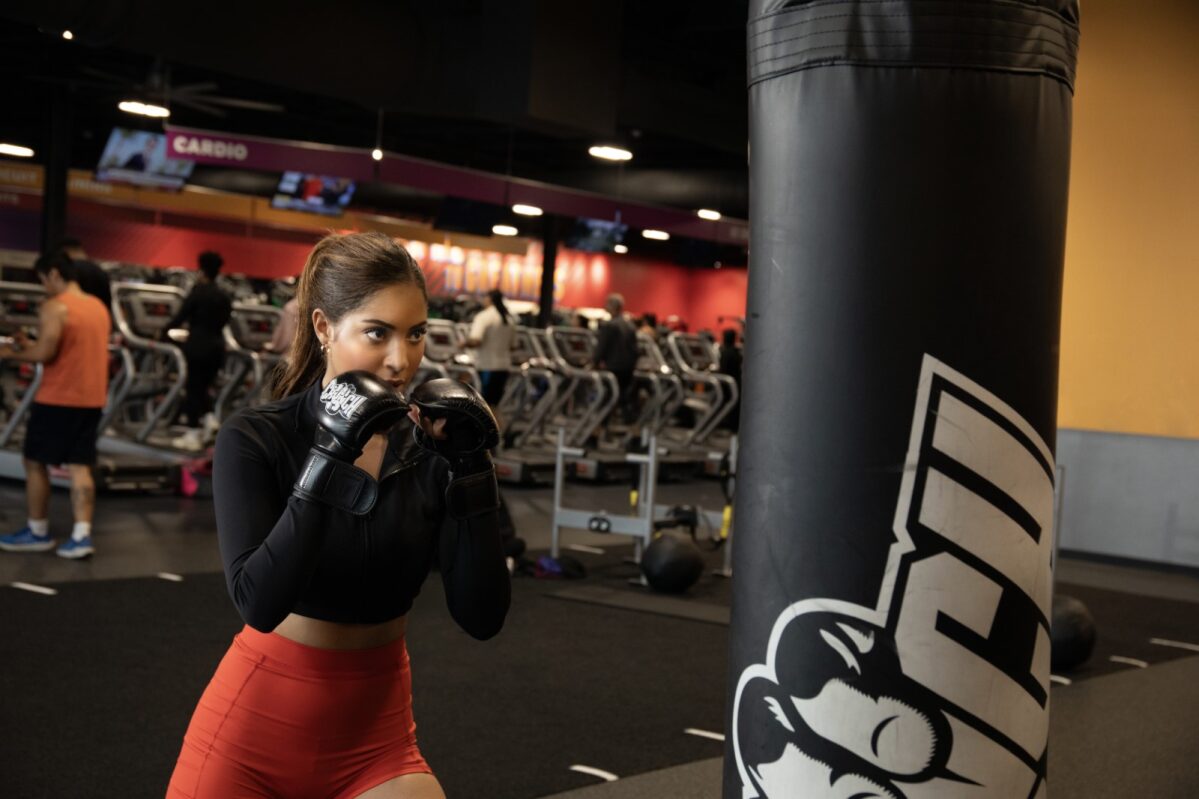
- cardio visible and accessible
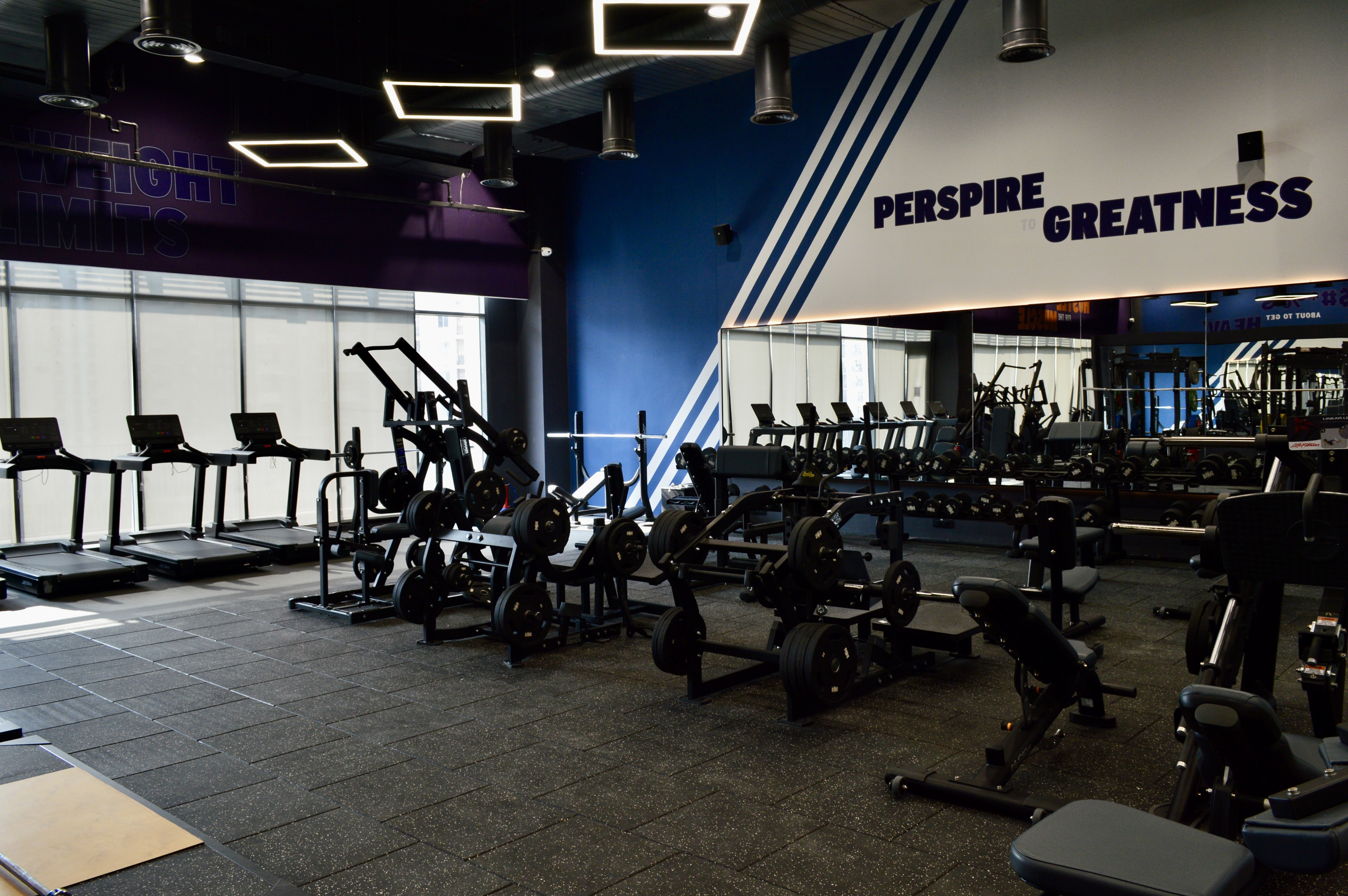
- strength zones are separated logically
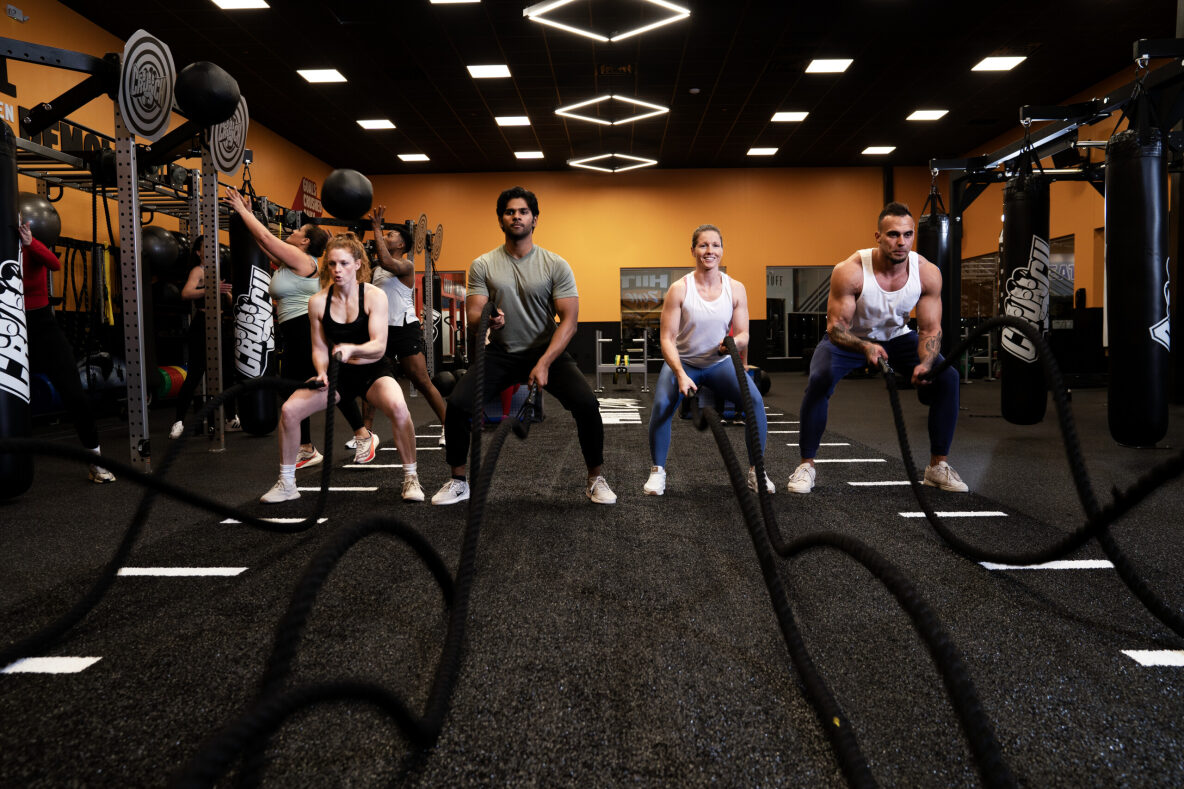
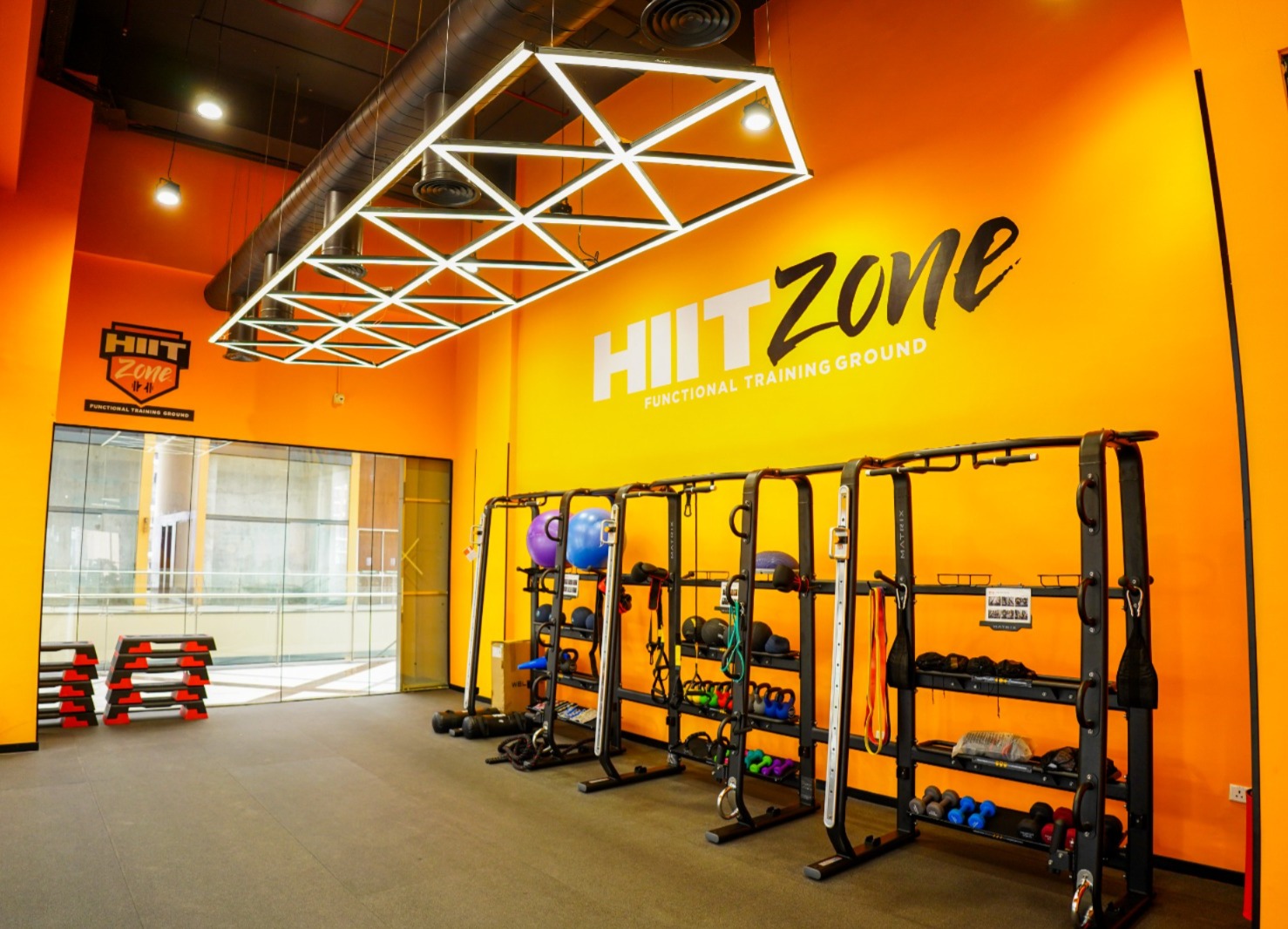
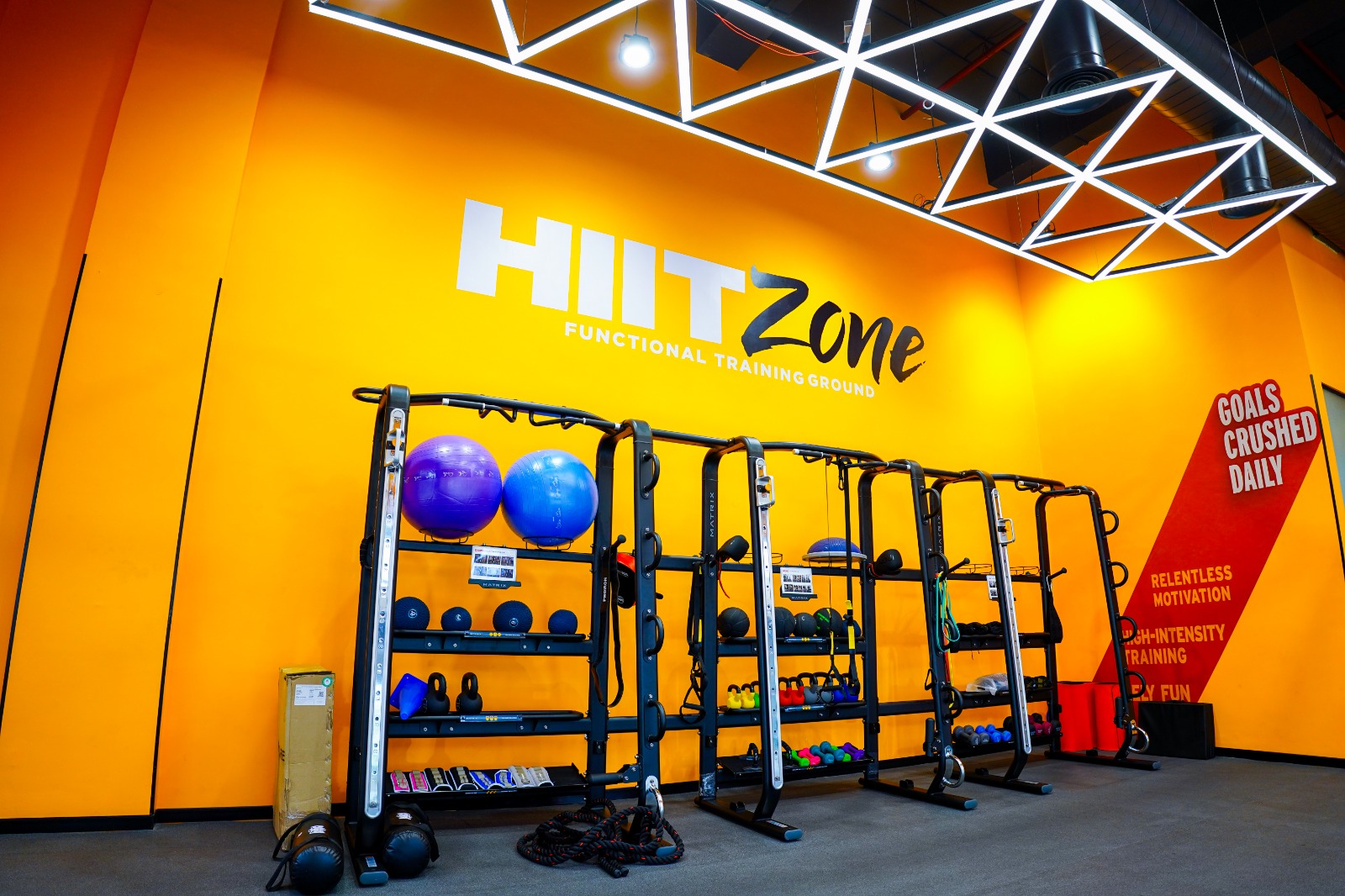
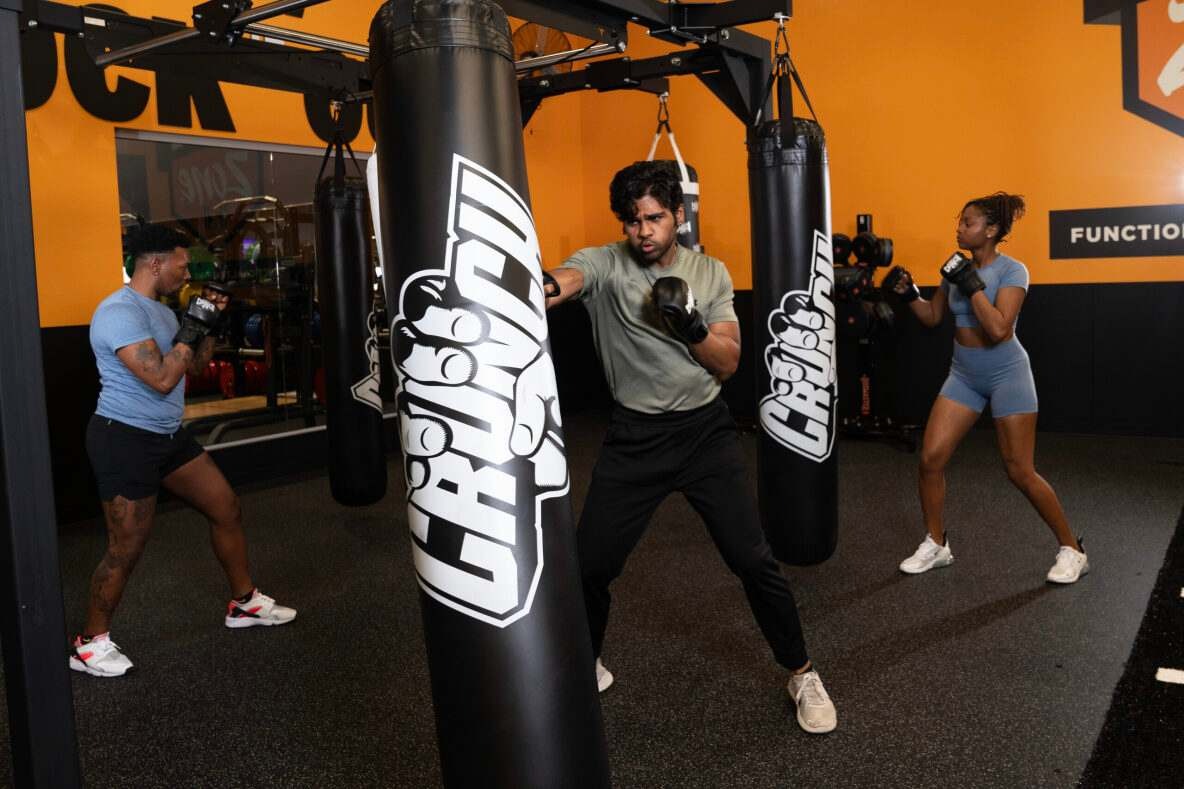
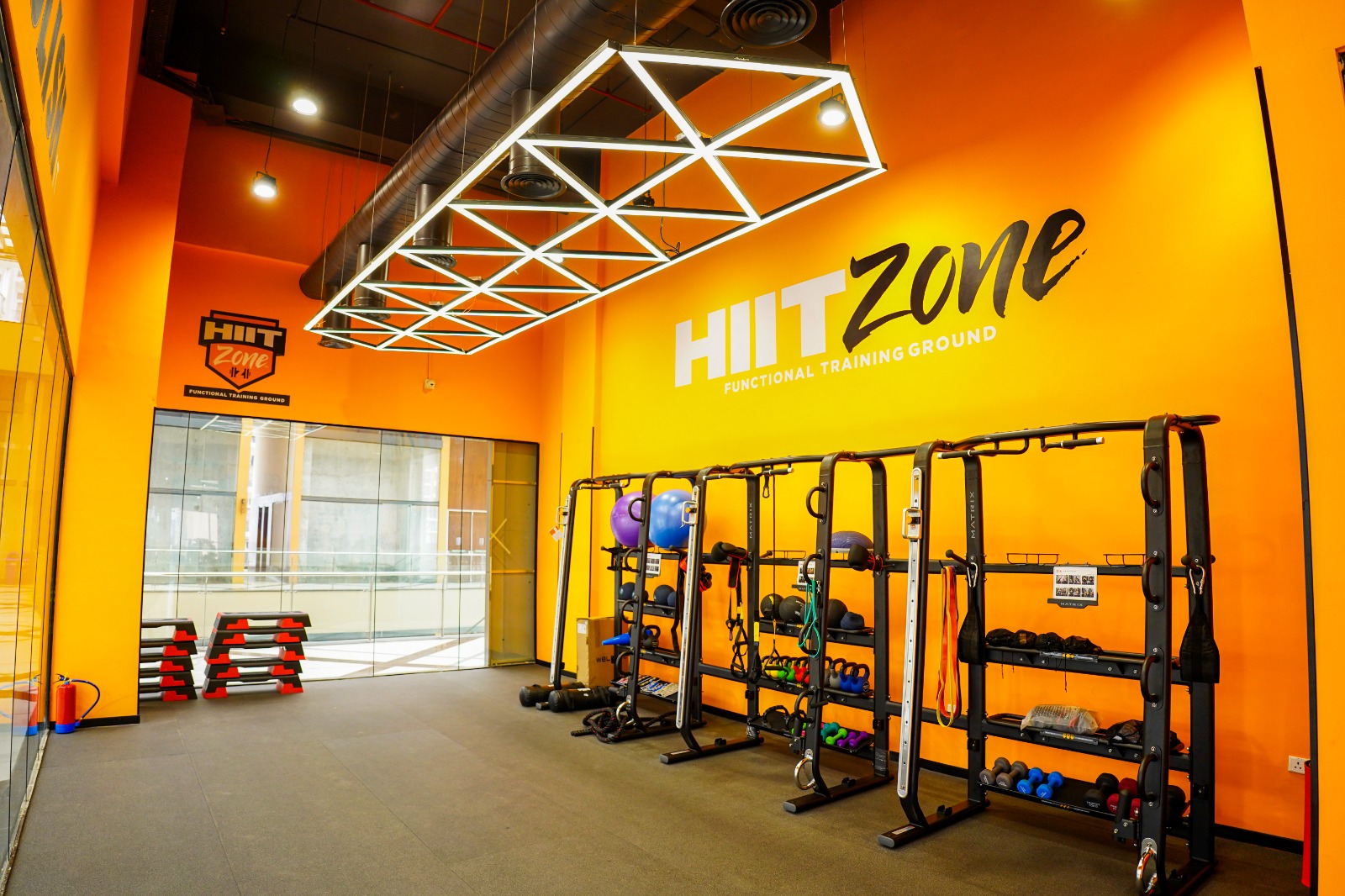
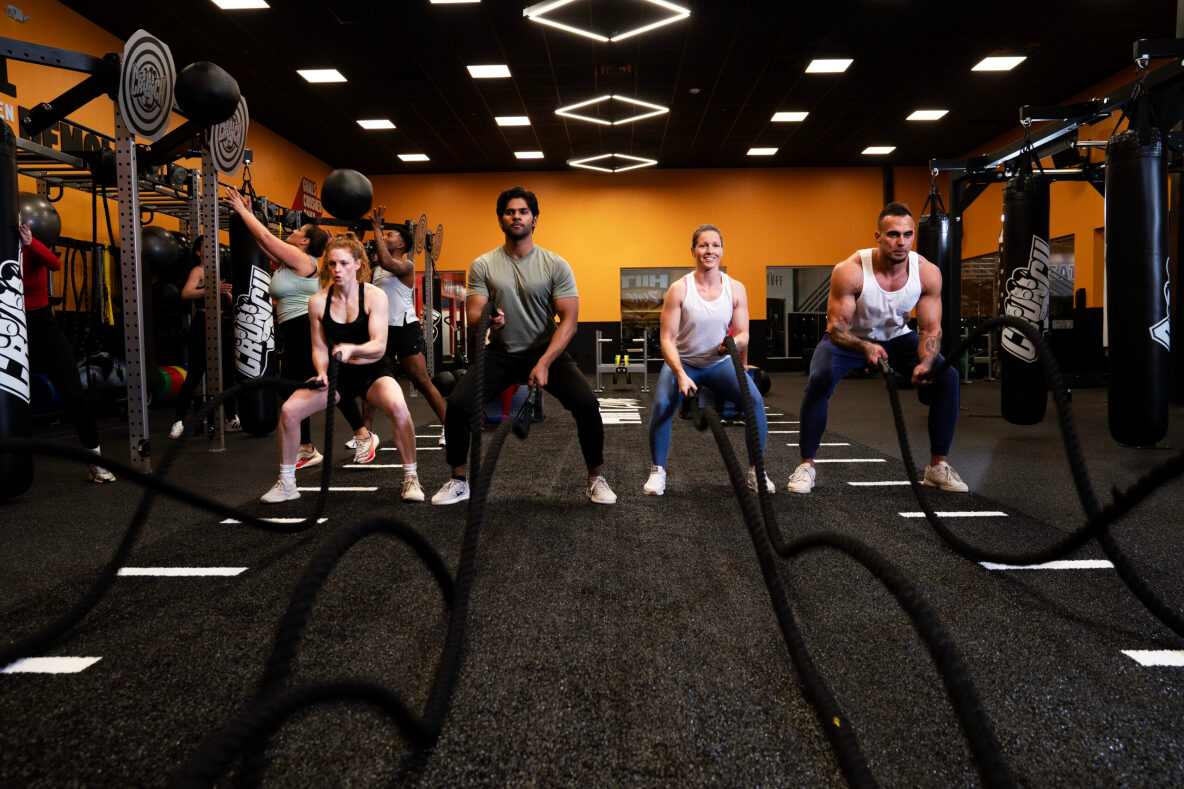
- functional training with open space
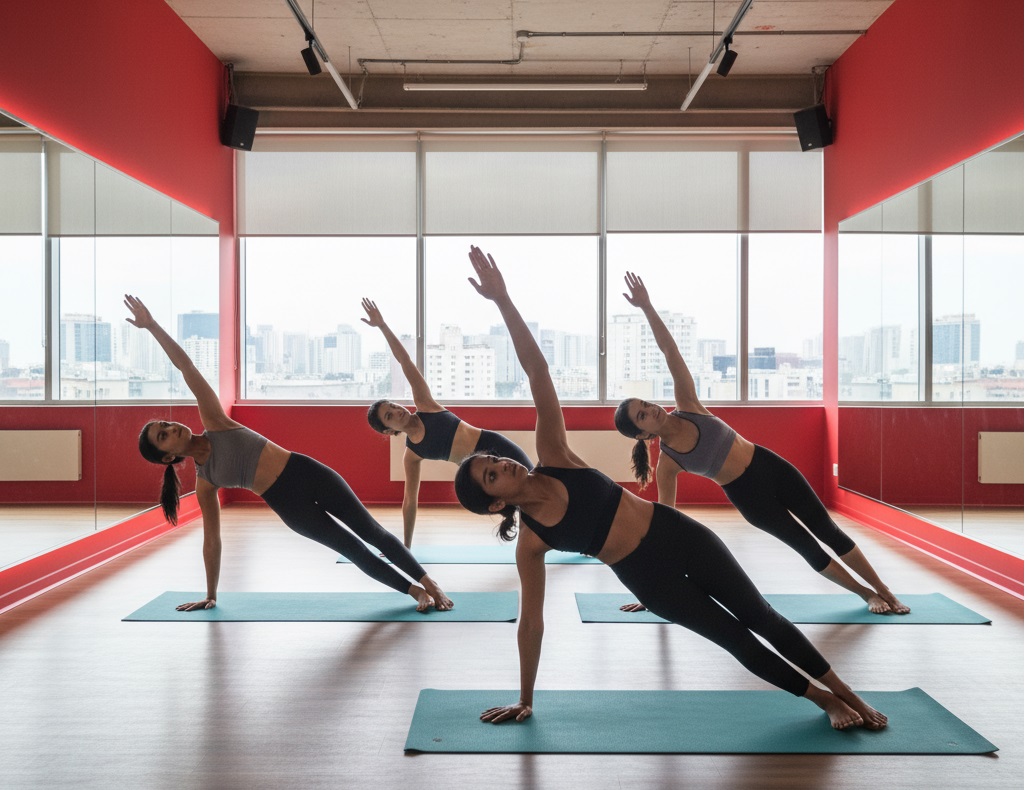
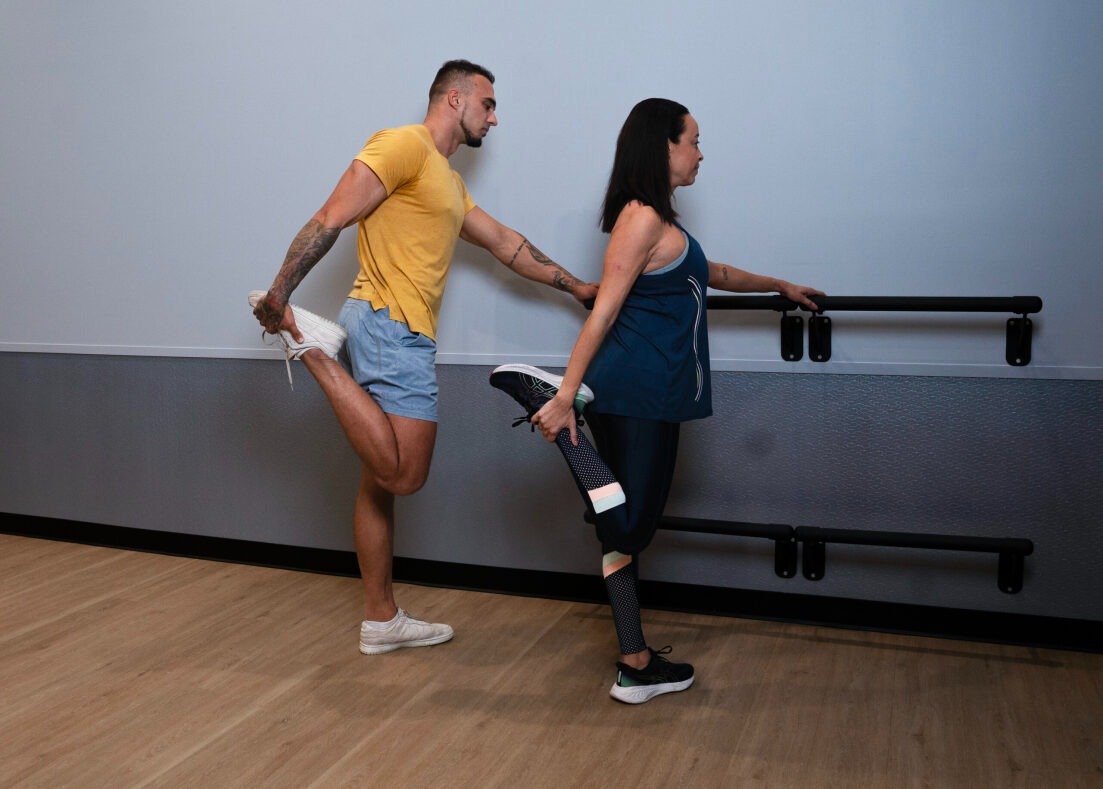
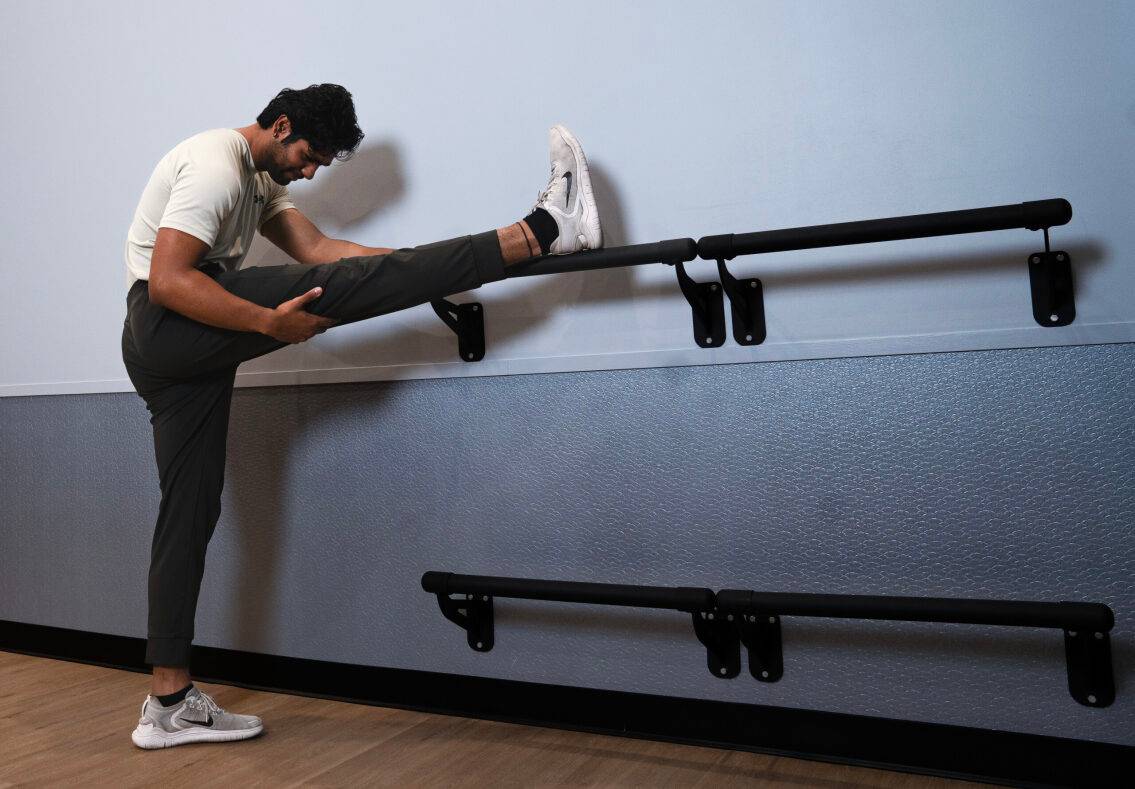
- stretching and recovery areas should maintain lower sound levels
A franchise layout acts as an invisible instructor who directs people throughout the facility.
Layout Consistency: The “Same Feeling” Across Locations
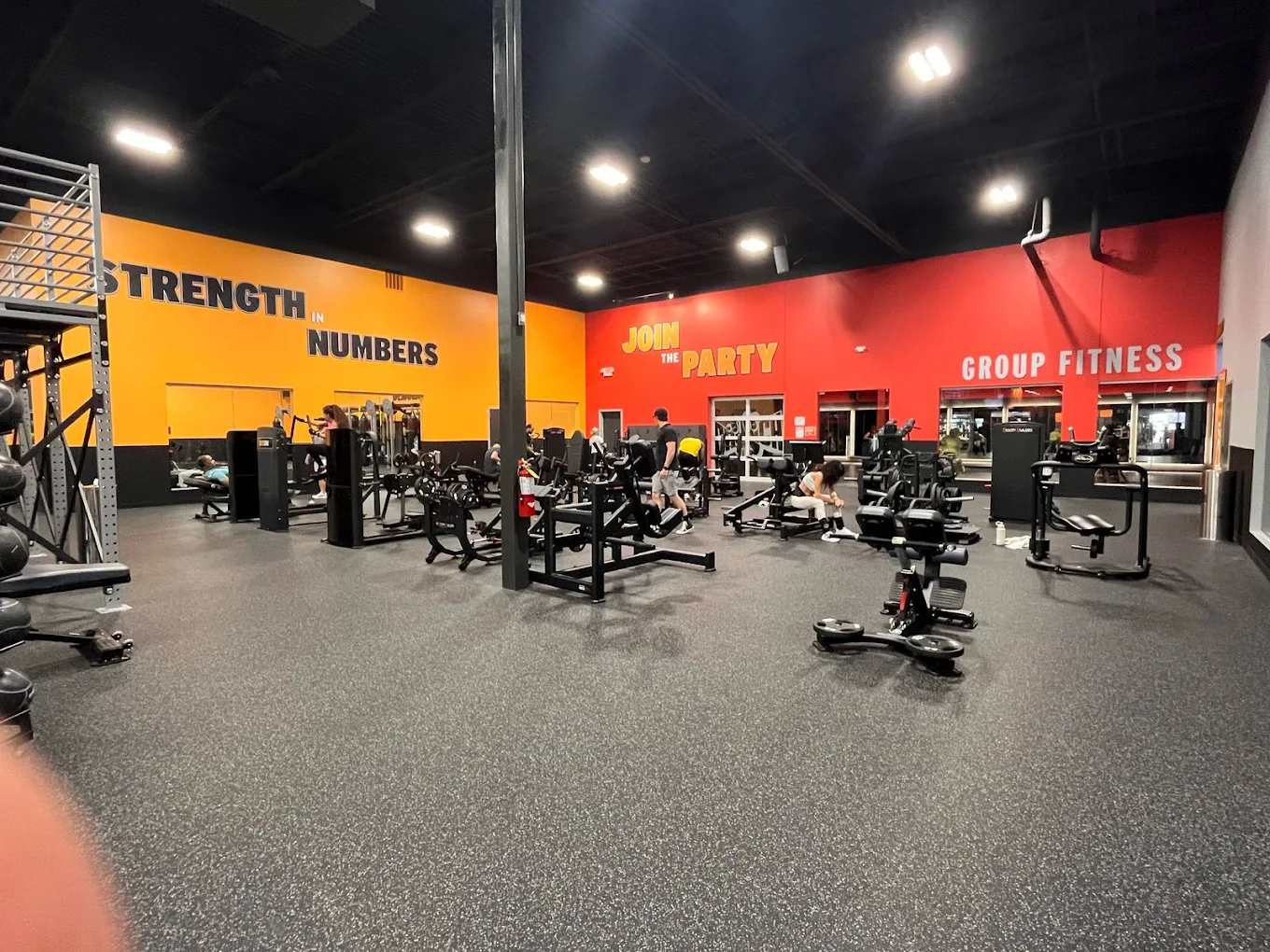
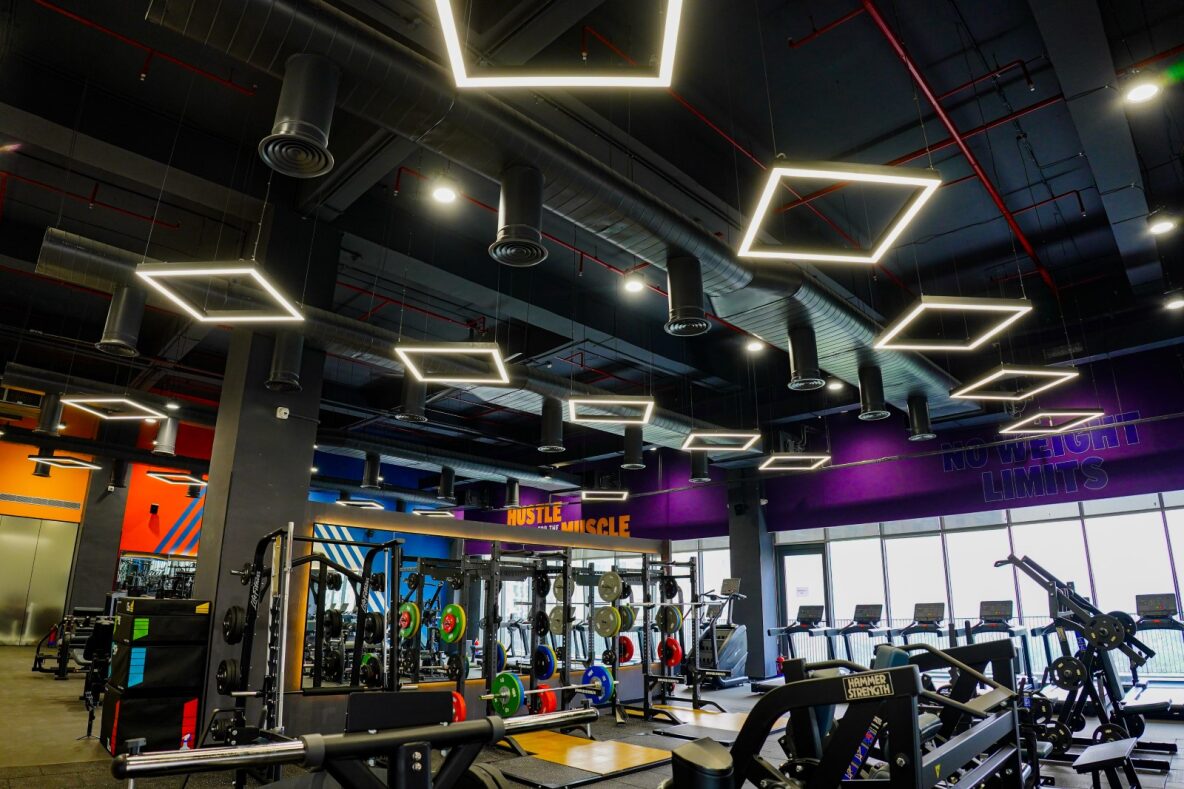
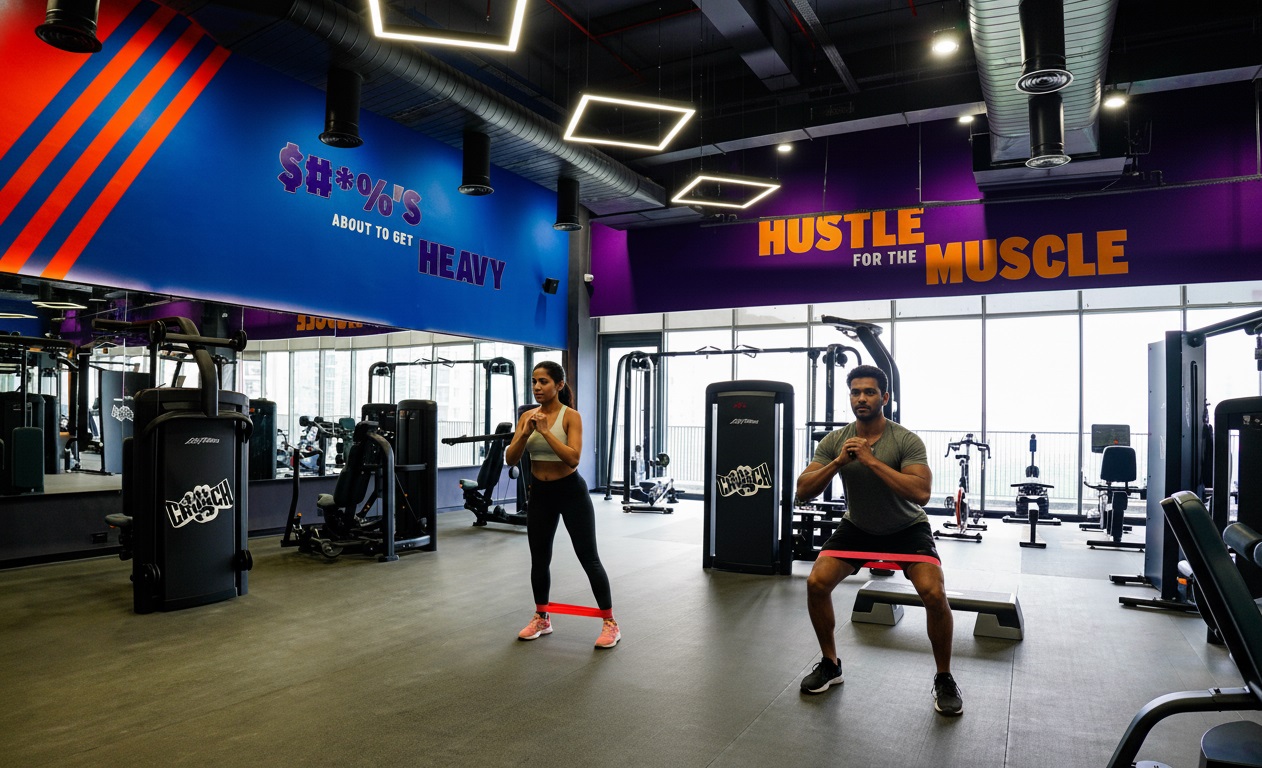
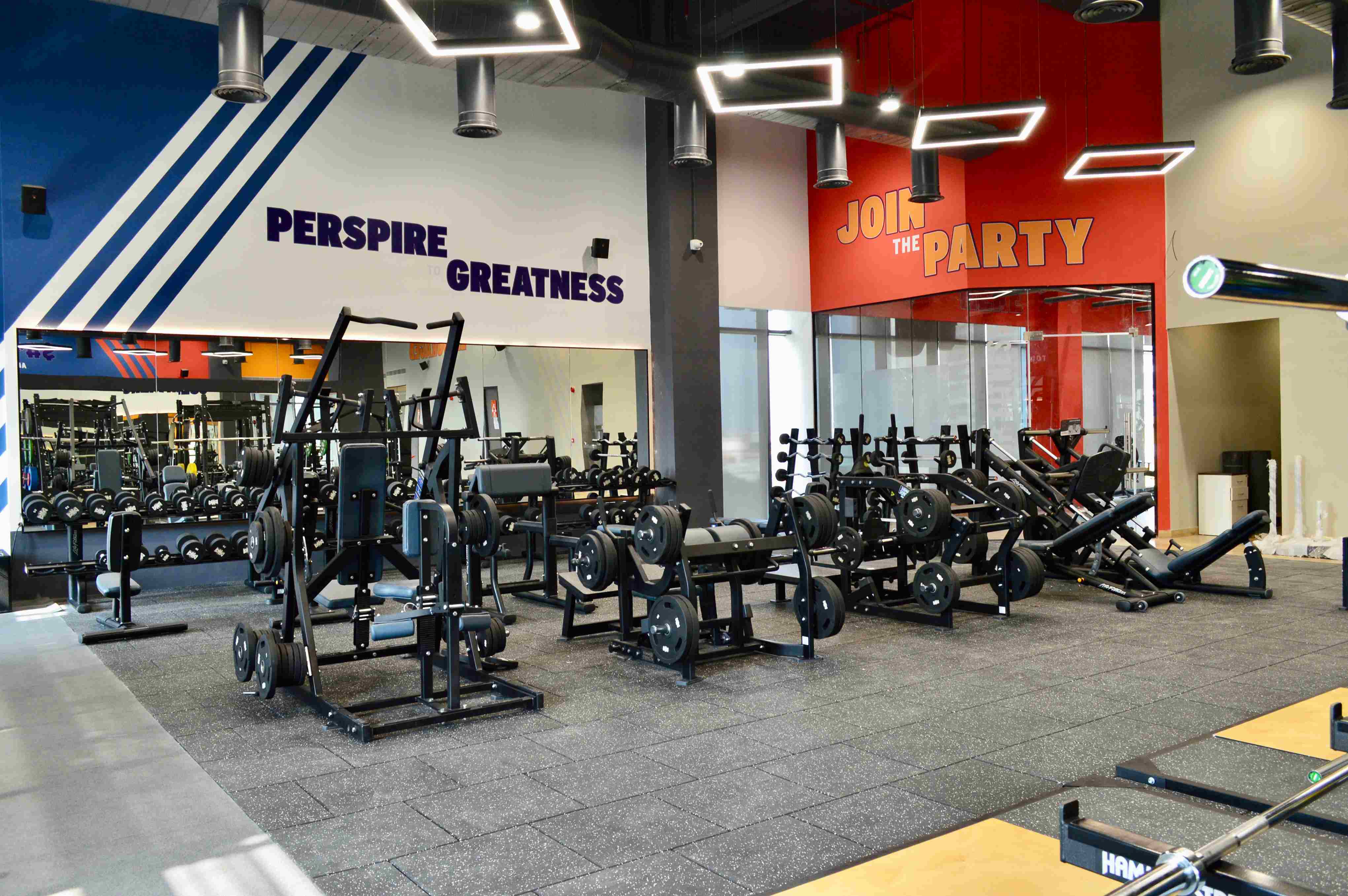
The franchise maintains an identical customer experience through its multiple city locations which have different building dimensions. The brand's strength training reputation leads to the strength zone becoming the primary area of their gym.
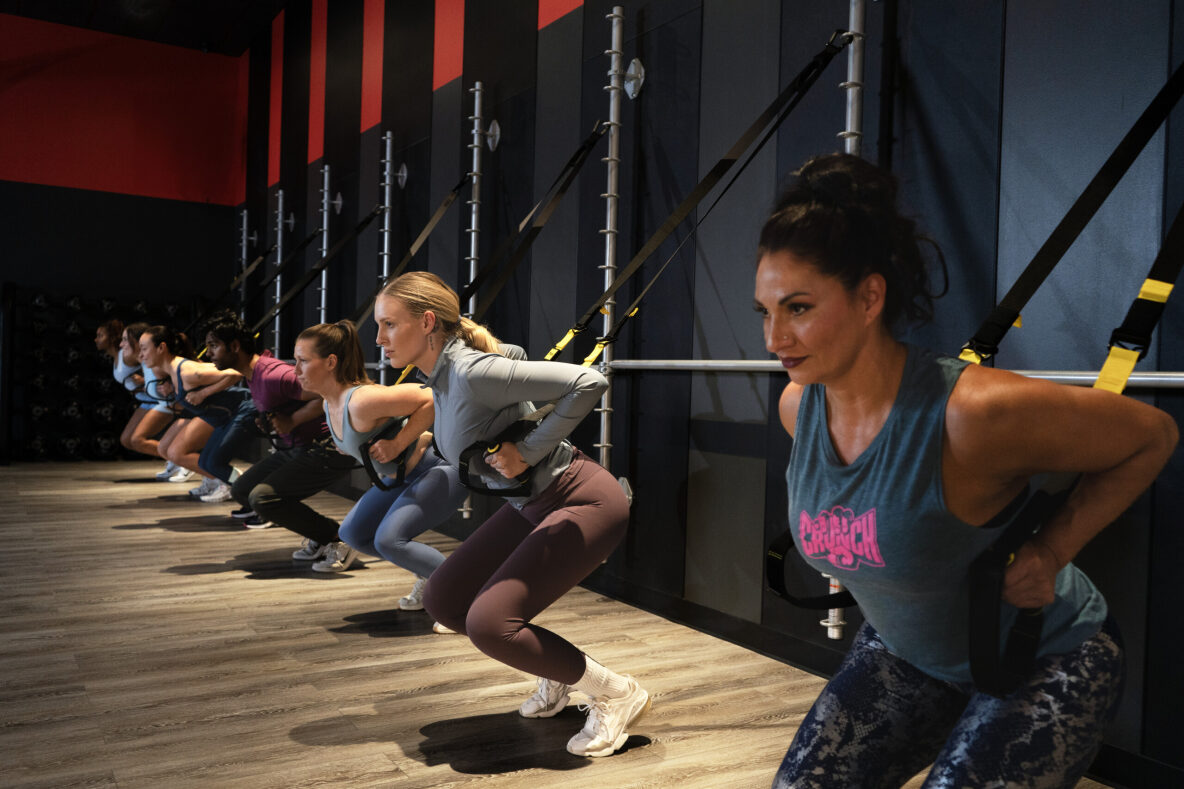
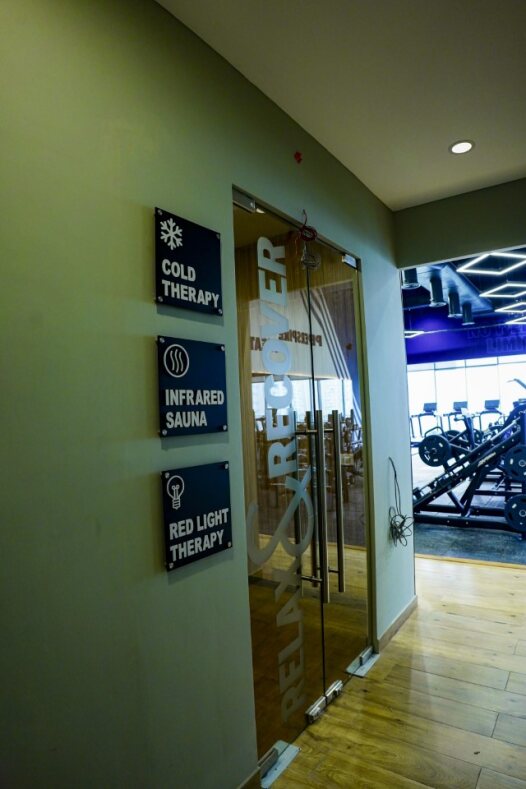
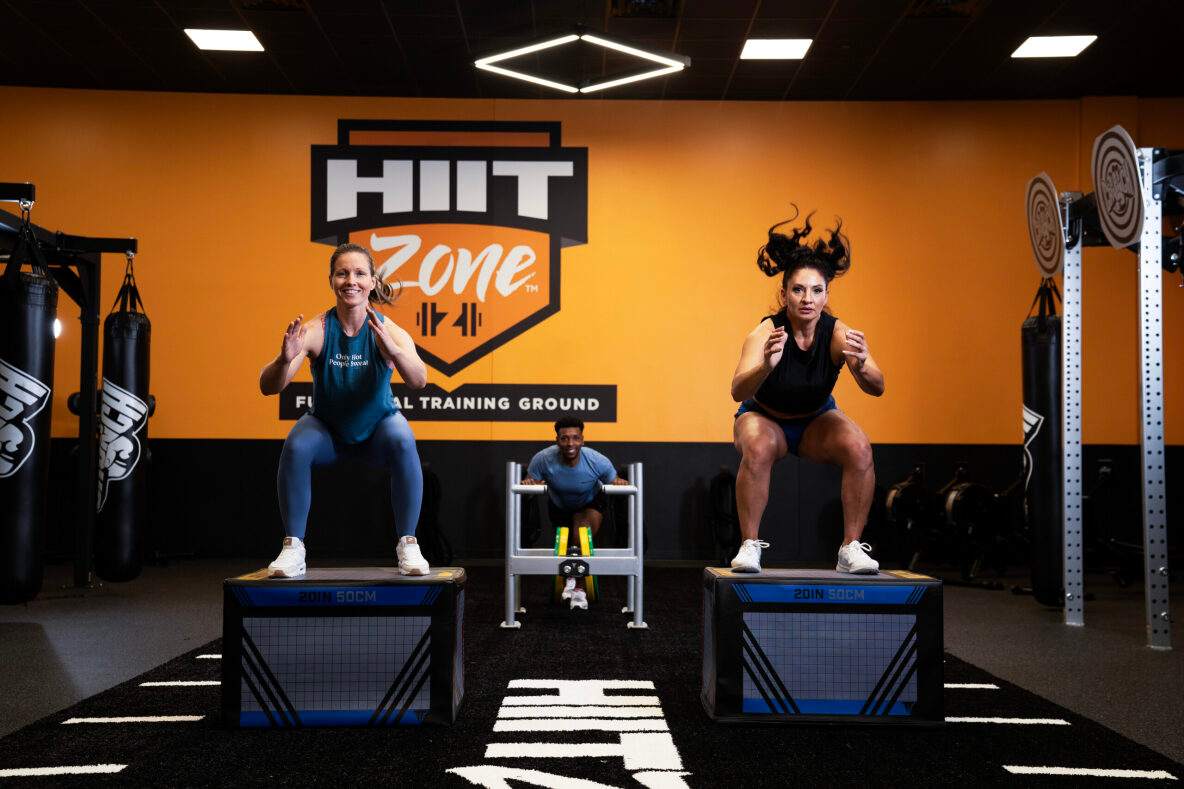
The functional zone serves as the main space for HIIT programs according to the brand's identity. The recovery zone operates as the brand's premium recovery area which customers can easily observe because it has been designed with high visibility.
The member may not notice the blueprint differences, but they notice the feeling. The feeling creates customer loyalty.
Design Consistency: Why It’s More Than Just Aesthetic
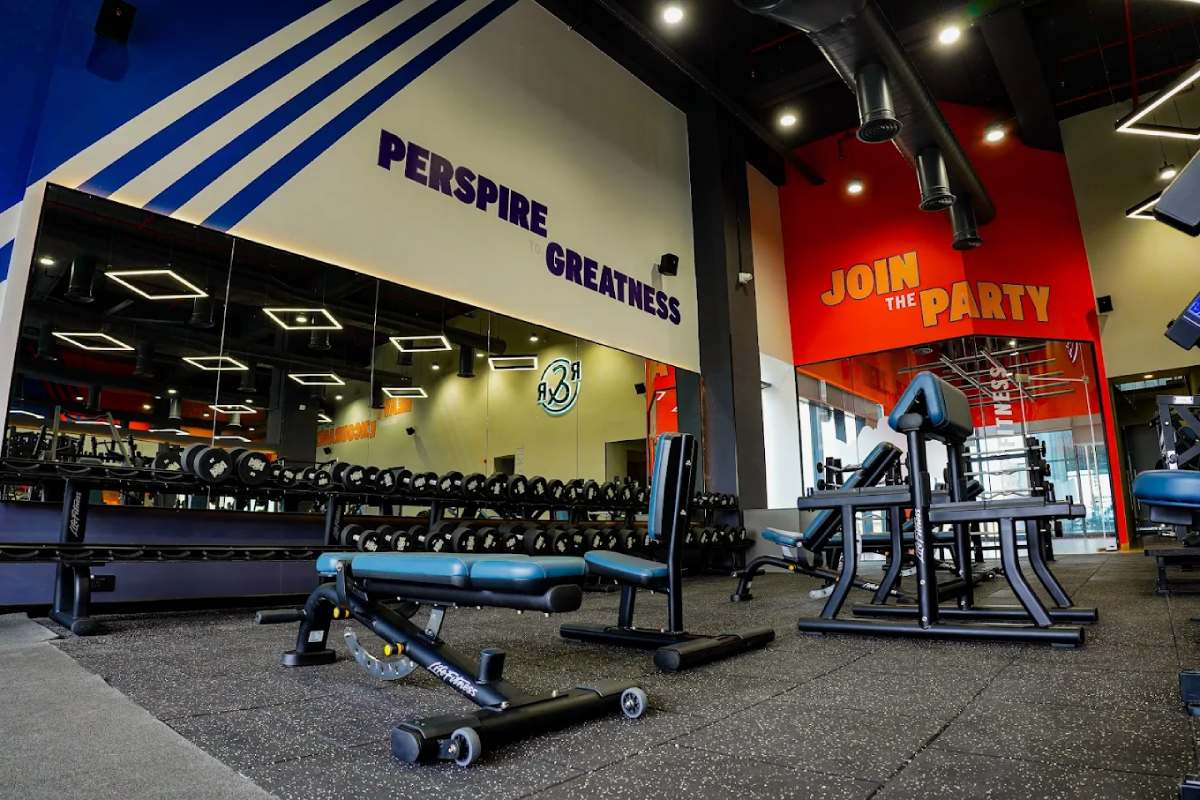
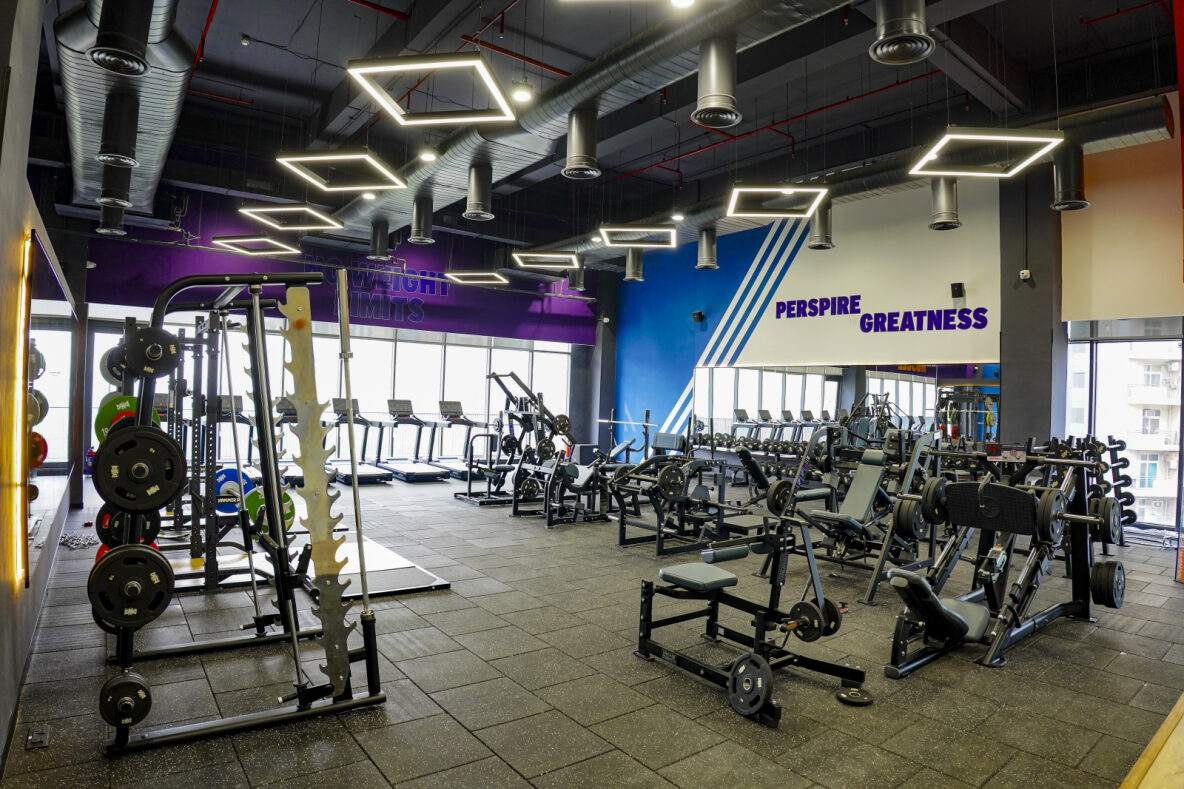
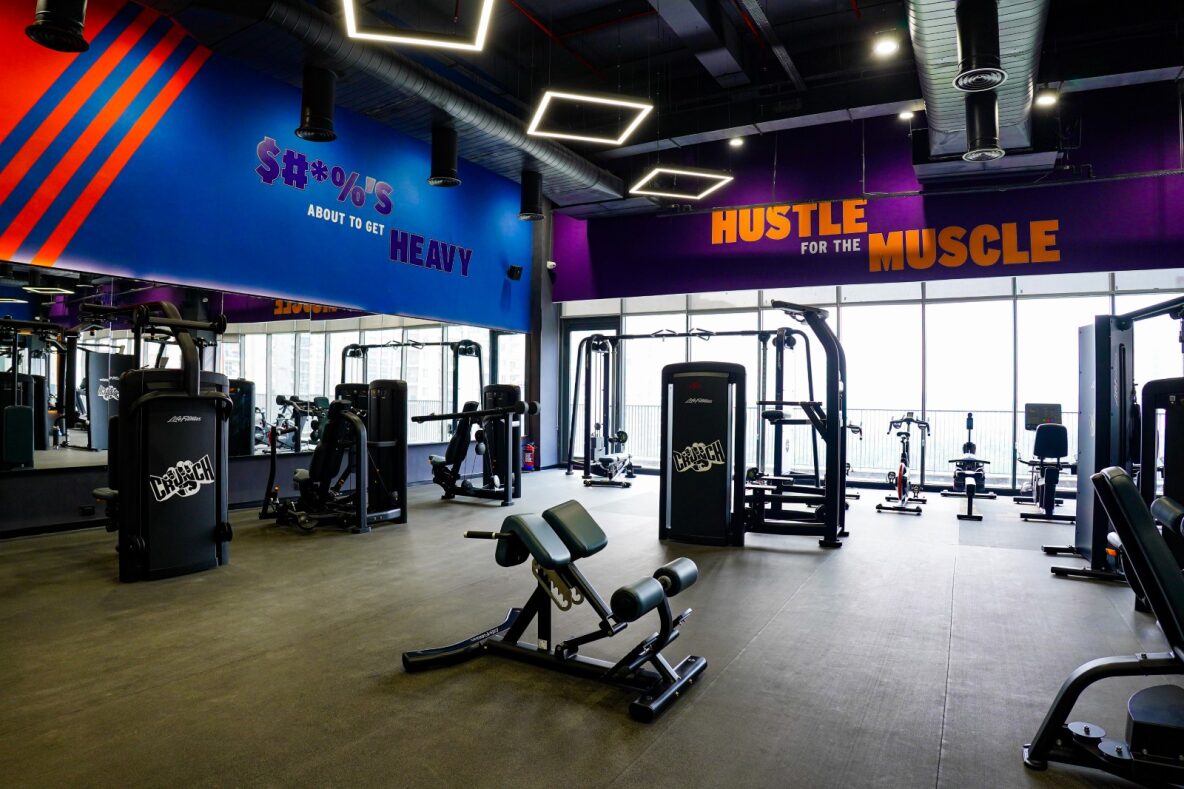
The purpose of design consistency extends beyond creating an attractive appearance. The design consistency of a business needs to maintain its visual elements throughout all design elements which help to establish its brand identity.
A serious franchise requires all its gyms to maintain an identical appearance which creates a unified brand identity.
Design consistency includes:
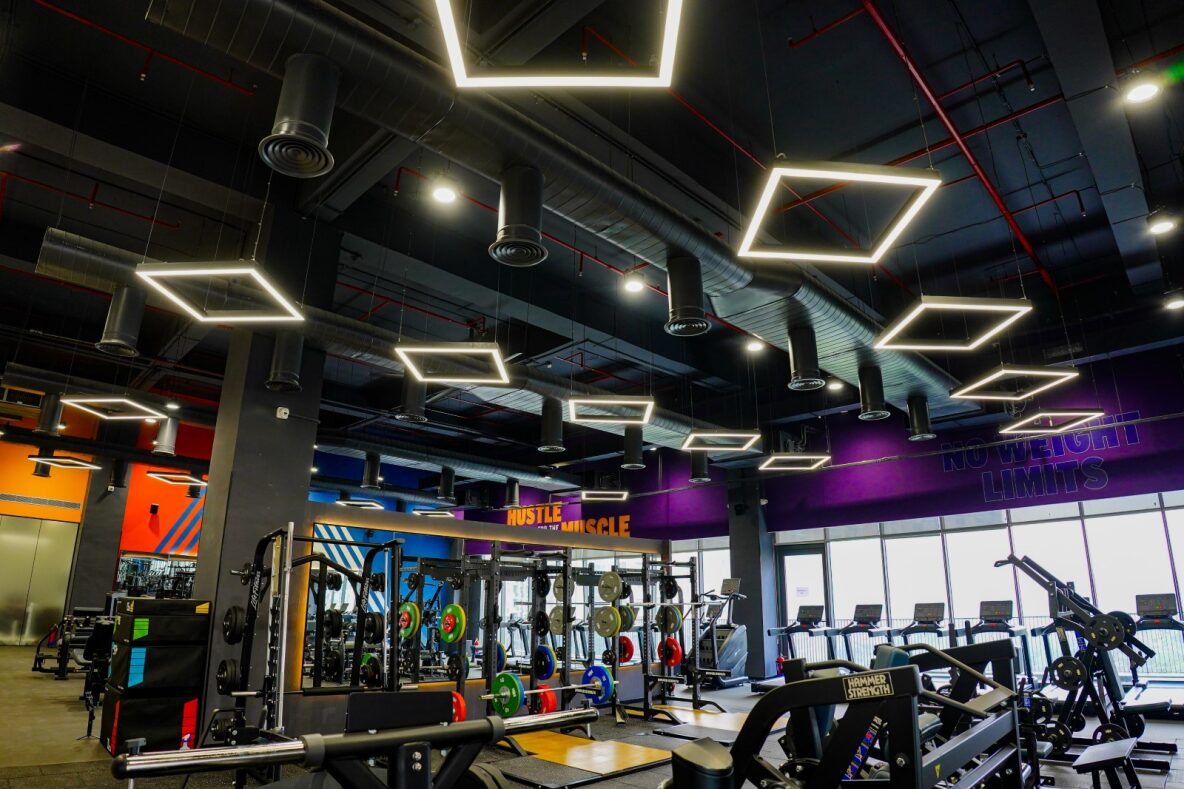
- lighting style (bright vs moody)
- color palette
- wall textures
- signage style
- typography
- mirrors and placement
- flooring color and pattern
- ceiling design
- locker room design
- front desk experience
The brand achieves immediate branding recognition through this element.
How Consistency Helps Franchises Scale Faster
The speed of fitness franchise expansion increases when operators decrease their decision-making requirements.
A strong franchise model usually has standard equipment lists which describe required equipment and pre-defined floor plans which show approved building designs and standardized interior design templates, vendor partnerships, installation standard operating procedures and maintenance standard operating procedures.
The multiple location opening process becomes easier because of this system which enables gyms to use the same setup for each new location.
Organizations achieve savings through consistency because their operations become more efficient, they save resources, they reduce training requirements, their personnel needs are reduced, and they decrease operational difficulties that they experience during their operations.
The brand maintains its value through this strategy which provides long-term protection for its market position.
What Franchise Owners Should Look For Before Investing
The franchise fee and monthly revenue projection should be your starting point for evaluation. The following additional questions should be asked:
- Do they provide a standardized equipment plan?
- Do they have approved vendors?
- Do they provide layout templates?
The zoning system's flexibility should be evaluated through assessment. The organization maintains design rules that govern its brand identity. The experience remains the same in all urban locations.
The company offers support to help with both installation and maintenance tasks. The franchise that has developed all operational details will achieve successful expansion.
The Future: Recovery and Experience Zones Becoming Standard
The fitness industry is undergoing transformation because its franchise business models are changing. The modern gymnasium system does not meet current user requirements, which now demand comprehensive fitness facilities.
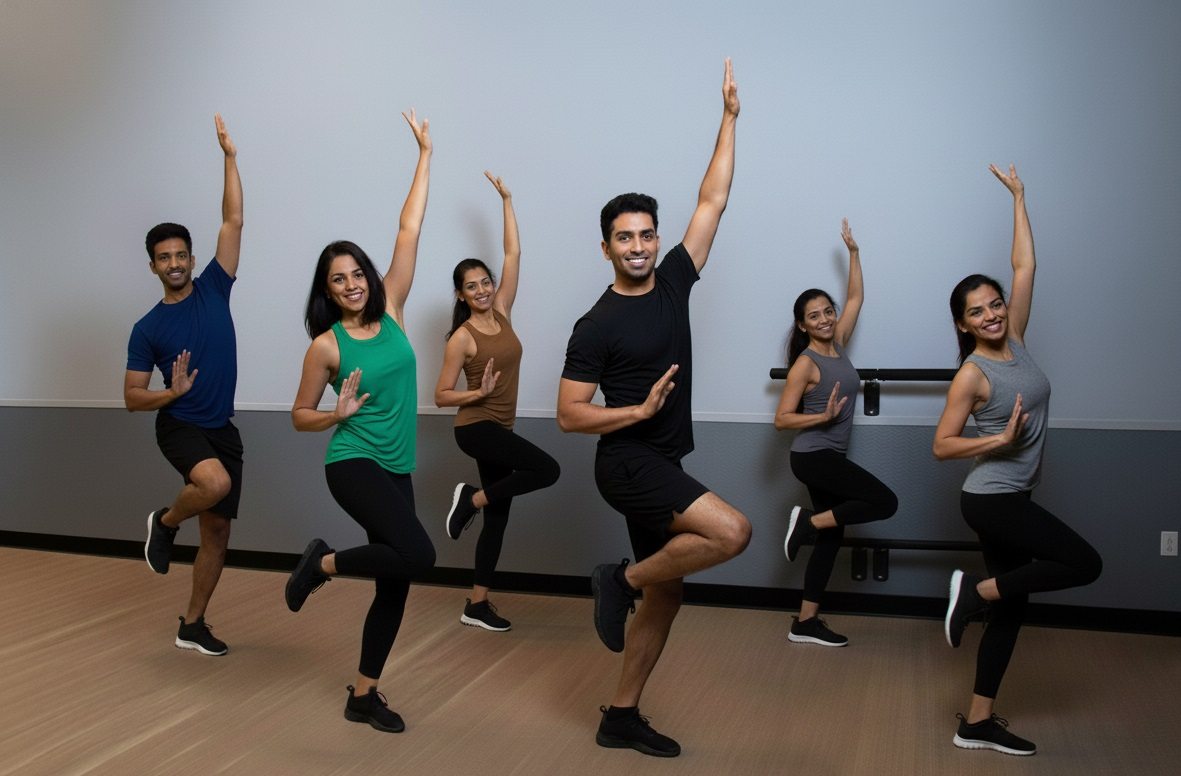
Users require a fitness space that provides them with strength training equipment, cardio machines, guided training sessions, recovery facilities and a communal atmosphere. Modern franchise layouts now use experience zones as their main design element instead of relying on machine equipment.
In many premium franchises, recovery zones are now designed as a core feature, not an afterthought. The companies create a distinct brand identity through their strong execution of this element while maintaining brand consistency.
Related Article: Best Gym Franchise Models For First-Time Business Owners
Conclusion
A fitness franchise begins its workout experience before trainers start their classes because members first experience the gym through their visual observations, their movement patterns and their ability to find their workout rhythm.
The visual elements of the gym space together with member movement and their capacity to establish workout rhythms, create their first gym experience. People develop trust through using equipment that stays operational without interruptions. A well-designed space creates safe pathways that help users navigate their environment without getting lost.
Brands like Crunch Fitness India achieve instant recognition through their design elements which maintain uniformity across different locations. The gym creates an effortless environment when three essential components function together because this effortless experience leads to customer retention.
Franchise owners need to understand these specific elements because their business needs extend beyond visual appeal. The organization builds a fitness model that members will use as their primary workout base for the rest of their lives.
Frequently Asked Questions (FAQs)
Q1. How to design a gym layout?
The gym space needs to be divided into separate areas which include cardio facilities, strength training areas, functional training sections and stretching spaces. The design needs to establish clear paths that help people move through the gym while preventing traffic jams in busy sections.
Q2. What are fitness equipments?
Fitness equipment includes machines and tools used for workouts which include treadmills, dumbbells, cable stations and benches.
Q3. What types of equipment are there?
The main types are cardio equipment, strength equipment, functional training tools and mobility recovery tools.
Q4. What equipment layout works best in a gym?
The most effective layout for a gym requires equipment to be organized into separate zones which requires matching equipment to be placed together while maintaining adequate space for users to navigate safely.
Q5. How much space between gym equipment?
The space requirements need to provide sufficient room for users to enter equipment, operate it through complete movement and move freely through the area. The largest space requirements appear in free-weight spaces.
Explore More Articles
The fitness industry in Delhi is expanding rapidly because of three factors w... Read More
Th... Read More
The launch of a gym franchise is only the beginning of the journey. The actua... Read More
The process of starting a gym franchise in In... Read More
Where you place your gym matters most. Though b... Read More
Today, the fitness industry stands as one of the fastest-expanding business s... Read More
<... Read More



















<... Read More

<... Read More
<... Read More

<... Read More
<... Read More

<... Read More

<... Read More
<... Read More


<... Read More
<... Read More
<... Read More

<... Read More

... Read More
CLOSEST CLUB
Your Local Crunch ...
SEE OUR MEMBERSHIP OPTIONS