
Trainer certification and skill standardisation serve as essential requirements for every fitness franchise that seeks to expand its operations. Franchise operations need to sustain uniform coaching standards for all their locations because this practice protects member safety, enhances workout results and builds brand credibility.
Certified trainers possess essential expertise in anatomy and exercise science and coaching methodologies while standardised systems deliver consistent training methods for personal training, group coaching and member assistance.
The two elements work together to decrease operational hazards while enhancing customer retention and establishing dependable fitness services at all locations. The current business environment requires companies to implement structured training programs as essential components of their operations.
Why Trainer Quality Is the Real Brand Reputation
The brand promise of the fitness franchise extends beyond its equipment, interior design and marketing strategies. Members join because they believe the experience will be consistent.
The customers want to use their services because they need to:
- Have safe workouts
- Learn proper exercise techniques that will enable them to progress with their workouts while preventing injuries
- Be motivated without experiencing any pressure because they need to achieve results through their workouts which cannot be achieved through any marketing tricks.
The customers want to train in Delhi, Bengaluru, Kolkata, and Pune and they expect to receive these services. The machines do not create consistency because trainers provide that service. A franchise can standardise design and pricing easily. The process of trainer quality standardization requires organization.
What Do Fitness Trainers Do?
The practice of fitness encompasses two elements which include physical performance and protective measures. A trainer performs more than exercise demonstration because their duties include.
The trainer needs to perform these duties:
- Assess the movement abilities of his client.
- Provide clients with corrective movement instructions.
- Manage the client's exercise load and volume.
- Develop exercise programs that accommodate different types of injuries.
- Possess fundamental knowledge about human body functions.
- Work with clients who have different medical needs.
- Help clients avoid reaching their exercise burnout point.
- Assist clients in establishing long-lasting fitness practices.
The absence of standardization in gyms creates inconsistency which harms the brand identity.
What Trainer Certification Actually Means
Trainers need to attain certifications before they can become trainers. These are some certifications they need:
- Personal Trainer Certification: ACE, NASM, ISSA, etc.
- Industrial Accreditation: Those who follow the National Occupational Standards like SPEFL-SC in India
- Safety and First Aid: CPR/AED (Cardiopulmonary Resuscitation/Automated External Defibrillator)
- For Further Development: Continuing Education Credits (CECs) or Continuing Education Units (CEUs)
But let’s clear something up first. The collection of a fancy badge does not define certification.
A good certification system ensures the trainer understands:
1) Anatomy And Biomechanics
So they know what muscles and joints are actually doing.
2) Exercise Science
So they don’t program workouts based on trends.
3) Safe Coaching And Cueing
So they can correct form quickly, clearly, and confidently.
4) Progressive Overload And Programming
So results are built systematically, not randomly.
5) Client Psychology
So they can motivate people without shaming them.
In a franchise setting, certification is the first checkpoint. Standardisation is what comes after.
What Skill Standardisation Actually Means
The franchise requires all trainers to use identical core coaching standards which serve as their fundamental training requirements.
1. Coaching Quality Benchmarks
The franchise defines its coaching standards by establishing specific attributes that it considers to be essential for effective coaching.
- Clear cueing
- Safe load progression
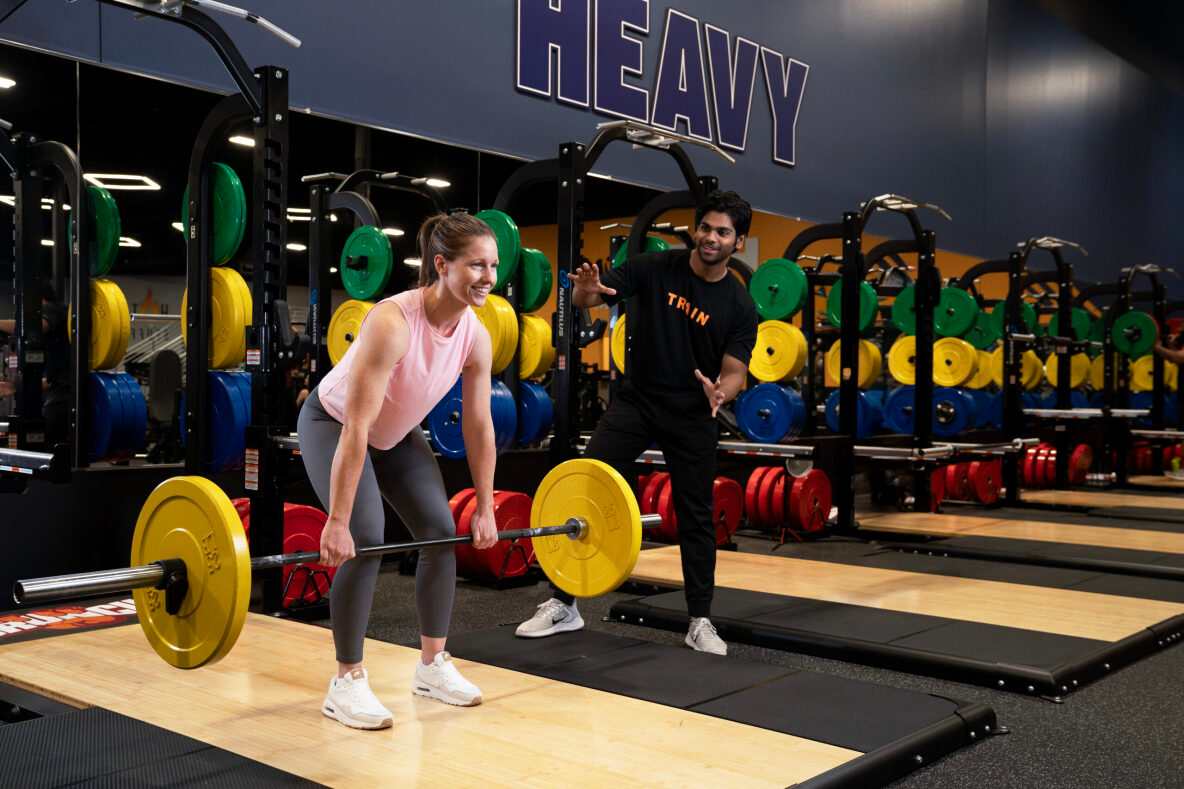
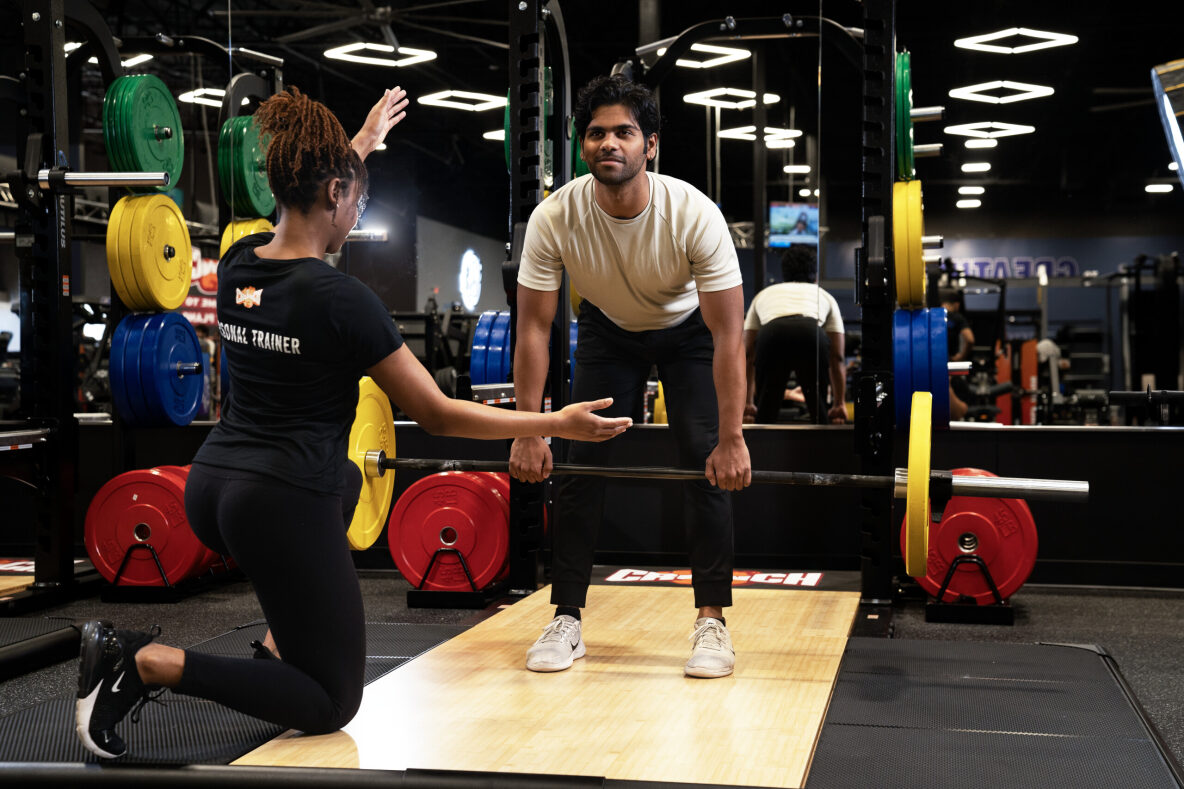
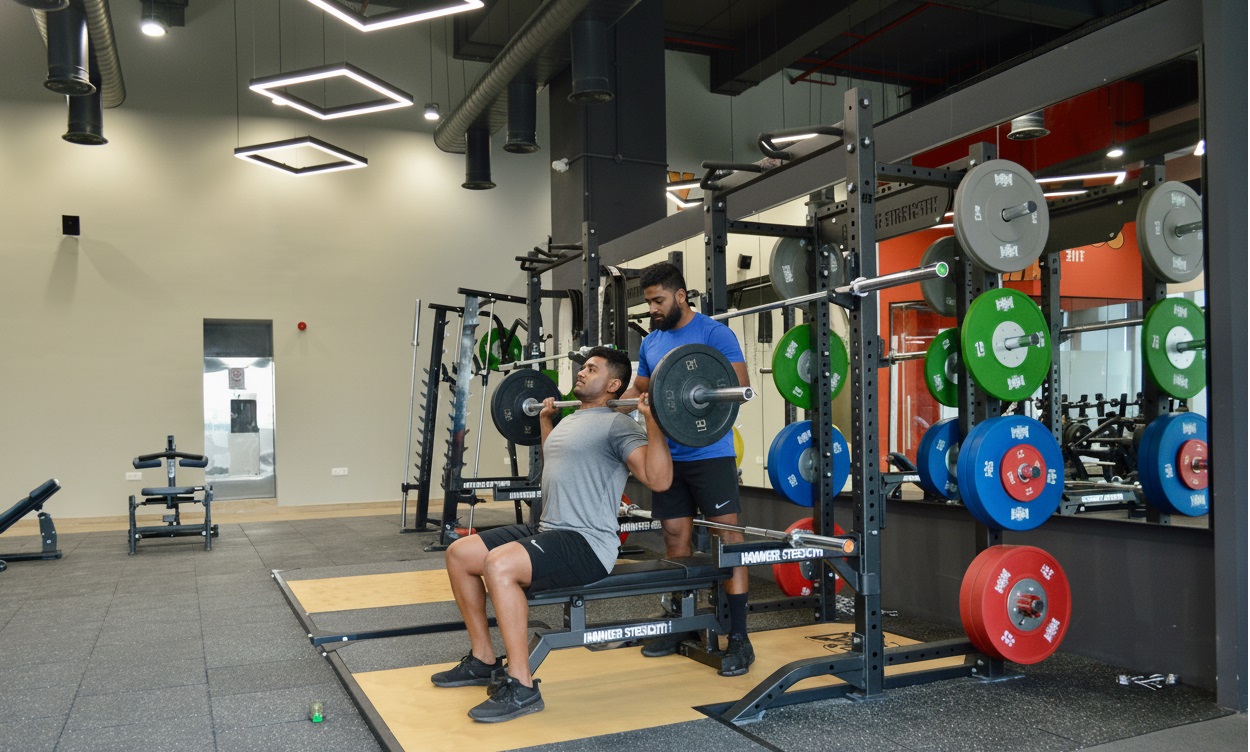
- Proper spotting
- Exercise modification options
- Respectful communication
2. Workout Delivery Consistency
The delivery of all workout programs needs to follow a permanent delivery method that applies to all types of training programs such as Cardio, Strength Training, HIIT, etc.
- The warm-up needs to follow the same procedure while the session needs to be executed according to its identical framework behavior.
- The intensity of the workout needs to be scaled according to the same method that determines how the session will be conducted.
- The safety instructions together with the corrections should be presented in the same manner for all sessions.
3. Member Experience Consistency
The way trainers speak, guide, motivate, and handle members should align with the brand's identity. A premium franchise can never sound like a local bootcamp operation. A high-energy franchise needs to deliver its services in an active way instead of performing with robotic and dull energy.
The Business Impact of Standardised Trainers
This is the point at which everything becomes important.
Trainer skill standardisation directly affects:
Member Retention
People leave gyms because they feel lost, unsupported and unsafe.
They quit because they feel lost, unsupported or unsafe.
Brand Trust
Franchise reputation suffers when one branch delivers excellent results yet another branch causes injuries and confusion.
Franchise Scalability
The franchise experiences seamless growth because repeatable service delivery enables its system to function consistently.
The more your business depends on "a few star trainers" the harder it becomes to scale your operations.
Key Areas Where Franchises Standardise Trainer Skills
The successful fitness franchises create standardized procedures for their essential operational areas.
1. Movement Screening & Client Onboarding
The first standard procedure that gym trainers use to assess new clients establishes the following assessment areas:
- Mobility limitations
- Past injuries
- Strength level
- Training history
- Goals and lifestyle constraints
2. Exercise Technique Standards
The exercise standards require specific form requirements for fundamental weightlifting movements. The statement that different instructors teach the material in distinct ways represents the exact approach that franchises choose to avoid.
3. Training Progression Systems
The standard progression models ensure safe performance improvements for all members. The following example shows different stages of fitness development:
Example:
- Beginner — foundational strength
- Intermediate — progressive overload
- Advanced — performance-based training
4. Group Workout Coaching
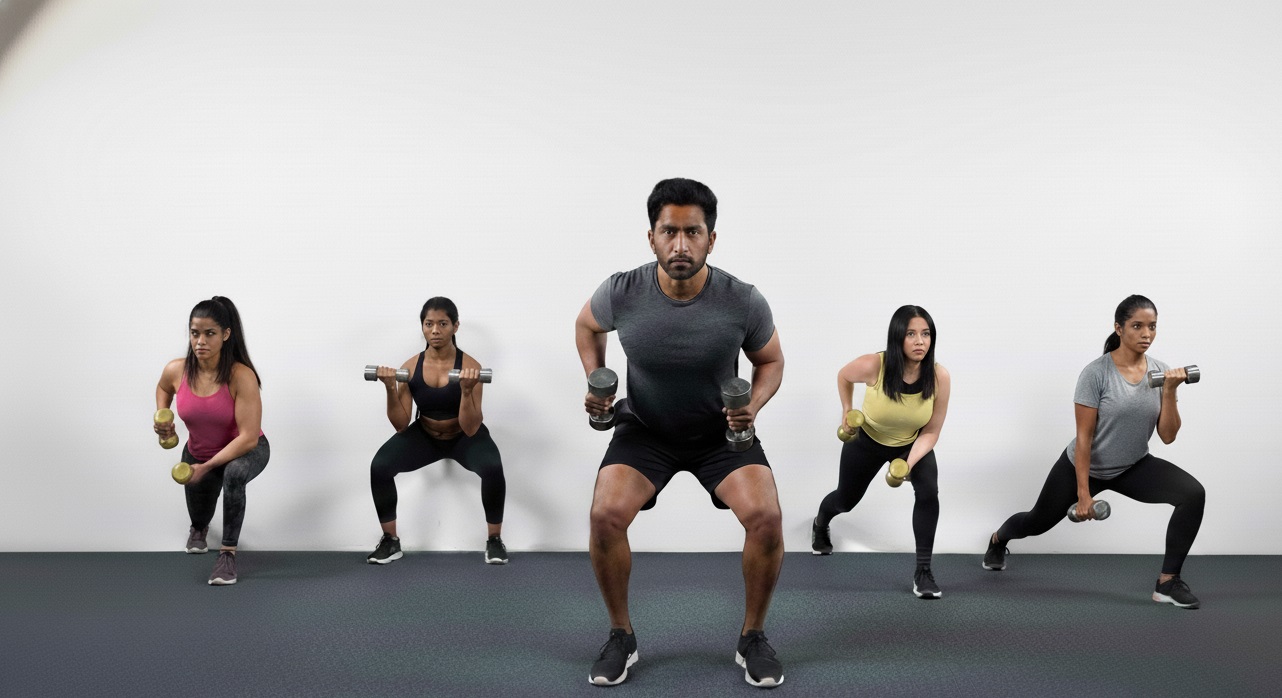
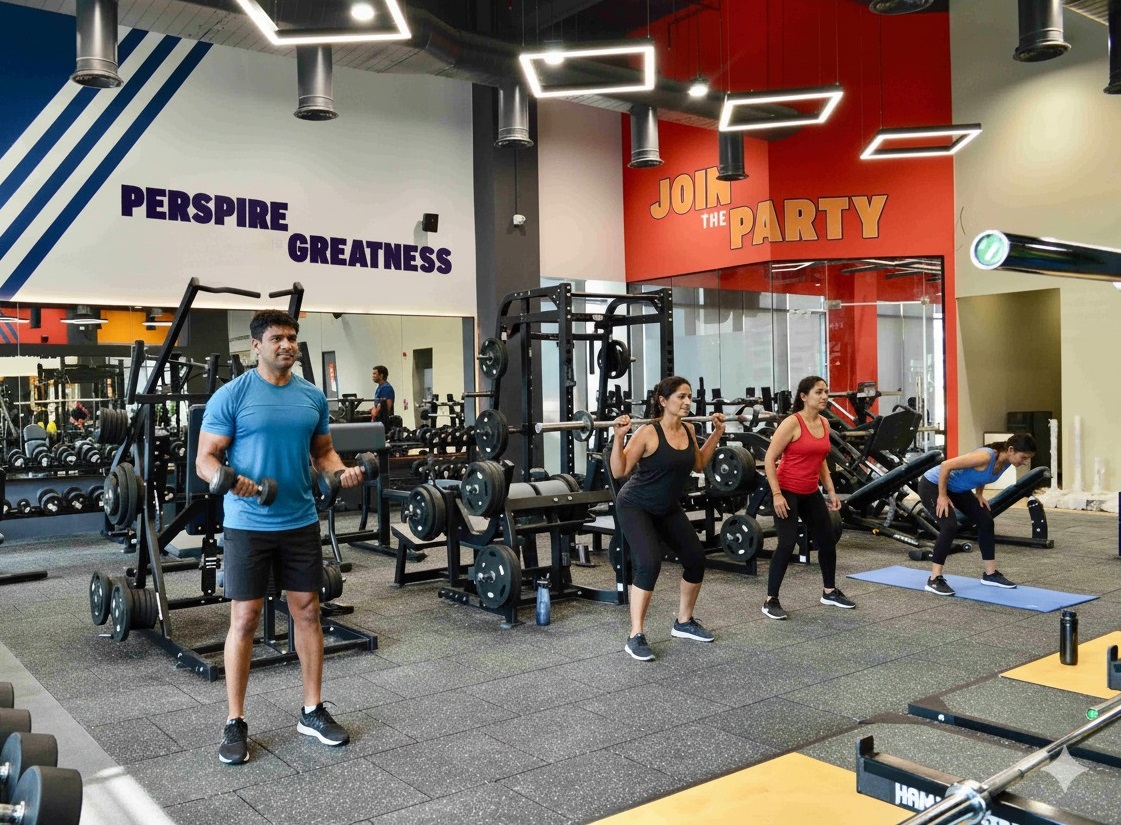
The group workout coaching system trains multiple people at once. The group training process requires standardization because higher crowd numbers create a greater risk to participants. The franchise needs its trainers to receive training in these specific areas:
- Time-based coaching
- Station transitions
- Managing mixed fitness levels
- Quick modifications
5. Injury Prevention and Escalation Protocols
The trainers need to understand which tasks they can complete and which tasks they need to refer to others for:
- What they can handle
- What requires referral
- When to stop a member
- How to document incidents
Also Read: How Crunch Fitness India Guides New Franchise Partners
How Fitness Franchises Build Standardisation
The franchise needs to establish a trainer development system that can identify and develop suitable trainer candidates.
1. Mandatory Certifications (Entry Requirement)
Franchises often require:
- Recognised personal training certification
- CPR/AED training
- Basic first aid
2. Franchise Internal Training
This program provides training on brand-specific coaching which includes:
- Signature workout formats
- Brand philosophy
- Communication style
- Member engagement approach
3. Assessments and Practical Testing
Franchises utilize three specific assessment methods which include:
- Demo coaching rounds
- Roleplay with members
- Form correction tests
- Group class auditions
4. Ongoing Skill Upgrades
The best franchises operate their business through three essential activities which include:
- Monthly workshops
- Quarterly evaluations
- Training refreshers
- Internal mentorship systems
How Standardisation Improves Member Retention
We need to establish a connection between this content and business results. The members show improved performance through continuous training because they achieve:
- faster progress
- fewer injuries
- less confusion
- more confidence
- better gym culture
The results create:
- higher renewals
- stronger referrals
- better reviews
- stronger brand trust
- long-term community building
The franchise system requires all operational aspects to function properly. Franchises achieve their expansion through customer loyalty, not through single-time memberships.
Conclusion
When coaching quality stays the same across all franchise locations, fitness franchises achieve sustainable growth. Trainer certification establishes basic knowledge and professional standards, but skill standardization enables the brand to maintain its promise across multiple locations.
Franchises achieve their goal of reducing injuries, enhancing member results, and providing consistent experiences through their deployment of structured onboarding, internal training programs, practical assessments, and continuous employee development initiatives.
The consistency of our services leads to increased customer retention and stronger word-of-mouth marketing and builds long-lasting trust in our brand.
The growing consumer demand for safe and evidence-based fitness solutions positions franchises like Crunch Fitness India at the top that establish standardized trainer development programs as the most likely candidates to achieve sustained growth and market leadership.
Frequently Asked Questions (FAQs)
Q1. What does a certified fitness trainer do?
The certified fitness trainer develops safe workout programs which he uses to teach clients proper exercise techniques while monitoring their progress toward fat loss, strength, mobility and endurance targets.
Q2. What qualifications do I need to be a fitness trainer?
The typical requirements for becoming a fitness trainer include obtaining a recognized personal training certification, possessing fundamental knowledge of anatomy and exercise science and having practical coaching experience.
Q3. What are the qualities of a good fitness trainer?
A good fitness trainer needs to possess multiple essential qualities which include knowledge, patience, observation skills and effective communication abilities. The coach creates safe training environments while developing individualized training programs that help clients reach their goals through continuous assessment of their actual development.
Q4. What are the responsibilities of a certified trainer?
The certified trainer must assess client fitness levels which includes planning training sessions while ensuring clients use proper techniques, controlling their workout intensity, preventing injuries and delivering ongoing professional client support throughout their entire training process.
Q5. Why is skill standardisation important in fitness franchises?
Skill standardisation develops consistency in how members receive coaching and safety measures and exercise programs at every franchise site which establishes customer trust and increases customer retention and shields the franchise brand.
Explore More Articles
The fitness industry in Delhi is expanding rapidly because of three factors w... Read More
Th... Read More
The launch of a gym franchise is only the beginning of the journey. The actua... Read More
The process of starting a gym franchise in In... Read More
Where you place your gym matters most. Though b... Read More
Today, the fitness industry stands as one of the fastest-expanding business s... Read More
<... Read More


















<... Read More

<... Read More
<... Read More

<... Read More
<... Read More
<... Read More
<... Read More
<... Read More

<... Read More
<... Read More
<... Read More

<... Read More

... Read More
CLOSEST CLUB
Your Local Crunch ...
SEE OUR MEMBERSHIP OPTIONS