
The process of starting a gym franchise in India needs business owners to implement detailed financial methods and precise budget plans while they seek appropriate funding options.
The fitness industry shows continuous growth because more people understand health benefits and they seek organized exercise facilities, yet gym franchises require large initial investments for their establishment.
Franchise fees and equipment expenses and facility construction costs and employee salaries and advertising expenses and business running costs all require entrepreneurs to budget their financial resources.
A business opportunity that shows promise will experience financial problems during its initial phase when there is no established financial plan. The gym franchise becomes financially sustainable through effective cost management which investors achieve by understanding budget techniques and funding options.
Understanding the Financial Requirements of a Gym Franchise
Before exploring funding options, it is essential to understand where the money goes when starting a gym franchise. A clear breakdown of expenses helps create a realistic budget.
Typical Cost Components Include:
1. Franchise Fee
This is the fee paid to the franchisor for using their brand name, systems, and operational support.
The franchise fee typically falls within a range of ₹10 lakh to ₹50 lakh based on the specific brand involved.
2. Equipment and Machines
Gym equipment forms a major part of the budget.
The equipment expenditure for the gym facility typically represents 30 to 40 percent of the complete financial commitment.
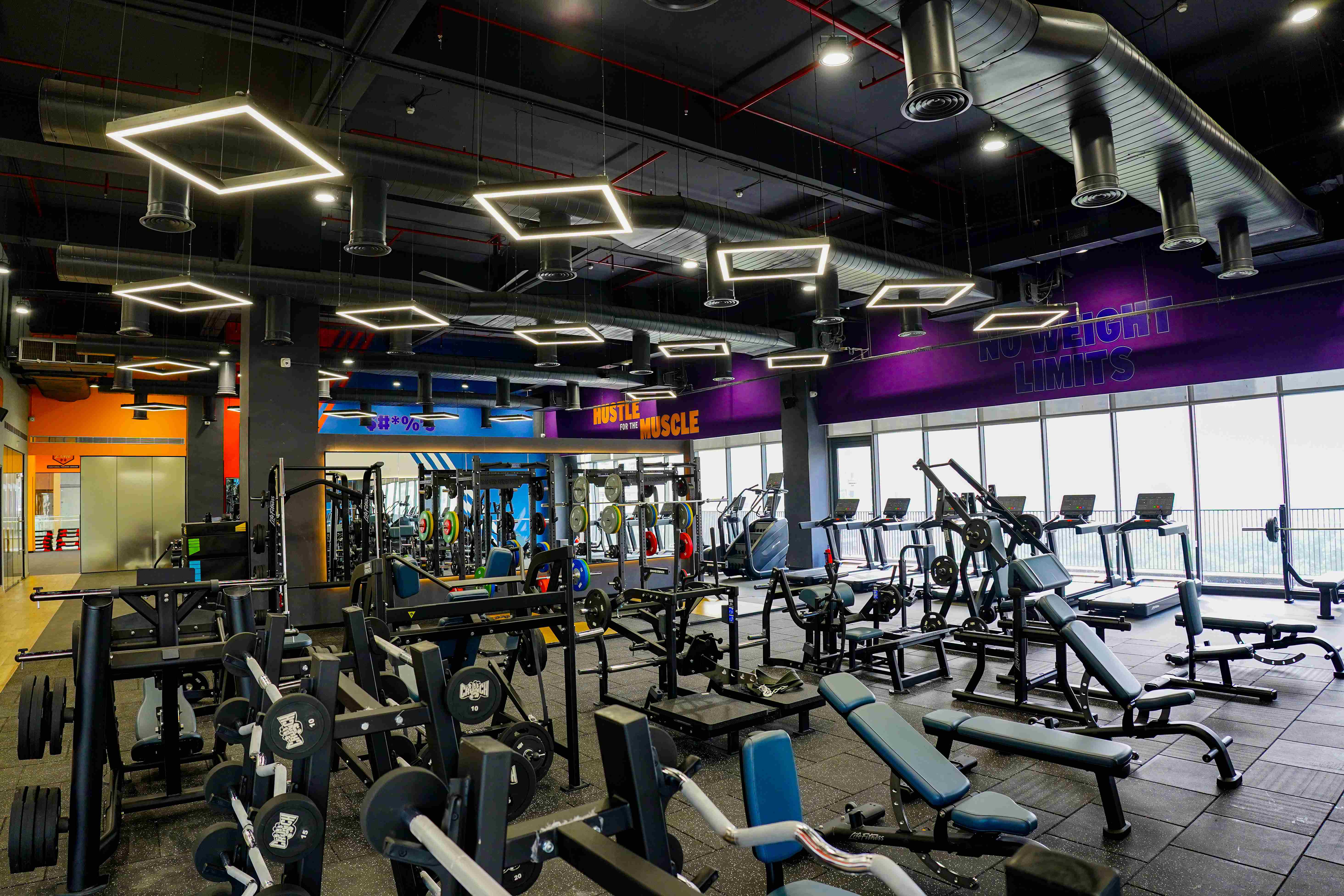
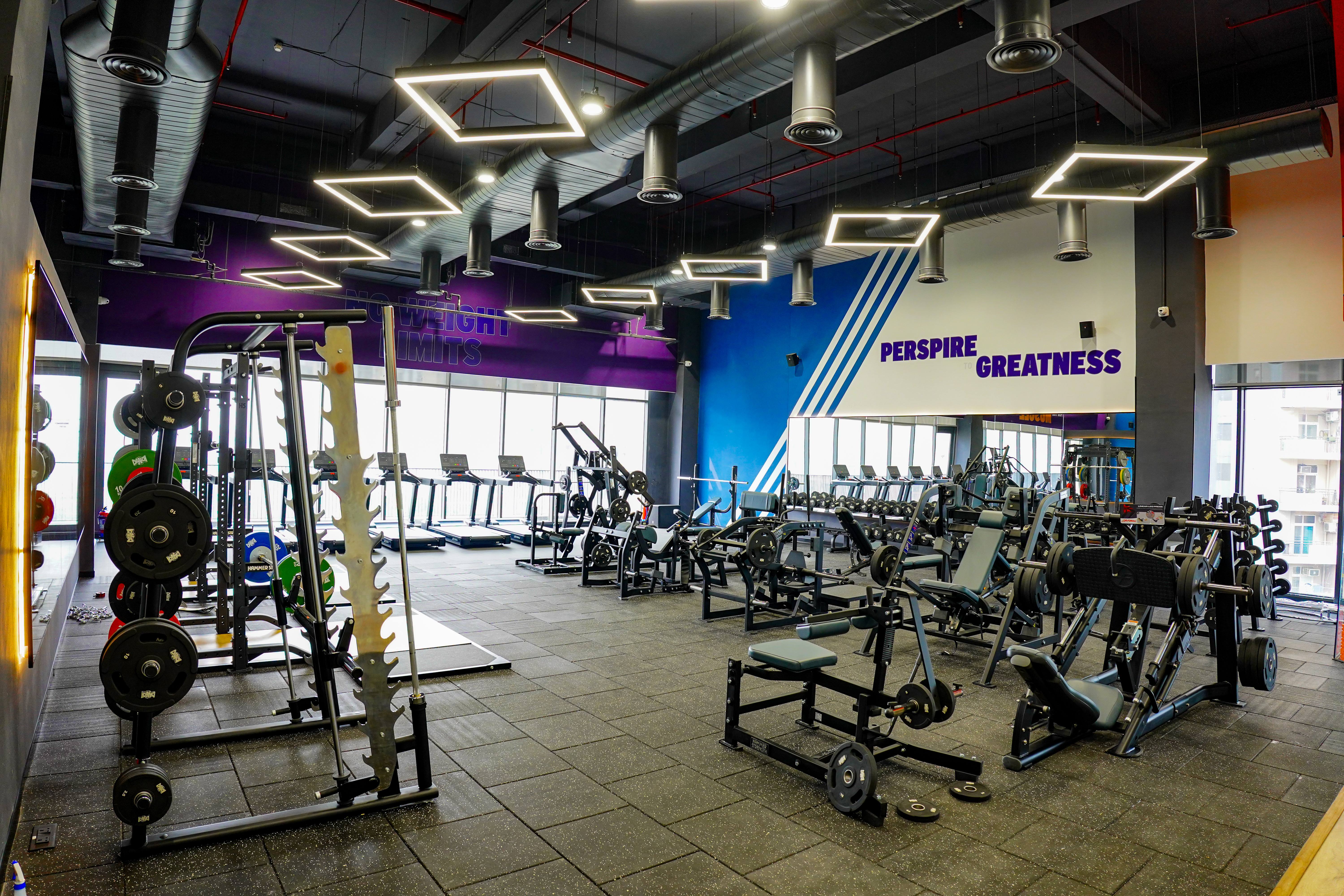
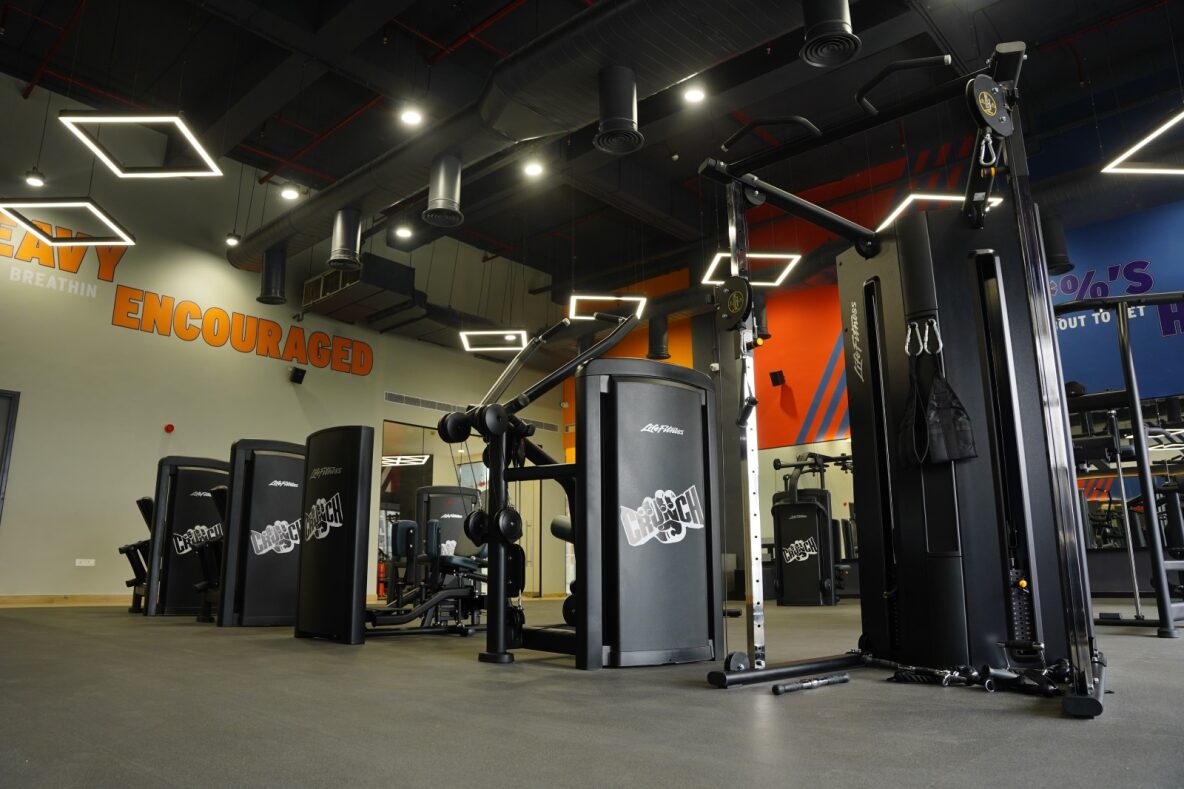
The system includes treadmills and weights together with resistance machines and functional training equipment.
3. Interior Design and Renovation
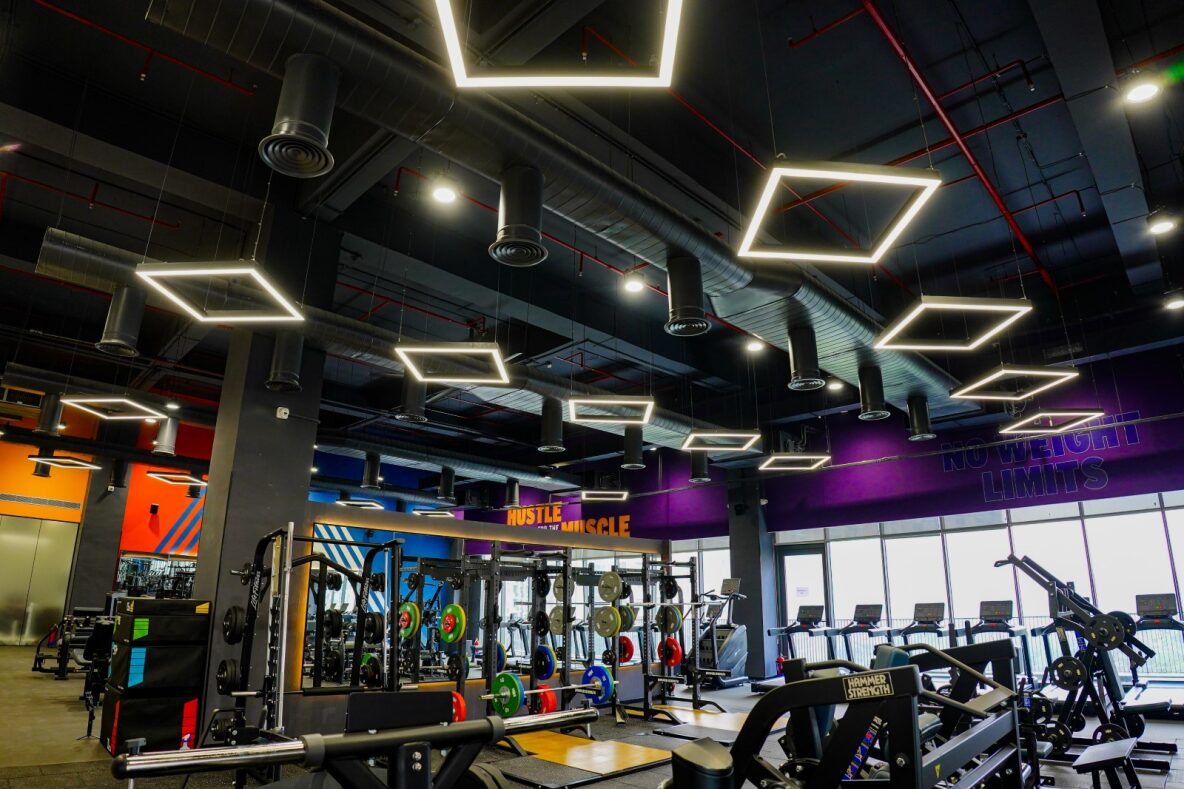
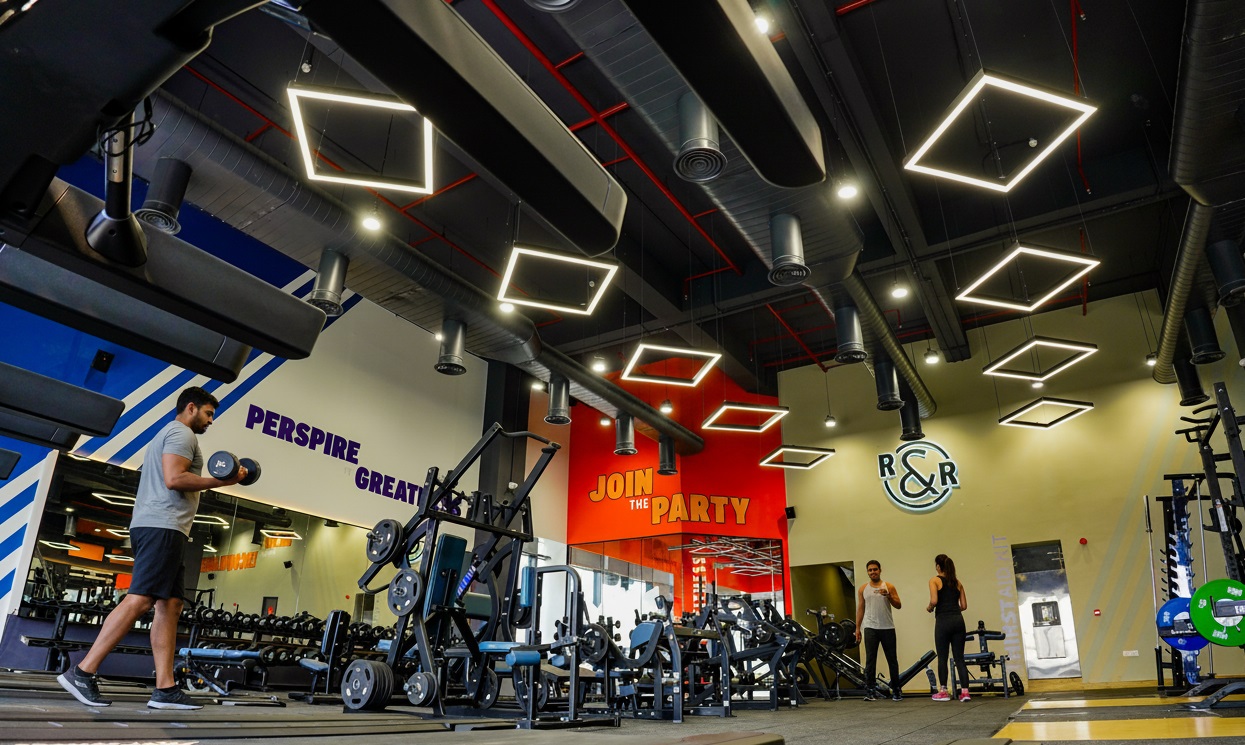
A contemporary fitness space needs financial resources which should be allocated for purchasing flooring materials, mirrors, lighting equipment, lockers and brand elements.
4. Rent and Security Deposit
The budget allocates 15 to 25% of its total amount to commercial real estate expenses which vary according to city and location.
5. Staff Salaries
The monthly expenses for the business include payments to trainers, reception staff and housekeeping workers and management staff.
6. Marketing and Launch Campaign
Initial promotional campaigns typically require ₹5–10 lakh to build awareness and attract early memberships.
The cost categories help investors understand their expenses which they need to control before opening their franchise operation.
Creating a Smart Budget for Your Gym Franchise
The sustainability of a gym business requires a well-planned budget as its essential component. New franchise owners encounter failure because they both underestimate operational costs and overestimate their initial revenue.
Budgeting Strategies to Follow:
Prioritize Essential Investments
The gym equipment quality, professional trainers, and clean, safe infrastructure must receive first priority in member experience improvement work.
The gym facilities will receive their first set of upgrades through essential building components before the business invests in nonessential luxury items.
Allocate Emergency Funds
You need to keep a reserve fund that will cover your basic operating costs for six months. The business will be protected during times of low membership and when unexpected expenses arise.
Track Monthly Operating Costs
The main ongoing expenses for the business include:
- Staff salaries
- Rent and utilities
- Equipment maintenance
- Marketing and promotions
Ongoing financial evaluations enable the business to sustain its profitable status.
Plan for Break-even Timeline
Most gym franchises in India achieve break-even within 18 to 36 months if operations and marketing are managed effectively.
Funding Options for Gym Franchises in India
The process begins with establishing a clear budget before organizations proceed to select their optimal funding approach. Entrepreneurs frequently use various financing options together with multiple funding sources.
1. Bank Business Loans
Gym franchises commonly use business loans as their main financing method.
Banks and NBFCs typically offer loans between ₹50 lakh and ₹75 lakh for gym businesses depending on credit history and business plans.
Advantages:
- Structured repayment schedules
- Competitive interest rates
- Ability to finance equipment and setup costs
A strong business plan significantly improves loan approval chances.
2. MSME Loans and Government Schemes
Multiple government-sponsored initiatives exist to assist entrepreneurs who seek to establish their own businesses.
Common Options:
- MSME Loans
- Pradhan Mantri Mudra Yojana (PMMY)
- Startup India initiatives
Benefits:
- Lower interest rates
- Flexible repayment terms
- Reduced collateral requirements
The CGTMSE program offers credit guarantees that cover 85% of loans which extend up to ₹2 crore. This system enables small businesses to obtain funding without needing to provide substantial collateral.
3. Franchise Financing Programs
Some gym franchisors partner with banks to assist their franchisees in obtaining financial backing.
Benefits:
- Easier loan approvals
- Lower interest rates
- Flexible repayment plans aligned with franchise revenue models
This option works especially well for new business owners who want to start their first fitness center.
4. Equipment Leasing
Gym equipment can be expensive, especially for large facilities. Most franchise owners prefer equipment leasing because it lets them avoid paying total equipment costs at once.
Benefits:
- Lower initial investment
- Easier upgrades to newer machines
- Improved cash flow management
Entrepreneurs use leasing to allocate their budget toward promotional activities and business management tasks.
5. Investor Partnerships
The funding method that works best partners with investors as its core strategy.
Types:
- Equity partnerships
- Silent investors
- Strategic partners from the fitness industry
Investors provide capital in exchange for profit sharing or ownership stakes.
The financial approach decreases monetary risk because it delivers financial experts who bring their professional networks into the project.
Conclusion
Budgeting and funding represent essential requirements that must be fulfilled to establish and operate a gym franchise business successfully throughout India. The financial plan provides entrepreneurs with a complete guide to control their business resources while they operate their initial business phase.
Franchise owners can achieve better financial stability through intelligent budgeting methods which they combine with various funding sources including business loans, government programs, equipment leasing and investor partnerships.
Gym operators use effective financial management systems to maintain their focus on providing excellent fitness services while growing their customer base. A gym franchise like Crunch Fitness India reaches consistent business expansion and increases profits through proper implementation of its financial plan.
Frequently Asked Questions (FAQs)
Q1. What is the typical investment required to start a gym franchise in India?
The typical investment amount for establishing a gym franchise in India varies between ₹95 lakh and ₹4 crore based on three factors which are brand selection, location choice and facility size.
Q2. Can entrepreneurs get bank loans to open a gym franchise?
Bank loans for gym franchise establishments are accessible to entrepreneurs who meet the requirements of a strong business plan and financial profile, according to multiple banks, which provide business loans for this purpose.
Q3. Are there government schemes available for gym business funding?
Some loan options open doors without tight rules. Money flows more easily when programs like Mudra step in. Think MSME, it bends a little for those building something new.
Q4. What are the major expenses when starting a gym franchise?
Starting up means paying a franchise fee right away. Equipment for workouts comes next on the list. The layout inside takes money too. Rent grabs a big part each month. People who work there need steady pay. Spreading the word costs extra every step.
Q5. How long does it usually take for a gym franchise to become profitable?
18–36 months is when many gym chains start covering costs, if memberships grow steadily while daily operations run smoothly alongside steady promotion. Running a fitness location often hits a balance around three years, provided sign-ups keep rising as ads pull attention and staff manage tasks without waste.
Explore More Articles


The fitness industry in Delhi is expanding rapidly because of three factors w... Read More
Th... Read More


The launch of a gym franchise is only the beginning of the journey. The actua... Read More
The process of starting a gym franchise in In... Read More
Where you place your gym matters most. Though b... Read More

Today, the fitness industry stands as one of the fastest-expanding business s... Read More

















<... Read More









































<... Read More

<... Read More

<... Read More

<... Read More

<... Read More

<... Read More

<... Read More

<... Read More









<... Read More

<... Read More

<... Read More

<... Read More

... Read More
CLOSEST CLUB
Your Local Crunch ...
SEE OUR MEMBERSHIP OPTIONS