
The fitness industry in India has experienced exceptional expansion during the last ten years which has created a strong basis for businesses that operate gym franchises.
People now exercise at organized fitness centers because of three factors which include their growing health awareness, their rising disposable income and their increasing urban population.
The structured fitness franchise system has become an effective business option for entrepreneurs who want operational support through established business procedures.
The franchises use established branding together with standardized training systems and scalable business models which enable them to enter the competitive fitness industry.
The Rapid Growth of India’s Fitness Industry
The fitness industry in India operates at a higher growth rate than ever before. The commercial fitness market of the country is projected to expand from ₹16,200 crore in 2024 to ₹37,700 crore by 2030 according to industry reports which indicate a strong compound annual growth rate of about 15%.
The statistics become more fascinating because gym usage in India remains below 1% which indicates that most people in India have not yet begun to use fitness centers.
The low market penetration of fitness centers provides entrepreneurs with access to a significant business opportunity that has not yet been developed.
Rising Health Awareness Across the Country
The expanding fitness franchise market receives its primary impetus from people becoming more aware of health and wellness.
People are now choosing organized exercise programs because of various lifestyle changes:
- Rising cases of lifestyle diseases such as diabetes and obesity
- Greater awareness of preventive healthcare
- Social media influence promoting fitness lifestyles
- Increased participation in sports, marathons, and group workouts
The current shift in consumer purchasing patterns has created continuous demand for professional fitness centers.
Franchising Reduces Business Risk
Opening an independent gym requires people to develop their business plan, develop their brand and acquire their operational knowledge. The entrepreneurs face difficulties because they need to manage these two areas of their business.
Fitness franchises solve these challenges by offering:
- Established brand recognition
- Proven business models
- Structured training programs
- Standardized operational processes
- Marketing support
Franchise owners can use an existing successful system instead of developing their entire business from the ground up. This method decreases all of the dangers that new companies face in their initial stage.
For many first-time entrepreneurs, franchising provides a more predictable pathway into the fitness industry.
Urban Expansion and Tier-2 Market Potential
The fitness market in India receives major contributions from Mumbai, Delhi and Bengaluru but the top 10 Indian cities generate 56% of the industry revenue while only 31% of fitness facilities exist in those cities according to industry data.
The current distribution of resources creates an opportunity for businesses to grow their operations in smaller urban areas.
Fitness franchise expansion now occurs in Tier-2 and Tier-3 markets because of these three factors:
- People have more money to spend nowadays
- The middle-class population keeps increasing
- People face a few challenges from existing gyms which limit their options
- People now understand physical fitness better than before
Franchise brands use their business models to expand rapidly into new developing markets.
The Power of Brand Trust
Fitness centers need customers to have an established trust relationship. Recognized fitness brands benefit from:
- Professional trainers
- Certified training methods
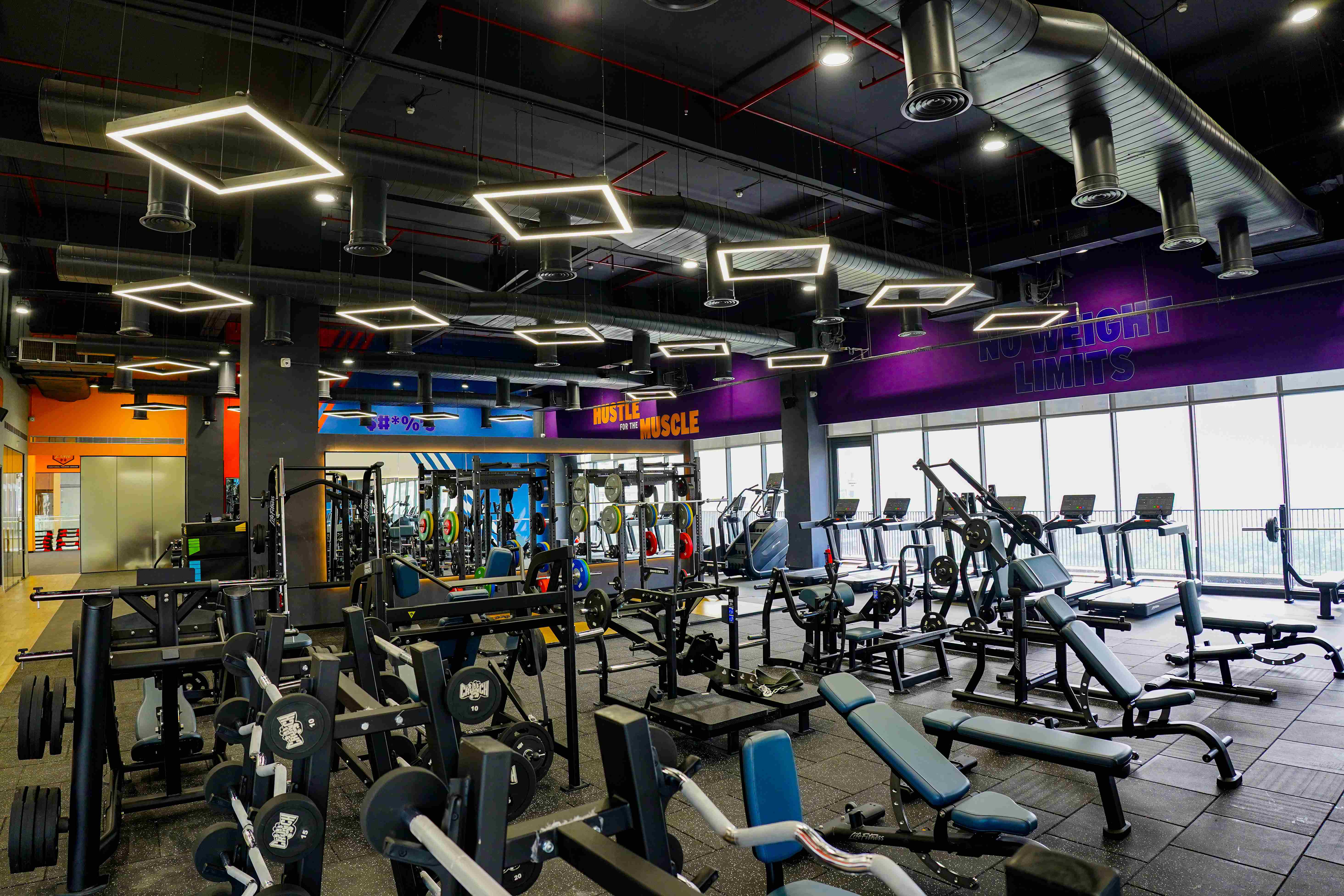
- Clean and well-equipped facilities
- Structured workout programs
Consumers often feel more confident joining a known brand rather than a newly opened independent gym.
The fitness franchise networks in India experience rapid growth because this trust factor functions as a major expansion driver.
Diversification of Fitness Services
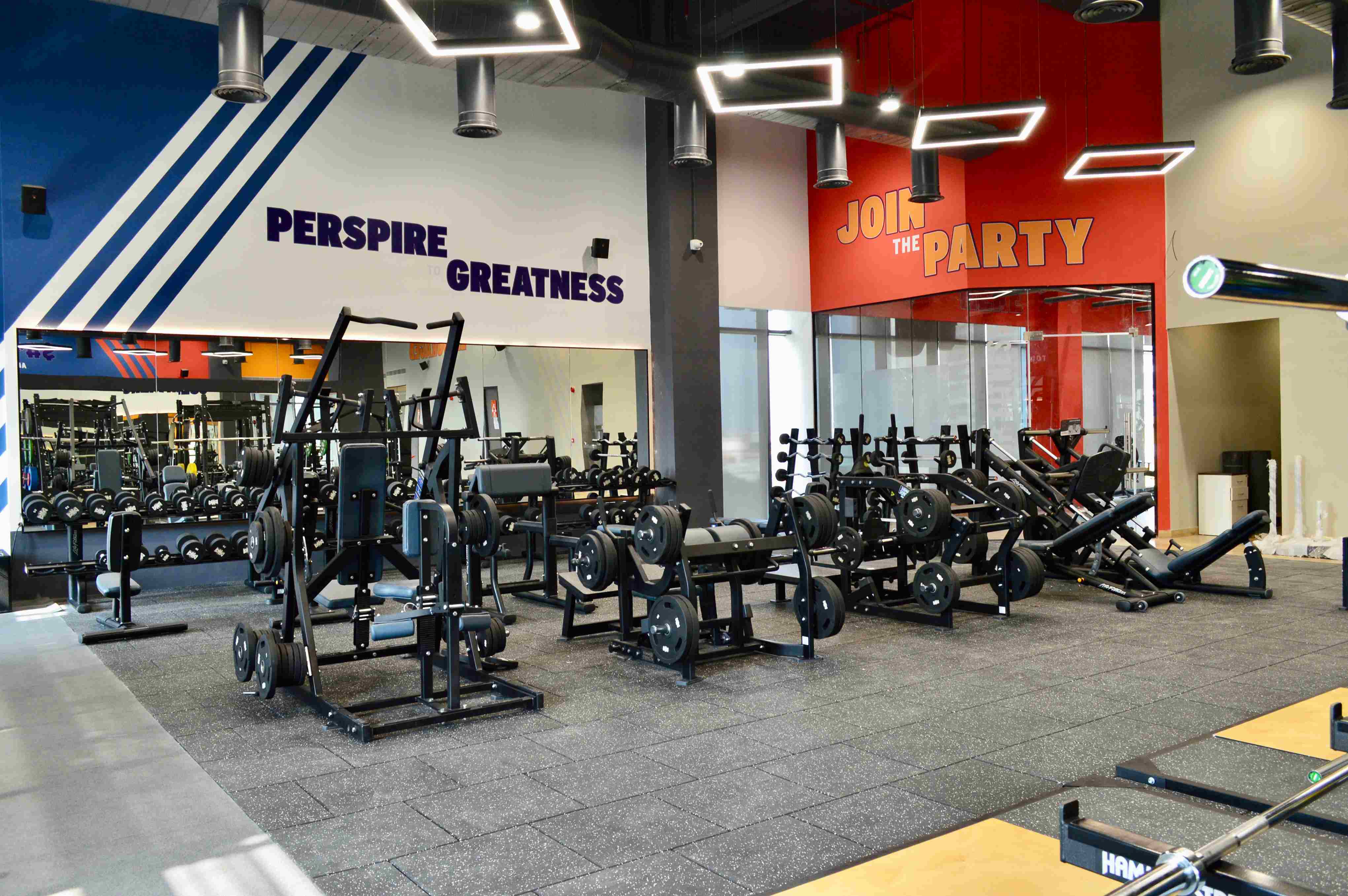
The present-day gym facility provides more than treadmills and weightlifting equipment.
Today’s fitness centers offer a wide range of specialized services such as:
- High-intensity interval training
- Strength training programs
- Group workout sessions
- Functional training zones
- Yoga and flexibility classes
The multiple exercise options in gyms attract different types of individuals who include novice exercisers professional athletes and people who want either rehabilitation or wellness programs.
Franchise brands establish formalized training programs that maintain member participation while enhancing their motivation to exercise.
Strong Revenue Potential
Fitness franchises provide multiple revenue options that prove to be profitable for their operations. A well-run fitness center generates revenue through various income sources which include:
- Membership subscriptions
- Personal training sessions
- Group classes
- Nutrition consultations
- Fitness merchandise and supplements
Gyms establish reliable monthly income streams through their recurring membership system. The industry experiences fast growth which will lead to double membership numbers by 2030 and this creates increasing revenue opportunities for franchise operators.
Investment Opportunities in a Growing Sector
Experts show that wellness and fitness have become essential elements of the preventive healthcare economy, which has experienced rapid growth during recent times.
Investors view gyms and fitness studios as businesses that will sustain their operations for extended periods. The franchise model attracts investors because it offers them both business ownership and operational assistance from established companies.
The growth of franchise networks will gain momentum as additional investors start to enter the market.
Technology and Professionalization of the Industry
The growing professional standards of the fitness sector drive the success of fitness franchises.
Contemporary fitness centers provide their services through:
- Scientific workout programs
- Certified trainers and physiotherapists
- Data-driven fitness assessments
- Structured training plans
The improvements are raising the overall standard of fitness services that exist throughout India.
Franchise brands establish uniform training methods and operational procedures to maintain service quality across all their business locations.
Conclusion
The current growth of fitness franchises in India demonstrates the complete transformation of the country's health and wellness industry. The rising demand for preventive healthcare services together with developing market potential, has created a successful business opportunity through fitness franchising.
The franchise business model provides competitiveness to the market because it enables companies to operate their businesses through established procedures and recognized brand names and they need to offer fitness services which people continuously want to access.
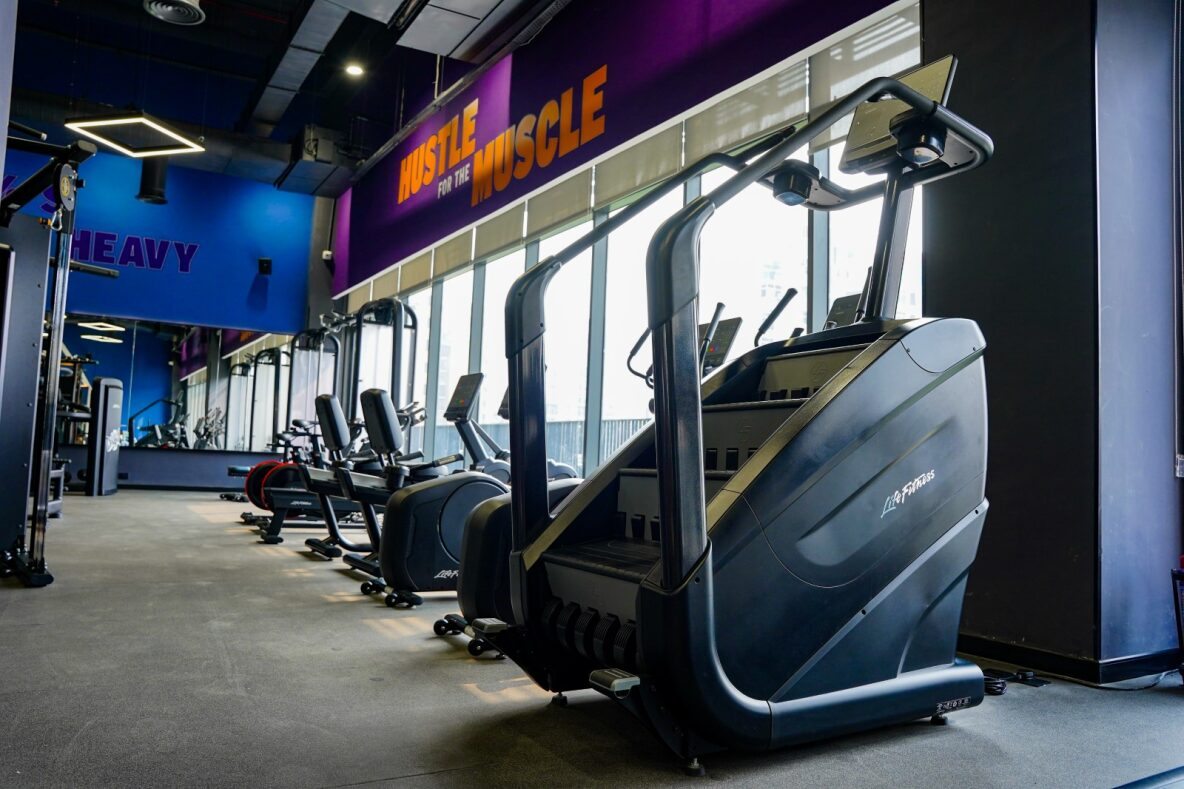
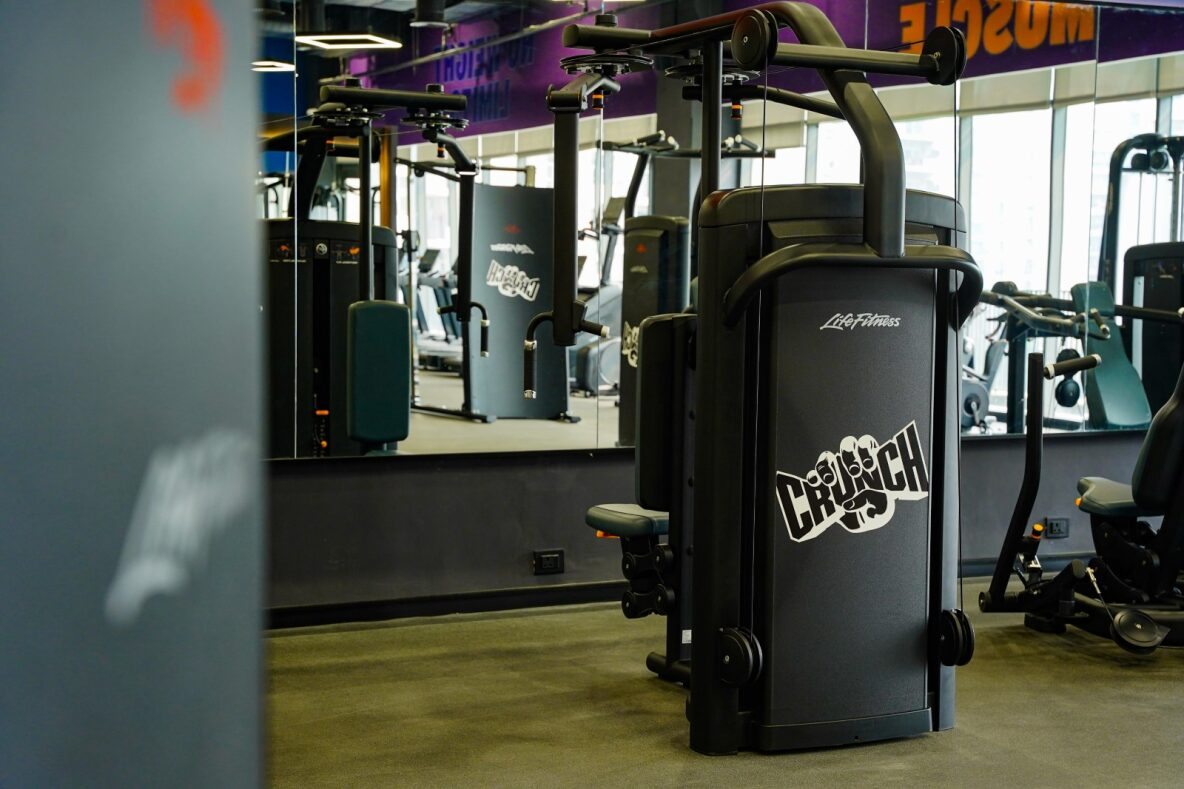
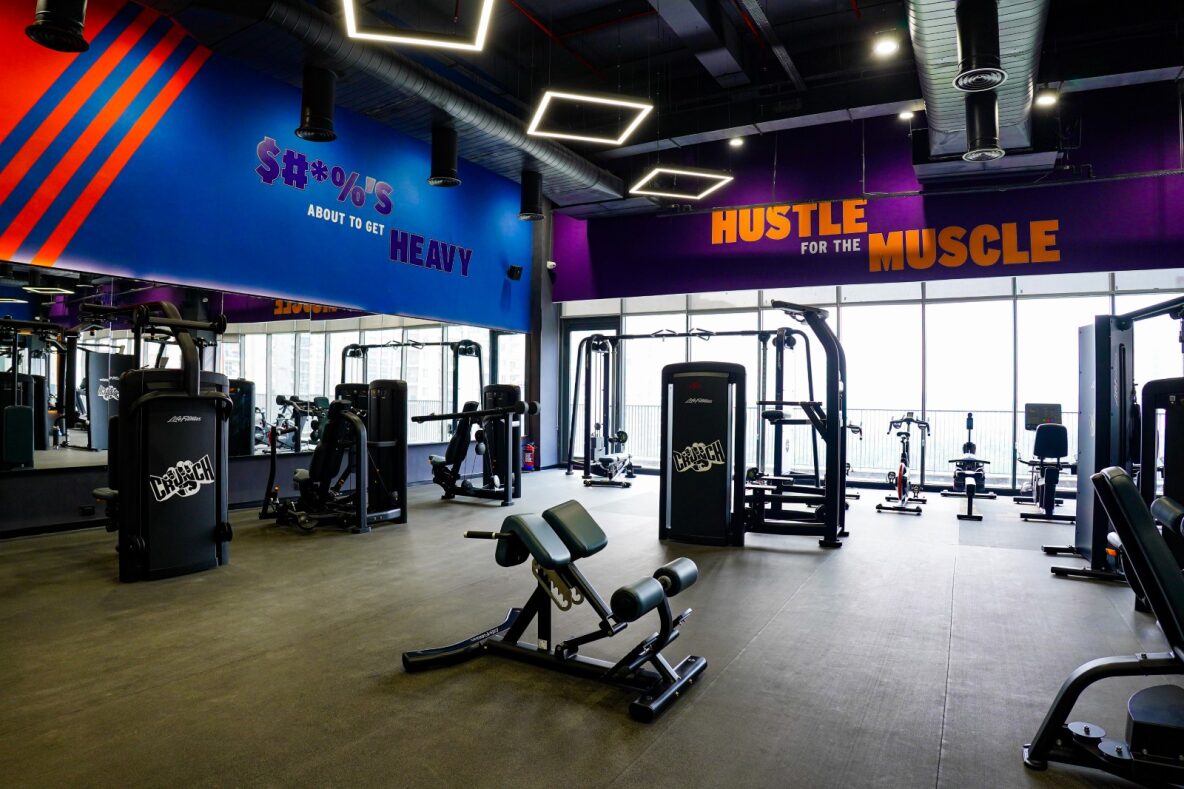
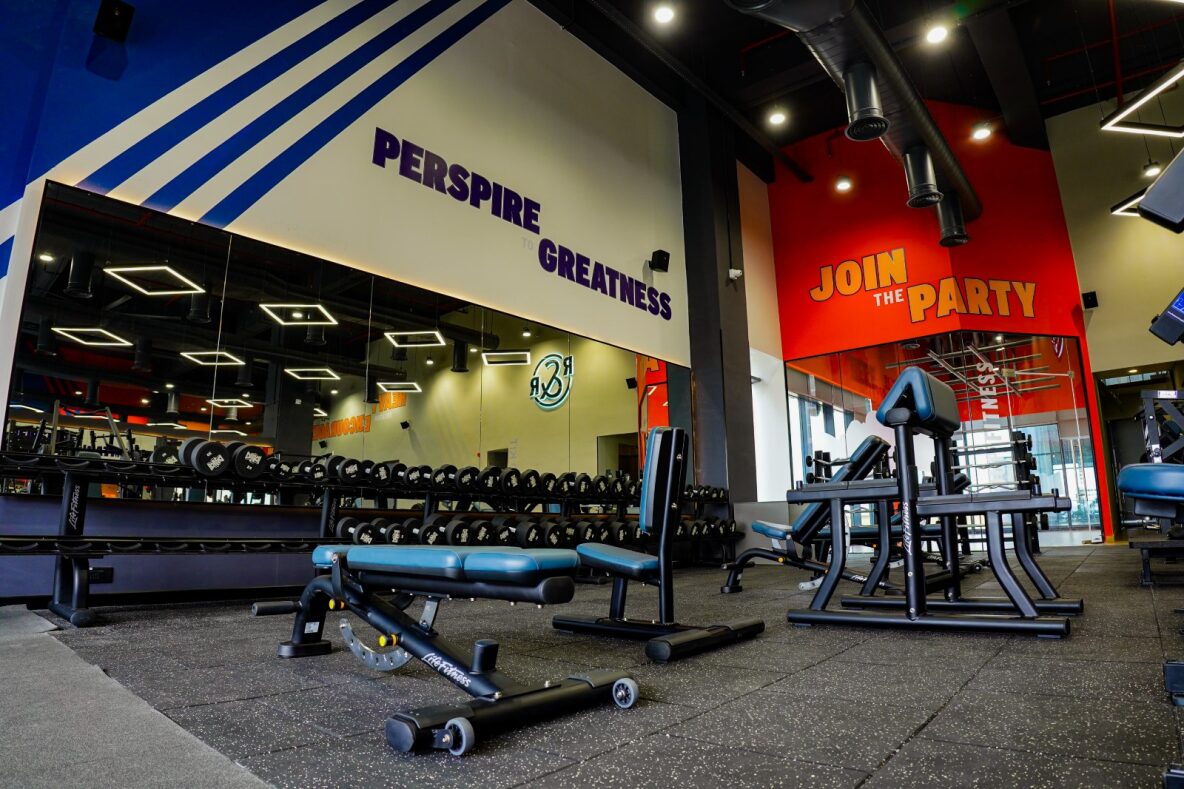
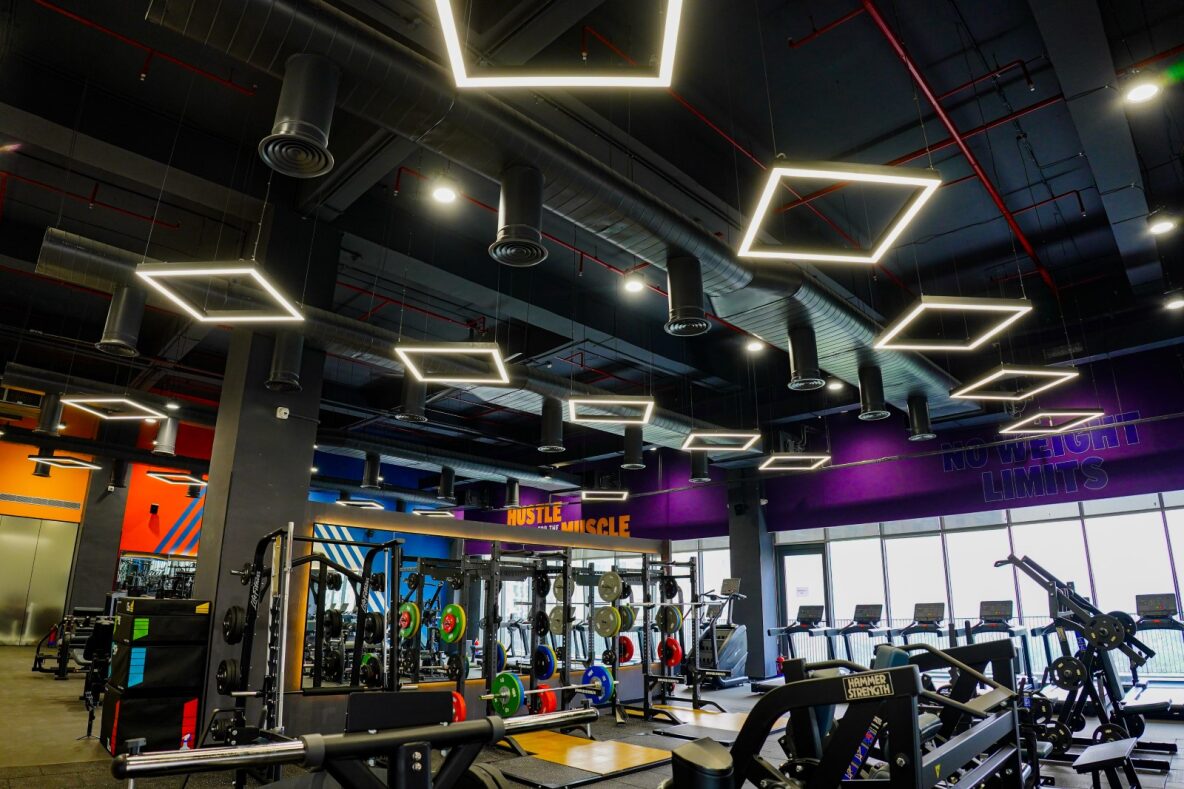
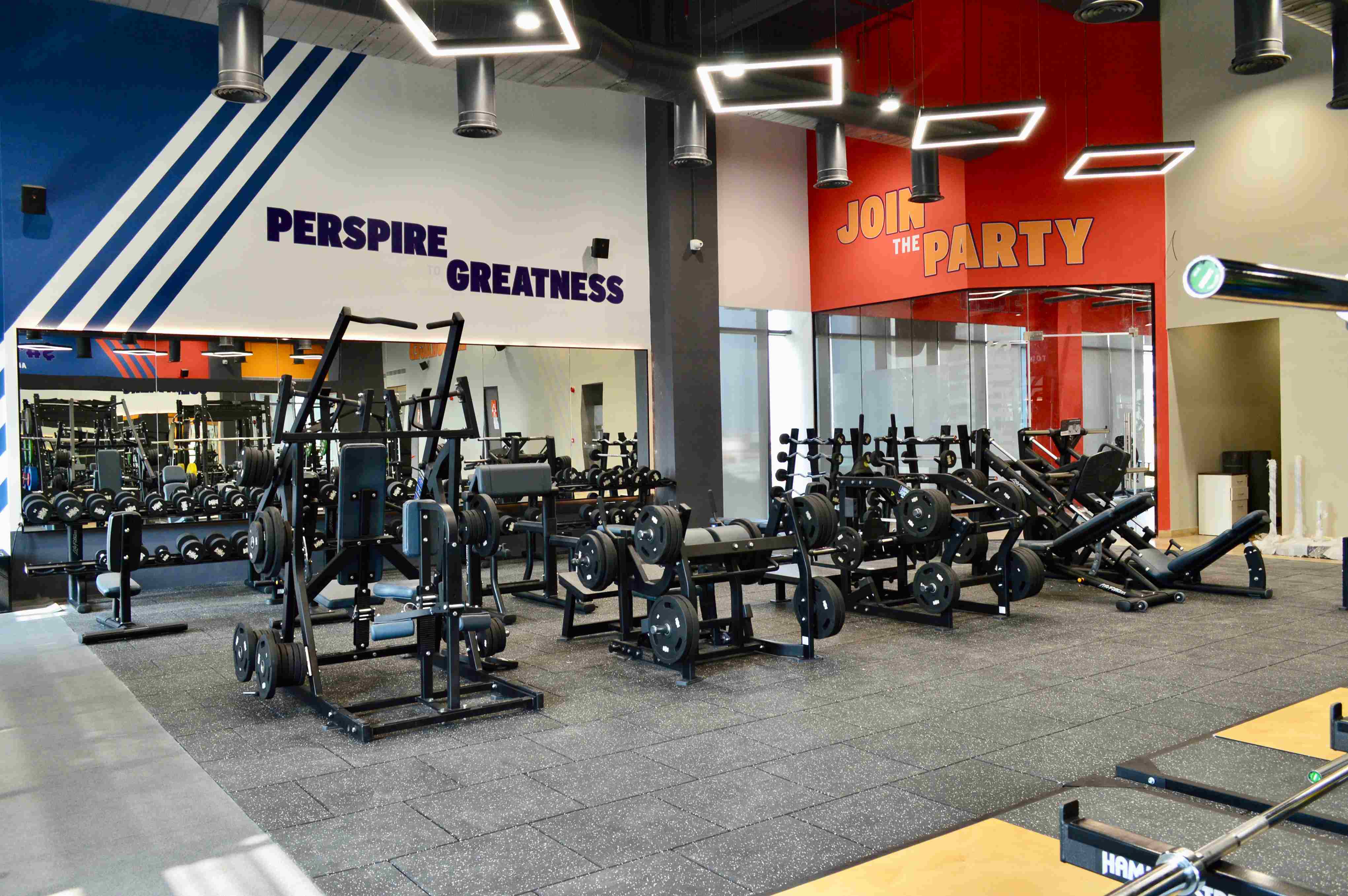
Fueled by a growing preference for active lifestyles, India sees rising interest in expert-led gym franchises like Crunch Fitness India as people seek qualified coaching.
Frequently Asked Questions (FAQs)
Q1. Why are fitness franchises growing rapidly in India?
The growth of fitness franchises occurs because people become more health aware, while their disposable income rises and urban areas along with new markets, seek sound exercise centers.
Q2. Is investing in a fitness franchise a profitable business in India?
Fitness franchises generate continuous income through memberships and training services when their owners select suitable locations and build effective management systems while maintaining membership growth.
Q3. How much investment is typically required to start a gym franchise in India?
The investment varies depending on the brand, location, and facility size, but it generally ranges from ₹30 lakh to ₹5 crore.
Q4. Why do entrepreneurs prefer fitness franchises over independent gyms?
Entrepreneurs choose to operate fitness franchises instead of independent gyms because these business models deliver established brand recognition together with operational assistance and training programs, and promotional support which minimize startup risks for new businesses.
Q5. Are Tier-2 and Tier-3 cities good markets for fitness franchises?
The cities in question present excellent opportunities for fitness franchises because their populations boost health knowledge and their residents experience income growth while businesses face reduced competition than they do in large urban centers.
Explore More Articles


The fitness industry in Delhi is expanding rapidly because of three factors w... Read More
Th... Read More


The launch of a gym franchise is only the beginning of the journey. The actua... Read More

The process of starting a gym franchise in In... Read More
Where you place your gym matters most. Though b... Read More

Today, the fitness industry stands as one of the fastest-expanding business s... Read More
















<... Read More









































<... Read More

<... Read More

<... Read More

<... Read More

<... Read More

<... Read More

<... Read More

<... Read More









<... Read More
<... Read More

<... Read More

<... Read More

... Read More
CLOSEST CLUB
Your Local Crunch ...
SEE OUR MEMBERSHIP OPTIONS