
Public understanding of gym franchise ownership exists as a common misconception that prevents prospective investors from discovering this expanding business sector. Many people think that gym franchises need either extensive fitness knowledge or extensive financial resources or they present high danger which creates an incorrect belief.
Gym franchises function through established business systems which help their owners manage their operations while running their businesses. The demand for structured fitness facilities keeps increasing because more people become aware of health and fitness.
The ability to assess your financial goals and business goals through gym franchise ownership requires knowledge about the actual facts that underpin common myths.
Myth 1: “You Need to Be a Fitness Expert”
This is probably the biggest myth and also the most limiting one.
Most people believe that running a gym requires either certification as a trainer, experience as a bodybuilder or dedication to fitness.
Reality:
The operator role requires you to maintain operational control while you operate the business.
Owning a gym franchise requires you to handle:
- team management
- operational control
- community development
- maintenance of customer service standards
Franchise brands typically provide:
- Standard operating procedures
- Hiring and training support
- Pre-defined workout programs
- Staff onboarding systems
Running a restaurant involves operating the kitchen without needing to be a chef because you must ensure everything operates smoothly.
Myth 2: “You Need Massive Capital”
The common belief about huge investments describes people who think that such investments become operational only when multiple crores of rupees, luxurious interior designs and extensive building spaces become available. The current gym franchise business system offers its operators multiple flexible options to choose from.
The fitness industry offers three different types of exercise facilities which include
- Boutique fitness formats
- Mid-sized neighborhood gyms
- Premium club experiences
Investment costs differ according to
- Location
- Size
- Brand positioning
The current generation of fitness franchises operates through modern franchise systems which develop:
- Space-efficient
- Cost-optimized
- Scalable
The decision process requires managers to determine operational capacity through operational capacity assessment.
Myth 3: “Franchises Take Away Your Freedom”
The statement first appears to make sense but later breaks down into illogical components. The statement about following rules without any creative control constitutes the complete description of the situation.
The reality of franchise systems operates as a structural system that provides guidance to their users. The brand guidelines exist as a necessary element that helps maintain consistent brand identity while building customer trust.
The framework allows you to manage the following areas:
- Local marketing efforts
- Community engagement
- Team culture
- Daily operations
The implementation of a system brings more freedom to owners because it eliminates the need for them to create new procedures.
Myth 4: “It’s Just About Equipment and Space”
The common belief about a gym's existence derives from the equation that a treadmill plus weight equipment plus mirrors leads to business operations. The actual definition of a successful gym exists because its members create their own experience.
Members don’t stay for equipment. They stay for: Members stay because they want to obtain different goals.
Franchise brands dedicate their resources to areas that work to keep members from leaving, and focus on creating programs that connect with members. They also include classes that follow specific patterns.
The actual worth of the facility exists beyond its equipment because the equipment creates a specific emotional response when visitors enter the space.
Myth 5: “You’ll Start Making Profits Immediately”
The myth creates a hazardous situation because it establishes expectations that cannot be met. The reality of gym operations requires time for businesses to develop their operational momentum. The initial months establish the following three objectives, which the gym will work to achieve:
The gym will work to achieve three main objectives during its first months through member acquisition, brand awareness and trust establishment. The profitability of a business depends on three factors, which include its location strategy, the quality of its execution and the rates at which customers continue to use its services.
The good news? The fitness industry generates consistent revenue through its repeat customers. Members who join and remain with the gym create stable revenue, which grows progressively throughout the business relationship.
Myth 6: “Marketing Is Too Difficult”
The franchise brands deliver their marketing playbooks which contain approved strategies for their business operations. The project includes the following elements:
- Launch campaigns
- Social media strategies
- Referral programs
- Local promotions
The established systems that have proven successful will provide you with actual results instead of your needing to guess which methods succeed. Your work focuses on executing tasks that you need to perform instead of testing new things.
Myth 7: “Staff Management Is a Nightmare”
The tasks of handling trainers and front desk personnel and running the business operations create an overwhelming workload.
Reality: Yes, people management is part of the business, but franchise systems simplify it.
You typically get hiring guidelines together with training modules, defined roles and responsibilities and performance tracking systems. The method creates organized systems that reduce disorder.
Your team will develop into your most valuable resource throughout the passage of time.
Myth 8: “There’s Too Much Competition”
The existence of competition in markets emerges from the existence of demand in those markets. The current state of India remains underdeveloped in three areas which include:
- Organized fitness adoption
- Structured training programs
- Premium fitness experiences
The actual competition that gyms face comes from three main factors:
- Inconsistency
- Lack of motivation
- Drop-offs
A successful franchise operates as a business that eliminates these specific challenges.
Conclusion
Debunking common myths about gym franchise ownership provides a clearer and more realistic perspective on the opportunities within the fitness industry. The existing challenges become manageable when people use appropriate methods for handling their difficulties.
Franchise systems provide established business models that help companies to achieve long-term success by diminishing uncertainty. Potential investors gain better confidence about the business model through the process of fact verification which enables them to distinguish between real information and false information.
The process of operating a successful gym franchise requires business owners to make smart choices while working hard to provide their clients with maximum value which makes this business model profitable in today’s health-focused marketplace.
Frequently Asked Questions (FAQs)
Q1. Do I need prior fitness experience to own a gym franchise?
Most franchise systems operate through their standard business model which does not require special knowledge from their owners. The company provides both training materials and operational assistance to its users.
Q2. How much investment is required to start a gym franchise?
Different budget options exist because the investment amount depends on three factors which include brand selection, location choice and facility dimensions.
Q3. How long does it take to become profitable?
The time required to achieve profitability depends on how many members a business can acquire and keep because this process takes several months to two years.
Q4. Will I receive support from the franchise brand?
The majority of franchises provide operational assistance to their business partners through multiple support systems which include establishment procedures, employee development programs, promotional efforts and business management support.
Q5. Is the gym business sustainable in the long term?
Gym franchises will experience continuous growth because people are becoming more health-conscious and they want to access fitness services.
Explore More Articles

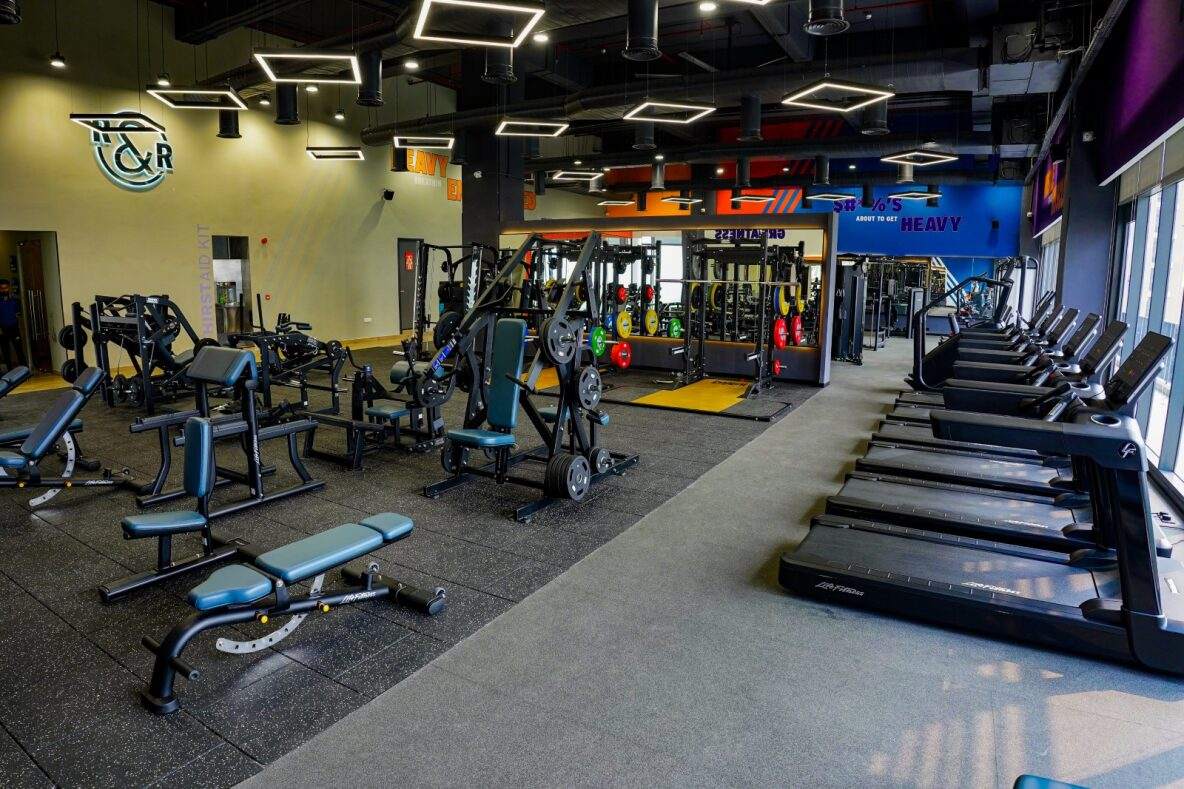
The fitness industry in Delhi is expanding rapidly because of three factors w... Read More
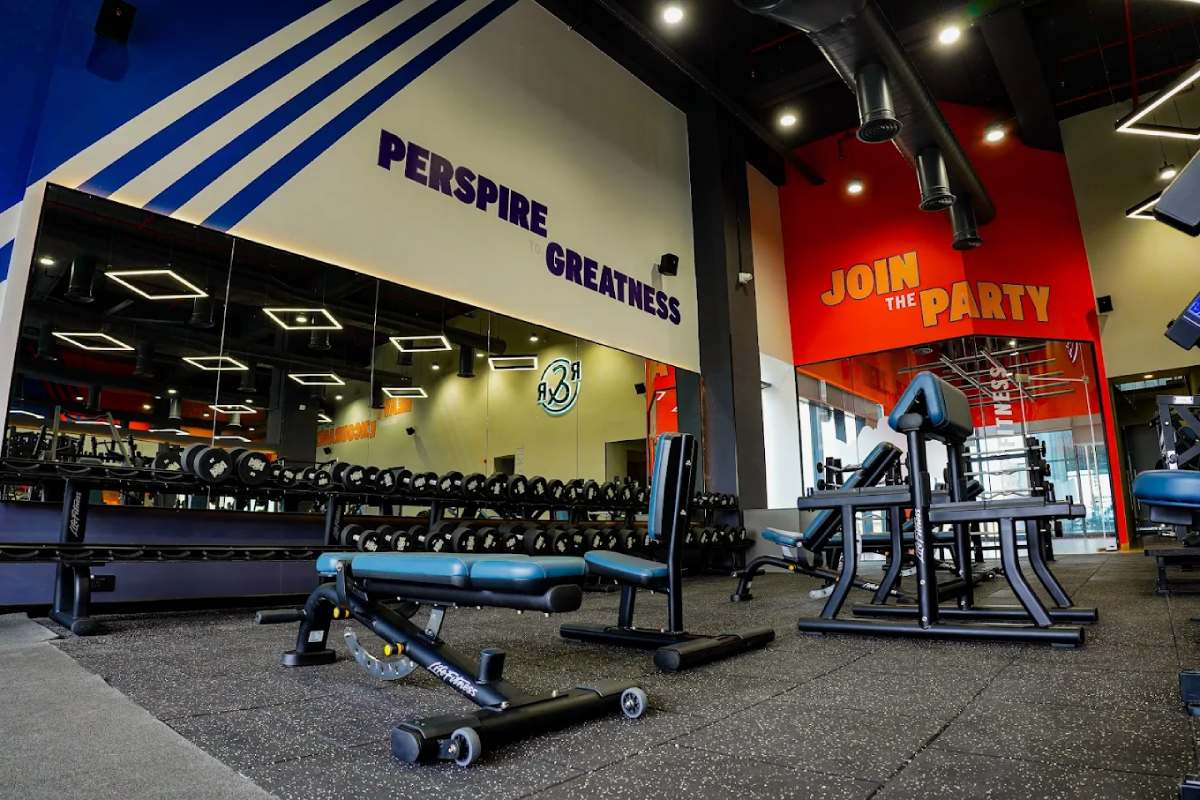
Th... Read More

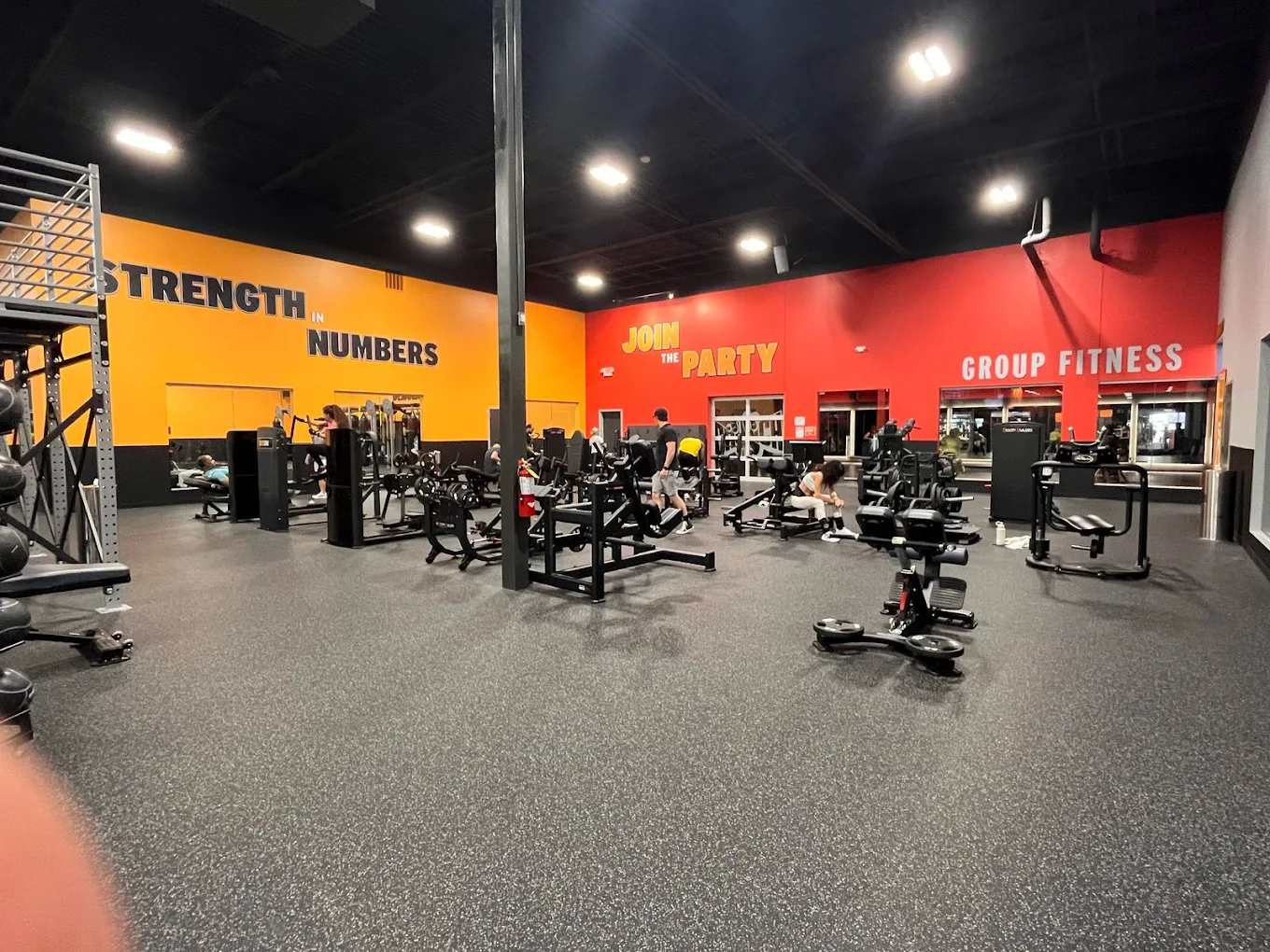
The launch of a gym franchise is only the beginning of the journey. The actua... Read More
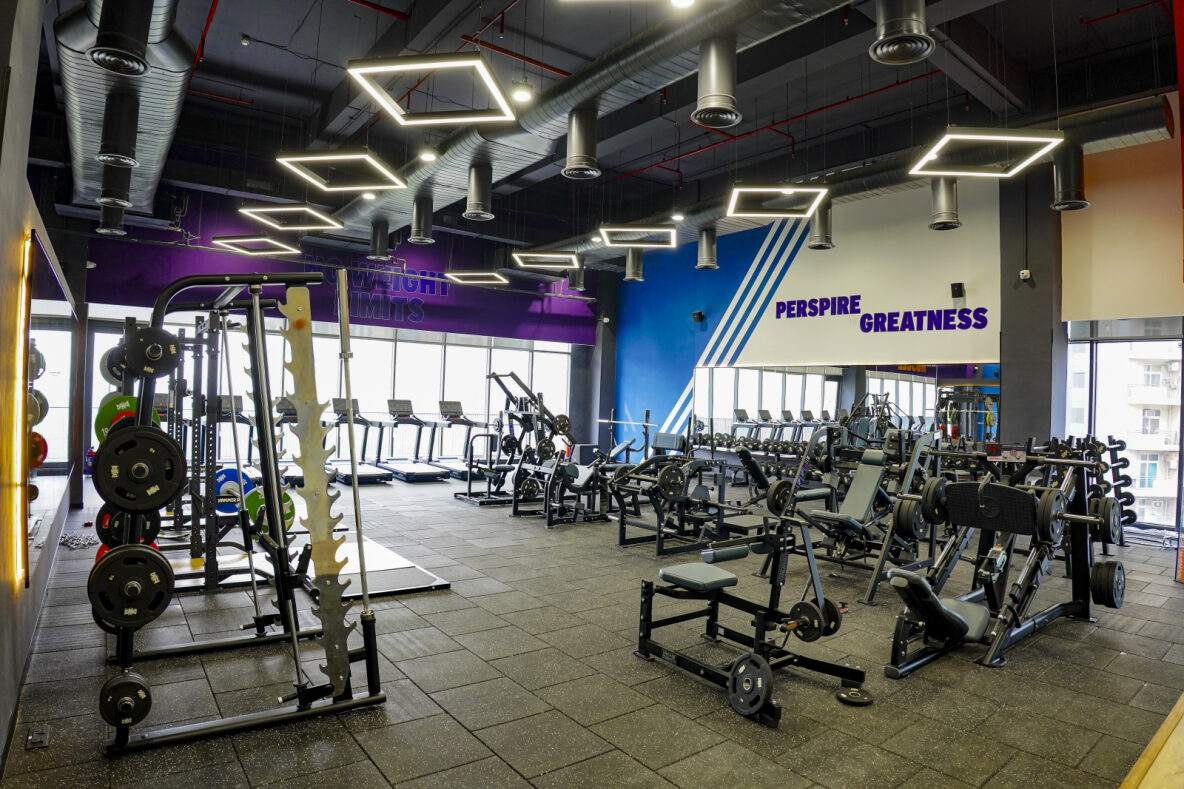
The process of starting a gym franchise in In... Read More
Where you place your gym matters most. Though b... Read More

Today, the fitness industry stands as one of the fastest-expanding business s... Read More


















<... Read More











































<... Read More

<... Read More

<... Read More

<... Read More

<... Read More

<... Read More

<... Read More

<... Read More









<... Read More
<... Read More

<... Read More

<... Read More

... Read More
CLOSEST CLUB
Your Local Crunch ...
SEE OUR MEMBERSHIP OPTIONS